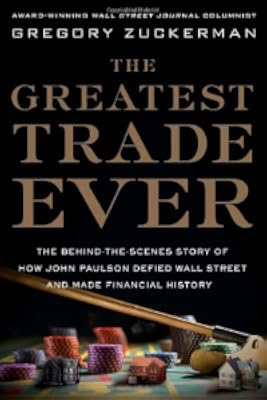
The Greatest Trade Ever: The Behind-the-Scenes Story of How John Paulson Defied Wall Street and Made Financial History
by Gregory Zuckerman
On This Page
Description
A superbly written, behind-the-scenes narrative of how hedge fund manager John Paulson foresaw the escalating financial crisis and turned a falling housing market into financial history.Tags
Recommendations
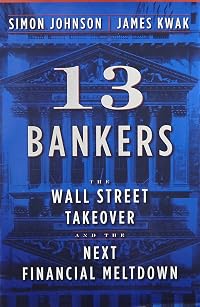
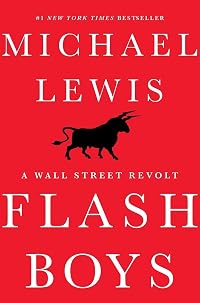
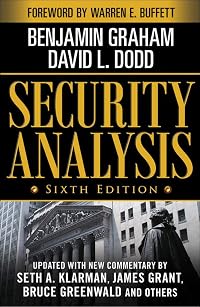
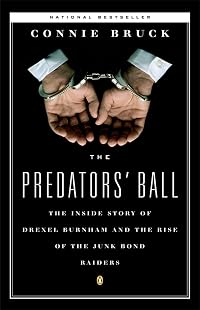

Member Reviews
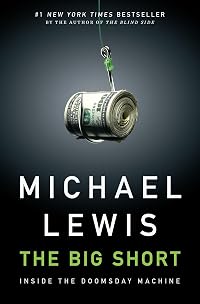
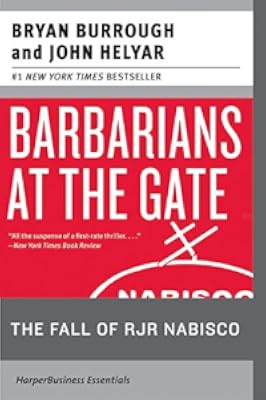
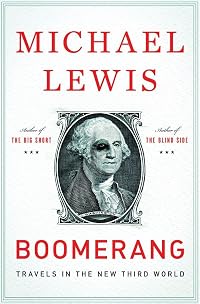
The key to writing a good financial book is timing. As it looks, John Paulson's fund seemed to have lost some of its luster in the recent years (though what the future will look like, no one knows). This book is at the intersection of the 2007-08 pop-econ genre (think Big Short) and great business history books (think Barbarians at the Gate). In other words, a useful refresher on 2007 crisis reporting, driven by lively explanations of idiosyncratic personalities. Some of the book is redundant for any readers of the Big Short (in fact, Lewis wrote the book to discuss every investor but John Paulson) but those looking to scratch that itch more might profit from reading this book. I originally picked up this book out of a specific show more curiosity about John Paulson, an alumnus of my college and whose name now adorns many of the rooms and halls there.
Player wise, the book focuses mostly John Paulson but also his major analyst Pellegrini, his friendemy Greene as well as Michael Burry and Greg Lippmann (the latter two both covered by the Big Short). What unites all these players is that none were housing or mortgage specialists. Pellegrini was a new analyst hired by Paulson, who only knew what CDSs were from a serendipitous brush of the shoulders earlier in his career. Pellegrini discovered that housing prices were much higher than historical trends, indica of a housing bubble. Paulson was a merger arbitrage specialist, Burry a stock picker, and Lippmann a Deutsche CDS salesman who discovered that contrary to conventional wisdom housing prices, not income, determined default rates (house buyers with extremely high interest rates after teaser rates could refinance because the housing price rose. when housing prices fell, people were unable to refinance their loans and defaulted). Greene was a real estate mogul trying to protect his real estate empire from collapse (he had suffered from a housing bust before). This is a lesson that seems to confirm what Taleb calls the green lumber fallacy. Often those who "know the most" about a subject matter confuse that knowledge with a knowledge of how to profit off movements and trends.
The common thread that runs through their stories are the struggles these investors faced in trying to short the housing market. I think Zuckerman shines the most by writing each chapter as if it was a cliff hanger. In hindsight almost everyone can repeat ad nauseam (at least abstractly) the causes of the crises and how CDSs allowed short sellers to profit from the housing bubble's burst. Zuckerman writes in the moment showing how difficult it was for the investors to reason forward and figure out what seems obvious in retrospect.
First, it was difficult to directly short housing. The classic way of shorting housing, would be to buy a house, sell it and then rebuy when the bubble burst pocketing the profit. Such a strategy is obviously costly and impractical. This was resolved when the CDS was invented, in order to satisfy the demand of investors to match or to hedge CDO returns (this was also the cause of contagion, as many banks were actually the counter party to the short). Not all investors could buy CDS protection either, it was only available to large investors (w/ IDSAs), so getting access to CDSs was difficult for smaller players. Even then the cost of shorting raises as the bubble continues, so calling a bubble is not enough, it's necessary to time the burst correctly. Second, all the investors faced difficulty in raising money. It was difficult to convince people to pony up the money to take advantage of this supposed opportunity, especially when the "experts" were convinced that there was no housing bubble. Fund raising was a serious practical issue, especially for "outsiders" calling doomsday. Burry for example was forced to lock in his clients money, angering many investors including the legendary Greenblatt. Lippmann was mocked widely at Deutsche. Few investors wanted to be locked in a negative carry trade, where losses (the costs of protection) were certain, but gains were speculative. Third, it was difficult to implement the strategy, especially in the face of rising housing prices. Refinancing by home owners, financing by mortgage lenders or acquisitions of failing mortgage lenders reduced the predictability of negative impacts on housing prices. Fourth, many of the shorting instruments were thinly traded (an exception was the ABX index on subprime). This created problems for exiting the position (low liquidity/ blowing up the price if word gets out of exit), as well as valuing the insurance when housing prices did drop. Sometimes it was suspected that banks who wrote the CDS purposefully refused to mark down the prices. Not to mention, the creditworthiness of the counter-parties came into question as the financial sector toppled in 2008 (and it was revealed that it was the banks holding the other sides of those trades). Finally, it was difficult to decide when to exit the trades. Selling the mortgage protection locked in a profit, but at the risk of forgoing further profit. Paulson waited until the housing prices trended very low, risking a rebounce that would wipe out his gains, to sell (he said he remembered that Soros said to "go for the jugular"). An investor who had the disciple, luck and tenacity to weather all those difficulties, without knowing them in hindsight, made a killing in 2007-08.
Zuckerman does a good job explaining all the relevant financial concepts, so that none of the complicated mechanisms get in the way of enjoying the very human drama from Lippmann's understandable but obnoxious boosting to fellow traders when the bubble burst (though ironically, much of his bonus was in deutsche stock that fell afterwards), to Pellegrini's tense relationship with Paulson (Pellegrini never felt secure at the firm, and never felt like he got the respect he deserved, despite Paulson granting him a bonus that ensured Pellegrini would never have to work again). Pellegrini was a brilliant analyst but hot-blooded, often insulting or fighting which made it difficult for him to be promoted. Paulson killed it at school, but itched for that big trade. Paulson was first in his class, and an excellent student but had difficulty striking gold. Few had heard of him before the big trade. Greene was a character all in himself, making his fortune by starting off as a circus ticket phone salesman who would fake accents to curry favor with buyers. Paulson would ask Greene to invest in his fund explaining the basic concept. Greene eventually bought CDSs of his own, straining his friendship with Paulson who considered the move dishonorable. Despite being millionaires, sometimes billionaires, humans seem cursed to be stuck with human nature. Sometimes it's hard to remember that, but this book is a good reminder. show less
Player wise, the book focuses mostly John Paulson but also his major analyst Pellegrini, his friendemy Greene as well as Michael Burry and Greg Lippmann (the latter two both covered by the Big Short). What unites all these players is that none were housing or mortgage specialists. Pellegrini was a new analyst hired by Paulson, who only knew what CDSs were from a serendipitous brush of the shoulders earlier in his career. Pellegrini discovered that housing prices were much higher than historical trends, indica of a housing bubble. Paulson was a merger arbitrage specialist, Burry a stock picker, and Lippmann a Deutsche CDS salesman who discovered that contrary to conventional wisdom housing prices, not income, determined default rates (house buyers with extremely high interest rates after teaser rates could refinance because the housing price rose. when housing prices fell, people were unable to refinance their loans and defaulted). Greene was a real estate mogul trying to protect his real estate empire from collapse (he had suffered from a housing bust before). This is a lesson that seems to confirm what Taleb calls the green lumber fallacy. Often those who "know the most" about a subject matter confuse that knowledge with a knowledge of how to profit off movements and trends.
The common thread that runs through their stories are the struggles these investors faced in trying to short the housing market. I think Zuckerman shines the most by writing each chapter as if it was a cliff hanger. In hindsight almost everyone can repeat ad nauseam (at least abstractly) the causes of the crises and how CDSs allowed short sellers to profit from the housing bubble's burst. Zuckerman writes in the moment showing how difficult it was for the investors to reason forward and figure out what seems obvious in retrospect.
First, it was difficult to directly short housing. The classic way of shorting housing, would be to buy a house, sell it and then rebuy when the bubble burst pocketing the profit. Such a strategy is obviously costly and impractical. This was resolved when the CDS was invented, in order to satisfy the demand of investors to match or to hedge CDO returns (this was also the cause of contagion, as many banks were actually the counter party to the short). Not all investors could buy CDS protection either, it was only available to large investors (w/ IDSAs), so getting access to CDSs was difficult for smaller players. Even then the cost of shorting raises as the bubble continues, so calling a bubble is not enough, it's necessary to time the burst correctly. Second, all the investors faced difficulty in raising money. It was difficult to convince people to pony up the money to take advantage of this supposed opportunity, especially when the "experts" were convinced that there was no housing bubble. Fund raising was a serious practical issue, especially for "outsiders" calling doomsday. Burry for example was forced to lock in his clients money, angering many investors including the legendary Greenblatt. Lippmann was mocked widely at Deutsche. Few investors wanted to be locked in a negative carry trade, where losses (the costs of protection) were certain, but gains were speculative. Third, it was difficult to implement the strategy, especially in the face of rising housing prices. Refinancing by home owners, financing by mortgage lenders or acquisitions of failing mortgage lenders reduced the predictability of negative impacts on housing prices. Fourth, many of the shorting instruments were thinly traded (an exception was the ABX index on subprime). This created problems for exiting the position (low liquidity/ blowing up the price if word gets out of exit), as well as valuing the insurance when housing prices did drop. Sometimes it was suspected that banks who wrote the CDS purposefully refused to mark down the prices. Not to mention, the creditworthiness of the counter-parties came into question as the financial sector toppled in 2008 (and it was revealed that it was the banks holding the other sides of those trades). Finally, it was difficult to decide when to exit the trades. Selling the mortgage protection locked in a profit, but at the risk of forgoing further profit. Paulson waited until the housing prices trended very low, risking a rebounce that would wipe out his gains, to sell (he said he remembered that Soros said to "go for the jugular"). An investor who had the disciple, luck and tenacity to weather all those difficulties, without knowing them in hindsight, made a killing in 2007-08.
Zuckerman does a good job explaining all the relevant financial concepts, so that none of the complicated mechanisms get in the way of enjoying the very human drama from Lippmann's understandable but obnoxious boosting to fellow traders when the bubble burst (though ironically, much of his bonus was in deutsche stock that fell afterwards), to Pellegrini's tense relationship with Paulson (Pellegrini never felt secure at the firm, and never felt like he got the respect he deserved, despite Paulson granting him a bonus that ensured Pellegrini would never have to work again). Pellegrini was a brilliant analyst but hot-blooded, often insulting or fighting which made it difficult for him to be promoted. Paulson killed it at school, but itched for that big trade. Paulson was first in his class, and an excellent student but had difficulty striking gold. Few had heard of him before the big trade. Greene was a character all in himself, making his fortune by starting off as a circus ticket phone salesman who would fake accents to curry favor with buyers. Paulson would ask Greene to invest in his fund explaining the basic concept. Greene eventually bought CDSs of his own, straining his friendship with Paulson who considered the move dishonorable. Despite being millionaires, sometimes billionaires, humans seem cursed to be stuck with human nature. Sometimes it's hard to remember that, but this book is a good reminder. show less
While Zuckerman's treatment is too heavy on the personalities and too light on the technical details for my taste, The Greatest Trade Ever is an easy read and I wouldn't hesitate to recommend it. It's a good complement to The Big Short, since much of the book focuses on John Paulson's part of the story. It's probably also a good one to "read" via audiobook, since it's a bit chatty and you won't miss much if you get a little distracted while driving or doing the dishes.
Although the title of Greg Zuckerman’s The Greatest Trade Ever suggests the book’s subject is singular, this is really the story of a handful of market mavericks who stood athwart the rushing tide of subprime mortgage-backed bonds and shouted ‘Hey, these suckers are going to fail, and there’s money to be made!’
This very select group includes John Paulson, a Wall Street fund manager who pulls off the eponymous trade, making 15 billion dollars for his fund investors, and many billions of his own; Michael Burry, a quirky manager of a smaller fund who nearly goes crazy trying to wait out the crash he knows is coming; and Greg Lippman, a Deutschebank trader whose very own institution is buying up mortgage-backed securities while he show more foretells their doom.
What do these men have in common? Two things: their open-mindedness in seeing how shaky the subprime mortgage market really was in the mid-2000s, and then their ability to stand firm in the face of almost overwhelming conventional wisdom and market sentiment. Although none of the three comes off as a particularly admirable character, you cannot deny that they all were remarkably steadfast once they realized the truth. And Zuckerman does an excellent job of illustrating how difficult this was in the overheated mania of those years.
The Greatest Trade Ever is a fine read, but if you’re really looking to get your head around the gargantuan mess that is the subprime mortgage crisis, just reading this book isn’t enough; it’s more a character study than an analysis of the crisis itself. I found at least a couple of other books very helpful. First, I’d recommend Thomas Sowell’s The Housing Boom and Bust, and then go on to Michael Lewis’s The Big Short. Sowell provides an excellent overview of the whole sorry situation, with a focus on the government failure at the root of the crisis. Lewis is then excellent as he zooms you into Wall Street to show how the debt instruments were built up – and then came crashing down. show less
This very select group includes John Paulson, a Wall Street fund manager who pulls off the eponymous trade, making 15 billion dollars for his fund investors, and many billions of his own; Michael Burry, a quirky manager of a smaller fund who nearly goes crazy trying to wait out the crash he knows is coming; and Greg Lippman, a Deutschebank trader whose very own institution is buying up mortgage-backed securities while he show more foretells their doom.
What do these men have in common? Two things: their open-mindedness in seeing how shaky the subprime mortgage market really was in the mid-2000s, and then their ability to stand firm in the face of almost overwhelming conventional wisdom and market sentiment. Although none of the three comes off as a particularly admirable character, you cannot deny that they all were remarkably steadfast once they realized the truth. And Zuckerman does an excellent job of illustrating how difficult this was in the overheated mania of those years.
The Greatest Trade Ever is a fine read, but if you’re really looking to get your head around the gargantuan mess that is the subprime mortgage crisis, just reading this book isn’t enough; it’s more a character study than an analysis of the crisis itself. I found at least a couple of other books very helpful. First, I’d recommend Thomas Sowell’s The Housing Boom and Bust, and then go on to Michael Lewis’s The Big Short. Sowell provides an excellent overview of the whole sorry situation, with a focus on the government failure at the root of the crisis. Lewis is then excellent as he zooms you into Wall Street to show how the debt instruments were built up – and then came crashing down. show less
Completísima historia sobre el crack de las hipotecas subprime, centrada en los que apostaron contra ellas y ganaron. Se parece mucho a The Big Short, de Michael Lewis, aunque es a la vez más completo y menos ágil en su estilo de escritura. Aún así es muy interesante.
This book is about the people that saw the 2007-2008 American house market crash coming, and also how to benefit from it. The main protagonist, John Paulson ended up making billions of dollars, but this book also talks about those that, while being right, either didn't have the money to capitalize, the guts to wait until the crash, or wasn't prepared to go against the common opinion.
It's an interesting topic, but I'm afraid the book isn't that enjoyable to read because of the way it's structured. It seems to be somewhat of a rush job, as if being the first book on the topic was more important than being a good book on the topic. There are many repetitions (I don't know how many times the book mentions that Mr Paulson uses the bus every show more now and then) and a lot of the content seem to be filler text, listing participants on various parties in the financial aristocratic circles.
What this book doesn't talk about is the "subprime loans" (loans to people that can't afford the loans, and therefore charged a higher interest) and how they came to be. There are a few (one or two) examples of real people that ended up with loans they really couldn't afford but not many details and while the book, or people in the book, blame the legislation, there are not many details.
Still, I've given it three stars out of five, but that is mostly because I don't know in what other book I could have had this information. show less
It's an interesting topic, but I'm afraid the book isn't that enjoyable to read because of the way it's structured. It seems to be somewhat of a rush job, as if being the first book on the topic was more important than being a good book on the topic. There are many repetitions (I don't know how many times the book mentions that Mr Paulson uses the bus every show more now and then) and a lot of the content seem to be filler text, listing participants on various parties in the financial aristocratic circles.
What this book doesn't talk about is the "subprime loans" (loans to people that can't afford the loans, and therefore charged a higher interest) and how they came to be. There are a few (one or two) examples of real people that ended up with loans they really couldn't afford but not many details and while the book, or people in the book, blame the legislation, there are not many details.
Still, I've given it three stars out of five, but that is mostly because I don't know in what other book I could have had this information. show less
Loved the John Paulson story---yikes he had it dead right---but took him a few years to come to fruition...wall street was on the other side to the trade wouldn't price cdo's cds's properly...until the world imploded....also tAlked about others who had it right....Michael burry,jeff green....
It's a fun read.
Members
- Recently Added By
Author Information

8 Works 1,621 Members
Awards and Honors
Common Knowledge
- Original publication date
- 2009
- People/Characters
- Michael Burry
- Important events
- Financial Crisis of 2008
Classifications
Statistics
- Members
- 448
- Popularity
- 68,627
- Reviews
- 10
- Rating
- (3.96)
- Languages
- English, German
- Media
- Paper, Audiobook, Ebook
- ISBNs
- 12
- ASINs
- 6