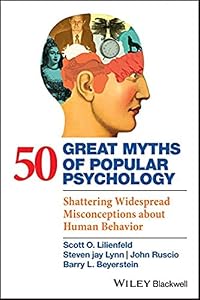
50 Great Myths of Popular Psychology: Shattering Widespread Misconceptions about Human Behavior
by Scott O. Lilienfeld, Barry L. Beyerstein, Steven Jay Lynn, John Ruscio
On This Page
Description
50 Great Myths of Popular Psychology uses popular myths as a vehicle for helping students and laypersons to distinguish science from pseudoscience. Uses common myths as a vehicle for exploring how to distinguish factual from fictional claims in popular psychology Explores topics that readers will relate to, but often misunderstand, such as 'opposites attract', 'people use only 10% of their brains', and 'handwriting reveals your personality' Provides a 'mythbusting kit' for evaluating folk show more psychology claims in everyday life Teaches essential critical thinking skills through detailed discussions of each myth Includes over 200 additional psychological myths for readers to explore Contains an Appendix of useful Web Sites for examining psychological myths Features a postscript of remarkable psychological findings that sound like myths but that are true Engaging and accessible writing style that appeals to students and lay readers alike show lessTags
Recommendations



Member Reviews
There would have to be something really wrong with this book for me not to like it - it debunks a lot more than just 50 myths of psychomythology (I love that phrase the authors used...adding it to the toolbox.) From only using 10% of our brains to out of body experiences to hypnosis to shock therapy being dangerous, these guys cover a lot of urban myths, commonly held beliefs, commonly told stories...and they back up their treatments.
I, being a psycho-anything skeptic, already looked into pretty much most of the myths, though #4, Visual Perceptions Are Accompanied by Tiny Emissions from the Eyes, was a new one. I disagree in part with #16, If You're Unsure of Your Answer When Taking a Test, It's Best to Stick with Your Initial Hunch. I show more think that unless you are not sure about any answer and have more confidence that your initial hunch is wrong, stick with it, but someday I'll read the references to see if I need to recalibrate my thinking.
The very good thing about this book that sets it apart from the last book I read (O'Reilly's fictional collaboration about a major religious figure)is that all the cites are there for the picking. If you don't buy into the debunking, or do and want to read more, the authors tell you where to find the studies/sources that they used to refute the myths.
Keeping this one handy in case I run into someone who think dreams actually have symbolic meaning or someone who thinks that holding anger in is bad.
Recommended. show less
I, being a psycho-anything skeptic, already looked into pretty much most of the myths, though #4, Visual Perceptions Are Accompanied by Tiny Emissions from the Eyes, was a new one. I disagree in part with #16, If You're Unsure of Your Answer When Taking a Test, It's Best to Stick with Your Initial Hunch. I show more think that unless you are not sure about any answer and have more confidence that your initial hunch is wrong, stick with it, but someday I'll read the references to see if I need to recalibrate my thinking.
The very good thing about this book that sets it apart from the last book I read (O'Reilly's fictional collaboration about a major religious figure)is that all the cites are there for the picking. If you don't buy into the debunking, or do and want to read more, the authors tell you where to find the studies/sources that they used to refute the myths.
Keeping this one handy in case I run into someone who think dreams actually have symbolic meaning or someone who thinks that holding anger in is bad.
Recommended. show less
Although I usually end up with a dissatisfied feeling when reading a book based on rave reviews, this one was not the case. It provides much needed corrective to some of the fuzzy thinking that pervades modern culture, particularly in the area of popularized psychology. He deals with the 50 myths one by one, and also provides a great many more related myths with the pertinent information in a shorter bit at the end of each chapter. Should be required reading for all people in professions that routinely invoke ideas of popular psychology, particularly for those doing motivational speaking.
People only use ten percent of their brains.
Playing Mozart with make a developing fetus turn into a smart child.
Students learn best when teaching styles match their learning styles.
There’s safety in numbers and opposites attract.
Those who confess to crimes are almost always actually guilty.
Shock therapy is brutal and hurts the patient.
These are popular perceptions of psychology in the everyday world and media. They are presented in television shows, movies, self-help guides, popular best-selling books, and proverbs. Most people, even college-educated people, believe these things to be true. But psychological research does not bear them out. Lilienfeld takes these and 43 other commonly-held perceptions about the mind the personality show more and presents the distinctions between scientific fact and mass media fiction. He helps his readers gain tools in critical thinking about media and science, understand the major features of psychological research from the last 50 years, and gain a fuller understanding of how the mind really works.
This would be an excellent supplement for freshmen psychology courses or for anyone hoping to know a little more about the fact behind some of these widely-held truisms. show less
Playing Mozart with make a developing fetus turn into a smart child.
Students learn best when teaching styles match their learning styles.
There’s safety in numbers and opposites attract.
Those who confess to crimes are almost always actually guilty.
Shock therapy is brutal and hurts the patient.
These are popular perceptions of psychology in the everyday world and media. They are presented in television shows, movies, self-help guides, popular best-selling books, and proverbs. Most people, even college-educated people, believe these things to be true. But psychological research does not bear them out. Lilienfeld takes these and 43 other commonly-held perceptions about the mind the personality show more and presents the distinctions between scientific fact and mass media fiction. He helps his readers gain tools in critical thinking about media and science, understand the major features of psychological research from the last 50 years, and gain a fuller understanding of how the mind really works.
This would be an excellent supplement for freshmen psychology courses or for anyone hoping to know a little more about the fact behind some of these widely-held truisms. show less
A bit dry but informative
De meeste mensen gebruiken maar 10% van hun hersenpotentieel. Met hypnose kun je verborgen herinneringen boven brengen. Traumatische ervaringen worden door je brein onderdrukt, zodat het lijkt alsof je ze vergeten bent. Baby's worden extra intelligent als je Mozart voor ze speelt. Bij volle maan worden er meer psychiatrische patiënten opgenomen. Door positief denken kun je kanker de baas worden. De televisie zegt dat het zo is, dus dan is het waar. Of niet? Nee dus. Dit zijn allemaal wijdverbreide fabeltjes waarvoor geen enkele steun is te vinden in gedegen wetenschappelijk onderzoek. Maar de makers van populaire tv-programma's en Hollywoodfilms, en schrijvers van zelfhulpboeken praten elkaar nu eenmaal allemaal na en zo kregen en show more behouden deze fabeltjes de status van feit. Als het maar verkoopt, nietwaar?
Vier psychologieprofessoren uit Amerika proberen hier wat te doen in hun boek. In lekker leesbare stijl, en altijd zeer uitgebreid gedocumenteerd met onderzoeken en meta-analyses ontkrachten ze misvatting na misvatting. Het boek is vooral geschreven voor de Amerikaanse markt en haalt veel Amerikaanse tv-series en films aan, maar vrijwel alles is ook voor de Nederlandse lezer relevant en herkenbaar. Ik moet eerlijk bekennen dat ik zelf ook de nodige psychologische misvattingen koesterde, bijvoorbeeld dat electroshocktherapie een wrede behandelmethode is die wordt gebruikt om lastige patiënten weer in het gareel te krijgen (One Flew over the Cuckoo's Nest) en dat je als voormalig alcoholist nooit meer zelfs maar een pilsje kunt drinken zonder meteen weer zwaar verslaafd te raken (teveel Amerikaanse tv-series om op te noemen).
Naast de moderne media blijkt ook Freud verantwoordelijk voor een groot aantal psychofabels (iets wat ik gelukkig wel al wist), bijvoorbeeld de stelling dat slecht psychisch functioneren altijd komt door een al dan niet verborgen jeugdtrauma (onzin, kan net zo goed door nare ervaringen op latere leeftijd komen), dat voorwerpen in dromen iets uit het onderbewuste symboliseren (onzin, meestal is een pen gewoon een pen), en dat maagzweren het gevolg zijn van onderdrukte psychische problemen (onzin, maagzweren worden veroorzaakt door een virus, waarbij stress als afweerverminderende omstandigheid wel een factor kan zijn, maar niet de veroorzaker is).
Dit is allemaal heel interessant en onderhoudend, maar waarom ik vooral iedereen aan zou willen raden dit boek te lezen is de mythbusting kit die de schrijvers aan hun lezers ter beschikking stellen: manieren om niet in de valkuilen van pseudowetenschap te vallen en fabeltjes te herkennen voor wat ze zijn. Een dergelijke gereedschapskist is hard nodig, want ons gezond verstand is lang niet altijd betrouwbaar, ons geheugen is dat nog minder en onze oordelen worden voortdurend gekleurd door ingebakken vooroordelen. Om die reden good scientists have adopted a set of safeguards - called the scientific method - for protecting themselves against them. The scientific method is a toolbox of skills designed to prevent scientists from fooling themselves. (p. 9)
Waarna een uiteenzetting volgt van de tien meestvoorkomende bronnen van misvattingen met betrekking tot psychologie, zoals een correlatie verwarren met causatie (dat wil zeggen elk verband meteen aanzien voor een oorzakelijk verband), selectief geheugen (de vele dingen die niet kloppen met wat we geloven vergeten of zelfs niet eens opmerken, de weinige dingen die wel daarmee stroken prominent in het geheugen opslaan) en de neiging om iets voor waar aan te nemen als we het maar vaak genoeg horen.
Conclusie: een boek dat niet alleen uitermate leerzaam en informatief is, maar ook nog eens prettig leest en onderhoudend is. Meteen aan Sinterklaas vragen.
http://annavangelderen.blogspot.com show less
Vier psychologieprofessoren uit Amerika proberen hier wat te doen in hun boek. In lekker leesbare stijl, en altijd zeer uitgebreid gedocumenteerd met onderzoeken en meta-analyses ontkrachten ze misvatting na misvatting. Het boek is vooral geschreven voor de Amerikaanse markt en haalt veel Amerikaanse tv-series en films aan, maar vrijwel alles is ook voor de Nederlandse lezer relevant en herkenbaar. Ik moet eerlijk bekennen dat ik zelf ook de nodige psychologische misvattingen koesterde, bijvoorbeeld dat electroshocktherapie een wrede behandelmethode is die wordt gebruikt om lastige patiënten weer in het gareel te krijgen (One Flew over the Cuckoo's Nest) en dat je als voormalig alcoholist nooit meer zelfs maar een pilsje kunt drinken zonder meteen weer zwaar verslaafd te raken (teveel Amerikaanse tv-series om op te noemen).
Naast de moderne media blijkt ook Freud verantwoordelijk voor een groot aantal psychofabels (iets wat ik gelukkig wel al wist), bijvoorbeeld de stelling dat slecht psychisch functioneren altijd komt door een al dan niet verborgen jeugdtrauma (onzin, kan net zo goed door nare ervaringen op latere leeftijd komen), dat voorwerpen in dromen iets uit het onderbewuste symboliseren (onzin, meestal is een pen gewoon een pen), en dat maagzweren het gevolg zijn van onderdrukte psychische problemen (onzin, maagzweren worden veroorzaakt door een virus, waarbij stress als afweerverminderende omstandigheid wel een factor kan zijn, maar niet de veroorzaker is).
Dit is allemaal heel interessant en onderhoudend, maar waarom ik vooral iedereen aan zou willen raden dit boek te lezen is de mythbusting kit die de schrijvers aan hun lezers ter beschikking stellen: manieren om niet in de valkuilen van pseudowetenschap te vallen en fabeltjes te herkennen voor wat ze zijn. Een dergelijke gereedschapskist is hard nodig, want ons gezond verstand is lang niet altijd betrouwbaar, ons geheugen is dat nog minder en onze oordelen worden voortdurend gekleurd door ingebakken vooroordelen. Om die reden good scientists have adopted a set of safeguards - called the scientific method - for protecting themselves against them. The scientific method is a toolbox of skills designed to prevent scientists from fooling themselves. (p. 9)
Waarna een uiteenzetting volgt van de tien meestvoorkomende bronnen van misvattingen met betrekking tot psychologie, zoals een correlatie verwarren met causatie (dat wil zeggen elk verband meteen aanzien voor een oorzakelijk verband), selectief geheugen (de vele dingen die niet kloppen met wat we geloven vergeten of zelfs niet eens opmerken, de weinige dingen die wel daarmee stroken prominent in het geheugen opslaan) en de neiging om iets voor waar aan te nemen als we het maar vaak genoeg horen.
Conclusie: een boek dat niet alleen uitermate leerzaam en informatief is, maar ook nog eens prettig leest en onderhoudend is. Meteen aan Sinterklaas vragen.
http://annavangelderen.blogspot.com show less
Nov 7, 2010Dutch
1
In vele populaire bronnen over psychologie, van boeken tot en met internet, staan allerlei mythen en misverstanden. Deze wijdverbreide opvattingen zijn in tegenspraak met de uitkomsten van psychologisch onderzoek en andere opvattingen zijn overdrijvingen of verdraaiingen van beweringen die een kern van waarheid bevatten. Na een overzicht van de omvangrijke wereld van de populaire psychologie en een beschrijving van de tien belangrijkste bronnen van deze mythen, worden vijftig algemeen bekende misvattingen behandeld. Bij elke misvatting wordt aangegeven wat de gangbaarheid bij het grote publiek is, worden illustratieve voorbeelden gegeven en worden mogelijke bronnen genoemd. Vervolgens wordt met behulp van resultaten van psychologisch show more onderzoek aangegeven wat wel waar is. Elk hoofdstuk eindigt met een lijst van andere misvattingen die nader onderzocht zouden moeten worden. Voor een breed publiek, zowel voor studerenden als geïnteresseerde leken, geschreven boek dat mede door de heldere taal en alle herkenbare voorbeelden een bijdrage levert aan de demythologisering. (Biblion) show less
Feb 3, 2012Dutch
Librería 3. Estante 2
Jul 26, 2019Spanish
Members
- Recently Added By
Lists

Psicología - Clásicos
165 works; 2 members

The Great Courses: The Learning Brain
61 works; 1 member
Author Information

19 Works 485 Members
3 Works 316 Members
17 Works 576 Members
4 Works 344 Members
Awards and Honors
Awards
Common Knowledge
- Original publication date
- 2010
- Epigraph
- Science must begin with myths and with the criticism of myths.
Sir Karl Popper (1957) - First words
- (Preface): Psychology is all around us.
(Introduction): You've probably heard these four proverbs many times before.
Whenever those of us who study the brain venture out of the Ivory Tower to give public lectures or media interviews, one of the questions we're most likely to encounter is, "Is it true that we only use 10% of our brains?" - Last words
- (Click to show. Warning: May contain spoilers.)At the same time, research on the effects of educational interventions on ECT gives us ample reason for hope, because it reminds us that the best means of combating psychological misinformation is providing people with accurate psychological information.
(Click to show. Warning: May contain spoilers.)(Postscript): As Albert Einstein reminded us, "all our science, measured against reality, is primitive and childlike -- and yet it is the most important thing we have" (quoted in Shermer, 2002, p. 43). - Blurbers
- Myers, David G.; Tavris, Carol; Shermer, Michael; Stanovich, Keith E.; Gilovich, Thomas
Classifications
Statistics
- Members
- 308
- Popularity
- 103,425
- Reviews
- 7
- Rating
- (3.88)
- Languages
- 6 — Dutch, English, Hungarian, Polish, Romanian, Spanish
- Media
- Paper, Audiobook, Ebook
- ISBNs
- 12
- ASINs
- 3