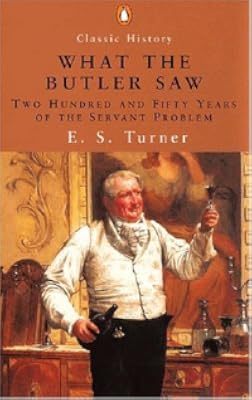
What the Butler Saw: Two Hundred and Fifty Years of the Servant Problem
by E. S. Turner
On This Page
Description
In the 18th century, a gentleman who employed less than a dozen servants was seen to be betraying his class, and a lady could go to her grave without ever having picked up her nightdress or made a cup of tea.Tags
Recommendations

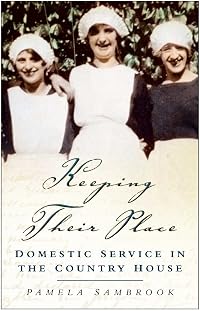









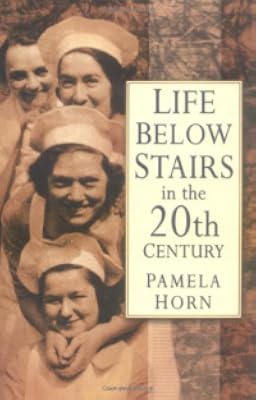
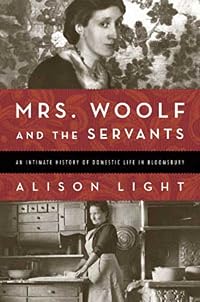

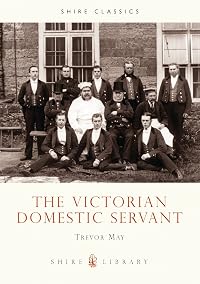




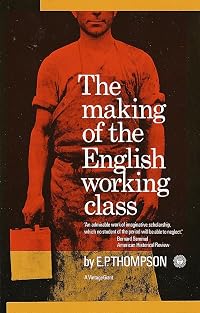
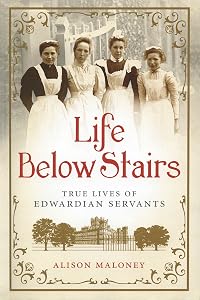
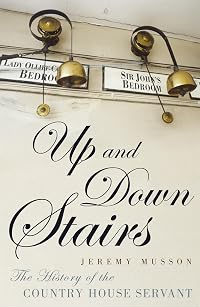









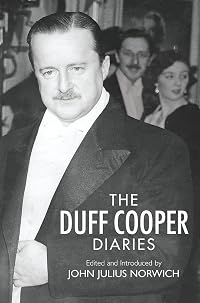







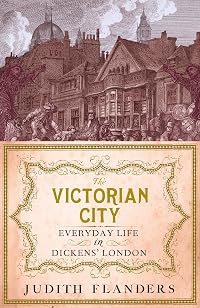


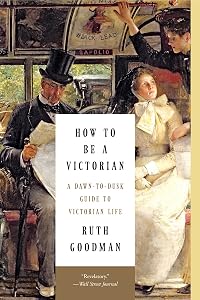

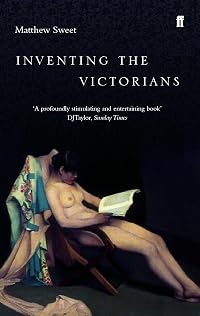
Member Recommendations

thorold It's fascinating to put these two classic studies of the relationship between the English upper classes and their domestic servants side-by-side: one a delicate psychological novel, the other a gossipy work of social history.
Member Reviews
A classic piece of anecdotal social history of the best sort: an agreeable, often very amusing book for the casual reader (in a Punch sort of way), but also a fairly serious attempt to present a balanced overview of domestic service as it was perceived by contemporaries in the 18th, 19th and 20th century. The book was originally published in 1962, but the recent Penguin edition comes with an "afterword" briefly summarising developments up to 2001. The main focus is on England, but there are a couple of chapters looking at the US, mainly through the eyes of British and European observers.
Turner draws on a broad range of sources. Apart from obvious things like mainstream contemporary novels, Punch, Henry Mayhew and Mrs Beeton, there are show more also plenty of references to newspapers, pamphlets, government reports, handbooks for servants, tombstones, journals and correspondence. Even the endless volumes of Horace Walpole's letters have been mined for nuggets about the domestic staff. The otherwise-ubiquitous Hannah Cullwick is absent, however: her papers hadn't been published yet in 1962. The quotations aren't scattered quasi-randomly, as you sometimes find in this sort of book, but are grouped intelligently to help us develop a coherent picture of what servants did, why they put up with being asked to do it, and how their employers thought about them.
Entertaining, and also useful background information for anyone who reads 18th or 19th century British novels (even for the puzzled viewer of Downton Abbey). It's also worth reflecting that most of us will have had relatives not all that far back who were paid to work 16-hour days sweeping grates and emptying chamberpots (one of my grandmothers and at least three of my great aunts were domestic servants, for example) - it's good to have an idea how people in that condition actually lived, if they're not around to ask any more. show less
Turner draws on a broad range of sources. Apart from obvious things like mainstream contemporary novels, Punch, Henry Mayhew and Mrs Beeton, there are show more also plenty of references to newspapers, pamphlets, government reports, handbooks for servants, tombstones, journals and correspondence. Even the endless volumes of Horace Walpole's letters have been mined for nuggets about the domestic staff. The otherwise-ubiquitous Hannah Cullwick is absent, however: her papers hadn't been published yet in 1962. The quotations aren't scattered quasi-randomly, as you sometimes find in this sort of book, but are grouped intelligently to help us develop a coherent picture of what servants did, why they put up with being asked to do it, and how their employers thought about them.
Entertaining, and also useful background information for anyone who reads 18th or 19th century British novels (even for the puzzled viewer of Downton Abbey). It's also worth reflecting that most of us will have had relatives not all that far back who were paid to work 16-hour days sweeping grates and emptying chamberpots (one of my grandmothers and at least three of my great aunts were domestic servants, for example) - it's good to have an idea how people in that condition actually lived, if they're not around to ask any more. show less
Interesting, if light, book on the history of "the servant problem" in England, Scotland and the United States from roughly Hogarth's time to World War II. Not meant as serious socio-economic history, but a collection of arch anecdotes on the subject, organized by topic. Gently entertaining.
An amusing book on servants and the servant problem, mainly in England, in the last three centuries or so. A little too socio-economic for true humor but there are a lot of interesting facts. It covers a subject not much referred to, but always there in both fiction and non-fiction history books.
It is fairly well-written and interesting but not worth buying (as I did). Get it from your library.
It is fairly well-written and interesting but not worth buying (as I did). Get it from your library.
A history and description of servants in England (with a couple of chapters about American servants) from 1700 to 1900+. As such it provides quite a description of everyday life both upstairs and down in the homes of the slightly rich to very rich.
Ratings
Members
- Recently Added By
Lists

Non-Fiction Worth Reading
1,015 works; 254 members
Author Information
21 Works 521 Members
E. S. Turner is a prolific freelance writer and journalist. He has contributed to Punch, the Sunday Telegraph, the Times Literary Supplement and many other journals
Series
Belongs to Publisher Series
Classifications
Statistics
- Members
- 102
- Popularity
- 310,921
- Reviews
- 4
- Rating
- (3.76)
- Languages
- English
- Media
- Paper, Ebook
- ISBNs
- 2
- ASINs
- 4