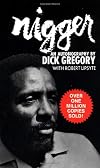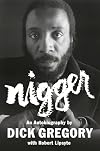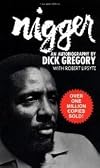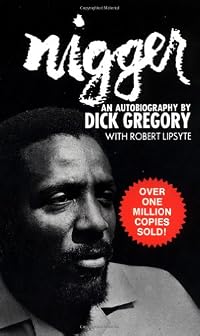
Nigger: An Autobiography
by Dick Gregory
On This Page
Description
Comedian and civil rights activist Dick Gregory's million-copy-plus bestselling memoir-now in trade paperback for the first time. "Powerful and ugly and beautiful...a moving story of a man who deeply wants a world without malice and hate and is doing something about it."-The New York Times Fifty-five years ago, in 1964, an incredibly honest and revealing memoir by one of the America's best-loved comedians and activists, Dick Gregory, was published. With a shocking title and breathtaking show more writing, Dick Gregory defined a genre and changed the way race was discussed in America. Telling stories that range from his hardscrabble childhood in St. Louis to his pioneering early days as a comedian to his indefatigable activism alongside Medgar Evers and Dr. Martin Luther King, Jr., Gregory's memoir riveted readers in the sixties. In the years and decades to come, the stories and lessons became more relevant than ever, and the book attained the status of a classic. The book has sold over a million copies and become core text about race relations and civil rights, continuing to inspire readers everywhere with Dick Gregory's incredible story about triumphing over racism and poverty to become an American legend. show lessTags
Recommendations






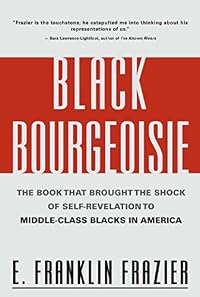
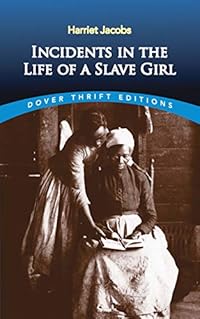

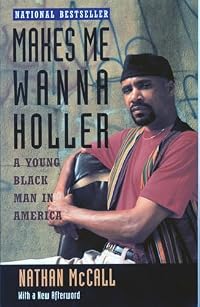




Member Recommendations
Member Reviews
This is my 2nd reading of this autobiography classic and as I write now, it has an average 4.34 over 6,825 ratings here on Goodreads. Wow, and with that a title that I am sure keeps it out of Walmart, at least. This still has a modern feel, both revealing and honest while poetic, ambitious and enlightening. This is a life story from difficult circumstances to hard-working comic entrepreneur to reluctant social activist Dick Gregory during the march and jailing apex of the American Civil Rights Movement.
You didn't die a slave for nothing, Momma. You brought us up. You and all those Negro mothers who gave their kids the strength to go on, to take that thimble to the well while the whites were taking buckets. Those of us who weren'tshow more
destroyed got stronger, got calluses on our souls. And now we're ready to change a system, a system where a white man can destroy a black man with a single word. Nigger.show less
"Dear Momma- Wherever you are, if you ever hear the word "nigger" again, remember, they are advertising my book."
Before I lend this book to my boss and risk its disappearance, I thought I'd transcribe a few of my favorite parts. On meeting his wife:
"She was so nervous while she was writing it down, she kept tearing the paper with her pencil point. I rolled up the paper and put it in my pocket. Lillian Smith stayed through the second show and the Sunday evening show and she kept staring at me like no one in Willard, Ohio, would ever believe she had actually talked to this great man. When I left that night with the girl I was dating at the time, I went over and said good night to Lillian. I thought it might give her a thrill to call her, show more just because she was so sure I wouldn't.
That night, back at Ozelle and William's I lay in bed and thought about that face staring up at me, that soft, little-girl face so out of place in a night club. It suddenly dawned on me that my mother would have looked that way if she had ever been to a night club. I had a dream that night about Momma, and I was Richard again, and she came off the streetcar and ran into the house and said: "Richard, oh, Richard, I spoke to the star of the show, Harry Belafonte, I talked to Harry Belafonte" and I said: "No, Momma," and she said: "Yes, I did, I really did, and he's going to call me on the phone." When I woke up that Monday morning and I could almost see her expression over the phone. I just talked to her, and told her I'd call her back soon and we'd have lunch."
(!!!)
On meeting a convict after a show he plays in a prison:
"He was an artist, and he asked me if I'd like to see his work. I did. When I saw it I got weak in the knees. He had drawings of women, of what he thought women looked like. But every one had a man's face, a man's eyes, a man's nose, a man's jaw, a man's lips. They had long hair and they had breasts and they were wearing lipstick and dresses. But every one was really a man.
It was so weird that a man should think he was drawing a woman and he was really drawing a man. But that convict had only seen men for fifty years; those male faces were all he knew. And I talked to Lil about it and the more we talked and the more I thought about it, the more frightened I got. If you had told that old man that his drawings were all wrong he would have called you a liar and been ready to fight. And then Lil and I carried it one step further. If you were born and raised in America, and hate and fear and racial prejudice are all you've ever known, if they're all you've ever seen..."
On a call he gets after the death of his son:
"I started toward her and the phone rang. It was a long-distance call from Alabama, collect. I accepted the charges. It was a white woman.
"Mister Gregory?"
"Yes, ma'am."
"I just heard on the radio that your son died, and let me tell you it serves you right, I'm real glad that happened, you coming down here where you don't belong and stirring up all..."
"I'm glad, too. I had five million dollars' worth of insurance on him."
There was a long silence, and then she said: "I'm sorry, please forgive me."
Such an awe-inspiring, beautifully written and sincerely felt memoir. I hope I get this back. show less
Before I lend this book to my boss and risk its disappearance, I thought I'd transcribe a few of my favorite parts. On meeting his wife:
"She was so nervous while she was writing it down, she kept tearing the paper with her pencil point. I rolled up the paper and put it in my pocket. Lillian Smith stayed through the second show and the Sunday evening show and she kept staring at me like no one in Willard, Ohio, would ever believe she had actually talked to this great man. When I left that night with the girl I was dating at the time, I went over and said good night to Lillian. I thought it might give her a thrill to call her, show more just because she was so sure I wouldn't.
That night, back at Ozelle and William's I lay in bed and thought about that face staring up at me, that soft, little-girl face so out of place in a night club. It suddenly dawned on me that my mother would have looked that way if she had ever been to a night club. I had a dream that night about Momma, and I was Richard again, and she came off the streetcar and ran into the house and said: "Richard, oh, Richard, I spoke to the star of the show, Harry Belafonte, I talked to Harry Belafonte" and I said: "No, Momma," and she said: "Yes, I did, I really did, and he's going to call me on the phone." When I woke up that Monday morning and I could almost see her expression over the phone. I just talked to her, and told her I'd call her back soon and we'd have lunch."
(!!!)
On meeting a convict after a show he plays in a prison:
"He was an artist, and he asked me if I'd like to see his work. I did. When I saw it I got weak in the knees. He had drawings of women, of what he thought women looked like. But every one had a man's face, a man's eyes, a man's nose, a man's jaw, a man's lips. They had long hair and they had breasts and they were wearing lipstick and dresses. But every one was really a man.
It was so weird that a man should think he was drawing a woman and he was really drawing a man. But that convict had only seen men for fifty years; those male faces were all he knew. And I talked to Lil about it and the more we talked and the more I thought about it, the more frightened I got. If you had told that old man that his drawings were all wrong he would have called you a liar and been ready to fight. And then Lil and I carried it one step further. If you were born and raised in America, and hate and fear and racial prejudice are all you've ever known, if they're all you've ever seen..."
On a call he gets after the death of his son:
"I started toward her and the phone rang. It was a long-distance call from Alabama, collect. I accepted the charges. It was a white woman.
"Mister Gregory?"
"Yes, ma'am."
"I just heard on the radio that your son died, and let me tell you it serves you right, I'm real glad that happened, you coming down here where you don't belong and stirring up all..."
"I'm glad, too. I had five million dollars' worth of insurance on him."
There was a long silence, and then she said: "I'm sorry, please forgive me."
Such an awe-inspiring, beautifully written and sincerely felt memoir. I hope I get this back. show less
I mentioned I was a sucker for a provocative title when I reviewed Nigger: The Strange Career of a Troublesome Word, and one of my friends (Hi, Dave!) pointed me toward this.
I was not very familiar with Dick Gregory before cracking the cover, and in many ways I feel I still am not since this autobiography only goes up through 1963 as he is first breaking big in his stand-up career and starting his involvement with the Civil Rights Movement.
Nearly half the book is given over to his childhood of poverty and his success as a high school and collegiate runner. It's often heartbreaking and disturbing, but sometimes suffers from that sort of old man embellished storytelling -- y'know, like, I went to and from school in a giant blizzard uphill show more both ways -- with Gregory frequently reminding us that he was a bullshit artist and hustler, casting a bit of doubt over the reliability of his narration.
The portion about his comedy routines is a bit lacking in the actual jokes he told but includes enough to make me want to seek out some of his recorded performances.
The final section is the most dramatic as he uses his fame to bring attention to the growing Civil Rights Movement, but he breezes in and out of events and locations pretty quickly, flying into a southern state for a protest and flying out to perform a show across the country. A personal tragedy gets twined awkwardly into this section, and then the book abruptly ends with a brilliant speech he gives in Selma to help promote a voter registration drive.
I don't think this is an ideal introduction to Dick Gregory for someone as ignorant of him as I was, but it has certainly whetted my appetite to learn more about him. show less
I was not very familiar with Dick Gregory before cracking the cover, and in many ways I feel I still am not since this autobiography only goes up through 1963 as he is first breaking big in his stand-up career and starting his involvement with the Civil Rights Movement.
Nearly half the book is given over to his childhood of poverty and his success as a high school and collegiate runner. It's often heartbreaking and disturbing, but sometimes suffers from that sort of old man embellished storytelling -- y'know, like, I went to and from school in a giant blizzard uphill show more both ways -- with Gregory frequently reminding us that he was a bullshit artist and hustler, casting a bit of doubt over the reliability of his narration.
The portion about his comedy routines is a bit lacking in the actual jokes he told but includes enough to make me want to seek out some of his recorded performances.
The final section is the most dramatic as he uses his fame to bring attention to the growing Civil Rights Movement, but he breezes in and out of events and locations pretty quickly, flying into a southern state for a protest and flying out to perform a show across the country. A personal tragedy gets twined awkwardly into this section, and then the book abruptly ends with a brilliant speech he gives in Selma to help promote a voter registration drive.
I don't think this is an ideal introduction to Dick Gregory for someone as ignorant of him as I was, but it has certainly whetted my appetite to learn more about him. show less
I read this book when I was in junior high. It had a huge impact on my thinking on racial issues. While I had dealt with this issues in some way, attending an integrated school and living in a multi-racial family, this was probably the first contact I had with the most ugly aspects of Jim Crow and our shameful racial history.
I read this book when I was in junior high. It had a huge impact on my thinking on racial issues. While I had dealt with this issues in some way, attending an integrated school and living in a multi-racial family, this was probably the first contact I had with the most ugly aspects of Jim Crow and our shameful racial history.
Dick Gregory, born 1932 in St. Louis, single mother.
This is an autobiography of a starved track star, smoking nutritionist, spontaneous "current events" commentator, devoted family man and night playboy club show empresario, satiric civil rights leader, and supreme ironist.
His mother (Lucille 1904-1953 [photo in book] died before Gregory became successful as a comedian/publisher. But he addresses his maternal ancestors in the book - telling "Momma" that someday "there won't be any niggers any more", and "whenever you hear the word, remember, they're just advertising my book".
"Good evening ladies and gentlemen. I understand there are a good many Southerners in the room tonight. I know the South very well. I spent twenty years there one show more night....
It's dangerous for me to go back. You see, when I drink, I think I'm Polish. One night I got so drunk I moved out of my own neighborhood...
Last time I was down South I walked into this restaurant, and this white waitress came up to me and said 'We don't serve colored people here'.
I said 'That's all right. I don't eat colored peole. Bring me a whole fried chicken.'
About that time these three cousins come in, you know the ones I mean, Klu, Kluck, and LKlan, and they say 'Bory, we're givin' you fair warnin'. Anything you do to that chicken, we're gonna do to you.' About then the waitress brought me my chicken. 'Remember, boy, anything you do to that chicken, we're gonna do to you.' So I put down my knife and fork, and I picked up that chicken, and I kissed it". [144]
Note: Up from Nigger. show less
This is an autobiography of a starved track star, smoking nutritionist, spontaneous "current events" commentator, devoted family man and night playboy club show empresario, satiric civil rights leader, and supreme ironist.
His mother (Lucille 1904-1953 [photo in book] died before Gregory became successful as a comedian/publisher. But he addresses his maternal ancestors in the book - telling "Momma" that someday "there won't be any niggers any more", and "whenever you hear the word, remember, they're just advertising my book".
"Good evening ladies and gentlemen. I understand there are a good many Southerners in the room tonight. I know the South very well. I spent twenty years there one show more night....
It's dangerous for me to go back. You see, when I drink, I think I'm Polish. One night I got so drunk I moved out of my own neighborhood...
Last time I was down South I walked into this restaurant, and this white waitress came up to me and said 'We don't serve colored people here'.
I said 'That's all right. I don't eat colored peole. Bring me a whole fried chicken.'
About that time these three cousins come in, you know the ones I mean, Klu, Kluck, and LKlan, and they say 'Bory, we're givin' you fair warnin'. Anything you do to that chicken, we're gonna do to you.' About then the waitress brought me my chicken. 'Remember, boy, anything you do to that chicken, we're gonna do to you.' So I put down my knife and fork, and I picked up that chicken, and I kissed it". [144]
Note: Up from Nigger. show less
The title stopped me, and the synopsis melted my heart. Truely an example of how a positive attitude is key to surviving all manner of atrocities
Members
- Recently Added By
Author Information

29+ Works 1,374 Members
Dick Gregory (1932-2017) was a comedian, civil rights activist, and cultural icon who first performed in public in the 1950s. He is on Comedy Central's list of "100 Greatest Standups" and was the author of sixteen books, most notably, the bestselling classic Nigger: An Autobiography and the NAACP Image Award-winning Defining Moments in Black show more History. show less
All Editions
Common Knowledge
- Canonical title
- Nigger: An Autobiography
- Original publication date
- 1964
- People/Characters
- Dick Gregory (Richard Claxton Gregory); Lucille Gregory (mother of Dick Gregory); Presley Gregory (father of Dick Gregory); Presley Gregory Jr. (brother of Dick Gregory); Dolores Gregory (sister of Dick Gregory); Ronald Gregory (brother of Dick Gregory) (show all 36); Garland Gregory (brother of Dick Gregory); Pauline Gregory (sister of Dick Gregory); Helene Tucker; Charles "Boo" Simmons; Warren St. James (coach); Leland P. "Doc" Lingle (coach); Jim "Tank" Ellis; Ozelle Underwood; William Underwood; Lillian Gregory (née Lillian Smith, wife of Dick Gregory); Sally Wells; Ira Murchison; Michele Gregory (daughter of Dick and Lillian Gregory); Lynne Lucille Gregory (daughter of Dick and Lillian Gregory); Richard Claxton Gregory Jr. (son of Dick and Lillian Gregory); Herman Roberts; Sammy Davis, Jr.; Nipsey Russell; Hugh Hefner; Tim Boxer; Jack Paar; Medgar Evers; Roy Wilkins; Leona Smith (mother of Clyde Kennard); Clyde Kennard (son of Leona Smith); James Meredith; Jim Sanders; Martin Luther King, Jr.; Bob Johnson; Bayard Rustin
- Important places
- St. Louis, Missouri, USA; Southern Illinois University, Carbondale, Illinois, USA; Carbondale, Illinois, USA; Chicago, Illinois, USA; Greenwood, Mississippi, USA; Birmingham, Alabama, USA (show all 8); Jackson, Mississippi, USA; Selma, Alabama, USA
- Important events
- Civil Rights Movement, USA
- Dedication
- Dear Momma -- Wherever you are, if you ever hear the word "nigger" again, remember they are advertising my book.
This page is for Marjorie Rubin, who helped to make all the other pages possible. - First words
- Richard Claxton Gregory was born on Columbus Day, 1932.
It's a sad and beautiful feeling to walk home slow on Christmas Eve after you've been out hustling all day, shining shoes in the white taverns and going to the store for the neighbors and buying and stealing presents from the... (show all) ten-cent store, and now it's dark and still along the street and your feet feel warm and sweaty inside your tennis sneakers even if the wind finds the holes in your mittens. - Last words
- (Click to show. Warning: May contain spoilers.)When we're through, Momma, there won't be any niggers any more.
- Original language
- English
Classifications
- Genres
- Biography & Memoir, Nonfiction, General Nonfiction, History
- DDC/MDS
- 792.7028092 — Arts & recreation Recreation, sports, and performing arts Theater: Plays, Ballet, Opera Variety shows and theatrical dancing; burlesque, cabaret, vaudeville, music hall, nightclubs modified standard subdivisions Techniques, procedures, apparatus, equipment, materials, miscellany Acting and performance standard subdivisions History, geographic treatment, biography Biography
- LCC
- PN2287 .G68 .A3 — Language and Literature Literature (General) Literature (General) Drama Dramatic representation. The theater Special regions or countries
- BISAC
Statistics
- Members
- 578
- Popularity
- 50,717
- Reviews
- 12
- Rating
- (4.08)
- Languages
- English
- Media
- Paper, Audiobook, Ebook
- ISBNs
- 17
- ASINs
- 17