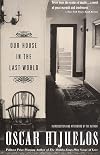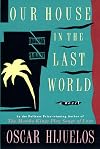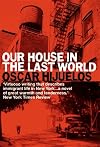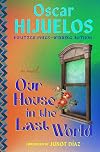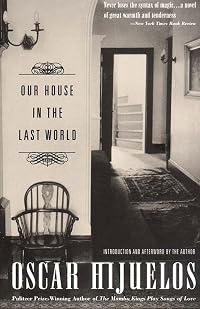
Our House in the Last World
by Oscar Hijuelos
On This Page
Description
This debut novel by the Pulitzer Prize-winning author of The Mambo Kings Play Songs of Love, bears all the hallmarks of Hijuelos's later work-exuberance, passion, honesty, and humor. Filled with the sights and sounds of Cuba's Oriente province and New York City, the music and films of the fifties, lusty fantasies and the toughest of life's realities, it is the unforgettable story of Hector Santinio, the American-born son of Cuban immigrants, who is haunted by tales of "home" (a Cuba he has show more never seen) and by the excesses and then the death of his loving father. This edition includes a new autobiographical introduction by the author, reflecting on how he came to write Our House in the Last World, and a new afterword in which he comments on the story. show lessTags
Recommendations



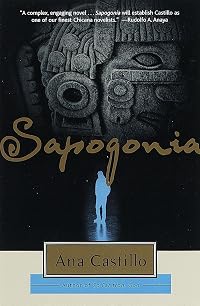

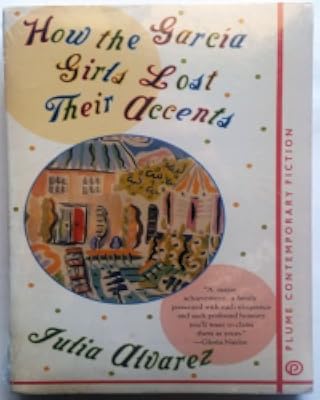
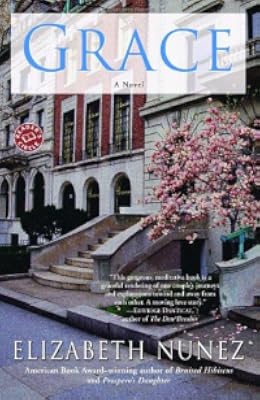
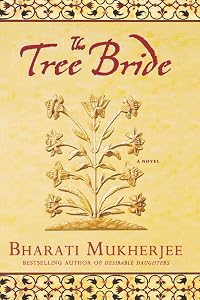







Member Reviews
3.5***
Hijuelos’ debut novel spans five decades, telling the story of the Santinio family from 1929 in Cuba to 1975 in New York. Alejo and Mercedes emigrate to New York City from Cuba in 1943, where he finds work as a cook in a fancy hotel and she tries to make a life in an apartment so far from her childhood estate. They have two sons, Horacio and Hector, who struggle with their own identities; are they Americans or Cubans? It is a love story, a family saga, a coming-of-age story, and a novel of the immigrant experience.
Alejo is a man who has never met a stranger. He is exuberant and generous, always the life of the party, a loyal friend and a ladies’ man. But he is consumed by want. His life is not what he envisioned and he show more cannot understand how things went so wrong. He drinks to drown his sorrows and descends into melancholy. He doesn’t recognize how his actions push his children away, when all he wants is to be recognized as THE MAN and a FATHER to be respected.
Mercedes is a woman who lives in the past. She cannot let go of past glories of life with her father when she was a young girl. She loves Alejo, but the man he has become is a stranger to her. She is alone because of her lack of English and her reliance on saints and signs and dreams and mysticism. Fiercely protective of her children she doesn’t recognize that her smothering is harming them rather than helping them.
Horacio grows as a nearly feral child. Clearly his parents’ violent arguments affect him and he turns to his friends and to the streets, finally escaping into the U.S. Air Force.
And baby Hector is trapped in his own skin and desperately seeking an escape. He is neither Cuban nor American. Neither a man nor a son. His father dotes on him, but he cannot return the affection of this man who is so unreliable and prone to drunken violence.
Hijuelos’s writing is vivid and passionate, with scenes that are ethereal and full of mysticism contrasted with scenes of brutal reality. People yell in anger, whoop in celebration, cry in despair and wallow in silence. show less
Hijuelos’ debut novel spans five decades, telling the story of the Santinio family from 1929 in Cuba to 1975 in New York. Alejo and Mercedes emigrate to New York City from Cuba in 1943, where he finds work as a cook in a fancy hotel and she tries to make a life in an apartment so far from her childhood estate. They have two sons, Horacio and Hector, who struggle with their own identities; are they Americans or Cubans? It is a love story, a family saga, a coming-of-age story, and a novel of the immigrant experience.
Alejo is a man who has never met a stranger. He is exuberant and generous, always the life of the party, a loyal friend and a ladies’ man. But he is consumed by want. His life is not what he envisioned and he show more cannot understand how things went so wrong. He drinks to drown his sorrows and descends into melancholy. He doesn’t recognize how his actions push his children away, when all he wants is to be recognized as THE MAN and a FATHER to be respected.
Mercedes is a woman who lives in the past. She cannot let go of past glories of life with her father when she was a young girl. She loves Alejo, but the man he has become is a stranger to her. She is alone because of her lack of English and her reliance on saints and signs and dreams and mysticism. Fiercely protective of her children she doesn’t recognize that her smothering is harming them rather than helping them.
Horacio grows as a nearly feral child. Clearly his parents’ violent arguments affect him and he turns to his friends and to the streets, finally escaping into the U.S. Air Force.
And baby Hector is trapped in his own skin and desperately seeking an escape. He is neither Cuban nor American. Neither a man nor a son. His father dotes on him, but he cannot return the affection of this man who is so unreliable and prone to drunken violence.
Hijuelos’s writing is vivid and passionate, with scenes that are ethereal and full of mysticism contrasted with scenes of brutal reality. People yell in anger, whoop in celebration, cry in despair and wallow in silence. show less
Covering basically the 1930s thru the '70s, this multi-generational Cuban-American family epic goes from the aristocratic Sorrea family in eastern Cuba to Mercedes, the second of three daughters, who sees the ghost of her father frequently and dreams. She marries Alejo Santinio who wants a more exciting life away from rural Cuba and decides to emigrate with Mercedes to the United States. tye have the boys Hector and older brother Horacio. This becomes Hector's tale who seems to have inherited his mother's phantasmagoric sensitivities. The changes in Cuba up to Castro and the United States over those decades is the backdrop. What I liked most about this novel is the flavor of the dream-like recollections, relying on wistful passages and show more little dialogue. This is a delicate balance for the author, as the story threatens to drift away, unmoored by the delicate prose and description. However, it proves a firm enough foundation to support a reincarnation recollection back to Columbus. show less
A Cuban-family move to the US, but aren't able to leave their homeland behind. Mercedes, after thinking she's missed her chance to marry, meets Alejo at the cinema where she works. Mercedes settles into her life as a wife and mother, though finds it hard to reconcile herself with her family's former standing on the island. The young couple decide to move to New York, but life there isn't what they expected.
An absorbing read about an immigrant family, with all the problems that immigration comes with - missing home, fitting in, language barriers, children trying to come to terms with being caught between a country they live in and the one they are originally from.
An absorbing read about an immigrant family, with all the problems that immigration comes with - missing home, fitting in, language barriers, children trying to come to terms with being caught between a country they live in and the one they are originally from.
Ratings
Members
- Recently Added By
Author Information

16+ Works 4,846 Members
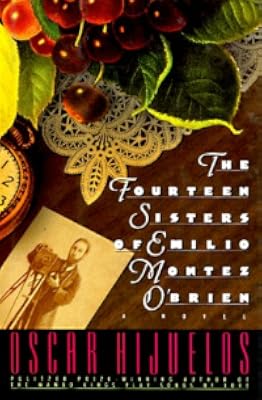
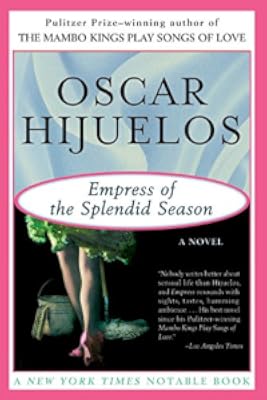
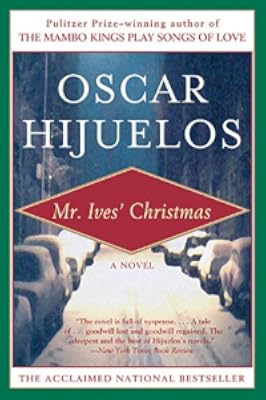
Óscar Jerome Hijuelos was born in Manhattan, New York on August 24, 1951 to Cuban immigrant parents. He received a bachelor's degree and a master of fine arts degree from City College. His first novel, Our House in the Last World, was published in 1983 and won the Rome Prize of the American Academy of Arts and Letters. His other works include The show more Fourteen Sisters of Emilio Montez O'Brien, Mr. Ives' Christmas, Empress of the Splendid Season, A Simple Habana Melody (From When the World was Good), Beautiful Maria of My Soul, Another Spaniard in the Works, and Twain and Stanley Enter Paradise. His novel, The Mambo Kings Play Songs of Love, won the 1990 Pulitzer Prize for fiction and was made into a 1992 movie starring Armand Assante and Antonio Banderas. He also wrote a young adult novel entitled Dark Dude and a memoir entitled Thoughts Without Cigarettes. In 2000, he received the Hispanic Heritage Award for Literature. He died after collapsing with a heart attack while playing tennis on October 12, 2013 at age 62. (Bowker Author Biography) show less
Awards and Honors
Awards
Classifications
Statistics
- Members
- 214
- Popularity
- 152,762
- Reviews
- 3
- Rating
- (3.59)
- Languages
- Dutch, English, German, Spanish
- Media
- Paper, Ebook
- ISBNs
- 17
- ASINs
- 2