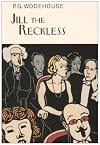
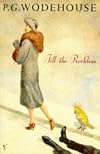
Jill the Reckless
by P. G. Wodehouse
On This Page
Description
In many ways, Jill Mariner has it made: born into a family with money and blessed with good looks and smarts, she's looking forward to a lifetime of love and leisure as the book opens. But she soon finds out that life has a funny way of upending one's expectations. When everything changes in an instant, Jill finds herself penniless and looking for love. Will she learn how to make her way in the world? Read The Little Warrior to find out..
Tags
Recommendations





















Member Reviews
When Jill's inheritance, due to a bad investment, disappears, right after she is jilted by Sir Derek because his mother disapproves of her, she flees with her con man uncle to New York. She joins a chorus of a musical, much to the disapproval of her childhood friend, Wally. An engaging story ensues, of how Jill insists on making her own way in the world, turning down a proposal from the musical's producer, and finally realizing that Wally, who loves her, will respect her individuality without oppressing her. She refuses Derek when he finally comes after her with a half-hearted repentance, and realizes she is really over him.
[This is an old review, and I had to guess at a star rating. I listened to the LibriVox recording, which can be downloaded here.]
There are times when listening to audio books makes my work go faster. Jill the Reckless made for perfect work-time listening – it was light and funny, and if I happened not to hear every single word it didn't really matter.
When I first started this book, I wasn't sure I'd like Jill. She was very naive, believing that her and Derek's love could easily withstand anything Derek's mother might throw at them. When her Uncle Chris lost all her money, Jill felt more sorry for Chris than for herself, seemingly unaware that her life had just been turned upside down. Of course, at the time she still figured she'd show more be marrying Derek soon, so I suppose money really wasn't all that big of a concern to her. Jill was nice, almost to a fault – she didn't get even a little angry at her Uncle Chris, despite the fact that anger would have been a perfectly natural emotion for her to feel.
Considering how broke Jill was during most of the book, I'm still not quite sure how she managed to do some things, like traveling to New York to find Uncle Chris. I have no idea how much that would have cost, but I would have thought it was more than she could afford. Maybe if I had been reading the book, rather than listening to it, things like that would have bothered me more.
Because I was listening to it, I mostly just sat back and enjoyed the humor. I appreciated that, although the cast of characters was fairly large, it was still easy to remember who everyone was and what part they played in the story. Derek was a bit of a jerk. His friend Freddie was a genial sort, but not very bright. Uncle Chris was a con-man to his very marrow – one of his few redeeming features was his affection for Jill and desire to make things right by her again (although she wouldn't have had any money problems if he hadn't caused them in the first place). Even the more minor recurring characters tended to be easy to remember and tell apart.
I think the main reason I started to really like Jill was that, although she was naive and nice to a fault, she also had a spine and would only take so much. When Jill was sent to live with Mr. and Mrs. Mariner, she understood that her position was that of a poor relation. Since she had no money, she accepted that she had to repay them in other ways. When Mrs. Mariner asked Jill to read aloud to her, Jill did so without complaint, even though she disliked reading aloud. However, she wasn't a doormat, so when it became clear that she would take on the duties of the Mariners' hired man after he quit, she left at the first opportunity. There were a couple times near the end of the book when Jill was so awesome that I could barely contain my joy, even though she backtracked during one of those awesome moments because she discovered that her success would have come at the result of someone else having been cheated - like I said, Jill is very nice.
Besides Jill, another thing I liked about the book was its romance. Since Jill had both a spine and her pride, she didn't even consider getting back together with Derek when he decided he'd changed his mind about dumping her – thank goodness! She also didn't jump at the first opportunity to end up with another guy, no matter how nice that other guy was. As she said, she had to get past her residual feelings for Derek before she could even think about being with anyone else. As nice as Wally seemed, I wasn't keen on him being her rebound guy, so I was glad of this.
I didn't like the romance between Nelly and Freddie as much as I liked the romance between Jill and Wally, but that was mostly because I was kind of iffy about Nelly. Unlike Jill, Nelly was much more meek. She basically put Freddie on a pedestal - not so surprising, since he gave her much-needed money and asked nothing in return. My problem with this was that Nelly never seemed to realize that Freddie asked for nothing in return not only because he was a nice guy and she was a damsel in distress, but also because the money didn't mean nearly as much to him as it did to her. Also, I felt that Freddie's "love" for Nelly was as much due to her agreeable nature as anything else. He could say something completely idiotic, and I imagine Nelly would still smile and nod as though his every word were gold. Had Nelly and Freddie taken up a larger portion of the book, I might not have enjoyed it so much. Happily, Jill and Wally were the more prominent couple and were, in my opinion, on much more equal footing with each other.
Overall, this was a fun read that put a smile on my face and left me in a good mood after I'd finished. I have a feeling my work-time listening will include more of Librivox's Wodehouse offerings if they're all as enjoyable as this.
I suppose that, since this is an audio book, I should say a bit about the reader. He took a bit for me to get used to - one of these days, I would love to listen to a Wodehouse book read by an English reader. There were times I could practically hear Jenkins reading from a sheet of paper, but at other times he sounded much smoother and more natural. I thought he did a particularly good job with Wally and Uncle Chris's "voices."
(Original review, with read-alikes and watch-alikes, posted on A Library Girl's Familiar Diversions.) show less
There are times when listening to audio books makes my work go faster. Jill the Reckless made for perfect work-time listening – it was light and funny, and if I happened not to hear every single word it didn't really matter.
When I first started this book, I wasn't sure I'd like Jill. She was very naive, believing that her and Derek's love could easily withstand anything Derek's mother might throw at them. When her Uncle Chris lost all her money, Jill felt more sorry for Chris than for herself, seemingly unaware that her life had just been turned upside down. Of course, at the time she still figured she'd show more be marrying Derek soon, so I suppose money really wasn't all that big of a concern to her. Jill was nice, almost to a fault – she didn't get even a little angry at her Uncle Chris, despite the fact that anger would have been a perfectly natural emotion for her to feel.
Considering how broke Jill was during most of the book, I'm still not quite sure how she managed to do some things, like traveling to New York to find Uncle Chris. I have no idea how much that would have cost, but I would have thought it was more than she could afford. Maybe if I had been reading the book, rather than listening to it, things like that would have bothered me more.
Because I was listening to it, I mostly just sat back and enjoyed the humor. I appreciated that, although the cast of characters was fairly large, it was still easy to remember who everyone was and what part they played in the story. Derek was a bit of a jerk. His friend Freddie was a genial sort, but not very bright. Uncle Chris was a con-man to his very marrow – one of his few redeeming features was his affection for Jill and desire to make things right by her again (although she wouldn't have had any money problems if he hadn't caused them in the first place). Even the more minor recurring characters tended to be easy to remember and tell apart.
I think the main reason I started to really like Jill was that, although she was naive and nice to a fault, she also had a spine and would only take so much. When Jill was sent to live with Mr. and Mrs. Mariner, she understood that her position was that of a poor relation. Since she had no money, she accepted that she had to repay them in other ways. When Mrs. Mariner asked Jill to read aloud to her, Jill did so without complaint, even though she disliked reading aloud. However, she wasn't a doormat, so when it became clear that she would take on the duties of the Mariners' hired man after he quit, she left at the first opportunity. There were a couple times near the end of the book when Jill was so awesome that I could barely contain my joy, even though she backtracked during one of those awesome moments because she discovered that her success would have come at the result of someone else having been cheated - like I said, Jill is very nice.
Besides Jill, another thing I liked about the book was its romance. Since Jill had both a spine and her pride, she didn't even consider getting back together with Derek when he decided he'd changed his mind about dumping her – thank goodness! She also didn't jump at the first opportunity to end up with another guy, no matter how nice that other guy was. As she said, she had to get past her residual feelings for Derek before she could even think about being with anyone else. As nice as Wally seemed, I wasn't keen on him being her rebound guy, so I was glad of this.
I didn't like the romance between Nelly and Freddie as much as I liked the romance between Jill and Wally, but that was mostly because I was kind of iffy about Nelly. Unlike Jill, Nelly was much more meek. She basically put Freddie on a pedestal - not so surprising, since he gave her much-needed money and asked nothing in return. My problem with this was that Nelly never seemed to realize that Freddie asked for nothing in return not only because he was a nice guy and she was a damsel in distress, but also because the money didn't mean nearly as much to him as it did to her. Also, I felt that Freddie's "love" for Nelly was as much due to her agreeable nature as anything else. He could say something completely idiotic, and I imagine Nelly would still smile and nod as though his every word were gold. Had Nelly and Freddie taken up a larger portion of the book, I might not have enjoyed it so much. Happily, Jill and Wally were the more prominent couple and were, in my opinion, on much more equal footing with each other.
Overall, this was a fun read that put a smile on my face and left me in a good mood after I'd finished. I have a feeling my work-time listening will include more of Librivox's Wodehouse offerings if they're all as enjoyable as this.
I suppose that, since this is an audio book, I should say a bit about the reader. He took a bit for me to get used to - one of these days, I would love to listen to a Wodehouse book read by an English reader. There were times I could practically hear Jenkins reading from a sheet of paper, but at other times he sounded much smoother and more natural. I thought he did a particularly good job with Wally and Uncle Chris's "voices."
(Original review, with read-alikes and watch-alikes, posted on A Library Girl's Familiar Diversions.) show less
A thoroughly enjoyable Wodehouse book that I had not previously read. Jill is impulsive but very kind-hearted; to call her 'Reckless' seems a tad unfair. Perhaps the word has changed a little in meaning since the book was first published in 1920.
I found Jill a surprisingly realistic and likeable character who remains mostly positive and resourceful despite all kinds of problems and disasters around her. She is surrounded by more typical stereotyped Wodehouse characters, and deals well with all of them, whatever their class, or status, or income.
The action takes place in the upper classes of London and the chorus girls of a New York show, and Jill seems equally at home in both. Typical Wodehouse banter and unlikely situations, and a show more positive ending.
Highly recommended.
Full review here: https://suesbookreviews.blogspot.com/2019/08/jill-reckless-by-pg-wodehouse.html show less
I found Jill a surprisingly realistic and likeable character who remains mostly positive and resourceful despite all kinds of problems and disasters around her. She is surrounded by more typical stereotyped Wodehouse characters, and deals well with all of them, whatever their class, or status, or income.
The action takes place in the upper classes of London and the chorus girls of a New York show, and Jill seems equally at home in both. Typical Wodehouse banter and unlikely situations, and a show more positive ending.
Highly recommended.
Full review here: https://suesbookreviews.blogspot.com/2019/08/jill-reckless-by-pg-wodehouse.html show less
I found this to be one of P. G. Wodehouse’s patchy novels. The opening chapters suggest that this will be classic Wodehouse, featuring some highly entertaining scenarios, but after the main characters leave England for America and become involved with a theatrical production, the story takes a nosedive.
Many a time I found myself skipping big paragraphs that have little to offer. I didn’t find much if anything humorous about the lengthy theatre scenes. Some of the rehearsal sequences were pure tedium.
Luckily the title character is entertaining – or at least she is when taken away from the theatre and given the opportunity to shine. But while Jill is great, her Uncle Chris bugs me with his long-winded waffling, which I also ended up show more skimming. I realise the author’s intention is to cause amusement with these extensive stretches of one-man dialogue but for me it only caused boredom.
Mr Wodehouse is usually at his best with short & snappy dialogue exchanges between likeable characters. Thankfully scenes of this nature are apparent and prove successful. Most of these, however, occur in the opening chapters, ultimately growing scarce once Jill lands in America, and rarer still when the confounded theatre pops up, dash it!
Overall, not P. G. Wodehouse’s finest hour. show less
Many a time I found myself skipping big paragraphs that have little to offer. I didn’t find much if anything humorous about the lengthy theatre scenes. Some of the rehearsal sequences were pure tedium.
Luckily the title character is entertaining – or at least she is when taken away from the theatre and given the opportunity to shine. But while Jill is great, her Uncle Chris bugs me with his long-winded waffling, which I also ended up show more skimming. I realise the author’s intention is to cause amusement with these extensive stretches of one-man dialogue but for me it only caused boredom.
Mr Wodehouse is usually at his best with short & snappy dialogue exchanges between likeable characters. Thankfully scenes of this nature are apparent and prove successful. Most of these, however, occur in the opening chapters, ultimately growing scarce once Jill lands in America, and rarer still when the confounded theatre pops up, dash it!
Overall, not P. G. Wodehouse’s finest hour. show less
A strong story about a girl who loses all her money and gets dumped by her fiancé in a matter of hours, and decides to go on the stage. She's sensible, intelligent and likeable, and eventually she lives happily ever after. A more serious story than much of Wodehouse's output - witty and amusing but not exactly comic - and very enjoyable.
Apparently this book is the same as Jill the Reckless in The Autograph Edition published by Herbert Jenkins, London, in 1958.
The other reviews do a good job of explaining the story. Let me add that reading this in a time of when financial and sexual impropriety are in the news made Jill's Uncle Chris---who lost all of Jill's money---and Mr. Goble, the producer of the show Jill is in and known to be too interested in the young women in his shows and vindictive when rebuffed---less endearing and amusing than when they seemed to be just characters in one of Wodehouse's ideal worlds.
The other reviews do a good job of explaining the story. Let me add that reading this in a time of when financial and sexual impropriety are in the news made Jill's Uncle Chris---who lost all of Jill's money---and Mr. Goble, the producer of the show Jill is in and known to be too interested in the young women in his shows and vindictive when rebuffed---less endearing and amusing than when they seemed to be just characters in one of Wodehouse's ideal worlds.
While funny and charming, it mostly lacks Wodehouse's characteristic wordplay. That leaves just a shallow story.
> There he sat, placidly eating toast and marmalade, while the boat-train containing Lady Underhill already sped on its way from Dover to London. It was like Drake playing bowls with the Spanish Armada in sight.
> "Topping!" he said spaciously. "No other word for it. All wool and a yard wide. Precisely as mother makes it. You look like a thingummy." "How splendid. All my life I've wanted to look like a thingummy, but somehow I've never been able to manage it." "A wood-nymph!" exclaimed Freddie, in a burst of unwonted imagery.
> Jill reached the scene of battle, and, stopping, eyed Henry with a baleful glare. We, who have seen show more Henry in his calmer moments and know him for the good fellow he was, are aware that he was more sinned against than sinning. If there is any spirit of justice in us, we are pro-Henry. In his encounter with Bill the parrot, Henry undoubtedly had right on his side. His friendly overtures, made in the best spirit of kindliness, had been repulsed. He had been severely bitten. And he had lost half a pint of beer to Erb. As impartial judges we have no other course before us than to wish Henry luck and bid him go to it. But Jill, who had not seen the opening stages of the affair, thought far otherwise. She merely saw in Henry a great brute of a man poking at a defenceless bird with a stick.
> She turned to Freddie, who had come up at a gallop and was wondering why the deuce this sort of thing happened to him out of a city of six millions
> There will, no doubt, always be class distinctions. Sparta had her kings and her helots, King Arthur's Round Table its knights and its scullions, America her Simon Legree and her Uncle Tom. But in no nation and at no period of history has any one ever been so brutally superior to any one else as is the Broadway theatrical office-boy to the caller who wishes to see the manager. Thomas Jefferson held these truths to be self-evident, that all men are created equal; that they are endowed by their Creator with certain unalienable rights; that among these rights are life, liberty, and the pursuit of happiness. Theatrical office-boys do not see eye to eye with Thomas.
> Jill, like many other people, had a brain which was under the alternating control of two diametrically opposite forces. It was like a motor-car steered in turn by two drivers, the one a dashing, reckless fellow with no regard for the speed limits, the other a timid novice. All through the proceedings up to this point the dasher had been in command. He had whisked her along at a break-neck pace, ignoring obstacles and police regulations. Now, having brought her to this situation, he abruptly abandoned the wheel and turned it over to his colleague, the shrinker. Jill, greatly daring a moment ago, now felt an overwhelming shyness.
> She touched a chord in the young man which seemed to make the world a flower-scented thing, full of soft music. Often as he had been in love at first sight before in his time, Otis Pilkington could not recall an occasion on which he had been in love at first sight more completely than now. When she smiled at him, it was as if the gates of heaven had opened. He did not reflect how many times, in similar circumstances, these same gates had opened before; and that on one occasion when they had done so it had cost him eight thousand dollars to settle the case out of court. One does not think of these things at such times, for they strike a jarring note. Otis Pilkington was in love.
> The complexity of life began to weigh upon Freddie. Life was like one of those shots at squash which seem so simple till you go to knock the cover off the ball, when the ball sort of edges away from you and you miss it. Life, Freddie began to perceive, was apt to have a nasty back-spin on it.
> Mankind is divided into two classes—those who do setting-up exercises before breakfast and those who know they ought to but don't. To the former and more praiseworthy class Wally had belonged since boyhood. show less
> There he sat, placidly eating toast and marmalade, while the boat-train containing Lady Underhill already sped on its way from Dover to London. It was like Drake playing bowls with the Spanish Armada in sight.
> "Topping!" he said spaciously. "No other word for it. All wool and a yard wide. Precisely as mother makes it. You look like a thingummy." "How splendid. All my life I've wanted to look like a thingummy, but somehow I've never been able to manage it." "A wood-nymph!" exclaimed Freddie, in a burst of unwonted imagery.
> Jill reached the scene of battle, and, stopping, eyed Henry with a baleful glare. We, who have seen show more Henry in his calmer moments and know him for the good fellow he was, are aware that he was more sinned against than sinning. If there is any spirit of justice in us, we are pro-Henry. In his encounter with Bill the parrot, Henry undoubtedly had right on his side. His friendly overtures, made in the best spirit of kindliness, had been repulsed. He had been severely bitten. And he had lost half a pint of beer to Erb. As impartial judges we have no other course before us than to wish Henry luck and bid him go to it. But Jill, who had not seen the opening stages of the affair, thought far otherwise. She merely saw in Henry a great brute of a man poking at a defenceless bird with a stick.
> She turned to Freddie, who had come up at a gallop and was wondering why the deuce this sort of thing happened to him out of a city of six millions
> There will, no doubt, always be class distinctions. Sparta had her kings and her helots, King Arthur's Round Table its knights and its scullions, America her Simon Legree and her Uncle Tom. But in no nation and at no period of history has any one ever been so brutally superior to any one else as is the Broadway theatrical office-boy to the caller who wishes to see the manager. Thomas Jefferson held these truths to be self-evident, that all men are created equal; that they are endowed by their Creator with certain unalienable rights; that among these rights are life, liberty, and the pursuit of happiness. Theatrical office-boys do not see eye to eye with Thomas.
> Jill, like many other people, had a brain which was under the alternating control of two diametrically opposite forces. It was like a motor-car steered in turn by two drivers, the one a dashing, reckless fellow with no regard for the speed limits, the other a timid novice. All through the proceedings up to this point the dasher had been in command. He had whisked her along at a break-neck pace, ignoring obstacles and police regulations. Now, having brought her to this situation, he abruptly abandoned the wheel and turned it over to his colleague, the shrinker. Jill, greatly daring a moment ago, now felt an overwhelming shyness.
> She touched a chord in the young man which seemed to make the world a flower-scented thing, full of soft music. Often as he had been in love at first sight before in his time, Otis Pilkington could not recall an occasion on which he had been in love at first sight more completely than now. When she smiled at him, it was as if the gates of heaven had opened. He did not reflect how many times, in similar circumstances, these same gates had opened before; and that on one occasion when they had done so it had cost him eight thousand dollars to settle the case out of court. One does not think of these things at such times, for they strike a jarring note. Otis Pilkington was in love.
> The complexity of life began to weigh upon Freddie. Life was like one of those shots at squash which seem so simple till you go to knock the cover off the ball, when the ball sort of edges away from you and you miss it. Life, Freddie began to perceive, was apt to have a nasty back-spin on it.
> Mankind is divided into two classes—those who do setting-up exercises before breakfast and those who know they ought to but don't. To the former and more praiseworthy class Wally had belonged since boyhood. show less
Members
- Recently Added By
Lists

Books Set in New York City
127 works; 22 members

Books Read in 2026
2,161 works; 70 members
Author Information

657+ Works 111,117 Members
P. G. Wodehouse was born in Guildford, United Kingdom on October 15, 1881. After completing school, he spent two years as a banker at the Hong Kong and Shanghai Bank in London and then took a job as a sports reporter and columnist for the Globe newspaper. His first novel, The Pothunters, was published in 1902. He wrote over 100 novels and short show more story collections during his lifetime including A Perfect Uncle, Love Among the Chickens, The Swoop, P. Smith in the City, Meet Mr. Milliner, Doctor Sally, Quick Service, The Old Reliable, Uneasy Money, A Damsel in Distress, Jill the Reckless, The Adventures of Sally, A Pelican at Blandings, The Girl in Blue, and Aunts Aren't Gentlemen. His most famous characters, Bertie Wooster and his manservant, Jeeves, appeared in books such as Much Obliged, Jeeves. He also wrote lyrics for musical comedies and worked as screenwriter in Hollywood in the 1930s. In 1939, he bought a villa in Le Touquet on the coast of France. He remained there when World War II started in 1939. The following year, the Germans appropriated the villa, confiscated property, and arrested him. He was detained in various German camps for almost one year before being released in 1941. He went to Berlin and spoke of his experience in five radio talks to be broadcast to America and England. The talks themselves were completely innocuous, but he was charged with treason in England. He was cleared, but settled permanently in the United States. He became a citizen in 1955. He was made a Knight Commander of the Order of the British Empire in 1975. He died from a heart attack after a long illness on February 14, 1975 at the age of 93. (Bowker Author Biography) show less
Some Editions
Series
Belongs to Publisher Series
Common Knowledge
- Original title
- The Little Warrior
- Original publication date
- 1921
- People/Characters
- Wally Mason; Freddie Rooke; Derek Underhill; Jill Mariner; Lady Underhill; Major Christopher Selby (show all 10); Wally Mason; Nelly Bryant; Isaac Goble; Otis Pilkington
- Important places
- London, England, UK; New York, New York, USA; Long Island, New York, USA; New York, USA; USA; England, UK
- Dedication
- To/ My Wife/Bless Her
- First words
- Freddie Rooke gazed coldly at the breakfast-table.
- Last words
- (Click to show. Warning: May contain spoilers.)".... Why, I don't suppose a single one of them knows that I am just going to kiss you!" "Those girls in that window over there do," said Jill. "They are watching us likes hawks." "Let 'em!" said Wally briefly.
- Original language
- English
- Disambiguation notice
- Printed in America, originally, as 'The Little Warrior'
Classifications
Statistics
- Members
- 443
- Popularity
- 69,536
- Reviews
- 16
- Rating
- (3.95)
- Languages
- English, Hungarian, Italian
- Media
- Paper, Audiobook, Ebook
- ISBNs
- 77
- ASINs
- 20