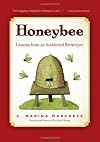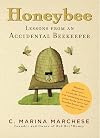
Honeybee: Lessons from an Accidental Beekeeper
by C. Marina Marchese
On This Page
Description
Marina Marchese's inspirational and practical story of learning to raise honeybees and creating a life she loves. "[An] engaging, delightfully informative work." - Publishers Weekly "Marchese has given us a lovely gift. Honeybee is an entertaining and useful primer for the novice and honeybee devotee alike." - Washington Times "Surpassing the predictable "how I changed careers" memoir of finding the good life, Marchese's informative guide is packed with facts about everything from show more pollination to harvesting, life cycles to historical lore, nutritional benefits to gourmet flavor combinations, medical applications to unusual varieties." - Booklist Marina Marchese fell in love with bees during a tour of a neighbor's honeybee hives. She quit her job, acquired her own bees, built her own hives, harvested honey, earned a certificate in apitherapy, studied wine tasting in order to transfer those skills to honey tasting, and eventually opened her own honey business. Today, Red Bee® Honey sells artisanal honey and honey-related products to shops and restaurants all over the country. More than an inspiring story of one woman's transformative relationship with honeybees (some of nature's most fascinating creatures), Honeybee is also bursting with information about all aspects of bees, beekeeping, and honey'including life inside the hive; the role of the queen, workers, and drones; pollination and its importance to sustaining all life; the culinary pleasures of honey; hiving and keeping honeybees; the ancient practice of apitherapy, or healing with honey, pollen, and bee venom; and much more. Recipes for food and personal care products appear throughout. Also included is an excellent, one-of-a-kind appendix that lists 75 different honey varietals, with information on provenance, tasting notes, and food-and-wine pairings. show lessTags
Recommendations

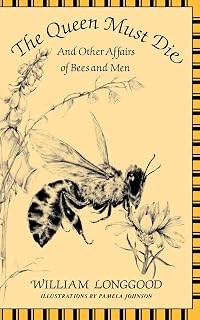
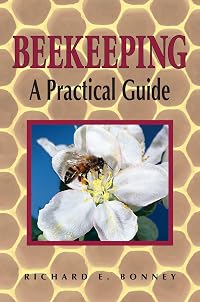
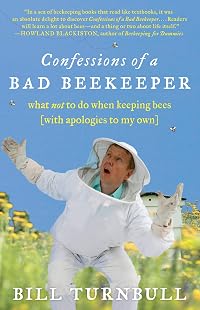
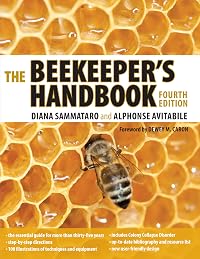


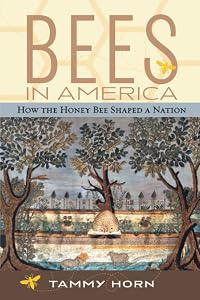
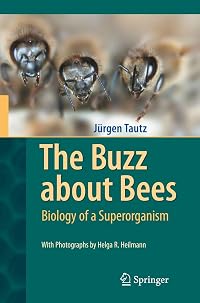
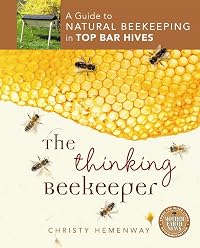
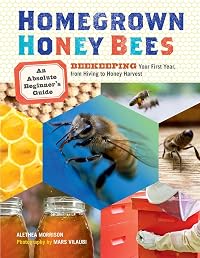




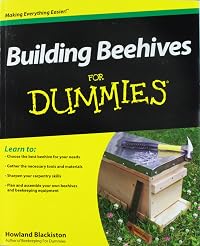
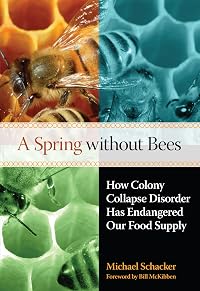
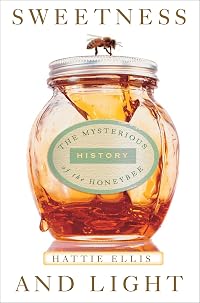
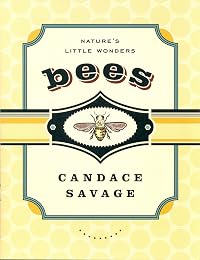
Member Recommendations
themulhern Both are personal memoirs about beekeeping with a lot of useful information for the beginning beekeeper thrown in. The quality of the writing is markedly different between the two books. But both are worth a read by a starting beekeeper.
Member Reviews
Marchese visited a neighbor one day for a personal tour of his apiary. She was fascinated by the bees and floored by the taste of fresh, raw honey straight from the hive. Curious to learn more about bees, she started attending meetings of a local beekeeper’s club, then acquired her own hive and eventually left her established job to start a new venture: keeping honeybees, harvesting their honey and marketing products she made from it (candles, skin products and the like as well as honey).
Her charming book introduces the reader to honeybees in both the broad sense- giving a little of their history with mankind, their role in other cultures around the world, and their biology for example- as well as the personal minutiae, describing show more incidents when she personally worked with bees and honey, and how she learned about them. She even includes recipes for foods and lip balm made with honey. I was particularly intrigued by the descriptions of monofloral or varietal honeys, made from collecting the honey after the bees have been harvesting nectar from one main plant, so that it has the distinct flavor of that flower source. Marchese describes dandelion honey as having a hint of white pepper. Honey from mangroves, she says, have a ”swampy” aroma and are used in pickle brine! Colors and consistencies also vary greatly- purple loostrife honey, for instance, is dark and looks like motor oil; ling-heather honey has the consistency of jelly and cannot be extracted from the comb but must be gently pressed out. With each honey description she also describes the plant and climate/soil it comes from, so it’s like reading a little gardening treatise; pairing the land and the food that comes from it. She suggests foods to accompany each honey varietal, which might range from mixing it into a specific kind of dressing or marinade to using in certain types of baked goods, or on exotic cheeses with fine wines. I am very curious now to try some local (and varietal, if I can find it) honey. So far, this is my favorite of all the bee/honey books I’ve been reading.
more from the Dogear Diary show less
Her charming book introduces the reader to honeybees in both the broad sense- giving a little of their history with mankind, their role in other cultures around the world, and their biology for example- as well as the personal minutiae, describing show more incidents when she personally worked with bees and honey, and how she learned about them. She even includes recipes for foods and lip balm made with honey. I was particularly intrigued by the descriptions of monofloral or varietal honeys, made from collecting the honey after the bees have been harvesting nectar from one main plant, so that it has the distinct flavor of that flower source. Marchese describes dandelion honey as having a hint of white pepper. Honey from mangroves, she says, have a ”swampy” aroma and are used in pickle brine! Colors and consistencies also vary greatly- purple loostrife honey, for instance, is dark and looks like motor oil; ling-heather honey has the consistency of jelly and cannot be extracted from the comb but must be gently pressed out. With each honey description she also describes the plant and climate/soil it comes from, so it’s like reading a little gardening treatise; pairing the land and the food that comes from it. She suggests foods to accompany each honey varietal, which might range from mixing it into a specific kind of dressing or marinade to using in certain types of baked goods, or on exotic cheeses with fine wines. I am very curious now to try some local (and varietal, if I can find it) honey. So far, this is my favorite of all the bee/honey books I’ve been reading.
more from the Dogear Diary show less
This book is the narrative of the first few years in the life of a novice beekeeper and marketing hack. She eventually gets into marketing bee products.
This book needed the services of a competent editor. There were many mis-spellings, even some in the text for the illustrations.
The writing is a form of cliche journalese. On the other hand, it would provide fairly useful reading for a novice beekeeper. Moreover, the author seems to have had a good deal of audacity and competence, for example very early in her beekeeping career she tries bravely to recapture a swarm.
Although I have been beekeeping for a couple of years now, I still found the factual part of the narrative fairly interesting and learned a few new things.
This book needed the services of a competent editor. There were many mis-spellings, even some in the text for the illustrations.
The writing is a form of cliche journalese. On the other hand, it would provide fairly useful reading for a novice beekeeper. Moreover, the author seems to have had a good deal of audacity and competence, for example very early in her beekeeping career she tries bravely to recapture a swarm.
Although I have been beekeeping for a couple of years now, I still found the factual part of the narrative fairly interesting and learned a few new things.
Ratings
Members
- Recently Added By
Author Information
5 Works 168 Members
Common Knowledge
- Alternate titles
- Honeybee
Classifications
- Genres
- Nonfiction, General Nonfiction, Biography & Memoir, Science & Nature, Food & Cooking
- DDC/MDS
- 638.1092 — Applied science & technology Agriculture Bees & Beekeeping Bees, Honey, Wax Bee culture Geographical Britain
- LCC
- SF523.82 .M37 .A3 — Agriculture Animal husbandry. Animal science Animal culture
- BISAC
Statistics
- Members
- 101
- Popularity
- 320,589
- Reviews
- 2
- Rating
- (3.54)
- Languages
- English
- Media
- Paper, Ebook
- ISBNs
- 4
- UPCs
- 1
- ASINs
- 3