On This Page
Description
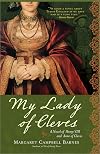
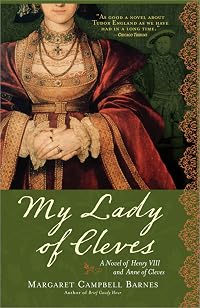
"Turns A BRILLIANT LIGHT on one of the lustiest and one of the most dramatic periods of English history."—Philadelphia InquirerThe mesmerizing story of Anne of Cleves, fourth wife of Henry VIII, one of the rare women who matched wits successfully with the fiery king and lived to tell the tale.
Aware of the disastrous consequences of not bearing an heir, Anne of Cleves bravely took on the duty of weathering the Tudor King's temper and won the hearts of his subjects in the process.
Written show more by world-renowned historical novelist Margaret Campbell Barnes, My Lady of Cleves gives readers an intimate portrait of the warm, unpretentious princess who never expected to become Queen of England and how she navigated a world of high drama and courtly elegance.
A refreshing historical fiction about infamous Tudor England, fans of Philippa Gregory, Anya Seton and Bernard Cornwell will delight in this tale of Henry's fourth Queen, her secret love, her power-hungry husband, and the country that ruled them all.
Praise for My Lady of Cleves:
"At long last Anne of Cleves gets her day as a noble and highminded heroine in the lists of historical fiction!" — Chicago Tribune
"Barnes' vision of Anne is so different from others I have encountered, it was like reading her story for the first time. This is the Anne of Cleves I choose to live in my memory." —Books N Border Collies
"an appealing story of a woman who makes the best of a bad situation... it's nice to see this novel in particular being reissued." —Reading, Ranting, and Raving
"I have to say that from the moment I read the inscription, I was hooked in this book... Anne is brought to life, and is portrayed as a capable woman..." —Historical Tapestry
. show less
Tags
Recommendations







Member Recommendations
Member Reviews
Margaret Campbell Barnes’s works have often cropped up in historical fiction lists, but this is the first book of hers that I’ve read and I’ve been very pleasantly surprised. Although My Lady of Cleves was first published in 1946, it doesn’t feel remotely prim or dated: only a certain elegant restraint hints at its age. It feels very much like a Norah Lofts story in that sense. Yes, it’s yet another Tudor historical novel, but Barnes rings the changes by focusing in on the least familiar and most appealing of Henry VIII’s many mistreated wives: Anne of Cleves. With grace, generosity and gentle humour, she gives this much-maligned woman her moment in the spotlight and pays tribute to the quiet pragmatism that allowed Anne to show more do what none of her five sister-queens managed: to keep both Henry’s affection and, more crucially, her head...
For the full review, please see my blog:
https://theidlewoman.net/2018/07/10/my-lady-of-cleves-margaret-campbell-barnes/ show less
For the full review, please see my blog:
https://theidlewoman.net/2018/07/10/my-lady-of-cleves-margaret-campbell-barnes/ show less
Anne of Cleves was the most unlikely of all of Henry VIII’s wives. She did not especially want to be queen, she was not physically beautiful, and she was rather forced upon him in order to produce an heir. Yet, along with Katherine of Aragon, she is a wife to which Henry should have cleaved to permanently. She is also my favorite. The first time I learned of her and found out that she was from a territory that is now the Netherlands, she had a special place in this Dutch heart of mine. Therefore, when I first heard of this novel, I new that I had to read it.
From the beginning, Barnes covers the known facts about the search for Henry’s fourth wife, Anne’s betrothal, her first regrettable moments with Henry, their short marriage, show more and swift divorce deftly. As much as I loved The Boleyn Inheritance, it is the author’s interpretation of those events that make this novel such a delight to read. For example, Barnes’ Anne did not want to leave her country, her family, or her people. This is just as well because her sister Amelia was prettier and was excited by the prospect of becoming queen. To her surprise, Hans Holbien, the artist sent to paint the portraits of the royal daughters of Cleves saw a beauty in her that most missed. The way this quality was painted is exactly what captured Henry’s eye. Unfortunately, Henry couldn’t see that when they met in person. The way in which the events surrounding their divorce played out in this novel was interesting and this view of Anne was endearing. I like to think of her in this way.
There was one lost opportunity in this novel. After Henry chooses Anne, we next find her on her journey to England. We do not experience how the news of Henry’s choice impacts Anne, her family, or the people she serves. We do not see her leave her home for the last time. We do not see how being overlooked by a king affected Amelia. As Anne’s life in England as it pertains to the throne are well known, it is precisely those missing details that would really grab and inspire my imagination. Certainly I can make up my own scenes, but I read historical fiction to have those undocumented moments come alive on the page. This was a minor drawback. It did not keep me from enjoying this novel at all. Still, the mild disappointment over what could have been, especially with an author so skilled, remains with me.
My Lady of Cleves is a novel I will always cherish. She was a strong woman who had to work hard to overcome her looks, which always felt like a shortcoming to her. I can’t quite place my finger on a specific passage, but Chapters 17 and 18 were beautiful in the way in which they depict the turning point in Anne’s life. What was accomplished there made the novel and solidified Anne’s place in my heart among Henry’s wives. She deserved the freedom and solitude that she found at Richmond. I’d wager that she was the only woman deeply involved with Henry who died happy and content with her life. I am glad that the author chose to bring Anne to the forefront. Historical figures do not have to be tyrants or tarts to be compelling. Sometimes a heroine with just a dash of fire when scorned is exactly what is needed to satisfy. This novel is a must for Tudor fans, but would be a delight for any reader.
http://literatehousewife.wordpress.com/2009/01/14/135-my-lady-of-cleves/ show less
From the beginning, Barnes covers the known facts about the search for Henry’s fourth wife, Anne’s betrothal, her first regrettable moments with Henry, their short marriage, show more and swift divorce deftly. As much as I loved The Boleyn Inheritance, it is the author’s interpretation of those events that make this novel such a delight to read. For example, Barnes’ Anne did not want to leave her country, her family, or her people. This is just as well because her sister Amelia was prettier and was excited by the prospect of becoming queen. To her surprise, Hans Holbien, the artist sent to paint the portraits of the royal daughters of Cleves saw a beauty in her that most missed. The way this quality was painted is exactly what captured Henry’s eye. Unfortunately, Henry couldn’t see that when they met in person. The way in which the events surrounding their divorce played out in this novel was interesting and this view of Anne was endearing. I like to think of her in this way.
There was one lost opportunity in this novel. After Henry chooses Anne, we next find her on her journey to England. We do not experience how the news of Henry’s choice impacts Anne, her family, or the people she serves. We do not see her leave her home for the last time. We do not see how being overlooked by a king affected Amelia. As Anne’s life in England as it pertains to the throne are well known, it is precisely those missing details that would really grab and inspire my imagination. Certainly I can make up my own scenes, but I read historical fiction to have those undocumented moments come alive on the page. This was a minor drawback. It did not keep me from enjoying this novel at all. Still, the mild disappointment over what could have been, especially with an author so skilled, remains with me.
My Lady of Cleves is a novel I will always cherish. She was a strong woman who had to work hard to overcome her looks, which always felt like a shortcoming to her. I can’t quite place my finger on a specific passage, but Chapters 17 and 18 were beautiful in the way in which they depict the turning point in Anne’s life. What was accomplished there made the novel and solidified Anne’s place in my heart among Henry’s wives. She deserved the freedom and solitude that she found at Richmond. I’d wager that she was the only woman deeply involved with Henry who died happy and content with her life. I am glad that the author chose to bring Anne to the forefront. Historical figures do not have to be tyrants or tarts to be compelling. Sometimes a heroine with just a dash of fire when scorned is exactly what is needed to satisfy. This novel is a must for Tudor fans, but would be a delight for any reader.
http://literatehousewife.wordpress.com/2009/01/14/135-my-lady-of-cleves/ show less
I didn't know much about Anne of Cleves going into My Lady of Cleves. I know the "gossip" - that she was ugly, fat, and that she smelled. And I have read Philippa Gregory's The Boleyn Inheritance, which included a section on Anne of Cleves. When Danielle at Sourcebooks, Inc. asked if I would be interested in reviewing this novel, I jumped at the chance. I was really interested in learning more about Anne of Cleves.
One thing I didn't realize is that the book is a republished novel - it was originally published in 1946. On one hand, this didn't surprise me, knowing that Sourcebooks, Inc. is responsible for republishing Georgette Heyer's novels. But on the other hand, there was nothing in the book to indicate that it was written over 60 show more years ago. I believe that this is a testament to the quality of the writing and the immersive nature of the story.
I found the novel ultimately captivating. I appreciated the portrayal of Anne of Cleves as an intelligent and resourceful woman who picks her battles very carefully. She was very honest with herself and recognized her strengths and failures clearly. I enjoyed reading about how she used her major talent to her own advantage: the ability to run a home. I also liked the way that Henry was portrayed. At the beginning, he is indeed the boorish monster that Anne sees, but slowly, the reader begins to see another side of him; while he cannot truly redeem himself, it is a softer portrait of his later years than readers usually receive.
In terms of historical accuracy, I am aware that the basic events of Anne's life are portrayed as accurate. But towards the end of the book, certain events take place that Anne plays a part in. I wonder if her presence is fact, or if it is creatively interpreted by the author. (My inclination is towards the latter).
Barnes took great pain to ensure that her physical descriptions of Anne were correct: she based it on actual comments made about Anne by historical figures. She was not fat, or necessarily ugly; in fact, according to Barnes, her portrait is the most attractive of any of Henry's wives (by modern standards, of course). It definitely leads the reader to wonder what Anne was really like.
I really liked My Lady of Cleves; it was well-written, fast-paced and very enjoyable. I would recommend it to any fans of historical fiction; it is well worth reading this novel on an underappreciated queen.
From S. Krishna's Books show less
One thing I didn't realize is that the book is a republished novel - it was originally published in 1946. On one hand, this didn't surprise me, knowing that Sourcebooks, Inc. is responsible for republishing Georgette Heyer's novels. But on the other hand, there was nothing in the book to indicate that it was written over 60 show more years ago. I believe that this is a testament to the quality of the writing and the immersive nature of the story.
I found the novel ultimately captivating. I appreciated the portrayal of Anne of Cleves as an intelligent and resourceful woman who picks her battles very carefully. She was very honest with herself and recognized her strengths and failures clearly. I enjoyed reading about how she used her major talent to her own advantage: the ability to run a home. I also liked the way that Henry was portrayed. At the beginning, he is indeed the boorish monster that Anne sees, but slowly, the reader begins to see another side of him; while he cannot truly redeem himself, it is a softer portrait of his later years than readers usually receive.
In terms of historical accuracy, I am aware that the basic events of Anne's life are portrayed as accurate. But towards the end of the book, certain events take place that Anne plays a part in. I wonder if her presence is fact, or if it is creatively interpreted by the author. (My inclination is towards the latter).
Barnes took great pain to ensure that her physical descriptions of Anne were correct: she based it on actual comments made about Anne by historical figures. She was not fat, or necessarily ugly; in fact, according to Barnes, her portrait is the most attractive of any of Henry's wives (by modern standards, of course). It definitely leads the reader to wonder what Anne was really like.
I really liked My Lady of Cleves; it was well-written, fast-paced and very enjoyable. I would recommend it to any fans of historical fiction; it is well worth reading this novel on an underappreciated queen.
From S. Krishna's Books show less
Anne of Cleves was Henry VIII’s fourth wife. After a bad first meeting, they married anyway, but almost immediately, Henry was taken with Katherine Howard, so Henry and Anne’s marriage only lasted six months. They divorced and from then on, Anne was considered his “sister” and was treated quite well. This is a fictional account of their life together, and Anne’s life afterward, up until Henry’s death.
I thought it was really good. I’ve read a little bit about Anne of Cleves, but most of what I’ve read stops after her and Henry’s divorce, so it was fun to read what her life might have been like afterwards. For that reason, I found that part - the second half of the book - a little more interesting than the first half, show more though I did enjoy the entire book. show less
I thought it was really good. I’ve read a little bit about Anne of Cleves, but most of what I’ve read stops after her and Henry’s divorce, so it was fun to read what her life might have been like afterwards. For that reason, I found that part - the second half of the book - a little more interesting than the first half, show more though I did enjoy the entire book. show less
I really liked how Anne of Cleves was portrayed in this book! and it proved to be a very enjoyable read. I had to get used to the writing style though, and it took a little longer to get into the book. It proved to be a very interesting read, and I really did like this book.
It’s hard not to sympathize with Anne. Practically alone in a country where English is a foreign language, and with different customs and clothing to get used to, I felt really sorry for her in the beginning of the book. When she becomes the target of ridicule, you sympathize with her even more and can’t help but feel angry towards Henry and his crew for being so mean. The biggest surprise in this book is her friendship with Thomas Culpepper. I didn’t think show more they’d get along, but I liked their friendship. Also, the Thomas in this book is much nicer than say, The Tudors version. This book painted Culpepper in a rather sympathetic light and it’s a whole different version of him than what I am used to, and I like this one much better.
What I enjoyed most about this book is how Anne gracefully became an outsider of the court, to a well beloved one. She gradually warmed characters’ hearts and the reader’s. She was seen as a person you could approach to, and talk to while she listened and gave good advice. In a way, you could say she would make a wonderful therapist. You could not help but love her up until the end. I especially liked how she managed to get Henry to come crawling back (so to speak). I thought Henry’s portrayal here was different, he’s still a tyrant, but he’s also seen as an old curmudgeon. Perhaps that’s what Margaret Campbell Barnes wanted in the first place.
The plot is certainly slow moving and although it’s not what you would call a very exciting type of book, I think it’s a book meant to be read and appreciated thoroughly and slowly. I believe this book was really meant to really look into Anne as a character and how she develops throughout the story. This book is really all about the characters. Would I recommend this? I would to Tudor history lovers out there. It helps to know the history and to know who’s who before getting into this book. Also keep in mind, the writing style is a bit different -I’d say similar to Jean Plaidy’s. So, it will take a bit to get used to, but it’s well worth the time.
This was one of the better Tudor books I’ve read, filled with great character development and most importantly, shows some of the characters in a very different light. I definitely recommend this. It was a great read, and reinforces my opinion as Anne of Cleves being one of my favorite Queens (even if she was Queen for a little while). show less
It’s hard not to sympathize with Anne. Practically alone in a country where English is a foreign language, and with different customs and clothing to get used to, I felt really sorry for her in the beginning of the book. When she becomes the target of ridicule, you sympathize with her even more and can’t help but feel angry towards Henry and his crew for being so mean. The biggest surprise in this book is her friendship with Thomas Culpepper. I didn’t think show more they’d get along, but I liked their friendship. Also, the Thomas in this book is much nicer than say, The Tudors version. This book painted Culpepper in a rather sympathetic light and it’s a whole different version of him than what I am used to, and I like this one much better.
What I enjoyed most about this book is how Anne gracefully became an outsider of the court, to a well beloved one. She gradually warmed characters’ hearts and the reader’s. She was seen as a person you could approach to, and talk to while she listened and gave good advice. In a way, you could say she would make a wonderful therapist. You could not help but love her up until the end. I especially liked how she managed to get Henry to come crawling back (so to speak). I thought Henry’s portrayal here was different, he’s still a tyrant, but he’s also seen as an old curmudgeon. Perhaps that’s what Margaret Campbell Barnes wanted in the first place.
The plot is certainly slow moving and although it’s not what you would call a very exciting type of book, I think it’s a book meant to be read and appreciated thoroughly and slowly. I believe this book was really meant to really look into Anne as a character and how she develops throughout the story. This book is really all about the characters. Would I recommend this? I would to Tudor history lovers out there. It helps to know the history and to know who’s who before getting into this book. Also keep in mind, the writing style is a bit different -I’d say similar to Jean Plaidy’s. So, it will take a bit to get used to, but it’s well worth the time.
This was one of the better Tudor books I’ve read, filled with great character development and most importantly, shows some of the characters in a very different light. I definitely recommend this. It was a great read, and reinforces my opinion as Anne of Cleves being one of my favorite Queens (even if she was Queen for a little while). show less
My Lady of Cleves covers the life of Anne of Cleves from right before her marriage to Henry VIII until his death in 1547. The story opens with an agitated King Henry VIII, talking with his ministers about his need for a new wife after the death of his third wife, Jane Seymour in childbed. Among the candidates are the Duchess of Milan and the Cleves Princesses. The Duchess of Milan has already replied with “Only if I had two heads”! Smart girl!
Hans Holbein is sent to Cleves to paint both Anne and her sister, Amelia. Once there he becomes quite smitten with Anne and they begin a friendship. He paints a flattering picture of her because that is the way he sees her. Unfortunately, Henry does not see the same way and is almost instantly show more put off by Anne’s looks and hard mannerisms. Henry likes the petite type (go figure!).
We follow Anne through her short marriage to Henry, her annulment, “retirement” to Richmond Palace, Henry’s next marriage to Katherine Howard and her eventual downfall. Anne even plays a part in the infamous scene where Katherine is desperate to talk to Henry and goes screaming for him through the halls of the Palace.
Anne seems to resign herself to her fate; after all she still has her head! She genuinely enjoys the life of a Princess of England; she can come and go as she pleases and has no husband or man to answer to. In seeing the freedom that Anne as a “woman” had, that had to have been a big impact on Elizabeth I, who always said she would never have a master.
My Lady of Cleves was an interesting look into a woman that survived marriage to Henry VIII. Anne is very likeable and I think she would have made a wonderful Queen, had she been given the chance. I wish the story was longer and covered the time during Mary’s rule as Queen - I would have liked to have heard Anne’s thoughts on “Bloody Mary”.
Margaret Campbell Barnes is also the author of Brief, Gaudy Hour, a novel on Anne Boleyn.
Note: Anne of Cleves died at Hever Castle on July 16, 1557. She lived 10 years past Henry. Her tomb is in a “hard to find place” in Westminster Abbey. show less
Hans Holbein is sent to Cleves to paint both Anne and her sister, Amelia. Once there he becomes quite smitten with Anne and they begin a friendship. He paints a flattering picture of her because that is the way he sees her. Unfortunately, Henry does not see the same way and is almost instantly show more put off by Anne’s looks and hard mannerisms. Henry likes the petite type (go figure!).
We follow Anne through her short marriage to Henry, her annulment, “retirement” to Richmond Palace, Henry’s next marriage to Katherine Howard and her eventual downfall. Anne even plays a part in the infamous scene where Katherine is desperate to talk to Henry and goes screaming for him through the halls of the Palace.
Anne seems to resign herself to her fate; after all she still has her head! She genuinely enjoys the life of a Princess of England; she can come and go as she pleases and has no husband or man to answer to. In seeing the freedom that Anne as a “woman” had, that had to have been a big impact on Elizabeth I, who always said she would never have a master.
My Lady of Cleves was an interesting look into a woman that survived marriage to Henry VIII. Anne is very likeable and I think she would have made a wonderful Queen, had she been given the chance. I wish the story was longer and covered the time during Mary’s rule as Queen - I would have liked to have heard Anne’s thoughts on “Bloody Mary”.
Margaret Campbell Barnes is also the author of Brief, Gaudy Hour, a novel on Anne Boleyn.
Note: Anne of Cleves died at Hever Castle on July 16, 1557. She lived 10 years past Henry. Her tomb is in a “hard to find place” in Westminster Abbey. show less
I'm just beginning this and already the characters do not ring "true to form".....Henry seems to have a conscience, Anna seems to be more self assures, self actualized, forward and alive than any other account I have ever read of her, her brother meeker and not at all in charge of his household....
So, I'm guessing that I might not finish this.....
Next
So, I'm guessing that I might not finish this.....
Next
Members
- Recently Added By
Lists

KayStJ's to-read list
1,616 works; 11 members
Author Information

13 Works 1,728 Members
Series

Common Knowledge
- Canonical title
- The King's Choice
- Original title
- My Lady of Cleves
- Alternate titles
- The King's Choice
- Original publication date
- 1952
- People/Characters
- Anne of Cleves; Katherine Howard; Tom Culpeper; Henry VIII, King of England; Hans Holbein the Younger
- Important places
- England
- Important events
- Reign of Henry VIII
- Epigraph
- To the courage and endurance of all women who lost the men they loved in the fight for freedom
- First words
- Henry Tudor straddled the hearth in the private audience chamber at Greenwich.
- Last words
- (Click to show. Warning: May contain spoilers.)"But I pray you tell them I do very well as I am."
- Original language
- English
- Disambiguation notice
- "My Lady of Cleves" also published as "The King's Choice"
Classifications
Statistics
- Members
- 314
- Popularity
- 102,127
- Reviews
- 10
- Rating
- (3.80)
- Languages
- Dutch, English
- Media
- Paper, Ebook
- ISBNs
- 10
- UPCs
- 1
- ASINs
- 11