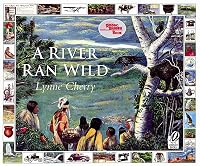
A River Ran Wild: An Environmental History
by Lynne Cherry
On This Page
Description
An environmental history of the Nashua River, from its discovery by Indians through the polluting years of the Industrial Revolution to the ambitious clean-up that revitalized it.Tags
Recommendations
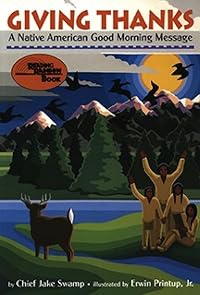
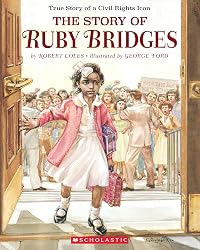
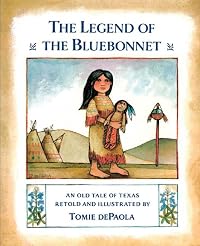
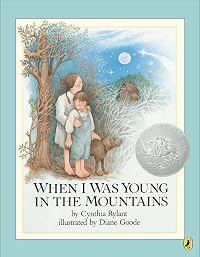
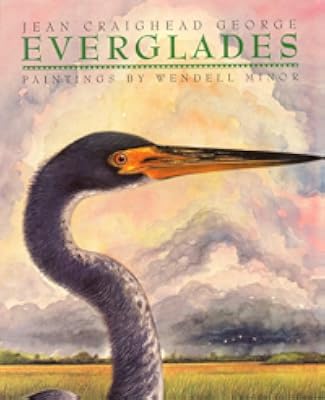
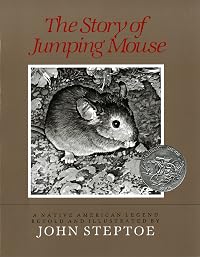
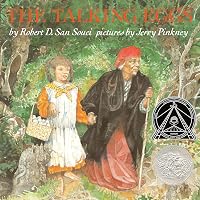

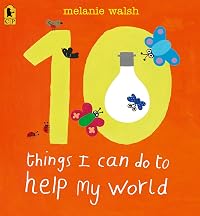
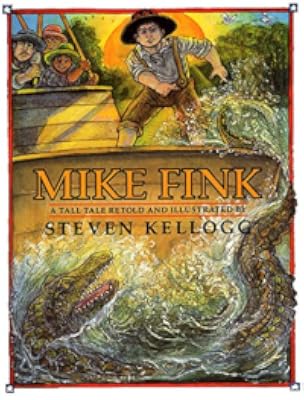
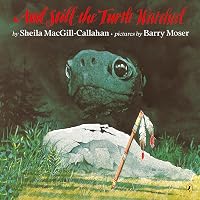
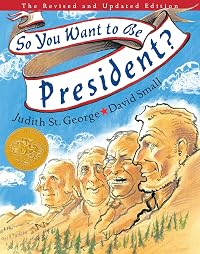
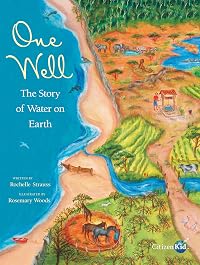
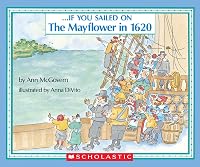
Member Recommendations
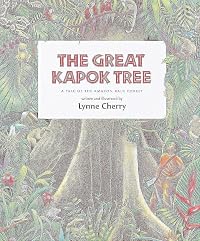
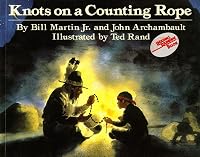
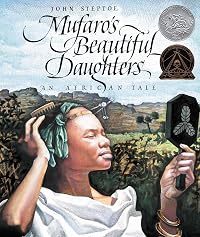
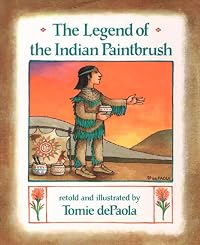
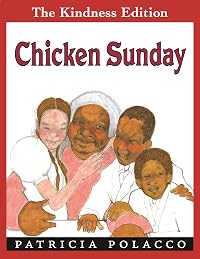
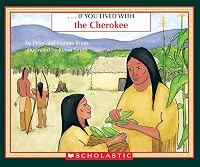
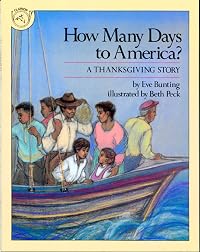
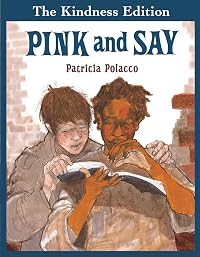
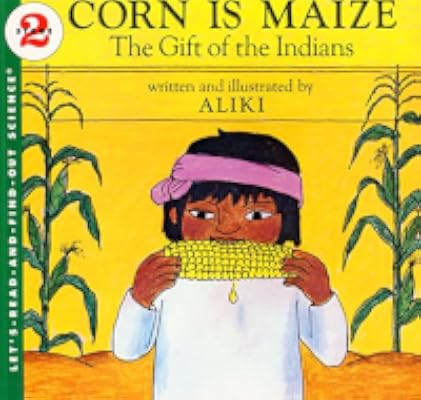
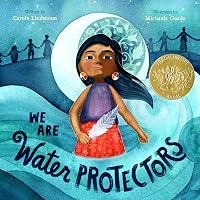
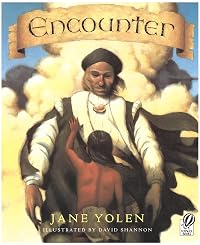
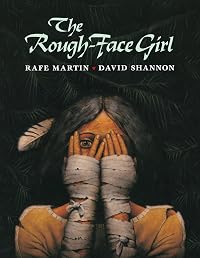
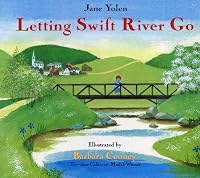
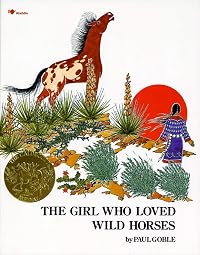
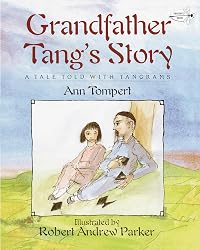
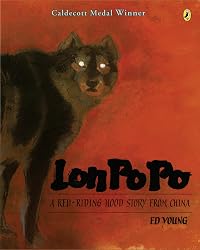
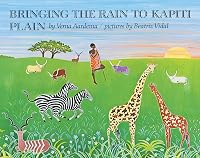
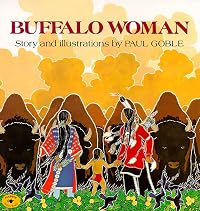
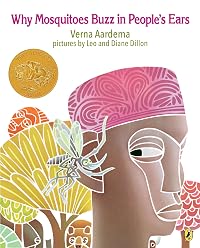
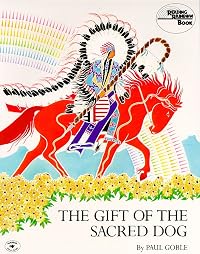
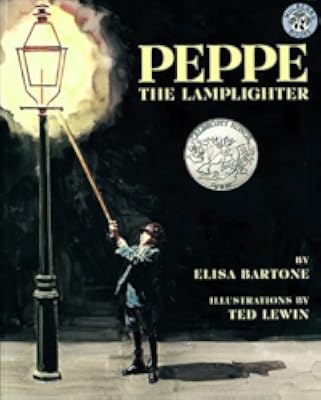
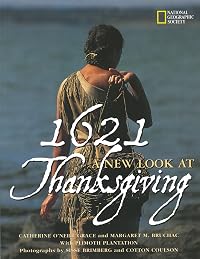
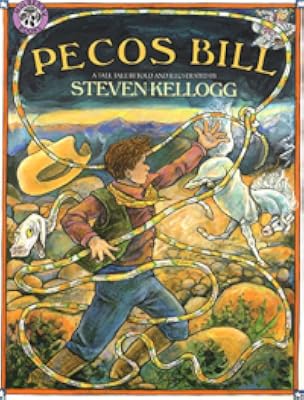
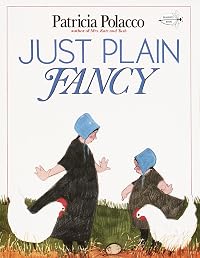
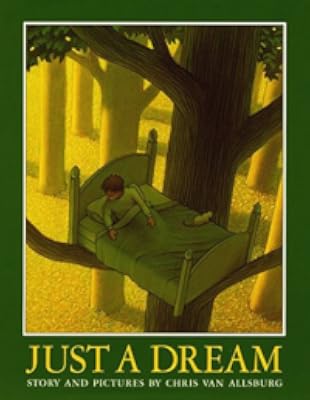
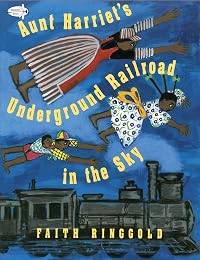
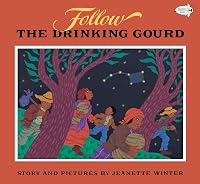
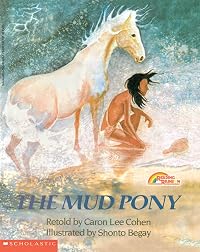
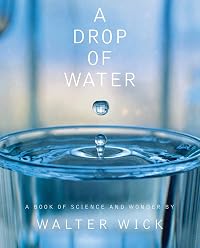
AbigailAdams26 If you enjoyed this tale about the changes wrought by the march of history, as seen in one specific locale, you might enjoy another book with a similar theme.
AbigailAdams26 If you enjoyed this book about the life of a river over time, you might enjoy another book with a similar theme.
Member Reviews
Author/illustrator Lynne Cherry traces the history of New England's Nashua River in this engaging natural history picture-book, chronicling the many changes in human activity that have affected the health of this fluvial ecosystem. From the days in which it ran clean and clear - so clear that the pebbles on the river-bed could be seen from above, thus explaining its original native name, the Nash-a-Way, or "River With the Pebbled Bottom" - through its first harnessing (in order to power mills) during colonial times, and then its use as a dumping ground for waste during the Industrial Revolution, Cherry charts a trajectory that leads ever downward. Until, that is, the 1960s, when an activist named Marion Stoddart decided she had to do show more something...
Chosen as one of our September selections over in The Picture-Book Club to which I belong, where our theme this month is "ecosystems," A River Ran Wild is part history, part science, and all parts engaging. I appreciated the contrast drawn between the Native American way of interacting with the natural world, and the European (and then Euro-American) way - complementary versus adversarial - as I think this clarifies why environmental degradation was allowed to take hold, and to continue for so long in this country. The artwork is lovely, and I enjoyed looking at both the larger paintings on each two-page spread, and the decorative borders, with the many animals and items mentioned (or hinted at) in the narrative. All in all, an excellent picture-book examination of the the history of one river, one which offers some sobering facts, but also some inspirational figures! I think I need to learn more about Marion Stoddart... show less
Chosen as one of our September selections over in The Picture-Book Club to which I belong, where our theme this month is "ecosystems," A River Ran Wild is part history, part science, and all parts engaging. I appreciated the contrast drawn between the Native American way of interacting with the natural world, and the European (and then Euro-American) way - complementary versus adversarial - as I think this clarifies why environmental degradation was allowed to take hold, and to continue for so long in this country. The artwork is lovely, and I enjoyed looking at both the larger paintings on each two-page spread, and the decorative borders, with the many animals and items mentioned (or hinted at) in the narrative. All in all, an excellent picture-book examination of the the history of one river, one which offers some sobering facts, but also some inspirational figures! I think I need to learn more about Marion Stoddart... show less
Like The Great Kapok Tree, this was a great book. The focus is different is this one, instead being on a river that progresses from pre-colonial inhabitation to the present. The river undergoes a transformation from pristine to choked with pollution while its inhabitants undergo a transformation from respectful symbiotic members of the river ecosystem to unthinking destructive users of the river to educated careful stewards of the river. Its overall tone is hopeful, but it does make the reader think about how people's misuse of the natural environment can have severe and lasting impacts on the quality of life for everybody.
A River Ran Wild tells the history of the Nashua River in New England, starting when it was clean and clear and called Nash-a-Way, or “River with the Pebbled Bottom,” by the Algonquin people. Early settlers built mills along the river, and during the Industrial Revolution it became polluted with chemicals and waste. By the 1960s, fish, birds, and wildlife had disappeared from the river. Marion Stoddart worked to restore the river, founding the Nashua River Watershed Association and helping pass laws that cleaned and protected it.
I dunno. Important, interesting, lovely... but just kinda randomly superficial. Step by step through the history of the river, yes. Exploration of the entire ecosystem of the river, including the humans, yes. Lots of details in the sketches in the borders of relevant context, yes. Discussion of some of the strategies of the activists that saved the river, yes. But I never felt engaged, and I never felt like I was actually learning anything that meant anything to me - despite the fact that, of course, I totally care about clean rivers.
This book was a very interesting book that led readers to see a theme that our actions affect the environment and those around us. This book saw a river that once had shiny pebbles and beautiful landscape be turned into a dump for waste from factories. This book was very powerful!
A River Ran Wild tells a story of restoration and renewal. Learn how the modern-day descendants of the Nashua Indians and European settlers were able to combat pollution and restore the beauty of the Nashua River in Massachusetts.
Good book with beautiful illustrations =) I thouht the borders on theleft pages around the text were a nice touch visually.
Members
- Recently Added By
Author Information

22+ Works 10,322 Members
Children's book illustrator and author Lynne Cherry was born on January 5, 1952, and grew up in Swarthmore, Pennsylvania. Encouraged by her parents at an early age to use her creative mind, Cherry wrote a book called Kitty's Adventures when she was just ten years old. As an adult Cherry reillustrated the book, while still keeping the original show more story, and published it as Archie, Follow Me. Cherry earned a Bachelor of Fine Arts degree from Tyler School of Art in Elkins Park, Pennsylvania, in 1973. After graduating college, Cherry held a succession of jobs, including serving as artist-in-residence at the Smithsonian Environmental Research Center in Maryland, acting as an historical consultant, organizing teacher-training conferences with The Center for Children's Environmental Literature, and doing illustrations for the Java History Trail Project. In 1986, Cherry went to Yale University to get her Master of Arts degree in history, in part so that she could successfully write a children's book about the environment. The finished book, which Cherry entitled A River Ran Wild, was named a Notable Children's Trade Book in the Field of Social Studies and a Children's Choice Book by a CBC/International Reading Association committee. Cherry's book, The Snail's Spell, was awarded the 1983 New York Academy of Sciences Children's Book Science Award, and her book The Great Kapok Tree was named an Outstanding Science Trade Book by the Children's Book Council and the National Science Teachers Association. (Bowker Author Biography) show less
Awards and Honors
Awards
Classifications
Statistics
- Members
- 1,747
- Popularity
- 12,631
- Reviews
- 25
- Rating
- (3.74)
- Languages
- English, Spanish
- Media
- Paper
- ISBNs
- 17
- ASINs
- 6