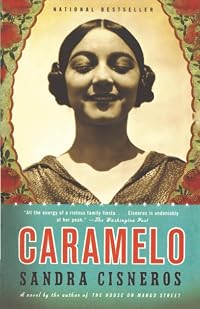
Caramelo
by Sandra Cisneros
On This Page
Description
Lala Reyes' grandmother is descended from a family of renowned rebozo-, or shawl-makers. The striped (caramelo) is the most beautiful of all, and the one that makes its way, like the family history it has come to represent, into Lala's possession. The novel opens with the Reyes' annual car trip-a caravan overflowing with children, laughter, and quarrels-from Chicago to "the other side": Mexico City. It is there, each year, that Lala hears her family's stories, separating the truth from the show more "healthy lies" that have ricocheted from one generation to the next. We travel from the Mexico City that was the "Paris of the New World" to the music-filled streets of Chicago at the dawn of the Roaring Twenties-and finally, to Lala's own difficult adolescence in the not-quite-promised land of San Antonio, Texas. Caramelo is a vital, wise, romantic tale of homelands, sometimes real, sometimes imagined. Vivid, funny, intimate, historical, it is a brilliant work destined to become a classic: a major new novel from one of our country's most beloved storytellers. show lessTags
Recommendations

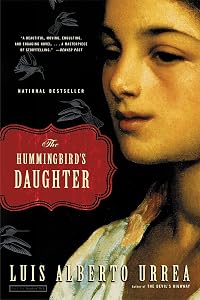
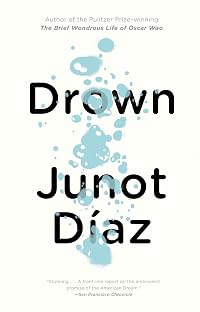

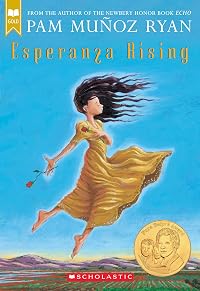
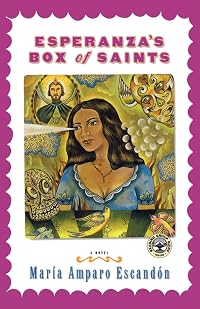

Member Recommendations
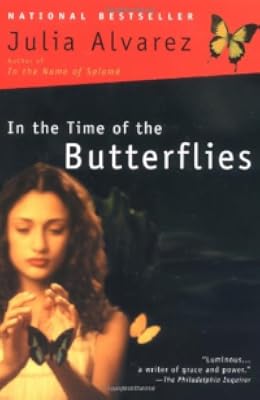
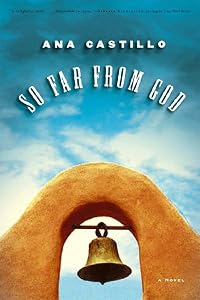
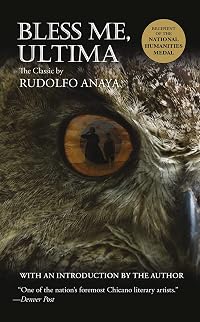
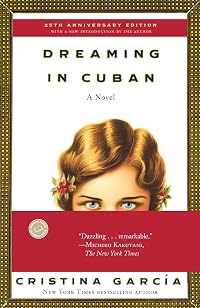
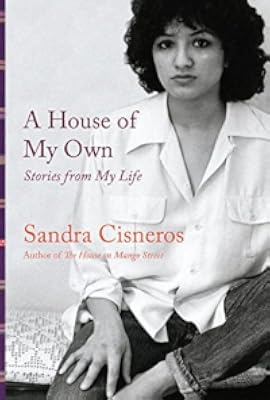
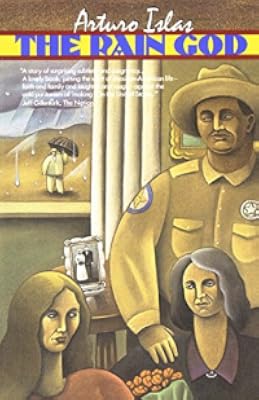
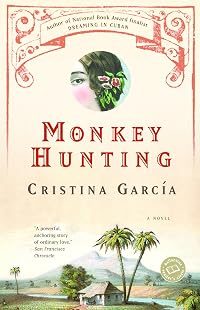
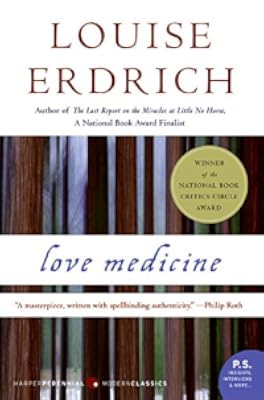
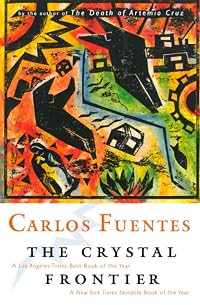
whymaggiemay Both books have a similar feeling of a young girl who is too young to understand the events unfolding around her.
Member Reviews
To write is to ask questions. It doesn't matter if the answers are true or puro cuento.
Sandra Cisneros explores themes of identity, family, memory, perception, nationality, ethnicity, immigration, and gender issues through the eyes of Celaya Reyes (“Lala”), a young Mexican American girl growing up in the post-World War II era. Lala's father was born in Mexico. Lala and her brother were born in the U.S., but spend their summers with her father's parents in Mexico City. No matter where she is – Mexico, Chicago, or San Antonio - Lala is conscious of her status as an outsider. She doesn't even have a place at home. In Chicago, she sleeps on a recliner in the living room, while in Mexico, she sleeps in her parents' room. When her show more father tells people he has seven “hijos”, Lala hears him claiming seven “sons”. She knows she is her father's favorite child, yet she still feels like daughters don't count in his worldview.
There are layers of story within the novel. Even the names of characters and places tell a story. Self-absorbed Narciso and his lonely wife Soledad make their home on Destiny Street. Narciso and Soledad are distant cousins and share the name Reyes (“King”). Lala's father, a Reyes, marries a Reyna (“Queen”).
In the middle portion of the book, Lala tells her grandmother's story. She interprets Mexican history through experiences in the lives of members of her family. In some ways, it reminds me of what Rushdie does with the history of India and Pakistan in Midnight's Children.
Cisneros uses endnotes as a device in many of the chapters, and some of the notes are quite lengthy. I don't think the format would easily translate into an e-book, and that probably explains why it doesn't seem to be available in that format.
Caramelo is a book to savor, and one I won't soon forget. show less
Sandra Cisneros explores themes of identity, family, memory, perception, nationality, ethnicity, immigration, and gender issues through the eyes of Celaya Reyes (“Lala”), a young Mexican American girl growing up in the post-World War II era. Lala's father was born in Mexico. Lala and her brother were born in the U.S., but spend their summers with her father's parents in Mexico City. No matter where she is – Mexico, Chicago, or San Antonio - Lala is conscious of her status as an outsider. She doesn't even have a place at home. In Chicago, she sleeps on a recliner in the living room, while in Mexico, she sleeps in her parents' room. When her show more father tells people he has seven “hijos”, Lala hears him claiming seven “sons”. She knows she is her father's favorite child, yet she still feels like daughters don't count in his worldview.
There are layers of story within the novel. Even the names of characters and places tell a story. Self-absorbed Narciso and his lonely wife Soledad make their home on Destiny Street. Narciso and Soledad are distant cousins and share the name Reyes (“King”). Lala's father, a Reyes, marries a Reyna (“Queen”).
In the middle portion of the book, Lala tells her grandmother's story. She interprets Mexican history through experiences in the lives of members of her family. In some ways, it reminds me of what Rushdie does with the history of India and Pakistan in Midnight's Children.
Cisneros uses endnotes as a device in many of the chapters, and some of the notes are quite lengthy. I don't think the format would easily translate into an e-book, and that probably explains why it doesn't seem to be available in that format.
Caramelo is a book to savor, and one I won't soon forget. show less
Snippets of life in the Reyes, strung together into a story. I loved the family pet names that emerged: Awful Grandmother, Little Grandfather, Auntie Lightskin, and all the variants of other names sprinkled throughout. The book was inspired by the author's Mexican heritage and childhood in Chicago. Each summer, her family (her own family and that of her two uncles) caravaned to visit her grandparents in Mexico City. The book is supposedly semi-autobiographical, but the vignettes, whether real or fictional, are interesting, amusing, and have a ring of verity about them.
Things I liked: The storyline of Lala and her immigrant family living in Chicago, then San Antonio.
Some of the prose was beautiful. What I didn't like: Fragmented Vignettes. Did not flow. The Spanish made it feel interrupted because I had to either skip over parts or constantly look up a phrase. I did not like all the footnotes and also cameos of famous people that did not advance the story. I would not recommend this work of Cisneros to anyone who was not already a fan of her writing.
Some of the prose was beautiful. What I didn't like: Fragmented Vignettes. Did not flow. The Spanish made it feel interrupted because I had to either skip over parts or constantly look up a phrase. I did not like all the footnotes and also cameos of famous people that did not advance the story. I would not recommend this work of Cisneros to anyone who was not already a fan of her writing.
"Tell me a story, even if it's a lie." So begins Sandra Cisneros's delightful second novel. The Reyes clan piles into three cars to make a trip to the "other side" (Mexico City) to visit the Awful Grandmother and the Little Grandfather. Celaya (Lala) Reyes is the youthful observer of her family's vida loca. Cisneros has written a poetic, fictionalized family saga made memorable by a raucous collection of characters. They slip in and out of time, weaving truth and "healthy lies" into the family's history. The story overflows with music, food, fantasy, and fiesta. Narrating the tale herself, Cisneros is most successful in her interpretation of the young Lala. Her reading lends charm and authenticity to this witty gem of a novel.
I'd be hard pressed to find a writer with as relevant and evocative similes as Cisneros in this longer work. She's also the queen of lists-- detailed and ridiculous lists of products, foods, smells, decorations, and clothing. The overall story is rather episodic and doesn't generate too much drama, especially the second part's section about the era of the Awful Grandmother's youth. I don't care about what becomes of the characters. However, I just eat up the language. Oh, and the lady on the cover looks just like me without my glasses!
This is the story of four generations of Reyes family, told by the youngest member - Lala. She recounts tales of her parents, grandparents and great grandparents, mixing the timeing and sequence just as they might be revealed over the years at multiple family gatherings. Her descriptions are priceless - a man who cut his own hair looks like "his head had been chewed by coyotes."
I first read the book in Nov 2003 on my own because I'd been a fan of Sandra Cisneros for some time. At the time I didn't recommend it to either of my two book clubs because of the amount of Spanish used (both groups had complained about similar "difficulties" with other books).
In 2008 my Hispanic book club chose this book so I read it a second time. I'm less show more enthralled than at first. Her writing is poetic, but the middle section of this novel is disjointed. show less
I first read the book in Nov 2003 on my own because I'd been a fan of Sandra Cisneros for some time. At the time I didn't recommend it to either of my two book clubs because of the amount of Spanish used (both groups had complained about similar "difficulties" with other books).
In 2008 my Hispanic book club chose this book so I read it a second time. I'm less show more enthralled than at first. Her writing is poetic, but the middle section of this novel is disjointed. show less
This book is narrated by Lala (a/k/a Cheyala), the only girl of the seven children of Inocencio Reyes. The book is composed of three sections, essentially telling first the story of Lala's parents, then the story of her paternal grandparents, and then her own life. The chapters tend to be short, sometimes less than a page, and at first they seem to be like a series of short stories, but they're all weaving the same story in a kind of kaleidoscopic manner. One has to read the entire book to fit all the pieces together. I was amazed at the control of the author in constructing her stories in this manner, which only allowed her to tell each story so far and then to interrupt it to start or finish another. She then has to remember that she show more has an unfinished story and give you bits and pieces of it in other stories, until she finally reveals the end many pages or even chapters later. At first I didn't like Lala, but by the end of the book I loved her. I also loved her parents and, eventually, grandmother.
This book is a rich story of a family living in the U.S., which spends 3 months of the year in Mexico City so that the entire family can be together as a unit for at least 3 months.
There were many quotes I loved, but the following are my favorites:
"The Awful Grandmother is like the witch in that story of Hansel and Gretel. She likes to eat boys and girls. She'll swallow us whole, if you let her. Father has let her swallow Rafa."
"Once Indians dressed in livery had stood at attention in front of these colonial doors. Once the pearl-and-diamond-adorned daughters and wives of las famalias buenas had traveled to church in tasseled sedan chairs carried by West African slaves. Long ago, the finest days of these residences were already history. Slouched from the spongy shifting of the earth and scuffed from centuries of neglect, they still showed something of their former opulence, though seasons of rain and sun had faded their original brilliance like a gilded dress washed ashore in a tempest."
"God had been kind and bestowed an aura of melancholia about Inocencio Reyes, and this coupled with this intense eyes, dark as Narcisco's but shaped like his mother Soledad's, like slouching houses, would bless Inocencio with the air of a poet or martyred Sebastian without having to undergo either torture."
"A sad, hopeless feeling to the house, like a mouth with missing teeth."
"I'd never ben alone in my life before first grade. I'd never been in a room where I couldn't see one of the brothers or my mother or father. Not even for a borrowed night. My family followed me like a kite tail, and I followed them. I'd never been without them until the day I begin school."
"It hits me at once, the terrible truth of it. I am the Awful Grandmother. For love of Father, I'd kill anyone who came near him to hurt him or make him sad. I've turned into her. And I see inside her heart, the Grandmother, who had been betrayed so many times she only loves her son. He loves her. And I love him. I have to find room inside my heart for her as well, because she holds him inside her heart like when she held him inside her womb, the clapper inside a bell. One can't be reached without touching the other. Him inside her, me inside him, like Chinese boxes, like Russian dolls, like an ocean full of waves, like the braided threads of a rebozo. Whan I die then you'll realize how much I love you. And we are all, like it or not, one and the same." show less
This book is a rich story of a family living in the U.S., which spends 3 months of the year in Mexico City so that the entire family can be together as a unit for at least 3 months.
There were many quotes I loved, but the following are my favorites:
"The Awful Grandmother is like the witch in that story of Hansel and Gretel. She likes to eat boys and girls. She'll swallow us whole, if you let her. Father has let her swallow Rafa."
"Once Indians dressed in livery had stood at attention in front of these colonial doors. Once the pearl-and-diamond-adorned daughters and wives of las famalias buenas had traveled to church in tasseled sedan chairs carried by West African slaves. Long ago, the finest days of these residences were already history. Slouched from the spongy shifting of the earth and scuffed from centuries of neglect, they still showed something of their former opulence, though seasons of rain and sun had faded their original brilliance like a gilded dress washed ashore in a tempest."
"God had been kind and bestowed an aura of melancholia about Inocencio Reyes, and this coupled with this intense eyes, dark as Narcisco's but shaped like his mother Soledad's, like slouching houses, would bless Inocencio with the air of a poet or martyred Sebastian without having to undergo either torture."
"A sad, hopeless feeling to the house, like a mouth with missing teeth."
"I'd never ben alone in my life before first grade. I'd never been in a room where I couldn't see one of the brothers or my mother or father. Not even for a borrowed night. My family followed me like a kite tail, and I followed them. I'd never been without them until the day I begin school."
"It hits me at once, the terrible truth of it. I am the Awful Grandmother. For love of Father, I'd kill anyone who came near him to hurt him or make him sad. I've turned into her. And I see inside her heart, the Grandmother, who had been betrayed so many times she only loves her son. He loves her. And I love him. I have to find room inside my heart for her as well, because she holds him inside her heart like when she held him inside her womb, the clapper inside a bell. One can't be reached without touching the other. Him inside her, me inside him, like Chinese boxes, like Russian dolls, like an ocean full of waves, like the braided threads of a rebozo. Whan I die then you'll realize how much I love you. And we are all, like it or not, one and the same." show less
Members
- Recently Added By
Lists

Favourite Women's Prize for Fiction, Orange & Bailey's Prize contenders
132 works; 52 members

International IMPAC Dublin Literary Award
179 works; 6 members

Adult Books for YA Readers
194 works; 6 members

The Atlantic's The Great American Novel
136 works; 12 members
Author Information

30+ Works 19,173 Members
Sandra Cisneros was born in Chicago, Illinois on December 20, 1954. She received a B.A. in English from Loyola University of Chicago in 1976 and a M.F.A. in creative writing from the University of Iowa in 1978. She has worked as a college recruiter, an arts administrator, a teacher to high school dropouts, and a poet. She has also visited numerous show more colleges around the country as a visiting writer. She has written numerous books including The House on Mango Street, Caramelo, Loose Woman, Have You Seen Marie?, and A House of My Own: Stories from My Life. She has received numerous awards including the MacArthur Fellowship, two National Endowment for the Arts Fellowships, the Lannan Literary Award, the American Book Award, and the Thomas Wolfe Prize. (Bowker Author Biography) show less
Some Editions
Awards and Honors
Awards
Distinctions
Common Knowledge
- Original publication date
- 2002
- People/Characters
- Celaya "Lala" Reyes; Inocencio Reyes; Soledad "Awful Grandmother" Reyes
- Important places
- Chicago, Illinois, USA; Mexico City, Mexico; San Antonio, Texas, USA
- Epigraph
- Cuéntame algo, aunque sea una mentira.
- Dedication
- Para ti, Papá
- First words
- We're all in the photograph above Father's bed. We were little in Acapulco. We will always be little.
- Last words
- (Click to show. Warning: May contain spoilers.)And I don't know how it is with anyone else, but for me these things, that song, that time, that place, are all bound together in a country I am homesick for, that doesn't exist anymore. That never existed. A country I invented. Like all emigrants caught between here and there.
Classifications
Statistics
- Members
- 2,005
- Popularity
- 10,493
- Reviews
- 35
- Rating
- (3.59)
- Languages
- 7 — Dutch, English, French, German, Italian, Spanish, Swedish
- Media
- Paper, Audiobook, Ebook
- ISBNs
- 38
- ASINs
- 13