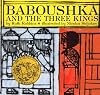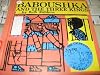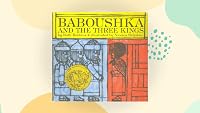
Baboushka and the Three Kings
by Ruth Robbins
On This Page
Description
An old woman who was too busy to travel with the Wise Men to find the Child now searches endlessly for Him each Christmas season.Tags
Recommendations
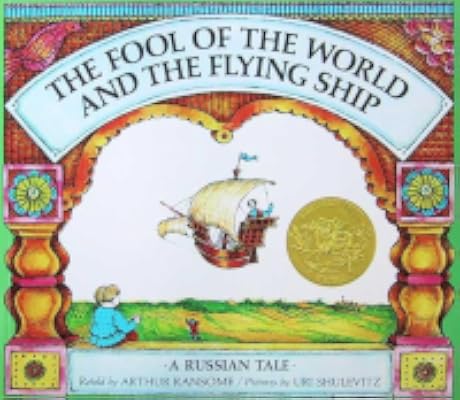
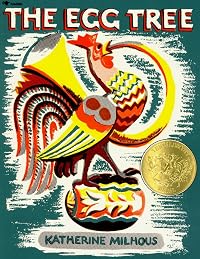
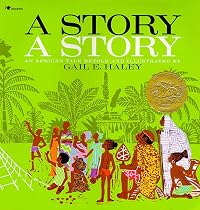
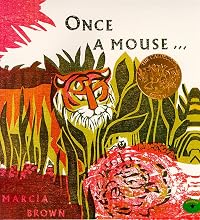
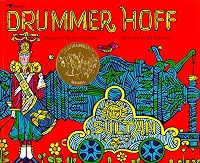
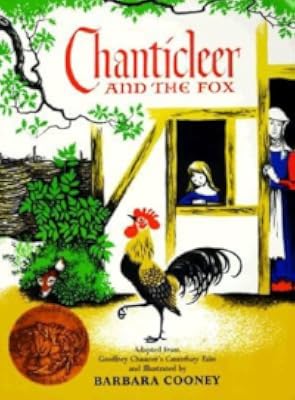
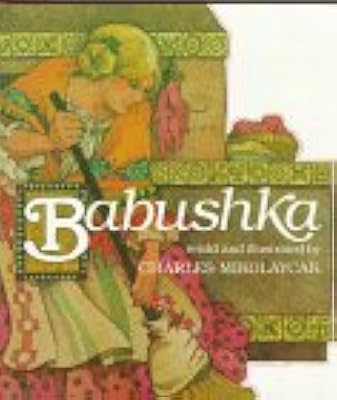
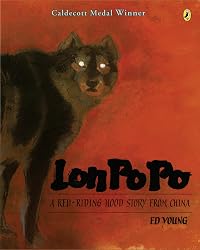
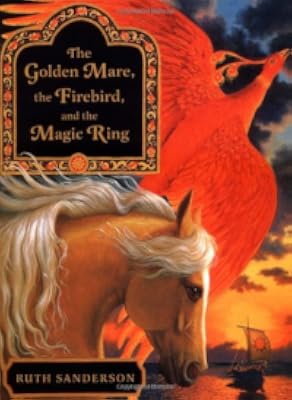
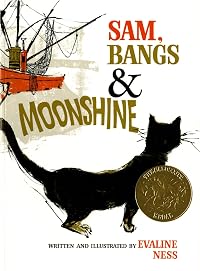
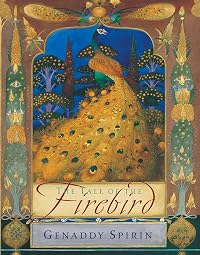
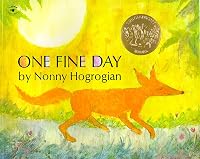
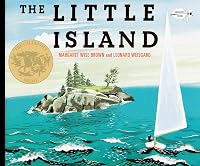
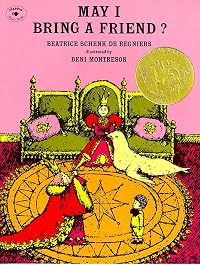
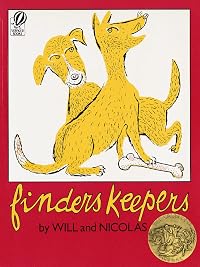
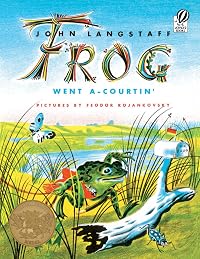
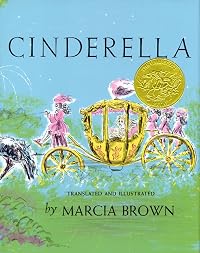


Member Recommendations
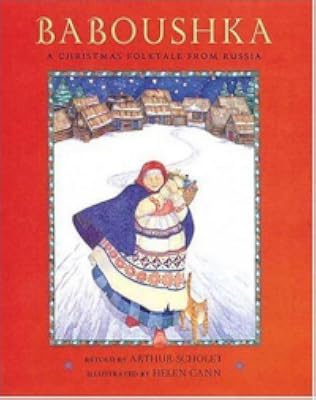
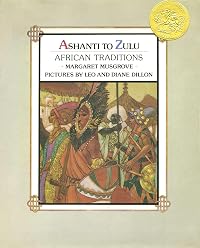
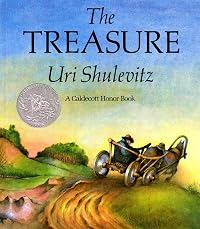
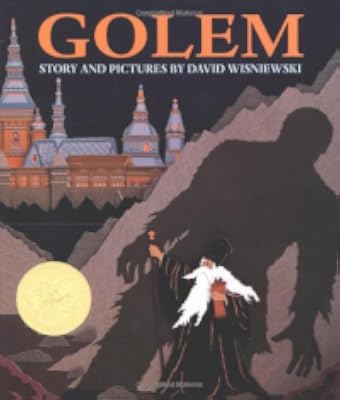
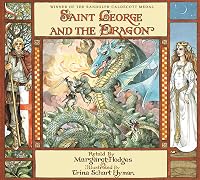
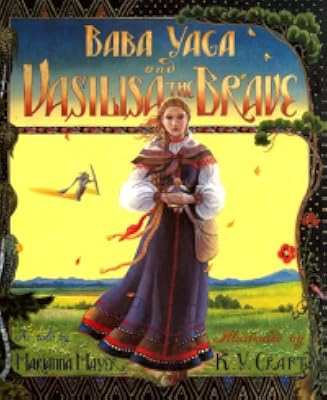
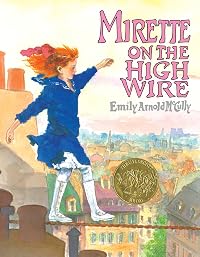
AbigailAdams26 If you enjoyed this story about a Russian grandmother who follows after the Three Kings, you might enjoy another picture book retelling of the same tale
Member Reviews
Revised Review from 12/19/20:
Presented as a Christmas folktale from Russia, Baboushka and the Three Kings is an original story that tells of an old woman who, when the Three Kings stop at her humble cottage on their way to visit the Christ child, chooses not to accompany them on their journey. Regretting this decision almost instantly, Baboushka sets out to follow them the next day, only to find that she cannot overtake them, nor find the child...
Originally published in 1960, and awarded a Caldecott Medal for its illustrations in 1961, this Christmas picture-book is one I read back in 2010, and found quite interesting, despite my lack of appreciation for the artwork (see my original review below). The story reminded me of the Italian show more folktale concerning Old Befana, or the Dominican story of La Vieja Belen, and I assumed at the time that it was simply a Russian variant of a tale type found in multiple cultures. As someone who reads a great deal of folklore, I often find such parallels in the stories I encounter. At some point after writing my initial review, I discovered that this was in fact not a story taken from traditional Russian lore, and that its source was most likely American author Edith M. Thomas' 1907 poem Babushka (A Russian Legend), taken from her collection, Children of Christmas. Apparently there was also a play created for children from this piece. I am not sure what Thomas' sources were, as I have not investigated the subject that extensively, but clearly her work influenced subsequent American children's literature, when it comes to the presentation of this story.
In any case, I had intended to amend my review when I first discovered this new information, but then it somehow escaped me, and in the intervening years, removing the review from goodreads and then adding it again, I forgot all about it. My thanks to Olga, who commented on it, for reminding me. Readers should be aware that this is not a traditional Russian tale, and does not reflect Russian Christmas customs, although it does bear a striking resemblance to the Christmas folklore from other cultures.
Original Review from 12/10/10:
A Christmas folktale from Russia, Baboushka and the Three Kings tells the story of an old woman who, when the Three Kings stop at her humble cottage on their way to visit the Christ child, chooses not to accompany them on their journey. Regretting this decision almost instantly, Baboushka sets out to follow them the next day, only to find that she cannot overtake them, nor find the child...
I understand that Baboushka is something of a Santa Claus figure in traditional Russian culture, bringing holiday gifts for the children. For my part, I have always found this story of a woman's eternal search for the Christ child immensely poignant, and have read it as an allegory of the Christian experience. I wish I could say that I enjoyed Nicolas Sidjakov's illustrations - which were awarded the Caldecott Medal in 1961 - as much as the narrative, but I'm afraid that this particular style of four-color artwork, so popular in the 1960s, does not appeal to me. For those who feel the same, I recommend taking a look at Arthur Scholey's retelling of the same tale (Baboushka A Christmas Folktale from Russia), with illustrations by Helen Cann. show less
Presented as a Christmas folktale from Russia, Baboushka and the Three Kings is an original story that tells of an old woman who, when the Three Kings stop at her humble cottage on their way to visit the Christ child, chooses not to accompany them on their journey. Regretting this decision almost instantly, Baboushka sets out to follow them the next day, only to find that she cannot overtake them, nor find the child...
Originally published in 1960, and awarded a Caldecott Medal for its illustrations in 1961, this Christmas picture-book is one I read back in 2010, and found quite interesting, despite my lack of appreciation for the artwork (see my original review below). The story reminded me of the Italian show more folktale concerning Old Befana, or the Dominican story of La Vieja Belen, and I assumed at the time that it was simply a Russian variant of a tale type found in multiple cultures. As someone who reads a great deal of folklore, I often find such parallels in the stories I encounter. At some point after writing my initial review, I discovered that this was in fact not a story taken from traditional Russian lore, and that its source was most likely American author Edith M. Thomas' 1907 poem Babushka (A Russian Legend), taken from her collection, Children of Christmas. Apparently there was also a play created for children from this piece. I am not sure what Thomas' sources were, as I have not investigated the subject that extensively, but clearly her work influenced subsequent American children's literature, when it comes to the presentation of this story.
In any case, I had intended to amend my review when I first discovered this new information, but then it somehow escaped me, and in the intervening years, removing the review from goodreads and then adding it again, I forgot all about it. My thanks to Olga, who commented on it, for reminding me. Readers should be aware that this is not a traditional Russian tale, and does not reflect Russian Christmas customs, although it does bear a striking resemblance to the Christmas folklore from other cultures.
Original Review from 12/10/10:
A Christmas folktale from Russia, Baboushka and the Three Kings tells the story of an old woman who, when the Three Kings stop at her humble cottage on their way to visit the Christ child, chooses not to accompany them on their journey. Regretting this decision almost instantly, Baboushka sets out to follow them the next day, only to find that she cannot overtake them, nor find the child...
I understand that Baboushka is something of a Santa Claus figure in traditional Russian culture, bringing holiday gifts for the children. For my part, I have always found this story of a woman's eternal search for the Christ child immensely poignant, and have read it as an allegory of the Christian experience. I wish I could say that I enjoyed Nicolas Sidjakov's illustrations - which were awarded the Caldecott Medal in 1961 - as much as the narrative, but I'm afraid that this particular style of four-color artwork, so popular in the 1960s, does not appeal to me. For those who feel the same, I recommend taking a look at Arthur Scholey's retelling of the same tale (Baboushka A Christmas Folktale from Russia), with illustrations by Helen Cann. show less
"Baboushka and the Three Kings" by Ruth Robbins is phenomenal children's book about the story of Baboushka who is trying to help three kings and their men find the a child who is being born in a far away place. This child is very special and they must rejoice his birth. This 1961 classic takes the story of Baboushka and turns it into a masterpiece. The ending leaves you wanting more and leaving you curious if Baboushka ever completed her goal. The pictures in the book are not as well drawn or made as a 21st century book by far, but if they were I think that would take away from the greatness of the book itself. The drawings in the book definitely give the reader the ability to use their imagination rather than being spoon fed the idea.
In Baboushka and the Three Kings, a meager, elderly woman is visited by the three kings searching for the Christ child. They invite her to journey with them and she refuses. Realizing that she has passed up a great opportunity, the next morning she gathers a few gifts and sets out to follow the kings in pursuit of the child. She was unsuccessful in finding the entourage. Legend states that each year on the anniversary of their visit, Baboushka sets out on a journey to find the child, leaving gifts for the children in each village she visits.
Personal Reflection: This story reminds me of a Russian rendition of Saint Nicholas as the Baboushka leaves gifts for the children in honor of the Christ child. It is a good reminder to seize show more opportunities as they arise. It also reinforces the idea that one should never give up on what they believe is the right thing to do.
Extension Ideas:
1. Read this book during the Christmas season and use it and other stories to discuss Christmas traditions across the world and how they differ from our own traditions.
2. Have children explain what they think her journey was like, What do they think it would be like to travel alone? What was the weather like? How did she feel that she didn't go with the Kings? Why did she leave gifts for the children? show less
Personal Reflection: This story reminds me of a Russian rendition of Saint Nicholas as the Baboushka leaves gifts for the children in honor of the Christ child. It is a good reminder to seize show more opportunities as they arise. It also reinforces the idea that one should never give up on what they believe is the right thing to do.
Extension Ideas:
1. Read this book during the Christmas season and use it and other stories to discuss Christmas traditions across the world and how they differ from our own traditions.
2. Have children explain what they think her journey was like, What do they think it would be like to travel alone? What was the weather like? How did she feel that she didn't go with the Kings? Why did she leave gifts for the children? show less
Baboushka, an old woman, is too busy with her household chores to go with the three kings in search of the child. She regrets and unsuccessfully tries to follow them. She continues to try to find the child each year, leaving gifts for children along her journey. The book won the Caldecott medal when it first came out, and the illustrations are surprisingly still lovely although probably in a different sort of way than they were in 1960. The book could be used to discuss the importance of seeking Christ before it is too late. Baboushka is somewhat like Santa Claus when it comes to leaving gifts for children. This Russian folk tale adaptation holds up well. The book includes the music and lyrics to a folk song about the woman.
I have never read a Russian folktale, so I enjoyed seeking out cultural connections in this story. The illustrations in this book stand out, because they consist of only the primary colors, black, and white. The pictures of buildings and characters look Russian, stylistically. This would be a fun story to use before Christmas time, because students would be able to compare Baboushka to Santa Claus. Plus, great critical thinking and discussions could take place around the life lesson that stood out to me which was "no regrets."
This is a lovely re-telling of a Russian folk tale about an old woman who is invited by the three kings on their way to find the baby Jesus to accompany them. But Baboushka hasn't finished her chores and doesn't want to go out on a cold night so the kings go on without her. Later Baboushka decides to find the baby and take it a few small gifts but she cannot find the path the kings made and she cannot find the baby. This book won the Caldecott Medal in 1960 when it was first published as "the most distinguished American picture book for children".
I have friends who prefer other versions of this tale, since this one has a bittersweet ending. The tale is similar to the Italian La Befana; in both, an old woman is invited along with the Three Kings to visit the baby Jesus, but earthly cares delay her and she continues searching for the Child to this day, leaving presents for each child she finds. I love the folkloric illustrations by Nicolas Sidjakov.
Members
- Recently Added By
Lists

Caldecott Medal Books
91 works; 15 members

A Child's Book Tour of Russia
45 works; 4 members

Used books to buy next
565 works; 1 member

The Story of the World: History for the Classical Child: Activity Book Two
415 works; 2 members
Author Information
7+ Works 864 Members
All Editions
Awards and Honors
Common Knowledge
- Original publication date
- 1960
- People/Characters
- Baboushka; Three Kings
- First words
- Long ago and far away, on a winter's evening, the wind blew hard and cold around a small hut.
- Last words
- (Click to show. Warning: May contain spoilers.)They find joy in the poor but precious gifts she leaves behind her in the silent night.
Classifications
- Genres
- Children's Books, Picture Books
- DDC/MDS
- 398.210947 — Society, government, & culture Customs, etiquette & folklore Folklore & Folktales Folk literature Fairy Tales Fairy tales by place Fairy tales of Europe Fairy Tales of Russia and the Baltic States
- LCC
- PZ8.1 .R5 .B — Language and Literature Fiction and juvenile belles lettres Fiction and juvenile belles lettres Juvenile belles lettres
- BISAC
Statistics
- Members
- 804
- Popularity
- 34,672
- Reviews
- 37
- Rating
- (3.75)
- Languages
- English, German
- Media
- Paper
- ISBNs
- 11
- UPCs
- 2
- ASINs
- 8