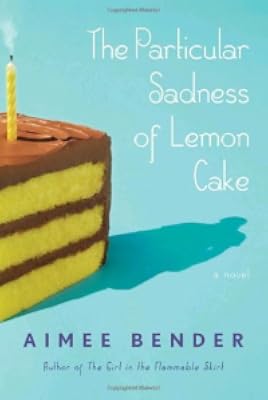
The Particular Sadness of Lemon Cake
by Aimee Bender
On This Page
Description
The wondrous Aimee Bender conjures the lush and moving story of a girl whose magical gift is really a devastating curse. On the eve of her ninth birthday, unassuming Rose Edelstein, a girl at the periphery of schoolyard games and her distracted parents' attention, bites into her mother's homemade lemon-chocolate cake and discovers she has a magical gift: she can taste her mother's emotions in the cake. She discovers this gift to her horror, for her mother--her cheerful, good-with-crafts, show more can-do mother--tastes of despair and desperation. Suddenly, and for the rest of her life, food becomes a peril and a threat to Rose. The curse her gift has bestowed is the secret knowledge all families keep hidden--her mother's life outside the home, her father's detachment, her brother's clash with the world. Yet as Rose grows up she learns to harness her gift and becomes aware that there are secrets even her taste buds cannot discern. The Particular Sadness of Lemon Cake is a luminous tale about the enormous difficulty of loving someone fully when you know too much about them. It is heartbreaking and funny, wise and sad, and confirms Aimee Bender's place as "a writer who makes you grateful for the very existence of language" (San Francisco Chronicle). show lessTags
Recommendations

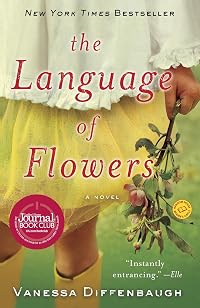

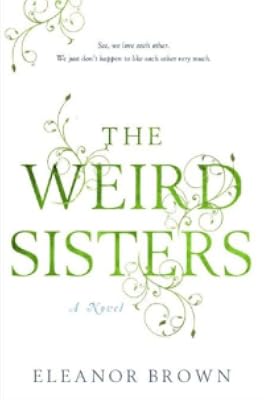
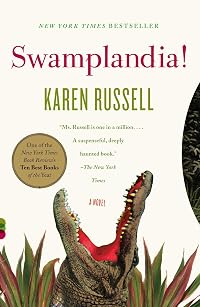
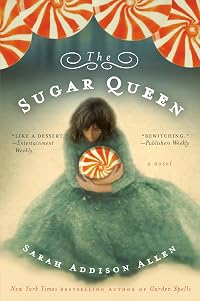










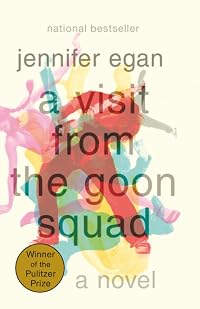
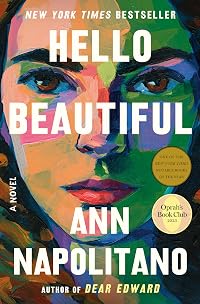
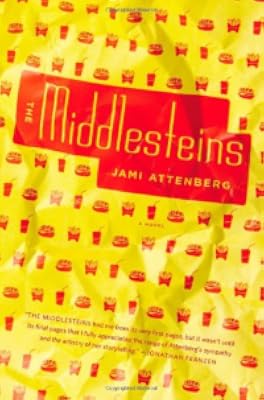
Member Recommendations
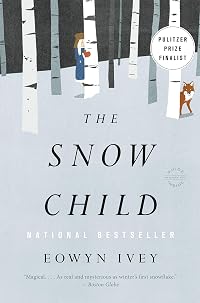
whymaggiemay Both are novels about families dealing with issues and undergoing changes.
70

KatyBee Both have a main character with a unique 'gift' and are well written with a family relationships theme.
30
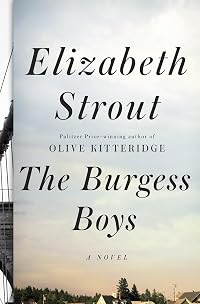
wisemetis Magical realism that relies heavily on food throughout the narrative.
31
akblanchard Both books use magical realism to illuminate family relationships.

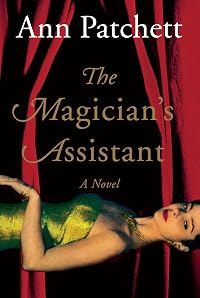
infiniteletters Different types of books, true, but some of the same family problems.
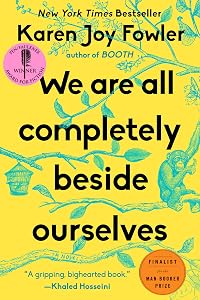
SqueakyChu Moving from one world to another...
Member Reviews
The Particular Sadness of Lemon Cake by Aimee Bender is an exploration of the emotions captured in food. Although Bender specializes in placing the extraordinary in ordinary settings, there's still a recognizable truth to what Rose Edelstein experiences.
Just before her 9th birthday, as Rose and her mother are baking a chocolate frosted lemon cake, she realizes the cake she and her mother have made countless times doesn't taste right. It's not that the recipe is different or that the ingredients are off. No — there's a crushing sadness to it.
From then on, Rose can taste the stories behind every meal she eats. It's not just emotions, but also the foods' origins. She learns a new geography based on the things her meals tell her. In order show more to keep her sanity in all this on rush of information and raw emotion, Rose must learn how and what to eat.
The book follows Rose through her teenage years into early adulthood. She grows into her special ability and finds herself in the process. Along the way she learns she is not alone in having powers — her brother and her father.
As with Bender's short stories, Rose's narration is told with detachment. It's not that she doesn't care — it's just that she is looking back on her life through the new normal. The events of her life, while extraordinary are just part of who she is.
Although the first couple of chapters took some getting used to, I loved watching Rose grow. I recommend reading Bender's book in conjunction with the memoir: A Homemade Life: Stories and Recipes from My Kitchen Table by Molly Wizenberg. show less
Just before her 9th birthday, as Rose and her mother are baking a chocolate frosted lemon cake, she realizes the cake she and her mother have made countless times doesn't taste right. It's not that the recipe is different or that the ingredients are off. No — there's a crushing sadness to it.
From then on, Rose can taste the stories behind every meal she eats. It's not just emotions, but also the foods' origins. She learns a new geography based on the things her meals tell her. In order show more to keep her sanity in all this on rush of information and raw emotion, Rose must learn how and what to eat.
The book follows Rose through her teenage years into early adulthood. She grows into her special ability and finds herself in the process. Along the way she learns she is not alone in having powers — her brother and her father.
As with Bender's short stories, Rose's narration is told with detachment. It's not that she doesn't care — it's just that she is looking back on her life through the new normal. The events of her life, while extraordinary are just part of who she is.
Although the first couple of chapters took some getting used to, I loved watching Rose grow. I recommend reading Bender's book in conjunction with the memoir: A Homemade Life: Stories and Recipes from My Kitchen Table by Molly Wizenberg. show less
(Review duplicates my LJ entry)
Usually I'm not very interested in the books that we read in my book group, but the most recent pick moved me tremendously. It had lots of things I like: a child viewpoint character (at least to start with; she's 22 by the end), characters who are all sympathetic in their way, even the prickly ones, and deep deep love. It also had something I wasn't expecting in a so-called literary novel: superpowers.
The novel is The Particular Sadness of Lemon Cake, by Aimee Bender. It was sad, yes, but in a good way.
The main character, Rose, can tell the emotional state of everyone connected with the production of whatever food she's eating. This isn't just a matter of biting into the casserole your mother slams down on show more the table and saying, Deanna Troi-like, "I sense anger!" It's more complete and nuanced than that:
I know a lot of people get annoyed at the trope in genre fiction of the reluctant superhero, who doesn't want her powers. But in this case, what the power represents is intense empathy, empathy with individual people, and by extension, maybe, with the human condition? And I imagine that really could be overwhelming. Rose finds different ways of coping with her gift, but other members of her family, who have gifts of their own, have a harder time of it. She reflects on this near the end of the book:
The way her brother copes is extreme, surreal, and ultimate, and Rose's way of accepting it seems, to me, to show that deep deep love I was mentioning. Some people are hard to love, but we can still love them, and some things are sad, but we can find a way to bear them.
And the book shows all that, and manages to be not at all as ponderous as this LJ entry. It's actually quite funny in places--and so perceptive about people, and how they behave.
I was really moved and impressed. Book group books, every now and then you're all right. show less
Usually I'm not very interested in the books that we read in my book group, but the most recent pick moved me tremendously. It had lots of things I like: a child viewpoint character (at least to start with; she's 22 by the end), characters who are all sympathetic in their way, even the prickly ones, and deep deep love. It also had something I wasn't expecting in a so-called literary novel: superpowers.
The novel is The Particular Sadness of Lemon Cake, by Aimee Bender. It was sad, yes, but in a good way.
The main character, Rose, can tell the emotional state of everyone connected with the production of whatever food she's eating. This isn't just a matter of biting into the casserole your mother slams down on show more the table and saying, Deanna Troi-like, "I sense anger!" It's more complete and nuanced than that:
It was a homemade ham-and-cheese-and-mustard sandwich, on white bread, with a thin piece of lettuce in the middle. Not bad, in the food part. Good ham, flat mustard from a functional factory. Ordinary bread. Tired lettuce-pickers. But in the sandwich as a whole, I tasted a kind of yelling, almost. Like the sandwich itself was yelling at me, yelling love me, love me, really loud. The guy at the counter watched me closely.
Oh, I said.
My girlfriend made it, he said.
Your girlfriend makes your sandwiches? asked George.
She likes doing it, said the guy.
I didn't know what to say. I put the sandwich down.
What? said the guy.
The sandwich wants you to love it, I said.
The guy started laughing. My voice, though, was dull. George reached over and took a bite. Is that ham? he said.
The sandwich? asked the guy.
Was yelling at me, I said, closing my eyes. It was yelling at me to love it.
--Aimee Bender, The Particular Sadness of Lemon Cake (New York: Doubleday, 2010), 65.
I know a lot of people get annoyed at the trope in genre fiction of the reluctant superhero, who doesn't want her powers. But in this case, what the power represents is intense empathy, empathy with individual people, and by extension, maybe, with the human condition? And I imagine that really could be overwhelming. Rose finds different ways of coping with her gift, but other members of her family, who have gifts of their own, have a harder time of it. She reflects on this near the end of the book:
And just as he said it, like a bird across the sky, my brother flickered through my mind, and although the thought was half formed, it occurred to me that meals were still meals ... and I could pick and chose what I could eat and what I couldn't ... but what if whatever Joseph had felt every day had no shape like that? Had no way to be avoided or modified? Was constant? (266)
The way her brother copes is extreme, surreal, and ultimate, and Rose's way of accepting it seems, to me, to show that deep deep love I was mentioning. Some people are hard to love, but we can still love them, and some things are sad, but we can find a way to bear them.
And the book shows all that, and manages to be not at all as ponderous as this LJ entry. It's actually quite funny in places--and so perceptive about people, and how they behave.
I was really moved and impressed. Book group books, every now and then you're all right. show less
This originally appeared at The Irresponsible Reader.
---
WHAT'S THE PARTICULAR SADNESS OF LEMON CAKE ABOUT?
I don't think I have it in me to do a decent job of this, so I'm just going to use the text from the flap of the dust jacket.
On the eve of her ninth birthday, unassuming Rose Edelstein, a girl at the periphery of schoolyard games and her distracted parents’ attention, bites into her mother's homemade lemon-chocolate cake and discovers she has a magical gift: she can taste her mother's emotions in the slice.
She discovers this gift to her horror, for her mother—her cheerful, good-with-crafts, can-do mother—tastes of despair and desperation. Suddenly, and for the rest of her life, food becomes a peril and a threat to Rose. show more Anything can be revealed at any meal. She can't eat her brother Joseph's toast; a cookie at the local bakery is laced with rage; grape jelly is packed with acidic resentment.
Rose's gift forces her to confront the secret knowledge all families keep hidden—truths about her mother’s life outside the home, her father's strange detachment, Joseph's clash with the world.
Yet as Rose grows up, she realizes there are some secrets that even her taste buds cannot discern.
PARTICULARLY SAD
By page 15 of the novel, I'd already decided the title was pretty descriptive of the book. That impression never left off. Every page drips with sadness—even the most joyful moments of the characters' lives are draped in it. There's no joy, no happiness—the best is some contentedness and satisfaction that Rose finds in the last twenty pages. I'm not sure I remember a novel so consistent in the emotional tone.
SO, WHAT DID I THINK ABOUT THE PARTICULAR SADNESS OF LEMON CAKE
This is a split decision for me. The Bender's prose and language deserve at least 4 stars, maybe more. But for my reaction to the book? It's probably a 2.
Aimee Bender can write—her language is fantastic. The prose is as delicious as the food described isn't. This is the kind of writing that demands attention (maybe it demands a bit too loudly on occasion). If not for what comes in the next paragraph, I'd be requesting every one of her books from the library as soon as I publish this post.
But I found the style off-putting, I didn't care about a single one of these characters and their various plights. I wasn't that curious about Rose's "special skills" (or any others displayed by characters). I didn't care about the story, or anything else. While the writing was dazzling, it seemed distant and detached (a neat trick for a first-person narrative)—and it kept me distant and detached.
I absolutely expect to be the exception to the rule here, that just about everyone else fawns all over this. But...oh, well. For my money, if you want something written like this but with characters/situations/writing that engages you, you're better off picking up a Tiffany McDaniel novel. show less
---
WHAT'S THE PARTICULAR SADNESS OF LEMON CAKE ABOUT?
I don't think I have it in me to do a decent job of this, so I'm just going to use the text from the flap of the dust jacket.
On the eve of her ninth birthday, unassuming Rose Edelstein, a girl at the periphery of schoolyard games and her distracted parents’ attention, bites into her mother's homemade lemon-chocolate cake and discovers she has a magical gift: she can taste her mother's emotions in the slice.
She discovers this gift to her horror, for her mother—her cheerful, good-with-crafts, can-do mother—tastes of despair and desperation. Suddenly, and for the rest of her life, food becomes a peril and a threat to Rose. show more Anything can be revealed at any meal. She can't eat her brother Joseph's toast; a cookie at the local bakery is laced with rage; grape jelly is packed with acidic resentment.
Rose's gift forces her to confront the secret knowledge all families keep hidden—truths about her mother’s life outside the home, her father's strange detachment, Joseph's clash with the world.
Yet as Rose grows up, she realizes there are some secrets that even her taste buds cannot discern.
PARTICULARLY SAD
By page 15 of the novel, I'd already decided the title was pretty descriptive of the book. That impression never left off. Every page drips with sadness—even the most joyful moments of the characters' lives are draped in it. There's no joy, no happiness—the best is some contentedness and satisfaction that Rose finds in the last twenty pages. I'm not sure I remember a novel so consistent in the emotional tone.
SO, WHAT DID I THINK ABOUT THE PARTICULAR SADNESS OF LEMON CAKE
This is a split decision for me. The Bender's prose and language deserve at least 4 stars, maybe more. But for my reaction to the book? It's probably a 2.
Aimee Bender can write—her language is fantastic. The prose is as delicious as the food described isn't. This is the kind of writing that demands attention (maybe it demands a bit too loudly on occasion). If not for what comes in the next paragraph, I'd be requesting every one of her books from the library as soon as I publish this post.
But I found the style off-putting, I didn't care about a single one of these characters and their various plights. I wasn't that curious about Rose's "special skills" (or any others displayed by characters). I didn't care about the story, or anything else. While the writing was dazzling, it seemed distant and detached (a neat trick for a first-person narrative)—and it kept me distant and detached.
I absolutely expect to be the exception to the rule here, that just about everyone else fawns all over this. But...oh, well. For my money, if you want something written like this but with characters/situations/writing that engages you, you're better off picking up a Tiffany McDaniel novel. show less
I loved this book. Bender has a way of conveying the emotions of the characters in a way that feels subtle enough to be real and yet strong enough to make the feelings comprehensible. Too many times, when I read a sad book, it feels heavy handed. None of that comes across here, and perhaps others would disagree that it is a sad book, but for me I truly felt the longing, the isolation, and the sometimes depression of Rose Edelstein. Others criticize the book for its "magical" aspects, but at the end of the day, I felt like the book fulfilled one of the missions of magical realism for me, namely that the magic allowed me to understand the characters in a way that simple realism would not be able to (and, of course, none of this story show more would be possible without the magic).
Anyone who has ever felt different in a way that cannot be explained or who has felt isolated from the world at large will enjoy this book. If nothing else, Bender's prose is simple and yet gorgeous and easy to get lost in. The ending was somewhat heartbreaking for me personally, but completely in keeping with the rest of the book.
What I will take away from this book was the relationships between the family members. The emotional storm of Rose's mother and her love for Rose (but her selfishness as well for her own needs), her father's seeming quiet detachment from her and the rest of the family (but of course, a lot is going on there that you only find out about later), and especially her relationship with her brother. Every character felt full and complete (a rarity, it seems, in books these days) and I really have not enjoyed a book this much in quite a long time. show less
Anyone who has ever felt different in a way that cannot be explained or who has felt isolated from the world at large will enjoy this book. If nothing else, Bender's prose is simple and yet gorgeous and easy to get lost in. The ending was somewhat heartbreaking for me personally, but completely in keeping with the rest of the book.
What I will take away from this book was the relationships between the family members. The emotional storm of Rose's mother and her love for Rose (but her selfishness as well for her own needs), her father's seeming quiet detachment from her and the rest of the family (but of course, a lot is going on there that you only find out about later), and especially her relationship with her brother. Every character felt full and complete (a rarity, it seems, in books these days) and I really have not enjoyed a book this much in quite a long time. show less
No closure. This book gives you no closure.
But it does give you an experience. If you are willing to suspend your disbelief and your critical voice, if you are willing to jump in and take the ride, in return Aimee Bender gives you the experience of being the emotionally neglected child in a family of individuals too consumed with their own problems.
See, Rose has little interior emotional life she can tell the reader. She has little interior emotional life she can tell herself. And no one in her family is listening– much less knows how to teach her to navigate her own emotions. Or life, for that matter.
So when she starts being able to taste the feelings of those who make her food, whether her mom in the family kitchen or the individual show more in a far away factory, she's in real trouble. This skill/gift/talent/curse would be nearly unnavigable for a child in a supportive family; it would be confusing and overwhelming for an adult with some sense of self.
But for the younger child of a family who already has a child who has extra needs, and for parents who themselves cannot navigate their own lives separately or together, tasting the emotions of others in your food means you are utterly screwed.
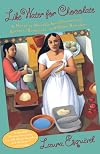
It's not in a "Like Water for Chocolate" way: the romance of food, and the enjoyment of life even when it's horrible.
It's more in the line of my-food-is-trying-to-kill-me.
And following the story of what a person has to do to herself to survive under those circumstances isn't done with a narrator with a full, functional voice. It's done in the voice of someone who has hollowed herself out, stripped away parts of herself so she can perhaps survive. The amount of heartbreak in this book is not for the faint of heart: by the last few scenes I was sobbing so hard I thought I would throw up. A feel-good book this isn't; no redeeming Nick Hornby moments here. Bender has written in such a masterful way that she creates the hollowed-out, desperate, needy feelings in this reader as in her protagonist.
I was willing to take the ride: by the third or so chapter I recognized something true about it, as the younger child of an extra needs sibling. Once I waded into it, which was pretty slow going to be honest, I couldn't stop reading. I was drawn from chapter to chapter with Bender's promise of filling that hollowness or neediness with Something. Anything. Please! God! It reminded me of Wind-Up Bird Chronicles (Murakami) in this way, pulling me from chapter to chapter as I sought to resolve the same hollowness and confusion in me-as-reader as in the protagonist.
It's a promise she never fulfills and a hollowness never filled. It's never filled for Rose, either. show less
But it does give you an experience. If you are willing to suspend your disbelief and your critical voice, if you are willing to jump in and take the ride, in return Aimee Bender gives you the experience of being the emotionally neglected child in a family of individuals too consumed with their own problems.
See, Rose has little interior emotional life she can tell the reader. She has little interior emotional life she can tell herself. And no one in her family is listening– much less knows how to teach her to navigate her own emotions. Or life, for that matter.
So when she starts being able to taste the feelings of those who make her food, whether her mom in the family kitchen or the individual show more in a far away factory, she's in real trouble. This skill/gift/talent/curse would be nearly unnavigable for a child in a supportive family; it would be confusing and overwhelming for an adult with some sense of self.
But for the younger child of a family who already has a child who has extra needs, and for parents who themselves cannot navigate their own lives separately or together, tasting the emotions of others in your food means you are utterly screwed.
It's not in a "Like Water for Chocolate" way: the romance of food, and the enjoyment of life even when it's horrible.
It's more in the line of my-food-is-trying-to-kill-me.
And following the story of what a person has to do to herself to survive under those circumstances isn't done with a narrator with a full, functional voice. It's done in the voice of someone who has hollowed herself out, stripped away parts of herself so she can perhaps survive. The amount of heartbreak in this book is not for the faint of heart: by the last few scenes I was sobbing so hard I thought I would throw up. A feel-good book this isn't; no redeeming Nick Hornby moments here. Bender has written in such a masterful way that she creates the hollowed-out, desperate, needy feelings in this reader as in her protagonist.
I was willing to take the ride: by the third or so chapter I recognized something true about it, as the younger child of an extra needs sibling. Once I waded into it, which was pretty slow going to be honest, I couldn't stop reading. I was drawn from chapter to chapter with Bender's promise of filling that hollowness or neediness with Something. Anything. Please! God! It reminded me of Wind-Up Bird Chronicles (Murakami) in this way, pulling me from chapter to chapter as I sought to resolve the same hollowness and confusion in me-as-reader as in the protagonist.
It's a promise she never fulfills and a hollowness never filled. It's never filled for Rose, either. show less
This book made me sad- after I read it, I felt slightly haunted by it, and empty. What an awful thing, to be able to taste the emotions of the people who made the food, in the food. To learn things about your mother, your friends, anyone, that you didn't want to know. Especially for Rose, who is only nine when this begins, and learns more than is appropriate for her age, emotions that are adult and confusing.
I felt so horrible for Rose, the whole book- she has an emotionally distant family, and she is reaching out for attention and love from them to be rejected. The only person who seems to give her any attention at all is her brother's friend George. Her mother has a creepy weird obsession with Rose's older brother, that is so show more unhealthy yet her father does not see it or do anything about it if he does. Rose's mother is flighty and can't seem to make decisions on her own, she needs a sign from the universe or a person to guide her, which she believed was Joseph, her oldest child and son. Joseph was an another emotionally distant family member- except he was that way with his entire family, not just Rose. He has his own special skill that we learn about at the end of the book, and it is extremely bizarre, and to be honest, I am not sure how I feel about it quite yet. Her dad has moments where he surfaces from whereever he is, and is a parent and friend to Rose. Rose lives many years in an isolated world, where only her brother and George know of her "gift". She struggles through this rugged life, dealing with all her mother's baggage with every bite, having to be more responsible and grown up than she should be. The end of the book made me hopeful for Rose though; she finds good uses for her gift, and is beginning to break free of her family.
This book made me think about how we really do probably leave our emotions in what we make- we always hear about things being baked with love, and you really can taste the difference between something made with care and something that was not. At one point, Rose eats her own food for the first time, and says she tastes a bit like a factory- I believe that she does because she made the food methodically, purposefully withholding emotion, so that she was not overwhelmed by her own feelings when she ate it.
I am going to think twice now about my moods while I am cooking- I want only positive thoughts and energy going into my food! show less
I felt so horrible for Rose, the whole book- she has an emotionally distant family, and she is reaching out for attention and love from them to be rejected. The only person who seems to give her any attention at all is her brother's friend George. Her mother has a creepy weird obsession with Rose's older brother, that is so show more unhealthy yet her father does not see it or do anything about it if he does. Rose's mother is flighty and can't seem to make decisions on her own, she needs a sign from the universe or a person to guide her, which she believed was Joseph, her oldest child and son. Joseph was an another emotionally distant family member- except he was that way with his entire family, not just Rose. He has his own special skill that we learn about at the end of the book, and it is extremely bizarre, and to be honest, I am not sure how I feel about it quite yet. Her dad has moments where he surfaces from whereever he is, and is a parent and friend to Rose. Rose lives many years in an isolated world, where only her brother and George know of her "gift". She struggles through this rugged life, dealing with all her mother's baggage with every bite, having to be more responsible and grown up than she should be. The end of the book made me hopeful for Rose though; she finds good uses for her gift, and is beginning to break free of her family.
This book made me think about how we really do probably leave our emotions in what we make- we always hear about things being baked with love, and you really can taste the difference between something made with care and something that was not. At one point, Rose eats her own food for the first time, and says she tastes a bit like a factory- I believe that she does because she made the food methodically, purposefully withholding emotion, so that she was not overwhelmed by her own feelings when she ate it.
I am going to think twice now about my moods while I am cooking- I want only positive thoughts and energy going into my food! show less
A sad but totally thought-provoking story about a girl with a very unusual ability--she can taste feelings in food. Really, the pull of this book is the usual family drama, (a genre I generally refer to as "unhappy suburban marriage books"). I've read a lot of those books because I'm interested in people's secret inner lives--their hidden sadnesses, their weird joys, their struggles to be happy. What makes Lemon Cake special is this crazy magical food-psychic element. It allows a nine-year-old kid to have a window into her grown-up mother's secret inner life. And it also makes her see the world in a completely unique and weird way.
The girl, Rose, was so sad, though. I just wanted her to be happy, but this book has precious few light show more moments. It's mostly angst, which can turn a lot of readers off. And I wasn't a fan of all of Aimee Bender's sentence fragments because while reading it, I was like, how hard is it to just insert the word "is" and make that a complete sentence? It's a little pretentious and unnecessary to litter your paragraphs with sentence fragments when they're not really enhancing the voice or the prose.
Still, I was moved by this book. I read most of it on a long flight and I had to struggle not to cry audibly a couple times. show less
The girl, Rose, was so sad, though. I just wanted her to be happy, but this book has precious few light show more moments. It's mostly angst, which can turn a lot of readers off. And I wasn't a fan of all of Aimee Bender's sentence fragments because while reading it, I was like, how hard is it to just insert the word "is" and make that a complete sentence? It's a little pretentious and unnecessary to litter your paragraphs with sentence fragments when they're not really enhancing the voice or the prose.
Still, I was moved by this book. I read most of it on a long flight and I had to struggle not to cry audibly a couple times. show less
Members
- Recently Added By
Published Reviews
ThingScore 75
Had the novel focused only on this imaginative food conceit, it would have been merely clever - but Bender is too good a writer for that. She uses Rose's secret burden as a means of exploring the painful limits of empathy, the perils of loneliness, and Rose's deeply dysfunctional family.
added by zhejw
Bender has inherited at least three profound strains, three genetic codes or lines of inquiry from her forebears in American literature. There's the Faulknerian loneliness, the isolation that comes from our utter inability, as human beings, to truly communicate with each other; the crippling power of empathy (how to move forward when everyone around you is in pain) that is so common in our show more literature it's hard to attach a name to it, and the distance created by humor, a willfully devil-may-care attitude that allowed, for example, Mark Twain to skip with seeming abandon around serious issues like racism and poverty. show less
added by zhejw
Lists

Magic Realism
371 works; 52 members

Amusing Book Titles
146 works; 39 members

Vulture's 100 Best Books of the 21st Century (So Far)
98 works; 9 members

Powell's Indiespensable
79 works; 6 members

Books Set in California
112 works; 15 members

Bookriot's 100 Must-Read Sci-Fi Fantasy Novels By Female Authors
100 works; 9 members

Adult Books for YA Readers
194 works; 6 members

Mothers and Daughters
114 works; 11 members

My E-Book Collection - Opinions Welcome
92 works; 10 members

feasting on fiction
24 works; 5 members

Books Read in 2017
4,249 works; 130 members

Llibres que he llegit el 2020
50 works; 1 member

SantaThing 2014 Gifts
299 works; 17 members

Books by Jewish Authors
68 works; 5 members

2010s
241 works; 3 members

Books Read in 2012
816 works; 34 members

A Smorgasbord of Culinary Fiction
221 works; 94 members

Books With the Most Memorable Titles
478 works; 158 members

Books recommended by Calgary Public Library staff
1,588 works; 4 members
Author Information

27+ Works 6,986 Members
As a child, Aimee Bender enjoyed reading fairy tales, particularly the stories of Hans Christian Andersen. She began creating her own stories, and later, as an elementary school teacher, she enjoyed telling her students both traditional fairy tales and stories she had made up herself. Eventually, she began writing short stories, which have been show more published in a variety of magazines, including Granta, GQ, Story, and The Antioch Review. Her first book, The Girl in the Flammable Skirt, a collection of her stories, was published in 1998. Bender's work is intended for adults rather than children, but many of her short stories could be described as contemporary fairy tales. Bender's stories often include some of the same elements that she enjoyed encountering in fairy tales, such as of magic, fantasy, surprise, humor, and absurdity. Although she has found success as a writer, Bender continues to teach because she enjoys the interaction with others and feels she needs that contact to balance the solitude that is required for her writing. In addition to teaching elementary school, she has taught in the UCLA Extension Writers' Program and in the writing program at the University of California at Irvine, where she received her M.F.A. Bender lives in Los Angeles. (Bowker Author Biography) show less
Awards and Honors
Distinctions
Notable Lists
Common Knowledge
- Canonical title
- The Particular Sadness of Lemon Cake
- Original publication date
- 2010
- People/Characters
- Rose Edelstein; Joseph Edelstein; Lane Edelstein; George Malcolm
- Important places
- Beverly Hills, California, USA
- Epigraph
- "Food is all those substances which, submitted to the action of the stomach, can be assimilated or changed into life by digestion, and can thus repair the losses which the human body suffers through the art of living." -Jean ... (show all)Anthelme Brillat-Savarin
- First words
- It happened for the first time on a Tuesday afternoon, a warm spring day in the flatlands near Hollywood, a light breeze moving east from the ocean and stirring the black-eyes pansy petals newly planted in our flower boxes.
- Quotations
- It was like we were exchanging codes, on how to be a father and a daughter, like we’d read about it in a manual, translated from another language, and were doing our best with what we could understand.
- Last words
- (Click to show. Warning: May contain spoilers.)Was it so different than the choice of a card-table chair, except my choice meant I could stay in the world and his didn't?
- Blurbers
- Jodi Picoult
- Original language
- English
Classifications
Statistics
- Members
- 3,638
- Popularity
- 4,467
- Reviews
- 291
- Rating
- (3.36)
- Languages
- 12 — Catalan, Czech, Dutch, English, French, German, Hungarian, Italian, Korean, Portuguese, Spanish, Turkish
- Media
- Paper, Audiobook, Ebook
- ISBNs
- 37
- ASINs
- 15