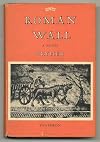
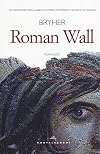
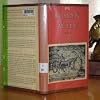
Roman Wall
by Bryher
On This Page
Tags
Recommendations

















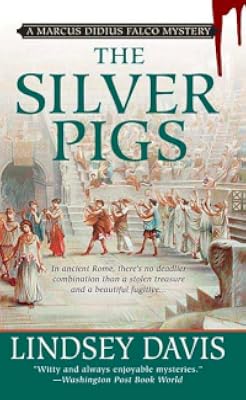

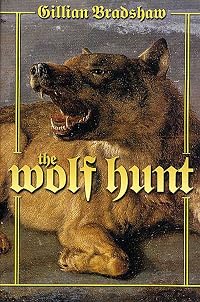



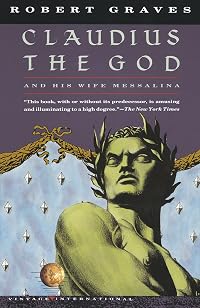


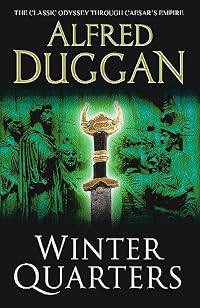

Member Recommendations
pitjrw Reflections on the end of civilization
Member Reviews
review 5*****. I loved this book, which was published in 1954! This novel told of Helvetia, 265 AD and "its destruction, of the disappearance of its roads, and walls, and peace" [cf. back cover] because of the barbarian Alemanni.
The story begins with Valerius, a retired centurion, living on a farm near the city of Orba. He is asked by Governor/Military Commander Vinodius of Helvetia, who lives in the capital, Aventicum, to remain in active service. The frontier outposts are severely undermanned. Rome...more 5*****. I loved this book, which was published in 1954! This novel told of Helvetia, 265 AD and "its destruction, of the disappearance of its roads, and walls, and peace" [cf. back cover] because of the barbarian Alemanni.
The story show more begins with Valerius, a retired centurion, living on a farm near the city of Orba. He is asked by Governor/Military Commander Vinodius of Helvetia, who lives in the capital, Aventicum, to remain in active service. The frontier outposts are severely undermanned. Rome and Emperor Gallien don't seem to care about the limes. We are introduced to Julia, Valerius' widowed sister and her two wards, Veria and Nennius. Then we meet Demetrius, a travelling trader, his freedman "surly" Felix, various other legionaries, military officers, and civilians. We get to know and care about these people. The threat of invasion from the barbarian Alemanni quickly turns from rumor into reality, as city after city is burned and people are killed. The novel takes us through how all the characters cope with the violent upheaval in their lives.
What was outstanding was the character portraits the author painted, through the actions and dialogue of a whole cast of characters. The descriptions of the Swiss countryside were marvellous and so evocative. I could almost see the landscapes and lakes and smell the flowers. The defense of Aventicum was exciting, told to us through the eyes and actions of a young auxiliary, Plinius. [From his backstory, I'm assuming he was Pliny the Younger, moved to this time period]. The very basic facts of history were accurate, but I think the author used much literary license. Bryher's style was often lyrical. I did have to write out a rough 'List of Characters' along with what part each played in the story; the only factual information in the book was modern equivalents for the Latin names. I had to find a map of Roman Helvetia to find the locations of the various places named in the story; I wish the author had included even a simple map. This one was the best I could find: http://en.wikipedia.org/wiki/File:His...
I am eager to read more historical fiction by Bryher.
Most highly recommended for lovers of Roman historical fiction in the later Empire!! show less
The story begins with Valerius, a retired centurion, living on a farm near the city of Orba. He is asked by Governor/Military Commander Vinodius of Helvetia, who lives in the capital, Aventicum, to remain in active service. The frontier outposts are severely undermanned. Rome...more 5*****. I loved this book, which was published in 1954! This novel told of Helvetia, 265 AD and "its destruction, of the disappearance of its roads, and walls, and peace" [cf. back cover] because of the barbarian Alemanni.
The story show more begins with Valerius, a retired centurion, living on a farm near the city of Orba. He is asked by Governor/Military Commander Vinodius of Helvetia, who lives in the capital, Aventicum, to remain in active service. The frontier outposts are severely undermanned. Rome and Emperor Gallien don't seem to care about the limes. We are introduced to Julia, Valerius' widowed sister and her two wards, Veria and Nennius. Then we meet Demetrius, a travelling trader, his freedman "surly" Felix, various other legionaries, military officers, and civilians. We get to know and care about these people. The threat of invasion from the barbarian Alemanni quickly turns from rumor into reality, as city after city is burned and people are killed. The novel takes us through how all the characters cope with the violent upheaval in their lives.
What was outstanding was the character portraits the author painted, through the actions and dialogue of a whole cast of characters. The descriptions of the Swiss countryside were marvellous and so evocative. I could almost see the landscapes and lakes and smell the flowers. The defense of Aventicum was exciting, told to us through the eyes and actions of a young auxiliary, Plinius. [From his backstory, I'm assuming he was Pliny the Younger, moved to this time period]. The very basic facts of history were accurate, but I think the author used much literary license. Bryher's style was often lyrical. I did have to write out a rough 'List of Characters' along with what part each played in the story; the only factual information in the book was modern equivalents for the Latin names. I had to find a map of Roman Helvetia to find the locations of the various places named in the story; I wish the author had included even a simple map. This one was the best I could find: http://en.wikipedia.org/wiki/File:His...
I am eager to read more historical fiction by Bryher.
Most highly recommended for lovers of Roman historical fiction in the later Empire!! show less
1952. Set in A.D. 265, as the Roman Empire declines, the people in the farthest reaches are gradually pushed back by the Alemanni Barbarian hordes. In this short, accessible novel, Roman governors, greek merchants, and native Helvetians must decide when to fight for, or abandon, their homes near Aventicun and Orba. Does a fairly good job of making you feel like you were there, but I felt like the characters were kind of flat.
Ratings
Members
- Recently Added By
Lists

Best Roman Empire Books
49 works; 18 members
Best historical fiction set in the ancient world
126 works; 40 members
Author Information

26+ Works 489 Members
Awards and Honors
Common Knowledge
- Canonical title
- Roman Wall
- Original publication date
- 1954
- Important places
- Ancient Rome; Switzerland
Classifications
Statistics
- Members
- 49
- Popularity
- 614,066
- Reviews
- 2
- Rating
- (3.80)
- Languages
- English, Italian
- Media
- Paper
- ISBNs
- 2
- ASINs
- 3