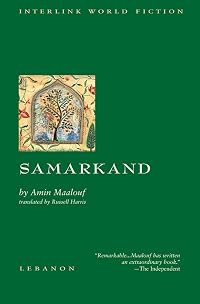
Samarkand
by Amin Maalouf
On This Page
Description
A gripping historical novel set in 11th century Persia that imagines the life of poet and philosopher Omar Khayyam Accused of mocking the inviolate codes of Islam, the Persian poet and sage Omar Khayyam fortuitously finds sympathy with the very man who is to judge his alleged crimes. Recognising genius, the judge decides to spare him and gives him instead a small, blank book, encouraging him to confine his thoughts to it alone. Thus begins the seamless blend of fact and fiction that is show more Samarkand. Vividly re-creating the history of the manuscript of the Rubaiyaat of Omar Khayyam, Amin Maalouf spans continents and centuries with breathtaking vision: the dusky exoticism of 11th-century Persia, with its poetesses and assassins; the same country's struggles nine hundred years later, seen through the eyes of an American academic obsessed with finding the original manuscript; and the fated maiden voyage of the Titanic, whose tragedy led to the Rubaiyaat's final resting place - all are brought to life with keen assurance by this gifted and award-winning writer. show lessTags
Recommendations
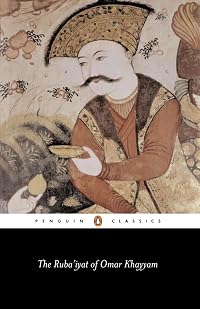
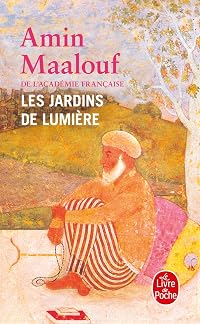
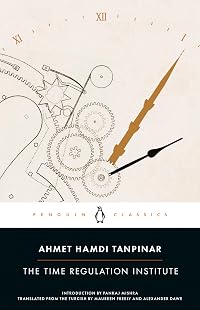
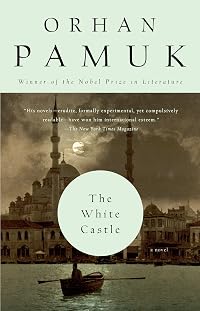
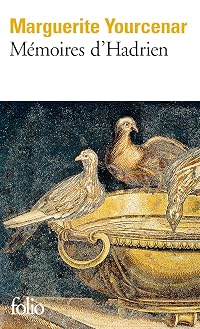
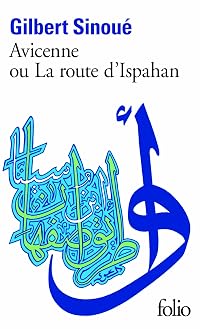
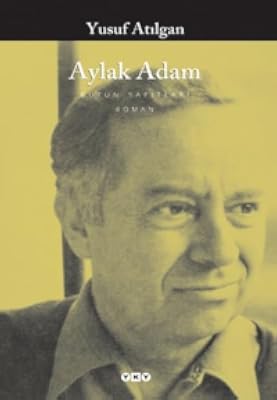

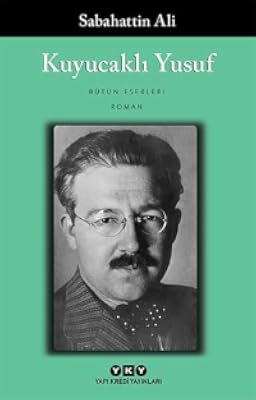
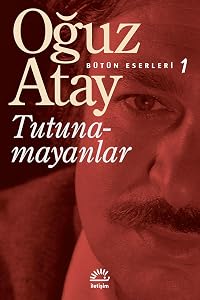
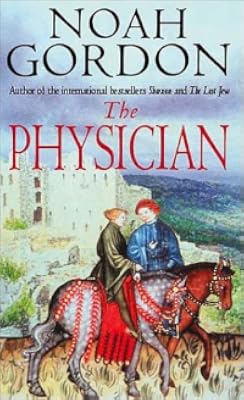






Member Recommendations
Member Reviews
Sempre dava uma revirada nos meus olhinhos quando, entre 2015 e 2018, via algum meme sobre como os historiadores iam explicar no futuro o que aconteceu no Brasil naquele período, quem diria isso não tinha o mínimo de perspectiva histórica do mundo e nem do próprio Brasil, já aconteceram reiteradas vezes coisas mais complexas desde sempre, pega qualquer pedaço de história da Roma Antiga ou da Pérsia e verás.
A TAG desse mês enviou um livro que se constrói como ficção histórica através da história do Irã, metade do livro se passa no período em que viveu Omar Khayyam (Samarcanda é o nome da cidade em que nasceu) e em que nasceu a famosa ordem xiita dos assassinos. Fazendo uma elipse temporal gigantesca, ruma-se na show more segunda metade para a virada do século XIX para o XX, em que a história da Pérsia ainda está numa repetição infinita do espéculo da Idade Média, com golpe político atrás de golpe político.
Ficção histórica não é o tipo de livro que usualmente pego pra ler, mas gosto em geral deles, especialmente quando têm essa coisa tão viva adequada aos acontecimentos históricos, na segunda metade o protagonista estava tão bem enquadrado quanto o Indiana Jones em seus filmes, que, pra variar, também perdeu uma relíquia histórica para as forças das circunstâncias. show less
A TAG desse mês enviou um livro que se constrói como ficção histórica através da história do Irã, metade do livro se passa no período em que viveu Omar Khayyam (Samarcanda é o nome da cidade em que nasceu) e em que nasceu a famosa ordem xiita dos assassinos. Fazendo uma elipse temporal gigantesca, ruma-se na show more segunda metade para a virada do século XIX para o XX, em que a história da Pérsia ainda está numa repetição infinita do espéculo da Idade Média, com golpe político atrás de golpe político.
Ficção histórica não é o tipo de livro que usualmente pego pra ler, mas gosto em geral deles, especialmente quando têm essa coisa tão viva adequada aos acontecimentos históricos, na segunda metade o protagonista estava tão bem enquadrado quanto o Indiana Jones em seus filmes, que, pra variar, também perdeu uma relíquia histórica para as forças das circunstâncias. show less
A mildly disappointing book! As there are 24 reviews already here I won't precis it but assume that the reader is familiar with the storyline. The best thing about this book is that because I don't know much about the histories it is set against, there is a sense of wonder... is this a true thing that happened? I have a bunch of things to go and look up and learn about. That is great! But the story, well, Omar Khayyam's story was alright, but Benjamin's story is odd. There's a lot of Orientalism there, its the story of three Western men who try to save Iran. Its kind of patriarchal too, especially the second part where the women are just foils or plot devices or completely invisible. The story kind of fades out and into a bit about the show more Titanic that is really a bit lame. Woman has intuition, titanic sinks, book is lost, women disappears. The loss of the book and the disappearance of the woman are kind of interlinked; was it a dream? Did either ever exist? It's supposed to be deep but it's pretty lame really. Finally, this is a work of translation and so its hard to know if the original was a work of great literary beauty or not. The language is perfectly adequate but there's no poetry. Even the poetry is suspicious, did Khayyam's work really rhyme in English? Of course not, its been translated in tone and surely has lost something! On the whole this book is OK but I was expecting something more! show less
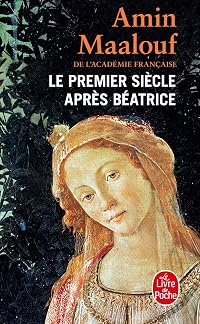
I first discovered Amin Maalouf soon after he published his first novel, Leo Africanus, in the early 1990s. I returned to him only last year when I read The First Century After Beatrice. I was not impressed. I have now finished Samarkand. Again, I am unimpressed. Samarkand is really two books tied by the slimmest of threads. The first half is the story of the life of Omar Khayyam and the composition of the Rubaiyaat; the second half is a highly abbreviated retelling of the Persian Constitutional Revolution of 1905-1911 (it is done very selectively, though it is a fascinating story). Maalouf links to stories through an invented American protagonist who “rediscovers” Khayyam’s original manuscript and attempts to preserve it by show more taking it out of the country by taking it aboard...wait for it…the Titanic. The only link between story 1 and story 2 is the manuscript: part 1 tells about its creation and places it in context, though the story is far more focused on Khayyam’s life than on the text. Part 2 recounts the manuscript’s “rediscovery and loss. Maalouf is a wonderful writer; his prose is easy to read, fluid, and compelling. But Samarkand doesn’t repay the time it takes to read in any substantial way. Or, perhaps a bit more precisely, it’s a “beach read.” By that I mean it’s entertaining, enjoyable reading but nothing more. Both stories are absorbing, although the second is a bit too abridged, since Maalouf only uses it as a frame to link his own inventions. Since I have several more of his books, I suspect I’ll give Maalouf another shot one of these days…but I can’t say I’m optimistic. show less
The narrator tells the story of Omar Khayyam's own manuscript of his rubaiyat in two parts, the first focussing on Khayyam's life and the first century of the Seljuk empire and the second on Persia in the late 19th and pre-WWI 20th centuries when the country was subject to the machinations of Britain and Russia, both determined that democracy should not take root there.
Both parts were fascinating and given the events of the last few days an unexpectedly timely read.
Both parts were fascinating and given the events of the last few days an unexpectedly timely read.
Edward Fitzgerald's Victorian-era translation of Omar Khayyam's Rubaiyaat profoundly influenced the West's perception (or misperception) of Persia. Lebanese author Maalouf tries to set the record straight in this fictional history of Omar's personal manuscript copy of the famous quatrains. The first half of the book introduces three world-historical Persians: Omar himself, a brilliant poet, mathematician, and astronomer; the vizier Nizam al-Mulk, a philosophical despot whose political theories anticipate Machiavelli; and the fanatical cult leader Hassan, who commands an invincible army of assassins from the mountain fortress of Alamut. In the second half, a wealthy collector miraculously recovers the lost manuscript and books passage show more home on the Titanic in celebration. show less
Early on in my reading life I encountered The Rubaiyat of Omar Khayyam in the famous translation by Edward Fitzgerald. This novel rekindled my memory of that first experience of Omar Khayyam and filled in some background with an imaginative fictional life as recounted in the Samarkand manuscript. Amin Maalouf succeeds in creating this life and in his tale brings the 11th century culture of Samarkand to life. He rejects the typical approach to long past tragedies and historical accounts, relying on whatever accurate information funded by the sponsor of the book or the publisher, Maalouf instead touches upon history and uses it as a backdrop to his fascinating tale.I enjoyed the excursion into fictional history behind one of my favorite show more books. show less
The story of Omar Khayyam, and of the American who find his manuscript at a time of cultural turmoil in Persia/Iran and loses it again on the Titanic. This feels like a book that people should be reading now. Khayyam lives in a middle east full of battle, tyranny, luxury and passionate difference about the right way to live in a Muslim society. Lesage lives at the turn of the twentieth century when Iran is caught between imperialism, westernisation and its own traditions. Romantic in many ways, sensuous and pleasurable, it tells us about the 'other', the mysterious east, that might not be as mysterious and incomprehensible as we still think (though - sadly - with less romance and more fear)
Members
- Recently Added By
Published Reviews
35 livres cultes à lire au moins une fois dans sa vie
Quels sont les romans qu'il faut avoir lu absolument ? Un livre culte qui transcende, fait réfléchir, frissonner, rire ou pleurer… La littérature est indéniablement créatrice d’émotions. Si vous êtes adeptes des classiques, ces titres devraient vous plaire.
De temps en temps, il n'y a vraiment rien de mieux que de se poser devant show more un bon bouquin, et d'oublier un instant le monde réel. Mais si vous êtes une grosse lectrice ou un gros lecteur, et que vous avez épuisé le stock de votre bibliothèque personnelle, laissez-vous tenter par ces quelques classiques de la littérature. show less
Quels sont les romans qu'il faut avoir lu absolument ? Un livre culte qui transcende, fait réfléchir, frissonner, rire ou pleurer… La littérature est indéniablement créatrice d’émotions. Si vous êtes adeptes des classiques, ces titres devraient vous plaire.
De temps en temps, il n'y a vraiment rien de mieux que de se poser devant show more un bon bouquin, et d'oublier un instant le monde réel. Mais si vous êtes une grosse lectrice ou un gros lecteur, et que vous avez épuisé le stock de votre bibliothèque personnelle, laissez-vous tenter par ces quelques classiques de la littérature. show less
added by Joop-le-philosophe
Samarkand, to je Persija Omara Hajama, pesnika vina, slobodnog mislioca, genijalnog astronoma, ali i Persija Hasana Sabaha, osnivača reda asasina, najstrašnije sekte u Istoriji.
Samarkand, to je Orijent XIX veka i početka XX, putovanje u svet u kom su snovi o slobodi oduvek uspevali da odole utvarama.
Samarkand, to je pustolovina jednog rukopisa nastalog u XI veku, izgubljenog prilikom show more mongolskih upada i ponovo pronađenog šest vekova kasnije.
Još jednom, vodeći nas putem svile kroz najzanosnije gradove Azije, Amin Maluf nas oduševljava svojim izvanrednim pripovedačkim darom.
Amin Maluf je danas jedan od najznačajnijih svetskih pisaca. Njegova prva knjiga, Krstaški ratovi viđeni očima Arapa, već je postala klasično delo. show less
Samarkand, to je Orijent XIX veka i početka XX, putovanje u svet u kom su snovi o slobodi oduvek uspevali da odole utvarama.
Samarkand, to je pustolovina jednog rukopisa nastalog u XI veku, izgubljenog prilikom show more mongolskih upada i ponovo pronađenog šest vekova kasnije.
Još jednom, vodeći nas putem svile kroz najzanosnije gradove Azije, Amin Maluf nas oduševljava svojim izvanrednim pripovedačkim darom.
Amin Maluf je danas jedan od najznačajnijih svetskih pisaca. Njegova prva knjiga, Krstaški ratovi viđeni očima Arapa, već je postala klasično delo. show less
added by Sensei-CRS
Lists

The Guardian's 1000 Novels Everyone Must Read
1,005 works; 550 members

1001 Books You Must Read Before You Die
1,448 works; 1,134 members

Best of World Literature
434 works; 51 members

Middle East Fiction
179 works; 16 members

Lives of the Poets (and Philosophers)
110 works; 5 members

Asia
178 works; 7 members

Middle Eastern Literature & Non-Fiction
99 works; 3 members
Author Information

Amin Maalouf was formerly director of the leading Beirut daily, an-Nahar, and editor of Jeune Afrique.
All Editions
Some Editions
Awards and Honors
Series
Belongs to Publisher Series
Work Relationships
Is contained in
Common Knowledge
- Canonical title
- Samarkand
- Original title
- Samarcande
- Alternate titles*
- Samarkand : een speurtocht naar het manuscript van de Roebaijjat
- Original publication date
- 1989; 1992 - English
- People/Characters
- Omar Khayyam; Nizam-el-Molk; Abou-Taher; Djahane; Nasr-khan; Benjamin O. Lesage (show all 13); Fazel; Djamaleddine; Howard Baskerville; Morgan Shuster; Chirine; Mirza Reza; Hassan Sabbah
- Important places
- Samarkand, Uzbekistan; Persia; Isfahan, Iran; Tabriz, Iran; Alamut Castle, Iran
- Important events
- Persian Constitutional Revolution; Reign of Malik Shah I; Nizari Ismaili state
- First words
- Au fond de l'Atlantique, il y a un livre.
- Last words
- (Click to show. Warning: May contain spoilers.)Khayyam, si tu voyais le bel instant qu'il nous est donné de vivre.
- Original language
- French
*Some information comes from Common Knowledge in other languages. Click "Edit" for more information.
Classifications
Statistics
- Members
- 1,703
- Popularity
- 13,038
- Reviews
- 36
- Rating
- (3.96)
- Languages
- 22 — Arabic, Bosnian, Catalan, Danish, Dutch, English, Finnish, French, German, Greek, Hungarian, Indonesian, Italian, Lithuanian, Norwegian (Bokmål), Farsi/Persian, Romanian, Serbian, Spanish, Swedish, Turkish, Portuguese (Portugal)
- Media
- Paper, Ebook
- ISBNs
- 63
- ASINs
- 19