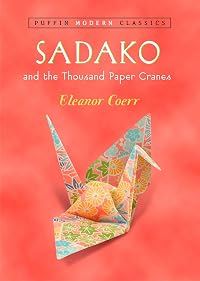
Sadako and the Thousand Paper Cranes
by Eleanor Coerr
On This Page
Description
Hospitalized with the dreaded atom bomb disease, leukemia, a child in Hiroshima races against time to fold one thousand paper cranes to verify the legend that by doing so a sick person will become healthy.Tags
Recommendations
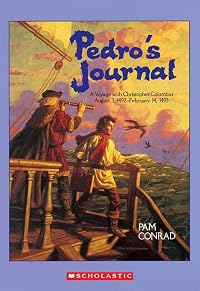
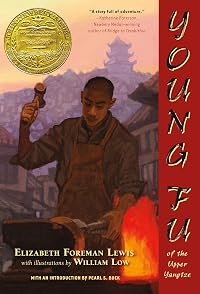
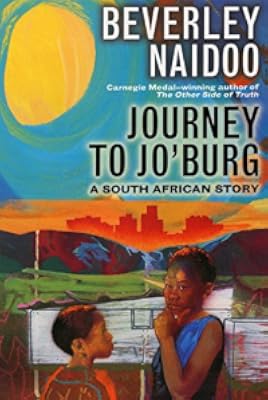

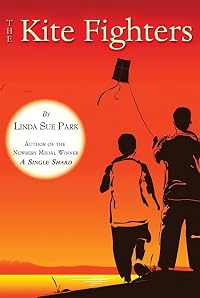
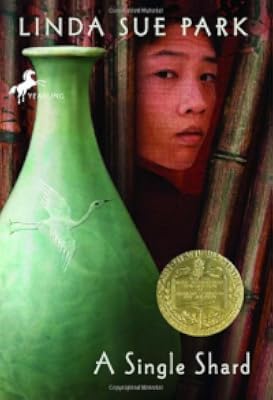
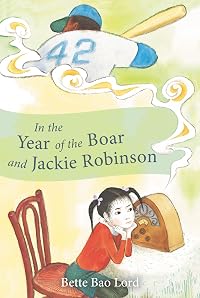
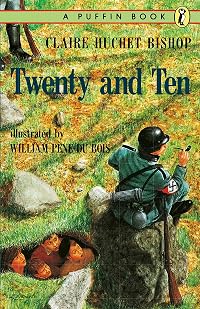
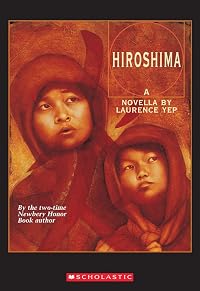


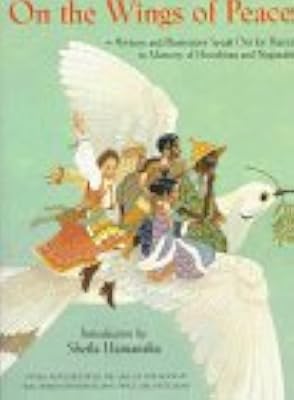




Member Recommendations

by bookel

Member Reviews
It is a difficult question: how to breach, for our children, the concepts of death, of war, of hope, and of the inescapable. When we scale it down, to one person, to one pain, that is when we feel it the most. But when we do this, we miss out on all that surrounds it. By concentrating on one person, you can turn a mutual war into a directed crime, and there lies the danger.
It is not uplifting to see a little girl die slowly, of something she cannot understand, to have her promise of a life revoked, but this is not all there is to the matter. As human beings, it is easy for us to look at the suffering of a few, especially a spectacular suffering: nuclear weapons, the Holocaust, 9/11, and feel enraged.
And it should upset us. War is show more unequal, unfair, and makes a mockery of beauty, art, and humanity. But it is always too easy for us to forget the other side.
So many people react to this book with sorrow for the little girl, with a sense that the nuclear weapons were a tragedy, unnecessary, and inhumane. I cannot argue those points, there is far too much there, and I would never suggest that mass death is a beneficial thing.
However, we might ask ourselves where are the books about all the children the Japanese soldiers killed? Perhaps they didn't use nuclear weapons, but the Japanese practiced total war, which meant hundreds of thousands of civilians dying every month. They slaughtered children, they took slaves and worked them to death in mines.
The Japanese planned to recruit every man, woman, and child during the final invasion, to blow up American tanks with fifteen year-old boys strapped to bombs. Even after the first atomic bomb was dropped, the Japanese command--including the Emporor--rallied to continue the war, even passing off the bombing itself as an industrial accident.
It is important to recognize the suffering of others, but it seems we too often concentrate on the suffering of one person over another. Perhaps it is easier for us to concentrate this way. Perhaps it is easier to see something spectacular and terrifying like the 2,752 deaths of 9/11, and ignore the 1,311,969 Iraqis dead since. Or look at the death of Jews in the Holocaust and ignore the Poles, Romany, Atheists, and Homosexuals who died alongside them
I sometimes fear that by hiding death from our children, we do not allow them to think about death except for isolated, melodramatic stories. If we cannot learn confront death except when it spectacular, then we will never really try to stop it, because we will only focus on the rare cases, and fail to notice that people death is no less final from untreated disease as from a gun.
There is another curious fact in this story: that the little girl does not finish her thousand cranes before she dies. In the real-world events this story is based on, she did finish the thousand, and continued on until her death. Of course, since the book posits that her wish was to stay alive, perhaps the author thought that to have her reach her goal and still die would be too sad.
I find this disappointing, as the author could have transferred the wish here: that no one can stand against their own death, but even as we face our own, we may fight for something greater, we may try to fight against a world of senseless death.
Are we afraid to tell our children it is a fight we can never win? Does that make it less worth fighting? Wouldn't it be better for them to learn that now, from someone they love and trust, rather than to discover it later, when they are already in the middle of the confusions of life? What could be more disheartening than suddenly having that dream snatched away?
Perhaps I am silly to expect more of children's books than I do of adult books, but then, I've found I can expect more from children than from adults. I am of the opinion that the best way to prevent children and adolescents from sex is by giving them all the difficult, unpleasant details. I think the same goes for war. This doesn't mean showing them footage of either act, but an open, honest sit-down beats a dramatized, nationalistic euphemism any day of the week. show less
It is not uplifting to see a little girl die slowly, of something she cannot understand, to have her promise of a life revoked, but this is not all there is to the matter. As human beings, it is easy for us to look at the suffering of a few, especially a spectacular suffering: nuclear weapons, the Holocaust, 9/11, and feel enraged.
And it should upset us. War is show more unequal, unfair, and makes a mockery of beauty, art, and humanity. But it is always too easy for us to forget the other side.
So many people react to this book with sorrow for the little girl, with a sense that the nuclear weapons were a tragedy, unnecessary, and inhumane. I cannot argue those points, there is far too much there, and I would never suggest that mass death is a beneficial thing.
However, we might ask ourselves where are the books about all the children the Japanese soldiers killed? Perhaps they didn't use nuclear weapons, but the Japanese practiced total war, which meant hundreds of thousands of civilians dying every month. They slaughtered children, they took slaves and worked them to death in mines.
The Japanese planned to recruit every man, woman, and child during the final invasion, to blow up American tanks with fifteen year-old boys strapped to bombs. Even after the first atomic bomb was dropped, the Japanese command--including the Emporor--rallied to continue the war, even passing off the bombing itself as an industrial accident.
It is important to recognize the suffering of others, but it seems we too often concentrate on the suffering of one person over another. Perhaps it is easier for us to concentrate this way. Perhaps it is easier to see something spectacular and terrifying like the 2,752 deaths of 9/11, and ignore the 1,311,969 Iraqis dead since. Or look at the death of Jews in the Holocaust and ignore the Poles, Romany, Atheists, and Homosexuals who died alongside them
I sometimes fear that by hiding death from our children, we do not allow them to think about death except for isolated, melodramatic stories. If we cannot learn confront death except when it spectacular, then we will never really try to stop it, because we will only focus on the rare cases, and fail to notice that people death is no less final from untreated disease as from a gun.
There is another curious fact in this story: that the little girl does not finish her thousand cranes before she dies. In the real-world events this story is based on, she did finish the thousand, and continued on until her death. Of course, since the book posits that her wish was to stay alive, perhaps the author thought that to have her reach her goal and still die would be too sad.
I find this disappointing, as the author could have transferred the wish here: that no one can stand against their own death, but even as we face our own, we may fight for something greater, we may try to fight against a world of senseless death.
Are we afraid to tell our children it is a fight we can never win? Does that make it less worth fighting? Wouldn't it be better for them to learn that now, from someone they love and trust, rather than to discover it later, when they are already in the middle of the confusions of life? What could be more disheartening than suddenly having that dream snatched away?
Perhaps I am silly to expect more of children's books than I do of adult books, but then, I've found I can expect more from children than from adults. I am of the opinion that the best way to prevent children and adolescents from sex is by giving them all the difficult, unpleasant details. I think the same goes for war. This doesn't mean showing them footage of either act, but an open, honest sit-down beats a dramatized, nationalistic euphemism any day of the week. show less
This book got to me. That's the simplest way I can put it. If there's anything that makes my heart sink and has a lasting effect on me, it's a child's life being cut short sooner than is should be. This book has been in publication for quite some time, and I'm glad that I finally took the time to read it and experience the heartbreaking, but inspiring story of this little girl named Sadako.
The ending of the story is presented in the prologue, which is not entirely surprising for a non-fiction book, but it is a little surprising for a non-fiction children's book, such as this, that reads like a fictional chapter book. Sadako was a little girl living in Hiroshima at the time the U.S. dropped the atomic bomb on the Japanese city. Although show more she was only an infant when the bomb fell and she experienced no immediate harm from the blast, when she was 12 years old, it was discovered that she had contracted leukemia from the radiation that resulted from the bomb, or the "Thunderbolt" as she called it.
The author's opening chapters describe the playful and enthusiastic nature of Sadako, but only briefly. The bulk of the book focuses on her life after her diagnosis, how she feels each day, what she thinks about her condition and her hope to overcome it, and, of course, the thousand paper cranes that she is determined to make to help cure her of her illness. When Sadako eventually succumbs to her disease, her classmates from school complete the 356 paper cranes that Sadako was not able to finish before her time in this world was up.
The tears in my eyes were real when I finished reading this book, but then I quickly switched to critic-mode and wondered, "who wrote this book and how did they know any of the events that took place?" The epilogue nicely summed up the background of the Canadian author who lived in Japan and heard of Sadako's story. After many years of trying to locate a copy of Kokeshi, the autobiography written by Sadako before her illness and containing letters she wrote while in the hospital, Eleanor Coerr finally attained it and began writing this book.
The accuracy of Sadako's heartbreaking tale may seem presented in a fictitious way, but after reading the determination of the author to obtain Sadako's autobiography before writing this book leads me to believe that the utmost effort was used to depict the most truthful and accurate account of Sadako's story. The story is simply written to ensure comprehension by young readers, but detailed enough to evoke emotion from experienced readers as well. While I plan on holding off for a few more years before I introduce my own daughter to this tale, I believe that this is an important story for children to experience. show less
The ending of the story is presented in the prologue, which is not entirely surprising for a non-fiction book, but it is a little surprising for a non-fiction children's book, such as this, that reads like a fictional chapter book. Sadako was a little girl living in Hiroshima at the time the U.S. dropped the atomic bomb on the Japanese city. Although show more she was only an infant when the bomb fell and she experienced no immediate harm from the blast, when she was 12 years old, it was discovered that she had contracted leukemia from the radiation that resulted from the bomb, or the "Thunderbolt" as she called it.
The author's opening chapters describe the playful and enthusiastic nature of Sadako, but only briefly. The bulk of the book focuses on her life after her diagnosis, how she feels each day, what she thinks about her condition and her hope to overcome it, and, of course, the thousand paper cranes that she is determined to make to help cure her of her illness. When Sadako eventually succumbs to her disease, her classmates from school complete the 356 paper cranes that Sadako was not able to finish before her time in this world was up.
The tears in my eyes were real when I finished reading this book, but then I quickly switched to critic-mode and wondered, "who wrote this book and how did they know any of the events that took place?" The epilogue nicely summed up the background of the Canadian author who lived in Japan and heard of Sadako's story. After many years of trying to locate a copy of Kokeshi, the autobiography written by Sadako before her illness and containing letters she wrote while in the hospital, Eleanor Coerr finally attained it and began writing this book.
The accuracy of Sadako's heartbreaking tale may seem presented in a fictitious way, but after reading the determination of the author to obtain Sadako's autobiography before writing this book leads me to believe that the utmost effort was used to depict the most truthful and accurate account of Sadako's story. The story is simply written to ensure comprehension by young readers, but detailed enough to evoke emotion from experienced readers as well. While I plan on holding off for a few more years before I introduce my own daughter to this tale, I believe that this is an important story for children to experience. show less
Short, but with a depth far beyond the word count, this simple story give a human face to the suffering caused by the atomic bombs. Sadako has the entire world going for her – a born runner, swift and sure-footed, with a cheerful, eager outlook on life, Sadako dreamed of being on the running team of her junior high school.
But the year before she was to enter, she was diagnosed with the “atomic bomb disease” – leukemia. This hideous cancer ate away at her body, slowly killing her. Before she died, she attempted to fold 1,000 origami cranes, to fulfill a Japanese legend.
After she died, her classmates took up her cause, folding cranes and raising money, to build a memorial to Peace. Called Hiroshima Peace Park, the memorial is show more dedicated to the children of the world and their plea for peace. IN the center is a statue of Sadako, holding a golden crane.
Coerr tells the story with simple, precise, prose. She changed some of the actual story for fiction’s sake, but that essence remains the same – a life cut short by war.
Excellent reading for young children, a starting place to explain the war and what is can do to others. show less
But the year before she was to enter, she was diagnosed with the “atomic bomb disease” – leukemia. This hideous cancer ate away at her body, slowly killing her. Before she died, she attempted to fold 1,000 origami cranes, to fulfill a Japanese legend.
After she died, her classmates took up her cause, folding cranes and raising money, to build a memorial to Peace. Called Hiroshima Peace Park, the memorial is show more dedicated to the children of the world and their plea for peace. IN the center is a statue of Sadako, holding a golden crane.
Coerr tells the story with simple, precise, prose. She changed some of the actual story for fiction’s sake, but that essence remains the same – a life cut short by war.
Excellent reading for young children, a starting place to explain the war and what is can do to others. show less
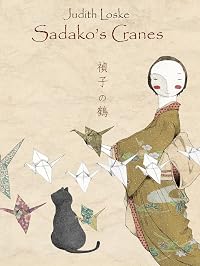
First, about the physical book: this is short. For an adult, you can easily read it in an hour, maybe two if you are studying the illustrations, looking facts up, or trying to learn how to fold your own crane. The illustrations, however, are well worth studying; they are lovely and touching and fit the story very nicely.
Now, about the story: I had to keep in mind that its audience was much younger than I am. It didn't shy away from the dark -- but very real -- subject matter, but it did approach it from the eyes of a child. It talks about the aftermath of the bombing of Hiroshima, and its main character is based on a real girl who died of leukemia as a result of the atom bomb. It's going to be dark. However, it also manages to portray show more hope along with the darkness, and while most people will cry at the ending (I did) it's not a book that leaves you feeling miserable.
I read this book because I intend to give it to my niece, who has recently been interested in origami cranes. She saw a musical version of this story, Peace On Your Wings, so I thought she should read the original -- but that I should read it first, just to make sure it wasn't too dark. It isn't. This book may inspire tough questions to answer, but isn't that the point of good literature? show less
Now, about the story: I had to keep in mind that its audience was much younger than I am. It didn't shy away from the dark -- but very real -- subject matter, but it did approach it from the eyes of a child. It talks about the aftermath of the bombing of Hiroshima, and its main character is based on a real girl who died of leukemia as a result of the atom bomb. It's going to be dark. However, it also manages to portray show more hope along with the darkness, and while most people will cry at the ending (I did) it's not a book that leaves you feeling miserable.
I read this book because I intend to give it to my niece, who has recently been interested in origami cranes. She saw a musical version of this story, Peace On Your Wings, so I thought she should read the original -- but that I should read it first, just to make sure it wasn't too dark. It isn't. This book may inspire tough questions to answer, but isn't that the point of good literature? show less
Sadako and the Thousand Paper Cranes gives readers insight to life in Japan shortly after the atomic bomb was dropped. Sadako and her family live in Hiroshima. She goes about her days being consumed with the thoughts of racing fast and making her junior high track team. Even on Peace Day, a memorial day to celebrate and honor those who died from the atom bomb, Sadako feels invincible and far removed from the Thunderbolt (atomic bomb). This changed quickly after she falls ill and is diagnosed with Leukemia. While in the hospital, her best friend visits her bringing a paper crane. Sadako is reminded about the legend behind the paper cranes; if a sick person makes a thousand the gods will make her healthy again. Sadako begins a journey of show more folding paper cranes, in which she finds comfort. This act of folding paper cranes evokes the message of hope, courage and peace. Eleanor Coerr writes in such a way to give readers an understanding of the impact that this event has on Japanese culture and society. The truthfulness and rawness of the aftermath of war, specifically for the Japanese people, is rightfully depicted. Although this book can be labeled as historical fiction, it gives a message that is relevant to readers today- who know of war and hear of it, but have not been violated by it (experienced first hand). The magnitude of the dropping of the atomic bomb in Hiroshima on the people of Japan is similar to that of 911. Sadako and the Thousand Paper Crane is an quick, but powerful read.
Age Appropriate: 4th grade and up show less
Age Appropriate: 4th grade and up show less
I recall first reading this book in school and feeling like it had a bittersweet beauty to it. In many ways this is the ideal book with which to introduce children to the idea of death, especially untimely death, but also about how the process of dying is ultimately is full of many different emotions- and that some things are left unfinished.
Further, it works well for humanizing the effects of war- the emotionalism of the text conveys how it resonates far beyond the people fighting in it.
Further, it works well for humanizing the effects of war- the emotionalism of the text conveys how it resonates far beyond the people fighting in it.
This is a compelling story of a real girl who lived in Japan from 1943 to 1955. Sadako Sasaki was born in Hiroshima, and was just a baby at the end of WW 2. Her grandmother was killed when the United States dropped the atomic bomb on her city. As the book opens, it is nine years after that terrible day, and the citizens of Hiroshima are about to celebrate Peace Day. Sadako’s parents remind her and her siblings that the celebration is not just an occasion for a carnival, but a solemn opportunity to honor those who died. But in her youth, Sadako sees only good omens; she’s confident she will have success on her school’s track team, fun with friends, and a loving family.
Within a few months, however, she will be diagnosed with show more leukemia, an aftereffect of the radiation from the atom bomb. Her best friend gives her some paper and scissors and teaches her to make a paper crane. She reminds her that the legend states if a sick person can fold 1,000 paper cranes the gods will make her well. With a renewed sense of hope, Sadako begins to fold cranes.
This is a very straightforward story, appropriate for children 9-12 years old. It is sad, but inspiring. The realities of Sadako’s condition are depicted without being overly graphic or grim. show less
Within a few months, however, she will be diagnosed with show more leukemia, an aftereffect of the radiation from the atom bomb. Her best friend gives her some paper and scissors and teaches her to make a paper crane. She reminds her that the legend states if a sick person can fold 1,000 paper cranes the gods will make her well. With a renewed sense of hope, Sadako begins to fold cranes.
This is a very straightforward story, appropriate for children 9-12 years old. It is sad, but inspiring. The realities of Sadako’s condition are depicted without being overly graphic or grim. show less
Members
- Recently Added By
Lists

Children's Books about World War II (1939-1945)
143 works; 12 members

Leukemia / leukaemia -- children's/young adult fiction
50 works; 1 member

Favorite Childhood Books
1,646 works; 514 members

Sonlight Books
1,487 works; 25 members

Historical Fiction
889 works; 91 members

Books about World War II
241 works; 22 members

Satori Smiles Children's Book List
262 works; 7 members

Global Reads: Books Set in East Asia
139 works; 12 members

Books About Girls
219 works; 17 members

my children books reading list-from 100 great books
101 works; 7 members

4th Grade Books
312 works; 5 members

Books That Made Me Cry
199 works; 104 members
Author Information

23+ Works 12,920 Members
Eleanor Coerr was born in 1922 in Kamsack, Saskatchewan, Canada. Before becoming a children's book author, she was a newspaper reporter, an editor of a column for children, and taught children's literature at Monterey Peninsula College and creative writing at Chapman College in California. Her works include Sadako and the Thousand Paper Cranes, show more Mieko and the Fifth Treasure, Sadako, and The Big Balloon Race. She died on November 22, 2010 at the age of 88. (Bowker Author Biography) show less
Some Editions
Awards and Honors
Awards
Notable Lists
Series
Belongs to Publisher Series
Work Relationships
Has as a student's study guide
Has as a teacher's guide
Common Knowledge
- Canonical title
- Sadako and the Thousand Paper Cranes
- Original publication date
- 1977
- People/Characters
- Sadako Sasaki
- Important places
- Hiroshima, Japan
- Important events
- Atomic Bombings of Hiroshima and Nagasaki
- Dedication
- For Laura, who remembered Sadako
- First words
- That afternoon Chizuko was Sadako's first visitor.
Sadako was born to be a runner. - Quotations
- Don't you remember that old story about the crane? Chizuko asked. It's supposed to live for a thousand years. If a sick person folds one thousand paper cranes, the gods will grant her wish and make her healthy again.
Classifications
Statistics
- Members
- 6,007
- Popularity
- 2,123
- Reviews
- 102
- Rating
- (3.98)
- Languages
- 9 — Catalan, English, French, Galician, Japanese, Korean, Spanish, Swedish, Turkish
- Media
- Paper, Audiobook, Ebook
- ISBNs
- 85
- UPCs
- 1
- ASINs
- 17