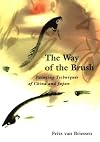
The Way of the Brush: Painting Techniques of China and Japan
by Fritz Van Briessen
On This Page
Description
The Way of the Brush: Painting Techniques of China and Japan examines the technique, style, traditions, and methods of Chinese ink painting and how they were interpreted in Japanese art. Illustrated with over 250 images and packed with instructions, The Way of the Brush covers every aspect of brush painting, from brushstrokes, composition and the painting surface to meaning, perspective and artistic philosophy. Part One is a study of the techniques of Chinese painting and explains the show more elements, techniques and principles which eventually carried over into Japanese painting. Part Two is devoted to technical challenges and basic problems associated with the art, including the issue of fakes and forgeries of Chinese art in Japan. Also included are three appendices and a full bibliography. show lessTags
Recommendations

















Member Reviews
A sentence in the author's concluding remarks warns us, "While a knowledge of painting techniques may not always be prerequisite in judging a Western work of art, it is absolutely indispensable for the Westerner who wants to understand Eastern art" (p. 313). Way of the Brush launches one on the way--it introduces the most basic concepts of Chinese brush art often using the pairing of Chinese paintings to contrast one technique or style against another, along the way teaching the basic vocabulary of Chinese art critics (note, not necessarily the artists themselves). For example, in subject matter, the pairings of mountain and water (shansui), people and things (renwu), animal paintings or 'feather and fur' (lingmao), etc.
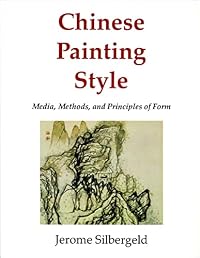
This is a show more larger, denser, and more demanding work than other introductions to the topic (for example, Jerome Silbergeld's [b:Chinese Painting Style: Media, Methods, and Principles of Form|171577|Chinese Painting Style Media, Methods, and Principles of Form|Jerome Silbergeld|https://d.gr-assets.com/books/1348986797s/171577.jpg|165682]) and some readers may find the frequent references to Japanese art--an area author Van Briessen knows exceedingly well--extraneous or even peripheral. However, do not let that dissuade you from investing the time (and the thought) laying the groundwork. It's a slow slog, and I personally found the sections on 'shaping lines' hard going, but it all came together later when the idea of 'dragon veins' (longmo) or 'connectives' is introduced and the idea of 'host and guest', or how an artist can 'have ink' or 'have brush' or even at the best of times, both.
Since I began the study of Chinese when Wade-Giles was shifting to Pinyin, I found the use of Wade-Giles only slightly troublesome; for those who weren't schooled in both transcription systems, be sure to download a WG-Pinyin cheat sheet to ease your way as the examples van Briessen has chosen represent many of the best painters of their periods and not learning their names along with their styles would be to squander half of the value of The Way of the Brush.
This is a book to read, then spend some months looking at Chinese paintings close-up, first hand, before returning to another read before returning again and again and again, each time with more knowing eyes. show less
This is a show more larger, denser, and more demanding work than other introductions to the topic (for example, Jerome Silbergeld's [b:Chinese Painting Style: Media, Methods, and Principles of Form|171577|Chinese Painting Style Media, Methods, and Principles of Form|Jerome Silbergeld|https://d.gr-assets.com/books/1348986797s/171577.jpg|165682]) and some readers may find the frequent references to Japanese art--an area author Van Briessen knows exceedingly well--extraneous or even peripheral. However, do not let that dissuade you from investing the time (and the thought) laying the groundwork. It's a slow slog, and I personally found the sections on 'shaping lines' hard going, but it all came together later when the idea of 'dragon veins' (longmo) or 'connectives' is introduced and the idea of 'host and guest', or how an artist can 'have ink' or 'have brush' or even at the best of times, both.
Since I began the study of Chinese when Wade-Giles was shifting to Pinyin, I found the use of Wade-Giles only slightly troublesome; for those who weren't schooled in both transcription systems, be sure to download a WG-Pinyin cheat sheet to ease your way as the examples van Briessen has chosen represent many of the best painters of their periods and not learning their names along with their styles would be to squander half of the value of The Way of the Brush.
This is a book to read, then spend some months looking at Chinese paintings close-up, first hand, before returning to another read before returning again and again and again, each time with more knowing eyes. show less
As much why-to as how-to, this book explores the complexity and long tradition of what appears to be a simple and spontaneous style. You won't pick it up and start doing exercises, neither will pick it up and start meditating, so it probably covers what needs to be covered but will disappoint many people with its exposition.
Everything you would ever want to know about how to appreciate the technique of Chinese and Japanese brush work. Copiously illustrated.
Ratings
Members
- Recently Added By
Author Information
Some Editions
Common Knowledge
- Important places
- China; Japan
- Epigraph
- The Emperor praised the painting highly and asked him the secret of his art. Bowing, low
the famous scholar-painter replied unworthy of your praise. My pictures are nothing
but brush traces and ink stains.
[From a tr... (show all)aditional Chinese annecdote] - Dedication
- To P'u Ch'üan. Teacher and Friend
Classifications
Statistics
- Members
- 62
- Popularity
- 497,471
- Reviews
- 3
- Rating
- (4.29)
- Languages
- English
- Media
- Paper, Ebook
- ISBNs
- 3
- ASINs
- 5