
Ill Fares The Land: A Treatise On Our Present Discontents
by Tony Judt
On This Page
Description
In "Ill Fares The Land," Tony Judt, one of our leading historians and thinkers, reveals how we have arrived at our present dangerously confused moment and offers the language we need to address our common needs, rejecting the nihilistic individualism of the far right and the debunked socialism of the past. To find a way forward, Judt argues that we must look to our not so distant past and to social democracy in action: to re-enshrining fairness over mere efficiency.Tags
Recommendations




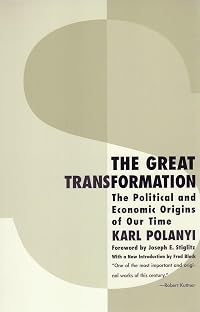

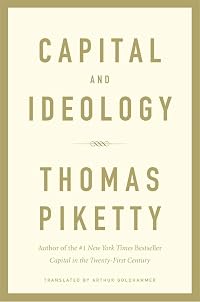
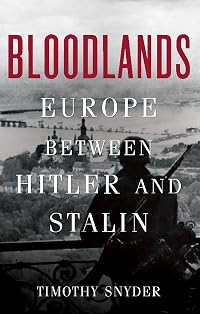
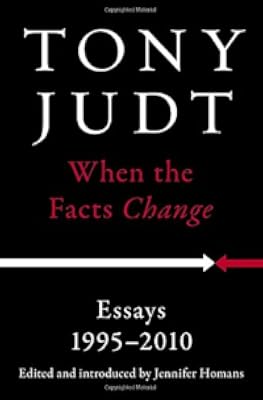












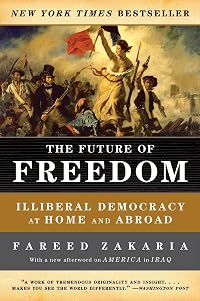

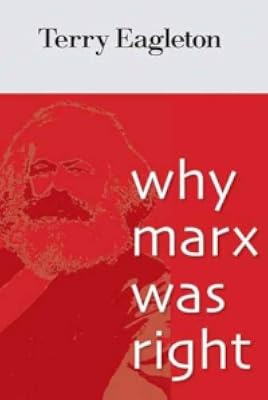
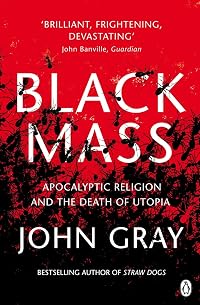
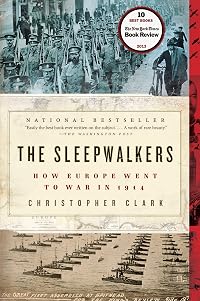
Member Recommendations



SandraSaugarSanchez Dos excelentes lecturas.
Member Reviews
Een buitengewoon helder en overtuigend pleidooi om de sociaaldemocratie van de ondergang te redden. Judt legt uit hoe het zo ver is kunnen komen dat het neo-liberalisme in steeds meer westerse landen bon ton geworden is en levert een krachtige bewijsvoering dat een losgeslagen vrije markt tot rampzalige maatschappelijke conflicten zal leiden. Maar hij zegt ook hoe het democratische debat (dat nu verworden is tot hol geschreeuw) opnieuw een debat kan worden: als de verzwakte sociaaldemocratie die nu in het defensief zit, opnieuw een krachtige tegenstem kan laten horen.
„A közjó érdekében társadalmi cselekvést javasolni a londoni Citynek olyan, mint hatvan évvel ezelőtt egy püspökkel beszélgetni A fajok eredeté-ről.”
(John Maynard Keynes)
Aggodalommal átszőtt elemzés arról, hogy nagy baj van. A szkeptikus olvasó megvonja a vállát, na ja, nagy baj van, mindig nagy baj van, most éppen miért? Judt 2010-es szövege a baloldal kiüresedésére hívja fel a figyelmet, amire megint csak - rövid időn belül másodszor - megvonja a vállát az elébb említett szkeptikus olvasó, sőt, ha mellesleg jobboldali is, még pezsgőt is bont. Pedig a baloldal kiüresedése egyben a demokrácia kiüresedését is jelenti, érvel Judt, mégpedig azért, mert a piac túlhatalmának show more ellensúlyozására mindig szükség van egy határozott, markáns baloldalra, enélkül a jövedelmi egyenlőtlenségek brutálisan megszaladnak. (Ahogy azt amúgy tapasztaljuk is.) Csakhogy napjaink baloldala minden, csak nem markáns, hogy mást ne mondjak, a magyar baloldali pártok csak annyiban különböznek a kormánypárttól (ami mérsékelten jobboldali, de erről később), hogy más nevek vannak a taglistájukon. Jó, hát akad némi eltérés a retorikájukban, kevesebbet karattyolnak például Istenről, hazáról és nemzeti szuverenitásról. Különben meg olyanok, mintha a fidesz kispadja lennének: ott üldögélnek és várják, hátha véletlen lesérül az első sor, és akkor majd pályára léphetnek. De amúgy ugyanaz a csapat.
(No most itt rögtön szükségessé válik bizonyos definíciók tisztázása. Amit Judt véd, az nem a szocializmus. Hanem a szociáldemokrácia. A szociáldemokrácia abban különbözik a szocializmustól, hogy elfogadja a kapitalizmust – és a liberális demokráciát – mint keretet, azon belül akar küzdeni a társadalmi igazságosságért. Elsődleges eszköze az állami újraelosztás, vagyis a beszedett – többnyire progresszív – adókból arányosan többet juttat vissza a szegényeknek. Úgy gondolja, ez az újraelosztás az állam legfontosabb feladata, amit a szabadpiaci kapitalizmus nem képes elvégezni, hisz nem jár számára számszerűsíthető haszonnal. Ezt a kiegészítést még akkor is meg kellett ejtenem, ha közben tudom, azok, akik zsigerből utasítják el a baloldalt – pontosabban mindenkit, aki tőlük balra áll -, az efféle finomságokra nem fogékonyak. Nekik alkalmasint mindenki komcsi libernyák, oszt kész.)
No de miért vesztette el nimbuszát a baloldal? Judt szerint elsősorban azért, mert a második világháború utáni években a kontinentális Európában szinte minden célját elérte. Ekkor (talán a kommunizmustól való félelem miatt is) egy párt sem volt, aki elzárkózott volna egy széles társadalmi konszenzustól, aminek következtében ekkorra datálható nyugaton a ma ismert (és megszokott) szociális védőháló létrejötte. Csakhogy amikor ezzel megvoltak, a ’60-as évek során a baloldal irányt váltott, és a gazdasági egyenlőség helyett áttért a különböző identitáskérdések képviseletére. Kisebbségi jogok, nők jogai, illetve az USA-ban a feketék jogai lettek a slágertémák, az egyéni méltóság zászlaját emelték magasra, hanyagolva a monstre társadalmi kérdéseket. Amivel igazából nincs baj, ha csak az nem, hogy ha egy irányzat ennyire a kisebbségek mellett kötelezi el magát, akkor maga is szükségszerűen kisebbségi irányzattá válik. A gazdasági-jóléti kérdésektől való elfordulás pedig egy űrt teremtett, amire a konzervatívok egy idő után reagáltak, létrehozva a neoliberalizmus eszméjét, amely szerint a jóléti programok csak pénznyelők, hagyjuk hát gazdagodni a gazdagokat, és majd lecsorog a pénzük a szegényeknek is. Mivel a baloldal erre a kérdésre nem tudott markáns választ adni, a Reagan illetve Thatcher nevével fémjelzett politika úgy tudta hirdetni magát, mint aminek nincsen alternatívája. Így elkezdődött a szociális juttatások durva visszavágása, a privatizáció és a szakszervezetek letörése. Ebben a szituációban pedig még bénultabbá tette a baloldalt a Szovjetunió és csatlós országainak összeomlása, ami kissé magát a baloldalt is magával rántotta, hisz a jobboldal össze tudta mosni a szocializmus kudarcát a szociáldemokrácia eszméinek életképtelenségével.
(Még egy közbevetés. Mindaz, amit eddig írtam és amiről Judt ír, elsősorban Nagy-Britannia és az USA helyzetére igaz, másodsorban és kisebb intenzitással pedig az európai kontinens országaira. A posztszocialista országokra, köztük hazánkra megszorításokkal vonatkozik. Azért, mert a posztszocialista jobboldal valójában sosem tudott/akart igazán konzervatív és igazán jobboldali lenni, legalábbis gazdasági értelemben nem. Ugyanis az ortodox jobboldal alapvetése a kis méretű állam és az alacsonyan tartott adók, ám Magyarországon a kádárizmusban szocializálódott szavazók megszokták az állami védőernyőt, ezért kifejezetten rosszul reagáltak, amikor azt megpróbálta valaki nyirbálni. Erre a fidesz is rájött. Magyarán a hazai viszonyokra kifejlesztett jobboldalnak ügyelnie kell, hogy fenntartsa a szociális védőernyő látszatát közmunkaprogrammal, színleg ingyenes oktatással és egészségüggyel*, 13. havi nyugdíjjal, ésatöbbi. Különben a választásokon beleállna a földbe. Nyilván ez egy költséges játék, ezért kell rekordszintű forgalmi és jövedelemadókat fizetni, de még így is csak addig működik, amíg 1.) jelentős a nemzetközi gazdasági növekedés, ami valamennyire az országhatárokon belülre is becsorog 2.) meg lehet pumpolni az EU fejlesztési forrásait 3.) el tudják terelni a szavazók figyelmét a fizetések reálértékének csökkenéséről a maguk „ostromlott vár vagyunk” retorikájával. De amíg működik, addig a jobboldal hagyományainak megfelelően mindent megtesznek, hogy Magyarországon is óriási jövedelmi szakadékok alakuljanak ki a gazdagok és szegények között.)
Szóval a baloldal a padlón, a jobboldal pedig akadálytalanul végigviszi a maga elképzeléseit. Aminek következtében megint ott tartunk, hogy az USA-ban a leggazdagabb 1%-nak annyi pénze van, mint a legszegényebb 40%-nak. Ami egyfelől nyilván morális kérdés: nem marxizmus azt állítani, hogy akinek ennyi pénze van, annak igenis kutya kötelessége lenne csepegtetni belőle másnak is. De nem csepegtet. Mert valahogy elolvadt a társadalmi szolidaritás is – hiába hirdeti büszkén az államelnök, hogy mind egy nemzet fiai vagyunk, a bankszámláját csak magának hizlalja. (Jó, ha közeleg a választás, akkor oszt egy kis alamizsnát. Nyilván nem a sajátjából, hanem a költségvetési keretből, de akkor is.) Ugyanakkor ez az egész több, mint puszta moralitás. Ugyanis az egyenlőtlenségek társadalmi feszültségekhez vezetnek, amelyek minden esetben a demokrácia, sőt, az állam életesélyeit rontják**. Erre lehet példának felhozni az amerikai zavargásokat is, de akár a jobboldali populizmust is***. Pedig államra szükség van, hiszen neki vannak eszközei és legitimációja ahhoz, hogy meg tudja védeni állampolgárait a globális gazdasági folyamatoktól. De olyan államra, ami egyformán védeni kívánja minden polgárát, az alsó jövedelmi decilis tagjait éppúgy, vagy tán még kicsit jobban is, mint azt, aki megveszi magának a Balatont, ha pancsolni támad kedve. Mert ez már nem XIV. Lajos kora, hogy az ország vezetője (és a rokonok) maga legyen az állam – az állam lenn kezdődik, a nincsteleneknél.
* Merthogy ugye az egészségügy ingyenes, ki tagadná. Úgyhogy ha komoly bajod van, akkor nyilván elmehetsz az ingyenes egészségügyet igénybe venni. De ha meg is akarsz gyógyulni, akkor inkább összekaparsz egy csomó pénzt, és elmész valami magánkórházba.
** Fontos update: az egyenlőtlenségnek gazdasági értelemben is vannak hátrányai, ugyanis a profitként leszívott tőke jelentős része inaktívvá válik, tehát nem pörgeti a gazdaságot, ehelyett parkolópályán piheg mondjuk egy Kajmán-szigeteki bankszámlán.
*** Lenin kiröhögött volna, ha azt mondom neki, a nincstelen proletárok nem baloldali forradalmat robbantanak majd ki, hanem besorolnak a jobboldali pártok populista retorikája mögé. Mert nemzetiszínben még a nyomor is valahogy más. show less
(John Maynard Keynes)
Aggodalommal átszőtt elemzés arról, hogy nagy baj van. A szkeptikus olvasó megvonja a vállát, na ja, nagy baj van, mindig nagy baj van, most éppen miért? Judt 2010-es szövege a baloldal kiüresedésére hívja fel a figyelmet, amire megint csak - rövid időn belül másodszor - megvonja a vállát az elébb említett szkeptikus olvasó, sőt, ha mellesleg jobboldali is, még pezsgőt is bont. Pedig a baloldal kiüresedése egyben a demokrácia kiüresedését is jelenti, érvel Judt, mégpedig azért, mert a piac túlhatalmának show more ellensúlyozására mindig szükség van egy határozott, markáns baloldalra, enélkül a jövedelmi egyenlőtlenségek brutálisan megszaladnak. (Ahogy azt amúgy tapasztaljuk is.) Csakhogy napjaink baloldala minden, csak nem markáns, hogy mást ne mondjak, a magyar baloldali pártok csak annyiban különböznek a kormánypárttól (ami mérsékelten jobboldali, de erről később), hogy más nevek vannak a taglistájukon. Jó, hát akad némi eltérés a retorikájukban, kevesebbet karattyolnak például Istenről, hazáról és nemzeti szuverenitásról. Különben meg olyanok, mintha a fidesz kispadja lennének: ott üldögélnek és várják, hátha véletlen lesérül az első sor, és akkor majd pályára léphetnek. De amúgy ugyanaz a csapat.
(No most itt rögtön szükségessé válik bizonyos definíciók tisztázása. Amit Judt véd, az nem a szocializmus. Hanem a szociáldemokrácia. A szociáldemokrácia abban különbözik a szocializmustól, hogy elfogadja a kapitalizmust – és a liberális demokráciát – mint keretet, azon belül akar küzdeni a társadalmi igazságosságért. Elsődleges eszköze az állami újraelosztás, vagyis a beszedett – többnyire progresszív – adókból arányosan többet juttat vissza a szegényeknek. Úgy gondolja, ez az újraelosztás az állam legfontosabb feladata, amit a szabadpiaci kapitalizmus nem képes elvégezni, hisz nem jár számára számszerűsíthető haszonnal. Ezt a kiegészítést még akkor is meg kellett ejtenem, ha közben tudom, azok, akik zsigerből utasítják el a baloldalt – pontosabban mindenkit, aki tőlük balra áll -, az efféle finomságokra nem fogékonyak. Nekik alkalmasint mindenki komcsi libernyák, oszt kész.)
No de miért vesztette el nimbuszát a baloldal? Judt szerint elsősorban azért, mert a második világháború utáni években a kontinentális Európában szinte minden célját elérte. Ekkor (talán a kommunizmustól való félelem miatt is) egy párt sem volt, aki elzárkózott volna egy széles társadalmi konszenzustól, aminek következtében ekkorra datálható nyugaton a ma ismert (és megszokott) szociális védőháló létrejötte. Csakhogy amikor ezzel megvoltak, a ’60-as évek során a baloldal irányt váltott, és a gazdasági egyenlőség helyett áttért a különböző identitáskérdések képviseletére. Kisebbségi jogok, nők jogai, illetve az USA-ban a feketék jogai lettek a slágertémák, az egyéni méltóság zászlaját emelték magasra, hanyagolva a monstre társadalmi kérdéseket. Amivel igazából nincs baj, ha csak az nem, hogy ha egy irányzat ennyire a kisebbségek mellett kötelezi el magát, akkor maga is szükségszerűen kisebbségi irányzattá válik. A gazdasági-jóléti kérdésektől való elfordulás pedig egy űrt teremtett, amire a konzervatívok egy idő után reagáltak, létrehozva a neoliberalizmus eszméjét, amely szerint a jóléti programok csak pénznyelők, hagyjuk hát gazdagodni a gazdagokat, és majd lecsorog a pénzük a szegényeknek is. Mivel a baloldal erre a kérdésre nem tudott markáns választ adni, a Reagan illetve Thatcher nevével fémjelzett politika úgy tudta hirdetni magát, mint aminek nincsen alternatívája. Így elkezdődött a szociális juttatások durva visszavágása, a privatizáció és a szakszervezetek letörése. Ebben a szituációban pedig még bénultabbá tette a baloldalt a Szovjetunió és csatlós országainak összeomlása, ami kissé magát a baloldalt is magával rántotta, hisz a jobboldal össze tudta mosni a szocializmus kudarcát a szociáldemokrácia eszméinek életképtelenségével.
(Még egy közbevetés. Mindaz, amit eddig írtam és amiről Judt ír, elsősorban Nagy-Britannia és az USA helyzetére igaz, másodsorban és kisebb intenzitással pedig az európai kontinens országaira. A posztszocialista országokra, köztük hazánkra megszorításokkal vonatkozik. Azért, mert a posztszocialista jobboldal valójában sosem tudott/akart igazán konzervatív és igazán jobboldali lenni, legalábbis gazdasági értelemben nem. Ugyanis az ortodox jobboldal alapvetése a kis méretű állam és az alacsonyan tartott adók, ám Magyarországon a kádárizmusban szocializálódott szavazók megszokták az állami védőernyőt, ezért kifejezetten rosszul reagáltak, amikor azt megpróbálta valaki nyirbálni. Erre a fidesz is rájött. Magyarán a hazai viszonyokra kifejlesztett jobboldalnak ügyelnie kell, hogy fenntartsa a szociális védőernyő látszatát közmunkaprogrammal, színleg ingyenes oktatással és egészségüggyel*, 13. havi nyugdíjjal, ésatöbbi. Különben a választásokon beleállna a földbe. Nyilván ez egy költséges játék, ezért kell rekordszintű forgalmi és jövedelemadókat fizetni, de még így is csak addig működik, amíg 1.) jelentős a nemzetközi gazdasági növekedés, ami valamennyire az országhatárokon belülre is becsorog 2.) meg lehet pumpolni az EU fejlesztési forrásait 3.) el tudják terelni a szavazók figyelmét a fizetések reálértékének csökkenéséről a maguk „ostromlott vár vagyunk” retorikájával. De amíg működik, addig a jobboldal hagyományainak megfelelően mindent megtesznek, hogy Magyarországon is óriási jövedelmi szakadékok alakuljanak ki a gazdagok és szegények között.)
Szóval a baloldal a padlón, a jobboldal pedig akadálytalanul végigviszi a maga elképzeléseit. Aminek következtében megint ott tartunk, hogy az USA-ban a leggazdagabb 1%-nak annyi pénze van, mint a legszegényebb 40%-nak. Ami egyfelől nyilván morális kérdés: nem marxizmus azt állítani, hogy akinek ennyi pénze van, annak igenis kutya kötelessége lenne csepegtetni belőle másnak is. De nem csepegtet. Mert valahogy elolvadt a társadalmi szolidaritás is – hiába hirdeti büszkén az államelnök, hogy mind egy nemzet fiai vagyunk, a bankszámláját csak magának hizlalja. (Jó, ha közeleg a választás, akkor oszt egy kis alamizsnát. Nyilván nem a sajátjából, hanem a költségvetési keretből, de akkor is.) Ugyanakkor ez az egész több, mint puszta moralitás. Ugyanis az egyenlőtlenségek társadalmi feszültségekhez vezetnek, amelyek minden esetben a demokrácia, sőt, az állam életesélyeit rontják**. Erre lehet példának felhozni az amerikai zavargásokat is, de akár a jobboldali populizmust is***. Pedig államra szükség van, hiszen neki vannak eszközei és legitimációja ahhoz, hogy meg tudja védeni állampolgárait a globális gazdasági folyamatoktól. De olyan államra, ami egyformán védeni kívánja minden polgárát, az alsó jövedelmi decilis tagjait éppúgy, vagy tán még kicsit jobban is, mint azt, aki megveszi magának a Balatont, ha pancsolni támad kedve. Mert ez már nem XIV. Lajos kora, hogy az ország vezetője (és a rokonok) maga legyen az állam – az állam lenn kezdődik, a nincsteleneknél.
* Merthogy ugye az egészségügy ingyenes, ki tagadná. Úgyhogy ha komoly bajod van, akkor nyilván elmehetsz az ingyenes egészségügyet igénybe venni. De ha meg is akarsz gyógyulni, akkor inkább összekaparsz egy csomó pénzt, és elmész valami magánkórházba.
** Fontos update: az egyenlőtlenségnek gazdasági értelemben is vannak hátrányai, ugyanis a profitként leszívott tőke jelentős része inaktívvá válik, tehát nem pörgeti a gazdaságot, ehelyett parkolópályán piheg mondjuk egy Kajmán-szigeteki bankszámlán.
*** Lenin kiröhögött volna, ha azt mondom neki, a nincstelen proletárok nem baloldali forradalmat robbantanak majd ki, hanem besorolnak a jobboldali pártok populista retorikája mögé. Mert nemzetiszínben még a nyomor is valahogy más. show less
At 28, I think I'm probably past the age where I'll have a sudden road-to-Damascus moment and convert to conservativism. Not even because I consume large amounts of liberal/progressive/left-wing media (though I do), or have mostly left-wing friends (true), or because I find modern conservatives to be mostly repellent (also true), but because I'm no longer really worried about whether I can "prove" deep philosophical foundations for every last nuance of what I believe. I'm comfortable with a certain amount of epistemic uncertainty and the knowledge that not every position can be derived from first principles, and I've reached the point where when people start debating the moral foundations of the welfare state my eyes start to glaze show more over. I love reading policy papers, and I'm a big fan of chats and graphs arguing about how beneficial or detrimental social democratic initiatives have been for humanity, but when I see anything involving "negative liberty" or the like I get the same sort of itch that I get when I see anything about "monophysitism" or some other theological concept. At a certain point ideology is just words, and even if I agree with a catechism, or maybe especially if I agree, it doesn't mean I want to read several hundred pages about it.
So this work, despite being quite good as far as it goes, maybe hit me in the wrong part of my life. Judt has quite a reputation as a historian - his epic Postwar is on my to-read list - and this book is his studied meditation/jeremiad/cri de coeur on how history seems to be leaving behind the noble ideals and accomplishments of what Roger Waters summed up so aptly as "The Post War Dream" on the Pink Floyd album The Final Cut, which this reminded me strongly of. Judt speaks eloquently about the seemingly stagnant, anomie-ridden, atomized world we live in (for first-world values of "we"), how the breakdown of the post-WW2 consensus has given us insecurity, inequality, and unfulfillment even as our living standards have risen on paper, and how the vanished vigor of the one-time vanguard of the proletariat has left us at the mercy of conservatives, reactionaries, and malicious elites. Gone is the transformative drive behind the various left-wing parties around the world who gave us the economic and social foundations we are seeing slowly crumbling around us, and in its place is a shallow spirit of self-interest, good only for the narrow pursuit of wealth, and really not even much good at that. "The worst are full of passionate intensity..." - you know the rest.
It's all true. What struck me as boring about the book, paradoxically, was its vivid language. Judt is a man of words, not numbers. He uses numbers from time to time, but they are mostly garnishes of logos on dishes of ethos, to mix food and Aristotle. He wants to make a moral case for social democracy. However at this point I regard the matter as basically settled; either you believe in a robust public/collective/governmental foundation supporting a vibrant private/individual/entrepreneurial structure based on historical data or you don't, and at some point endless musings on legitimacy and grounding veer into theology. Put another way, I doubt this book will convert many libertarians to the side of Good, and to continue the religious metaphor, Judt includes many "fellow traveler" criticisms of failed left-wing movements in the past that are as accurate as they are reminiscent of medieval sophists triumphantly extirpating academic heresies with enthusiastic strokes of their quills. He closes by urging people to remember that it's the spirit of collective accomplishment that's been the best part of left-wing movements, and that while more individualist New Left strains like feminism/minority movements/gay rights/etc may have diluted the main force of the liberal tide, they still produced invaluable results.
Of course, in this review I'm doing the same thing I accuse him of doing - criticizing some pensées for not being a white paper is a little stupid, to put it bluntly. Is anything actually wrong in the book? No, not at all, in fact he has a great way of putting things. Here's an example from p. 38, a section talking about how capitalism depends on prior moral sensibilities: "[F]ar from inhering in the nature of capitalism itself, values such as [trust/cooperation/the capacity for collective action] derived from longstanding religious or communitarian practices. Sustained by traditional restraints and the continuing authority of secular and ecclesiastical elites, capitalism's 'invisible hand' benefited from the flattering illusion that it unerringly corrected for the moral shortcomings of its practitioners." This is the pith of Karl Polyani's insights on how contingent what we think of "capitalism" is, and the rest of the section is full of well-crafted musings on the dangers of confusing the profit motive with morality.
Another good quote: "It is the Right that has inherited the ambitious modernist urge to destroy and innovate in the name of a universal project. From the war in Iraq through the unrequited desire to dismantle public education and health services, to the decades-long project of financial deregulation, the political Right has abandoned the association of political conservatism with social moderation which served it so well from Disraeli to Heath." This is very true; modern left-wing parties from the Democratic Party to the SPD are in some ways the true modern conservatives, in that they want to preserve the relics of the postwar consensus but seem to have lost the drive to come up with new initiatives. His solutions chapters at the end exhort people to keep in mind the value of togetherness and what it means to have the power to change the world. I still feel like debating the ethical ontology of "government" is not a good use of time and would prefer things that included more charts and graphs, but Judt is probably right that the debate needs to continue anyway. show less
So this work, despite being quite good as far as it goes, maybe hit me in the wrong part of my life. Judt has quite a reputation as a historian - his epic Postwar is on my to-read list - and this book is his studied meditation/jeremiad/cri de coeur on how history seems to be leaving behind the noble ideals and accomplishments of what Roger Waters summed up so aptly as "The Post War Dream" on the Pink Floyd album The Final Cut, which this reminded me strongly of. Judt speaks eloquently about the seemingly stagnant, anomie-ridden, atomized world we live in (for first-world values of "we"), how the breakdown of the post-WW2 consensus has given us insecurity, inequality, and unfulfillment even as our living standards have risen on paper, and how the vanished vigor of the one-time vanguard of the proletariat has left us at the mercy of conservatives, reactionaries, and malicious elites. Gone is the transformative drive behind the various left-wing parties around the world who gave us the economic and social foundations we are seeing slowly crumbling around us, and in its place is a shallow spirit of self-interest, good only for the narrow pursuit of wealth, and really not even much good at that. "The worst are full of passionate intensity..." - you know the rest.
It's all true. What struck me as boring about the book, paradoxically, was its vivid language. Judt is a man of words, not numbers. He uses numbers from time to time, but they are mostly garnishes of logos on dishes of ethos, to mix food and Aristotle. He wants to make a moral case for social democracy. However at this point I regard the matter as basically settled; either you believe in a robust public/collective/governmental foundation supporting a vibrant private/individual/entrepreneurial structure based on historical data or you don't, and at some point endless musings on legitimacy and grounding veer into theology. Put another way, I doubt this book will convert many libertarians to the side of Good, and to continue the religious metaphor, Judt includes many "fellow traveler" criticisms of failed left-wing movements in the past that are as accurate as they are reminiscent of medieval sophists triumphantly extirpating academic heresies with enthusiastic strokes of their quills. He closes by urging people to remember that it's the spirit of collective accomplishment that's been the best part of left-wing movements, and that while more individualist New Left strains like feminism/minority movements/gay rights/etc may have diluted the main force of the liberal tide, they still produced invaluable results.
Of course, in this review I'm doing the same thing I accuse him of doing - criticizing some pensées for not being a white paper is a little stupid, to put it bluntly. Is anything actually wrong in the book? No, not at all, in fact he has a great way of putting things. Here's an example from p. 38, a section talking about how capitalism depends on prior moral sensibilities: "[F]ar from inhering in the nature of capitalism itself, values such as [trust/cooperation/the capacity for collective action] derived from longstanding religious or communitarian practices. Sustained by traditional restraints and the continuing authority of secular and ecclesiastical elites, capitalism's 'invisible hand' benefited from the flattering illusion that it unerringly corrected for the moral shortcomings of its practitioners." This is the pith of Karl Polyani's insights on how contingent what we think of "capitalism" is, and the rest of the section is full of well-crafted musings on the dangers of confusing the profit motive with morality.
Another good quote: "It is the Right that has inherited the ambitious modernist urge to destroy and innovate in the name of a universal project. From the war in Iraq through the unrequited desire to dismantle public education and health services, to the decades-long project of financial deregulation, the political Right has abandoned the association of political conservatism with social moderation which served it so well from Disraeli to Heath." This is very true; modern left-wing parties from the Democratic Party to the SPD are in some ways the true modern conservatives, in that they want to preserve the relics of the postwar consensus but seem to have lost the drive to come up with new initiatives. His solutions chapters at the end exhort people to keep in mind the value of togetherness and what it means to have the power to change the world. I still feel like debating the ethical ontology of "government" is not a good use of time and would prefer things that included more charts and graphs, but Judt is probably right that the debate needs to continue anyway. show less
A calm and smart analysis of the place of "progressive" politics and how it has slipped in our culture of selfishness and pragmatism. Judt died a few years back, and so this work predates our current tumult and turmoil. His humane and humble analysis is focused on political and social ends ,not on the soap opera of who and how. And is the more persuasive for showing the restraint many a leftist scorns - thus paralleling the lofty reach and the historical awareness of the French public intellectuals but without the ego. A gentle rant.
Still, surveying the issues and rehabilitating the idea of common enterprise for social benefit is one thing. Coming up with the actual policies and plans to restore progress is another - as Corbyn, Trump show more and the rest will surely find. Still: change the mindset first, and this elegant book is a fair push in that direction. It's a long march. show less
Still, surveying the issues and rehabilitating the idea of common enterprise for social benefit is one thing. Coming up with the actual policies and plans to restore progress is another - as Corbyn, Trump show more and the rest will surely find. Still: change the mindset first, and this elegant book is a fair push in that direction. It's a long march. show less
Tony Judt saw what was coming. I remember some of these as essays in the New York Review of Books. Written partially in response to the financial crises of 2008, along with the neoliberal crises of the decades before, the book reads as prescient now. Judt correctly predicts that leaders failing to solve real problems will lead to leaders attempting to solve fake problems, and here we are.
It has often been said that Americans know the value of everything and the worth of nothing. This book serves to historicize why precisely that is the case, and is also a clarion call extolling the virtues of social democracy. According to Judt, we need to completely re-think how we view our neighbors and human community.
Social democracy, as I said, is at the heart of the book, and Judt makes it quite clear that this isn’t just a generic term for liberalism. “They [social democrats] share with liberals a commitment to cultural and religious tolerance. But in public policy social democrats believe in the possibility and virtue of collective action for the collective good. Like most liberals, social democrats favor progressive show more taxation in order to pay for public services and other social goods that individuals cannot provide themselves; but whereas many liberals might see such taxation or public provision as a necessary evil, a social democratic vision of the good society entails from the outset a greater role for the state and the public sector” (p. 7). Note the terms “collective good” and “collective action.” They are at the center of reconceptualizing society in terms of something other than market share or a growing economy. Judt offers much evidence toward the beginning of the book showing how inequality – not wealth, but inequality – within a society is directly correlated with “infant mortality, life expectancy, criminality, the prison population, mental illness, unemployment, obesity, malnutrition, teenage pregnancy, illegal drug use, economic insecurity, personal indebtedness, and anxiety” (p. 18).
But matters didn’t always look so bleak. After the Great Depression and World War II, it quickly became the consensus economic opinion that the state had an integral role to play in keeping events like this from ever happening again. Judt is especially interested in the arguments and contributions of John Maynard Keynes here. The trust and cooperation of the interventionist state, largely the work of Keynes, provided England and the United States with security, prosperity, social services, and greater equality” (p. 72). For a generation, no one questioned that these ends were also public goods, or if they were questioned, they were by the most marginal of political figures.
What happened? Ironically, Judt lays much of the blame for the disintegration of the welfare state on the radical political movements of the 1960s, which he claims “rejected the inherited collectivism of its predecessor.” (Christopher Lasch similarly blames this set of movements in “The Culture of Narcissism” – a book which complements this one in subtle and complex ways.) Judt argues that social justice wasn’t central to the mission of liberal sixties activism. In fact, it even co-opted the rhetoric of fierce individualism; it was all about “doing your own thing” and “letting it all hang out.”
This consequently left a vacuum into which Austrian economics and its various supporters could rush – Karl Popper, Ludwig von Mises, Joseph Schumpeter, Peter Drucker, and Friedrich Hayek. These men – all Austrians – were all profoundly influenced by the “introduction into post-1918 Austria state-directed planning, municipally owned services and collectivized economic activity” (p. 99). Of course, this attempt was a failure which seemed to leave a gigantic psychic wound on these thinkers and their future thought about the possibility of state interventionism or even short-term economic planning. Also, these men knew a Left that believed in human reason and (Marxist) historical laws whereas the Fascists acted, and acted violently. Judt therefore reminds us that most contemporary recapitulations of this debate are really just variations on this one-hundred year-old theme.
The prominence of Austrian economics and neoliberal policies allowed for the ascendancy of Ronald Reagan and Margaret Thatcher, whose reigns saw a liquidation of much of the public sector in their respective countries during the 1980s. For Judt, these massive efforts at privatization were largely responsible for a loss of community and communal trust. We now live in our gated communities with closed-circuit cameras, terrified of our neighbors, rules by feckless, soulless politicians like Bill and Hillary Clinton (someone has to say it, so thank you, Tony), as well as Tony Blair and Gordon Brown. With people like these, it’s a small wonder why we’re so cynical about politicians and political efficacy.
Judt ends the book with a call for both a renewed fervor for political dissent and the recasting of public conversation. Intellectuals used to be respected for broadcasting their unpopular opinions, but today that ability too seems to be enervated. Through a sheer act of moral will, we have to rediscover how to think through these issues and learn how to express disapproval in a country that has historically been incredibly conformist.
To this end, we need to “think the state” and “think the community” in radically different ways, which means brushing away old shibboleths like “We all want the same thing, we just disagree on how to get there” and “You either believe in freedom or tyranny, capitalism or communism.” These slogans, so totally inculcated into popular political “thinking” and the gruel offered up by media pundits, should be recognized for what they are: simplistic and reductive, aimed at making one think that there are no middle ways, no third (or fourth, or fifth) options. Old habits are hard to slough off. Acts of pure imagination and appropriating the political world anew are terrifically difficult. But, at least according to Judt, now is the time. show less
Social democracy, as I said, is at the heart of the book, and Judt makes it quite clear that this isn’t just a generic term for liberalism. “They [social democrats] share with liberals a commitment to cultural and religious tolerance. But in public policy social democrats believe in the possibility and virtue of collective action for the collective good. Like most liberals, social democrats favor progressive show more taxation in order to pay for public services and other social goods that individuals cannot provide themselves; but whereas many liberals might see such taxation or public provision as a necessary evil, a social democratic vision of the good society entails from the outset a greater role for the state and the public sector” (p. 7). Note the terms “collective good” and “collective action.” They are at the center of reconceptualizing society in terms of something other than market share or a growing economy. Judt offers much evidence toward the beginning of the book showing how inequality – not wealth, but inequality – within a society is directly correlated with “infant mortality, life expectancy, criminality, the prison population, mental illness, unemployment, obesity, malnutrition, teenage pregnancy, illegal drug use, economic insecurity, personal indebtedness, and anxiety” (p. 18).
But matters didn’t always look so bleak. After the Great Depression and World War II, it quickly became the consensus economic opinion that the state had an integral role to play in keeping events like this from ever happening again. Judt is especially interested in the arguments and contributions of John Maynard Keynes here. The trust and cooperation of the interventionist state, largely the work of Keynes, provided England and the United States with security, prosperity, social services, and greater equality” (p. 72). For a generation, no one questioned that these ends were also public goods, or if they were questioned, they were by the most marginal of political figures.
What happened? Ironically, Judt lays much of the blame for the disintegration of the welfare state on the radical political movements of the 1960s, which he claims “rejected the inherited collectivism of its predecessor.” (Christopher Lasch similarly blames this set of movements in “The Culture of Narcissism” – a book which complements this one in subtle and complex ways.) Judt argues that social justice wasn’t central to the mission of liberal sixties activism. In fact, it even co-opted the rhetoric of fierce individualism; it was all about “doing your own thing” and “letting it all hang out.”
This consequently left a vacuum into which Austrian economics and its various supporters could rush – Karl Popper, Ludwig von Mises, Joseph Schumpeter, Peter Drucker, and Friedrich Hayek. These men – all Austrians – were all profoundly influenced by the “introduction into post-1918 Austria state-directed planning, municipally owned services and collectivized economic activity” (p. 99). Of course, this attempt was a failure which seemed to leave a gigantic psychic wound on these thinkers and their future thought about the possibility of state interventionism or even short-term economic planning. Also, these men knew a Left that believed in human reason and (Marxist) historical laws whereas the Fascists acted, and acted violently. Judt therefore reminds us that most contemporary recapitulations of this debate are really just variations on this one-hundred year-old theme.
The prominence of Austrian economics and neoliberal policies allowed for the ascendancy of Ronald Reagan and Margaret Thatcher, whose reigns saw a liquidation of much of the public sector in their respective countries during the 1980s. For Judt, these massive efforts at privatization were largely responsible for a loss of community and communal trust. We now live in our gated communities with closed-circuit cameras, terrified of our neighbors, rules by feckless, soulless politicians like Bill and Hillary Clinton (someone has to say it, so thank you, Tony), as well as Tony Blair and Gordon Brown. With people like these, it’s a small wonder why we’re so cynical about politicians and political efficacy.
Judt ends the book with a call for both a renewed fervor for political dissent and the recasting of public conversation. Intellectuals used to be respected for broadcasting their unpopular opinions, but today that ability too seems to be enervated. Through a sheer act of moral will, we have to rediscover how to think through these issues and learn how to express disapproval in a country that has historically been incredibly conformist.
To this end, we need to “think the state” and “think the community” in radically different ways, which means brushing away old shibboleths like “We all want the same thing, we just disagree on how to get there” and “You either believe in freedom or tyranny, capitalism or communism.” These slogans, so totally inculcated into popular political “thinking” and the gruel offered up by media pundits, should be recognized for what they are: simplistic and reductive, aimed at making one think that there are no middle ways, no third (or fourth, or fifth) options. Old habits are hard to slough off. Acts of pure imagination and appropriating the political world anew are terrifically difficult. But, at least according to Judt, now is the time. show less
Judt wrote this book primarily for his son's and their generation. He worked on it knowing he had very little time to live. These factors, combined with the simple beauty of Judt's prose style make this one of the most impassioned political works I have ever read. I agree with almost all of his arguments but apart from this, a one of Thatcher's (estranged) children myself, the chance to read something, anything, exposing the folly of self interest and a solely economic destination in life is wonderful to experience in itself.
Members
- Recently Added By
Published Reviews
ThingScore 88
Auszug aus der dlf-Buchbesprechung von Christiane Florin:
"Diese knapp 200 Seiten sind eine Wucht, eine Weltverbesserungswucht. Geschrieben von einem, der wusste, dass er nicht mehr lange von dieser Welt sein würde. Der britische Historiker Tony Judt litt an einer unheilbaren Nervenerkrankung, seine Vorträge hielt er im Rollstuhl. Gut sichtbar arbeitete, während er sprach, ein show more Beatmungsgerät. Aus seiner letzten New Yorker Vorlesung zur Frage "Was ist heute Sozialdemokratie?" entstand dieses Buch. Aber was heißt schon Buch? "Dem Land geht es schlecht" ist weder Fach- noch Sachbuch, es ist ein Traktat, da übertreibt der Untertitel nicht. Hier appelliert ein Todgeweihter an die Lebenden, hier ruft er jungen Leuten mit Wut und Wehmut zu: Ihr müsst euer Denken ändern, ihr müsst euer Handeln ändern, ihr müsst euer Leben ändern. So geht es nicht weiter. Schon im ersten Satz donnert Judt:
"Irgendetwas ist grundfalsch an der Art und Weise, wie wir heutzutage leben. Seit dreißig Jahren verherrlichen wir eigennütziges Gewinnstreben. Wenn unsere Gesellschaft überhaupt ein Ziel hat, dann ist es diese Jagd nach dem Profit. Wir wissen, was die Dinge kosten, aber wir wissen nicht, was sie wert sind."
" show less
"Diese knapp 200 Seiten sind eine Wucht, eine Weltverbesserungswucht. Geschrieben von einem, der wusste, dass er nicht mehr lange von dieser Welt sein würde. Der britische Historiker Tony Judt litt an einer unheilbaren Nervenerkrankung, seine Vorträge hielt er im Rollstuhl. Gut sichtbar arbeitete, während er sprach, ein show more Beatmungsgerät. Aus seiner letzten New Yorker Vorlesung zur Frage "Was ist heute Sozialdemokratie?" entstand dieses Buch. Aber was heißt schon Buch? "Dem Land geht es schlecht" ist weder Fach- noch Sachbuch, es ist ein Traktat, da übertreibt der Untertitel nicht. Hier appelliert ein Todgeweihter an die Lebenden, hier ruft er jungen Leuten mit Wut und Wehmut zu: Ihr müsst euer Denken ändern, ihr müsst euer Handeln ändern, ihr müsst euer Leben ändern. So geht es nicht weiter. Schon im ersten Satz donnert Judt:
"Irgendetwas ist grundfalsch an der Art und Weise, wie wir heutzutage leben. Seit dreißig Jahren verherrlichen wir eigennütziges Gewinnstreben. Wenn unsere Gesellschaft überhaupt ein Ziel hat, dann ist es diese Jagd nach dem Profit. Wir wissen, was die Dinge kosten, aber wir wissen nicht, was sie wert sind."
" show less
added by s-bloggt
added by private library
If “Ill Fares the Land” sometimes reads like a graduation speech, then it is the Platonic ideal of one — concise, hardheaded, severe in its moral arguments.
added by Shortride
Lists

Entender el mundo
46 works; 1 member

Política - Clásicos
164 works; 2 members

infjsarah's wishlist
408 works; 2 members
Author Information

34+ Works 7,661 Members
Tony Judt was born in London, England on January 2, 1948. He was educated at King's College, Cambridge University and the École Normale Supérieure, Paris. He taught at numerous colleges and universities including Cambridge University; St. Anne's College, Oxford; the University of California, Berkeley and New York University. He was the author or show more editor off over fifteen books including Ill Fares the Land, Reappraisals: Reflections on the Forgotten Twentieth Century, and Postwar: A History of Europe Since 1945, which won the Council on Foreign Relations Arthur Ross Book Award. He was also a frequent contributor to numerous journals including The New York Review of Books, the Times Literary Supplement, The New Republic, and The New York Times. He was diagnosed with ALS in 2008. He died on August 6, 2010 at the age of 62. (Bowker Author Biography) show less
Some Editions
Awards and Honors
Notable Lists
Common Knowledge
- Canonical title
- Ill Fares The Land: A Treatise On Our Present Discontents
- Original title
- Ill fares the land
- Original publication date
- 2010-03-25
- Epigraph
- Ill fares the land, to hastening ills a prey,
Where wealth accumulates, and men decay.
Oliver Goldsmith, 'The deserted village' (1770) - Dedication
- For Daniel & Nicholas
- First words
- Something is profoundly wrong with the way we live today.
- Quotations
- Here in the US, taxes are typically regarded as uncompensated income loss. The idea that they might (also) be a contribution to the provision of collective goods that individuals could never afford in isolation (roads, fireme... (show all)n, policemen, schools, lamp posts, post offices, not to mention soldiers, warships, and weapons) is rarely considered.
- Last words
- (Click to show. Warning: May contain spoilers.)Philosophers, it was famously observed, have hitherto only interpreted the world in various ways; the point is to change it.
- Canonical DDC/MDS
- 909.831
- Canonical LCC
- D860
Classifications
Statistics
- Members
- 1,190
- Popularity
- 21,081
- Reviews
- 32
- Rating
- (4.05)
- Languages
- 16 — Catalan, Chinese, Czech, Dutch, English, Finnish, French, German, Hungarian, Italian, Korean, Polish, Portuguese, Spanish, Swedish, Turkish
- Media
- Paper, Audiobook, Ebook
- ISBNs
- 41
- ASINs
- 9