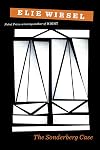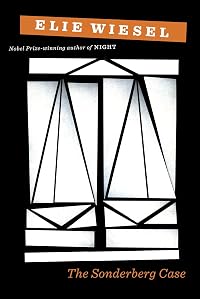
The Sonderberg Case
by Elie Wiesel
On This Page
Description
Ruminating on his past relationships with the men in his family, New York city theater critic Yedidyah is assigned to cover the murder trial of a German expatriate whose enigmatic plea triggers Yedidyah's own revelations.Tags
Recommendations











Member Reviews
I've always loved Elie Wiesel (as both an author and the person himself), and often think about the things he's gone through (living through the Holocaust), especially as it relates to the WAY he writes his fiction. This particular novel could probably fall better on the three star spectrum, but given Elie, and I think the overall place this novel would have in his writings, I give it a four. I think there is much to analyze about Elie himself through this novel. Especially in relation himself to that of Judaism, the Holocaust, to Germans, to self-guilt (or survivor's guilt), and a large part of trying to.... forgive; namely forgive those who did things to the Jews, to those who didn't do ENOUGH (or anything) to protect the Jews, etc. show more There is a lot to this (relatively short) novel, but I find it more fascinating as an unpacking of Elie himself, especially once the reveal comes in that the journalist was adopted, and how he survived the war and getting whisked away and saved by a woman who was then degraded for doing so (an unmarried servant woman pretending he was her bastard son; the town/village assuming she's a harlot/slut and calling her names and degrading her for the rest of her life).
The overall plot of the novel is pretty paper thin. More a biography of the main character - the journalist, with some small disposition on the court trial itself, which is pretty small, and really not much of a plot. (Similar to his Hostages, which I recently read, where its akin to that, paper-thin plot but a long biography of a character and a breaking down of their psyche). The trial more or less comes across as secondary, especially once its revealed its a shut-case that Werner Sonderberg is innocent (despite saying he was "guilty and not guilty"). The ending chapters of the novel are great for both their prose and word-usage, and the way it really gets to the survivor of the character, to how Elie views himself as a survivor, and how Jews view their religion/people as ALL being survivors, and ALL needing to forgive and move on. show less
The overall plot of the novel is pretty paper thin. More a biography of the main character - the journalist, with some small disposition on the court trial itself, which is pretty small, and really not much of a plot. (Similar to his Hostages, which I recently read, where its akin to that, paper-thin plot but a long biography of a character and a breaking down of their psyche). The trial more or less comes across as secondary, especially once its revealed its a shut-case that Werner Sonderberg is innocent (despite saying he was "guilty and not guilty"). The ending chapters of the novel are great for both their prose and word-usage, and the way it really gets to the survivor of the character, to how Elie views himself as a survivor, and how Jews view their religion/people as ALL being survivors, and ALL needing to forgive and move on. show less
A New York theater critic, ill and depressed, is asked to review a sensational murder trial of a young German visitor to NY who allegedly killed his elderly uncle while vacationing.
Yedidyah has always had a keen sense of passion and sensitivity, and loves his family deeply. He has deep connections with his wise and loving grandfather, a Holocaust survivor, his uncle, his wife and sons.
It is his past that has come to trouble Yedidyah. He knows he actually had been adopted by this family; his birth parents, and older brother had been killed by the Nazis. He had been saved by Maria, a non-Jewish family employee, sent to America, where he finds a good home with a loving, thoughtful and educated family.
He dreams about and misses his young show more parents, and brother. He goes to Europe and finds Maria, who is too frail and sick with heartbreak to understand the significance of the visit. Yedidyah feels he is too late; he experiences intense guilt that it has taken him so long to miss his family.
Ironically, it is meeting Werner Sonderberg, the German suspect in the trial Yedidyah reviewed, that help him understand. The love he has received in abundance from both his biological and adoptive families is the antidote to his malaise, and the only substantive response to the evil of the Holocaust.
This novel is very philosophical, and filled with so much wisdom and compassion. show less
Yedidyah has always had a keen sense of passion and sensitivity, and loves his family deeply. He has deep connections with his wise and loving grandfather, a Holocaust survivor, his uncle, his wife and sons.
It is his past that has come to trouble Yedidyah. He knows he actually had been adopted by this family; his birth parents, and older brother had been killed by the Nazis. He had been saved by Maria, a non-Jewish family employee, sent to America, where he finds a good home with a loving, thoughtful and educated family.
He dreams about and misses his young show more parents, and brother. He goes to Europe and finds Maria, who is too frail and sick with heartbreak to understand the significance of the visit. Yedidyah feels he is too late; he experiences intense guilt that it has taken him so long to miss his family.
Ironically, it is meeting Werner Sonderberg, the German suspect in the trial Yedidyah reviewed, that help him understand. The love he has received in abundance from both his biological and adoptive families is the antidote to his malaise, and the only substantive response to the evil of the Holocaust.
This novel is very philosophical, and filled with so much wisdom and compassion. show less
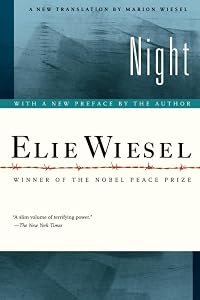
I have the utmost respect and admiration for Elie Wiesel. I do. And I'm embarrassed to say that up until now, I've never read any of his books. Not even Night.
(Although, my embarrassment on not reading Night is probably not as great as the embarrassment of a certain former college president of my alma mater who, upon introducing Mr. Wiesel as a keynote speaker during an event, REFERRED TO WIESEL'S BOOK NIGHT AS A WORK OF FICTION! I kid you not. Mr. Wiesel himself kindly but firmly set this dingbat straight.)
I digress. But that is an unbelievable story, is it not? I mean, can you imagine? I'm not much of a fan of this woman, truth be told.
Anyway, so I had high expectations going into The Sonderberg Case. This short novel is the story show more of Yedidyah Wasserman, a drama critic living in New York City with his actress wife and two sons. Because of his theatrical background, Yedidyah is assigned by the newspaper for which to cover the trial of one Werner Sonderberg, who is accused of killing his (Werner's) uncle. Werner pleads "guilty and not guilty," setting in motion a series of courtroom scenarios captured by Yedidyah, to much acclaim.
(I was picturing Yedidyah as somewhat of a Dominick Dunne, man-about-town type of character.)
For the first part of the novel, there are passages of writing that were fluid and poetic, almost causing me to slow down and take in the prose. But then it seemed as if the plot became too heavy for what is a less than 200 page novel. In that span, Wiesel gives his reader the Sonderberg trial and the effect it has on Yedidyah personally, as well as on his marriage. He presents some unspoken business of Yedidyah's family history, their experiences and fate during the Holocaust, and the dynamics between Werner and the uncle. There's also the mention of something medically wrong with Yedidyah, which I'm thinking is cancer but we never quite figure out.
It's all a little hard to keep straight. (Oh, and through all of this, the narration changes (often) from first to third person, and back again.) It makes for a choppy story. Perhaps this is because the novel was translated from the French. (If so, this is the second translation from the French I've had difficulty with - the first being The Elegance of the Hedgehog.)
(Cringes and shudders at the memory of that particular book.)
I wanted to like this one more than I did, but The Sonderberg Case failed to win my favor. However, it won't deter me from giving Wiesel another chance by reading more of his work - fiction AND nonfiction - in the future. show less
(Although, my embarrassment on not reading Night is probably not as great as the embarrassment of a certain former college president of my alma mater who, upon introducing Mr. Wiesel as a keynote speaker during an event, REFERRED TO WIESEL'S BOOK NIGHT AS A WORK OF FICTION! I kid you not. Mr. Wiesel himself kindly but firmly set this dingbat straight.)
I digress. But that is an unbelievable story, is it not? I mean, can you imagine? I'm not much of a fan of this woman, truth be told.
Anyway, so I had high expectations going into The Sonderberg Case. This short novel is the story show more of Yedidyah Wasserman, a drama critic living in New York City with his actress wife and two sons. Because of his theatrical background, Yedidyah is assigned by the newspaper for which to cover the trial of one Werner Sonderberg, who is accused of killing his (Werner's) uncle. Werner pleads "guilty and not guilty," setting in motion a series of courtroom scenarios captured by Yedidyah, to much acclaim.
(I was picturing Yedidyah as somewhat of a Dominick Dunne, man-about-town type of character.)
For the first part of the novel, there are passages of writing that were fluid and poetic, almost causing me to slow down and take in the prose. But then it seemed as if the plot became too heavy for what is a less than 200 page novel. In that span, Wiesel gives his reader the Sonderberg trial and the effect it has on Yedidyah personally, as well as on his marriage. He presents some unspoken business of Yedidyah's family history, their experiences and fate during the Holocaust, and the dynamics between Werner and the uncle. There's also the mention of something medically wrong with Yedidyah, which I'm thinking is cancer but we never quite figure out.
It's all a little hard to keep straight. (Oh, and through all of this, the narration changes (often) from first to third person, and back again.) It makes for a choppy story. Perhaps this is because the novel was translated from the French. (If so, this is the second translation from the French I've had difficulty with - the first being The Elegance of the Hedgehog.)
(Cringes and shudders at the memory of that particular book.)
I wanted to like this one more than I did, but The Sonderberg Case failed to win my favor. However, it won't deter me from giving Wiesel another chance by reading more of his work - fiction AND nonfiction - in the future. show less
Een uit de boeken van Wiesel bekend thema: ‘waar begint schuld van de mens en waar komt er een eind aan ? Wat is definitief, onherroepelijk ?’
De titel van het boek heeft betrekking op een rechtbankverslag, waarin opgetekend wordt dat de beschuldigde zowel ‘schuldig’ als ‘niet schuldig’ pleit. Dit thema wordt door de schrijver op een majestueuze wijze verbonden met de grote vragen die in al zijn werk een hoofdrol spelen: het waarom van de grote vernietiging.
Het verhaal kent min of meer een drietal lijnen. In het eerste deel van het boek wordt een beschrijving gegeven van een toneelcriticus (Yedidyah) die, invallend voor een collega, een rechtbankverslag moet maken. Fijntjes memoreert zijn chef dat de rechtszaal en het toneel show more nu eenmaal meer overeenkomsten dan verschillen kennen !
Het middendeel bevat een samenvatting van het proces en het laatste deel beschrijft de ontmoeting tussen journalist en ex-beschuldigde.
Een ontmoeting waarbij de eerdere verhaallijnen bijeenkomen en er een salvo van slotakkoorden tot de lezer gaar doordringen. De grote vragen komen weer in een ander perspectief te staan waarbij ook historie als afstandsmeting een rol speelt en ‘de verzoening’ zich gaat manifesteren. Of niet ?
De ultieme vraag wordt ook gesteld: ‘Heeft Job er verkeerd aan gedaan zich met de Ene te verzoenen, terwijl deze hem, zonder het tegen hem te zeggen, simpelweg om een weddenschap te winnen, aan Satan had uitgeleverd ?
Hoor ik daar Abel Herzberg ?
Wiesel op z’n best ! show less
De titel van het boek heeft betrekking op een rechtbankverslag, waarin opgetekend wordt dat de beschuldigde zowel ‘schuldig’ als ‘niet schuldig’ pleit. Dit thema wordt door de schrijver op een majestueuze wijze verbonden met de grote vragen die in al zijn werk een hoofdrol spelen: het waarom van de grote vernietiging.
Het verhaal kent min of meer een drietal lijnen. In het eerste deel van het boek wordt een beschrijving gegeven van een toneelcriticus (Yedidyah) die, invallend voor een collega, een rechtbankverslag moet maken. Fijntjes memoreert zijn chef dat de rechtszaal en het toneel show more nu eenmaal meer overeenkomsten dan verschillen kennen !
Het middendeel bevat een samenvatting van het proces en het laatste deel beschrijft de ontmoeting tussen journalist en ex-beschuldigde.
Een ontmoeting waarbij de eerdere verhaallijnen bijeenkomen en er een salvo van slotakkoorden tot de lezer gaar doordringen. De grote vragen komen weer in een ander perspectief te staan waarbij ook historie als afstandsmeting een rol speelt en ‘de verzoening’ zich gaat manifesteren. Of niet ?
De ultieme vraag wordt ook gesteld: ‘Heeft Job er verkeerd aan gedaan zich met de Ene te verzoenen, terwijl deze hem, zonder het tegen hem te zeggen, simpelweg om een weddenschap te winnen, aan Satan had uitgeleverd ?
Hoor ik daar Abel Herzberg ?
Wiesel op z’n best ! show less
Nov 2, 2009Dutch
1
Ratings
Members
- Recently Added By
Author Information

132+ Works 50,366 Members
Eliezer "Elie" Wiesel was born in Sighet, Romania on September 30, 1928. In 1944, he and his family were deported along with other Jews to the Nazi death camp Auschwitz. His mother and his younger sister died there. He loaded stones onto railway cars in a labor camp called Buna before being sent to Buchenwald, where his father died. He was show more liberated by the United States Third Army on April 11, 1945. After the war ended, he learned that his two older sisters had also survived. He was placed on a train of 400 orphans that was headed to France, where he was assigned to a home in Normandy under the care of a Jewish organization. He was educated at the Sorbonne and supported himself as a tutor, a Hebrew teacher and a translator. He started writing for the French newspaper L'Arche. In 1948, L'Arche sent him to Israel to report on that newly founded state. He also became the Paris correspondent for the daily Yediot Ahronot. In this capacity, he interviewed the novelist Francois Mauriac, who urged him to write about his war experiences. The result was La Nuit (Night). After the publication of Night, Wiesel became a writer, literary critic, and journalist. His other books include Dawn, The Accident, The Gates of the Forest, The Jews of Silence: A Personal Report on Soviet Jewry, and Twilight. He received a numerous awards and honors for his literary work including the William and Janice Epstein Fiction Award in 1965, the Jewish Heritage Award in 1966, the Prix Medicis in 1969, and the Prix Livre-International in 1980. He received the Nobel Peace Prize in 1986 for his work in combating human cruelty and in advocating justice. He had a leading role in the creation of the United States Holocaust Memorial Museum in Washington, D. C. He died on July 2, 2016 at the age of 87. (Bowker Author Biography) show less
Awards and Honors
Distinctions
Common Knowledge
- Original publication date
- 2009
- People/Characters
- Yedidyah; Werner Sonderbeg
- Important places
- New York, New York, USA
Classifications
- Genres
- Fiction and Literature, General Fiction, Historical Fiction
- DDC/MDS
- 843.914 — Literature & rhetoric French Literature French fiction 1900- 20th Century 1945-1999
- LCC
- PQ2683 .I32 .C3713 — Language and Literature French, Italian, Spanish and Portuguese literatures French literature Modern literature 1961-2000
- BISAC
Statistics
- Members
- 254
- Popularity
- 128,975
- Reviews
- 4
- Rating
- (3.35)
- Languages
- 6 — Dutch, English, French, Hebrew, Hungarian, Portuguese
- Media
- Paper, Audiobook, Ebook
- ISBNs
- 15
- ASINs
- 6