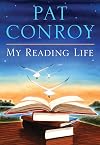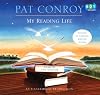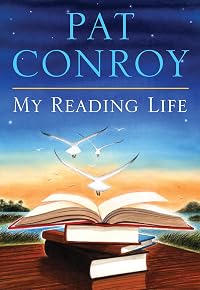
My Reading Life
by Pat Conroy
On This Page
Description
Bestselling author Pat Conroy acknowledges the books that have shaped him and celebrates the profound effect reading has had on his life.Tags
Recommendations
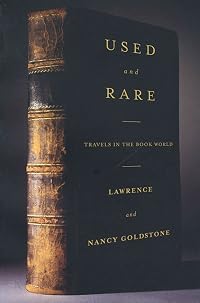
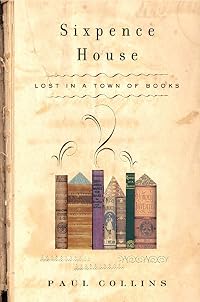
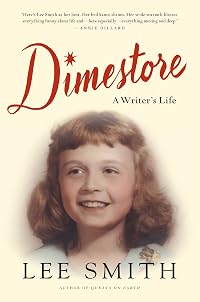
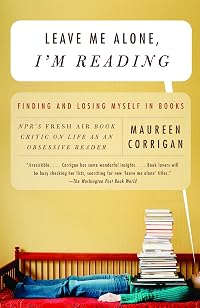

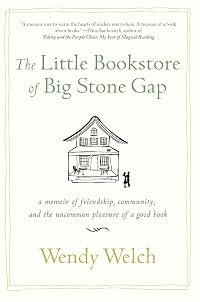
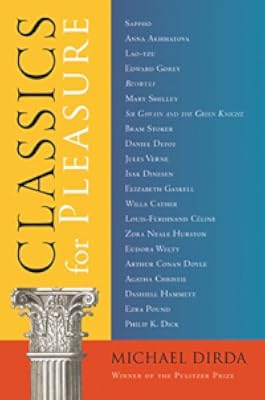
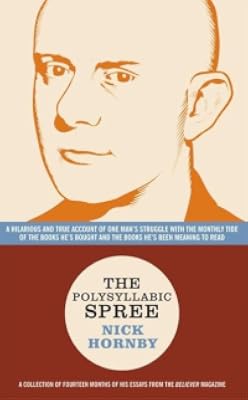
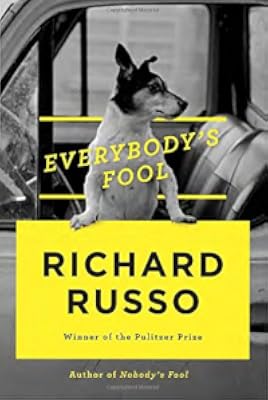
Member Recommendations

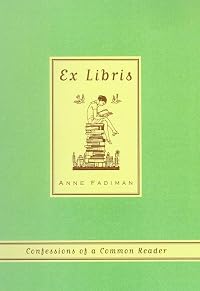
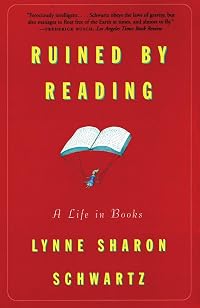
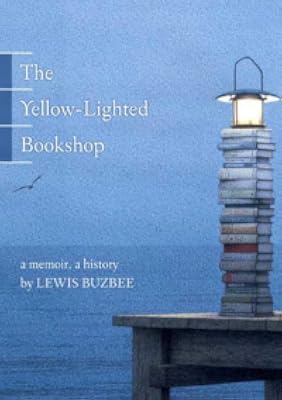
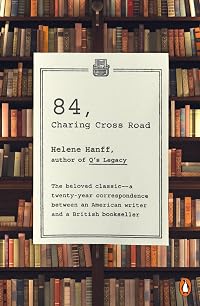
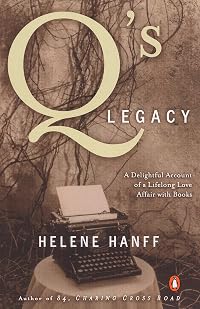
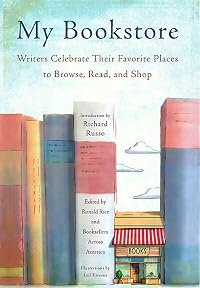
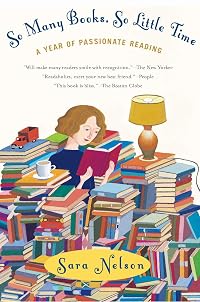
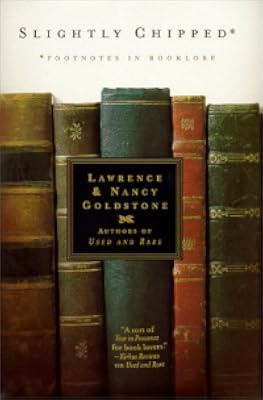
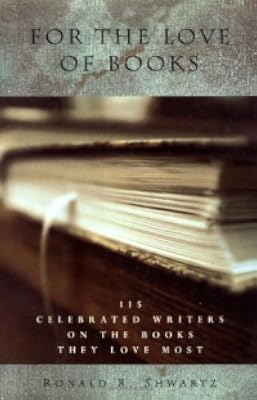
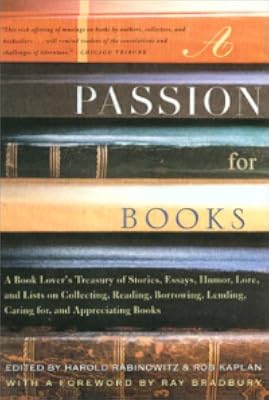
bell7 Another celebration of reading and writing, The Pleasure of Reading takes essays from fourteen different writers, who focus specifically on their reading and list their favorite books.
20
Member Reviews
"In a reading life, one thing leads to another in a circle of accident and chance."
Taking a quote from the final chapter in Conroy's book was the closest I could come to describing the book itself. I suppose it's most accurate to call this a book of vignettes, all tied to the reading, writing, and most of all life of Pat Conroy, all three of which are closely related for him as he makes clear in this collection.
I came to this book having never read Conroy's fiction, or in fact any other book he's ever written. I found an author interview in a magazine that intrigued me, so I put the book on my list to read. I picked it up ready to rush through - enjoy, of course, but read quickly - because it was due back at the library soonest, and I show more love books about books. But Conroy wouldn't let me rush. I read quickly, yes, but because I had chunks of time here and there and I put aside my other reading to make time for this, because each part of his story wanted me to give my full attention. Every sentence wanted to be considered. One essay made me cry, another made me laugh, and I had to wait before I read the next so that I could separate them out and give each its due. Conroy made me want to pick up War and Peace to read right now, and maybe to add Military Brats by Mary Edwards Wertsch to my list of books to check out from the library. He made me want to read at least one of his novels to see if I like his fiction as well as his nonfiction. I thoroughly enjoyed this glimpse of his love for literature, for story, and for language. show less
Taking a quote from the final chapter in Conroy's book was the closest I could come to describing the book itself. I suppose it's most accurate to call this a book of vignettes, all tied to the reading, writing, and most of all life of Pat Conroy, all three of which are closely related for him as he makes clear in this collection.
I came to this book having never read Conroy's fiction, or in fact any other book he's ever written. I found an author interview in a magazine that intrigued me, so I put the book on my list to read. I picked it up ready to rush through - enjoy, of course, but read quickly - because it was due back at the library soonest, and I show more love books about books. But Conroy wouldn't let me rush. I read quickly, yes, but because I had chunks of time here and there and I put aside my other reading to make time for this, because each part of his story wanted me to give my full attention. Every sentence wanted to be considered. One essay made me cry, another made me laugh, and I had to wait before I read the next so that I could separate them out and give each its due. Conroy made me want to pick up War and Peace to read right now, and maybe to add Military Brats by Mary Edwards Wertsch to my list of books to check out from the library. He made me want to read at least one of his novels to see if I like his fiction as well as his nonfiction. I thoroughly enjoyed this glimpse of his love for literature, for story, and for language. show less
I have read and enjoyed three of Pat Conroy’s books, and have another three still to read sitting on my shelves. He is a gifted storyteller, and I very much enjoyed this book focusing on his love of literature and reading and the various influences throughout his life that set him on a literary path. I had the audio version of the book, which is narrated by Conroy himself. He’s not the most polished reader, but to hear his own story from his own lips (soft Southern slur and all) was very effective and made the telling more intimate. At turns funny and sad, [My Reading Life] is both a memoir and a manifesto; a memoir of one man’s life journey through books, and a manifesto on the value of all things biblio – books, libraries, show more writers, bookshops, etc. While in the middle of listening to the book, I had the opportunity to purchase a gently used hardcover copy of it, which I snapped up to add to my permanent collection. This one gets five stars because how can I quibble over such a passionate articulation of the value of books and reading? show less
Writers who learn their craft from a devoted and rigorous reading life are the best. Not the ones who read for assignments in an MFA program, or the ones who read from lists in “how-to write your first novel” manuals, or the ones who read to keep up with their market. But the ones who are compelled to pick up a pen and paper in response to the siren call emanating from their favorites books and authors. The ones who learn accidentally, consuming page after page until they’ve been infused with the creative marrow. The autodidact Jack London immediately comes to mind, a young man who devoured everything he could put his hand on in his quest.
Until Pat Conroy’s [My Reading Life], I wouldn’t have known he had a similar path to the show more writing life. Cursed with a cold, abusive father, his young life was redeemed by a curious and introspective mother. Together they on a personal education through literature. Of it, he says,”
“From the beginning, I’ve searched out those writers unafraid to stir up the emotions, who entrust me with their darkest passions, their most indestructible yearnings, and their most soul-killing doubts. I trust the great novelists to teach me how to live, how to feel, how to love and hate. I trust them to show me the dangers I will encounter on the road as I stagger on my own troubled passage through a complicated life of books that try to teach me how to die.”
From Margaret Mitchell to Dickens to Thomas Wolfe to James Dickey, Conroy describes his love of reading and how it informed his own writing career. It was a pleasure to see authors who have fallen out of favor, or onto reader’s far backlists, in today’s point and click world. Wolfe, for example, with his overflowing prose, doesn’t get much more than a sour look anymore. But Conroy loved him for his willingness to wear the creative spirit on his sleeve. And Conroy’s exegesis of Mitchell’s [Gone with the Wind] will make you forget about Clark Gable and Vivien Leigh.
Interestingly, something about the way he developed his writing sensibilities also gave him a suspicious eye toward other writers. Maybe this was a function of coming to the craft from a sincere love of words and stories – a calling rather than a profession:
“The world of writers was a snake hole, a circle of hell – a rat’s nest and a whirlpool and a dilemma – not just a world. … I’ve spent most of my life avoiding the companionship of writers. The tribe is contentious, the breed dangerous.”
His own college mentor, Dickey, he described as vindictive and combative. But his best example was Alice Walker, whom he met at his first writer’s conference. He handed over his copy of her book to sign, telling her how much he had enjoyed it. She signed it and walked away from him, refusing to utter a word. Later, a friend told him that she had “a thing about Southern white men.”
[My Reading Life] can be a guidepost for the readers among us, a sort of book club on paper, chaired by the most passionate of readers. But it’s also invaluable as a writing companion. Conroy graciously endeavors to define what it means to write, to answer the call. More than one time, he suggests that his stories are his way of making sense of his life.
“I am always trying to interpret the relationship between writing and life, between experience and art. Once I thought writing was a simple act, a matter of cataloging the most sacred items of God, the naming of things of darkness. But that definition was never good enough. It is not enough to name and catalog. … The writer must reach back deeply into memory, into those frightening unmarked streets, must walk until exhausted, eyes open, bearing gifts, mind blazing with the dignity of language, blood burning, images beginning to form like jade in the bloodstream. Until he turns that corner, reaches that street, arrives at that moment of pure divine inspiration, of ineffable chance, when there is an explosion – and he see the burning man – then he can begin to write. The burning man is always alive.”
Perhaps Conroy saw his calling as a flaming imperative because his education, his reading, did more than help him explain his life – it saved his soul. Show me a writer like that because reading his work is more than a pastime, it’s a soul-filling need.
Bottom Line: A beautiful guidebook for readers and writers. Conroy is not just someone you want to read – he’s someone you want to know.
5 bones!!!!!
An all-time favorite. show less
Until Pat Conroy’s [My Reading Life], I wouldn’t have known he had a similar path to the show more writing life. Cursed with a cold, abusive father, his young life was redeemed by a curious and introspective mother. Together they on a personal education through literature. Of it, he says,”
“From the beginning, I’ve searched out those writers unafraid to stir up the emotions, who entrust me with their darkest passions, their most indestructible yearnings, and their most soul-killing doubts. I trust the great novelists to teach me how to live, how to feel, how to love and hate. I trust them to show me the dangers I will encounter on the road as I stagger on my own troubled passage through a complicated life of books that try to teach me how to die.”
From Margaret Mitchell to Dickens to Thomas Wolfe to James Dickey, Conroy describes his love of reading and how it informed his own writing career. It was a pleasure to see authors who have fallen out of favor, or onto reader’s far backlists, in today’s point and click world. Wolfe, for example, with his overflowing prose, doesn’t get much more than a sour look anymore. But Conroy loved him for his willingness to wear the creative spirit on his sleeve. And Conroy’s exegesis of Mitchell’s [Gone with the Wind] will make you forget about Clark Gable and Vivien Leigh.
Interestingly, something about the way he developed his writing sensibilities also gave him a suspicious eye toward other writers. Maybe this was a function of coming to the craft from a sincere love of words and stories – a calling rather than a profession:
“The world of writers was a snake hole, a circle of hell – a rat’s nest and a whirlpool and a dilemma – not just a world. … I’ve spent most of my life avoiding the companionship of writers. The tribe is contentious, the breed dangerous.”
His own college mentor, Dickey, he described as vindictive and combative. But his best example was Alice Walker, whom he met at his first writer’s conference. He handed over his copy of her book to sign, telling her how much he had enjoyed it. She signed it and walked away from him, refusing to utter a word. Later, a friend told him that she had “a thing about Southern white men.”
[My Reading Life] can be a guidepost for the readers among us, a sort of book club on paper, chaired by the most passionate of readers. But it’s also invaluable as a writing companion. Conroy graciously endeavors to define what it means to write, to answer the call. More than one time, he suggests that his stories are his way of making sense of his life.
“I am always trying to interpret the relationship between writing and life, between experience and art. Once I thought writing was a simple act, a matter of cataloging the most sacred items of God, the naming of things of darkness. But that definition was never good enough. It is not enough to name and catalog. … The writer must reach back deeply into memory, into those frightening unmarked streets, must walk until exhausted, eyes open, bearing gifts, mind blazing with the dignity of language, blood burning, images beginning to form like jade in the bloodstream. Until he turns that corner, reaches that street, arrives at that moment of pure divine inspiration, of ineffable chance, when there is an explosion – and he see the burning man – then he can begin to write. The burning man is always alive.”
Perhaps Conroy saw his calling as a flaming imperative because his education, his reading, did more than help him explain his life – it saved his soul. Show me a writer like that because reading his work is more than a pastime, it’s a soul-filling need.
Bottom Line: A beautiful guidebook for readers and writers. Conroy is not just someone you want to read – he’s someone you want to know.
5 bones!!!!!
An all-time favorite. show less
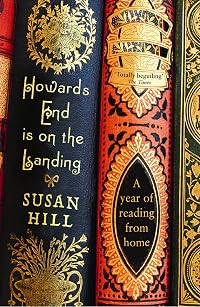
Now here is a book about reading that does what it oughta. Conroy has erased that disappointed feeling I had after reading Howard's End is on the Landing. Conroy "grew up a word-haunted boy". He tells us how his mother instilled a love of reading and learning in him by bringing home books from the library to educate herself; how, even though he attended 11 different schools in 12 years, he managed to connect with some special teachers who made lasting impressions on his reading life (and more). He explains what certain books and authors have meant to him personally and as a writer. Finally, he left me with an urge to read something new with the turn of nearly every page.
November 2011
November 2011
Author Pat Conroy tells stories from his life through the lens of books he read and that influenced him profoundly. Initially I wasn't sure about listening to this on audio with the author reading himself (I am in awe of the professionals who narrate audio books), but I found it moving to hear his story in his own words and in his own voice. I loved his description of his voracious reading habits, his moony-eyed crushes on particular authors at particular times of his life, the thrill and power of words, and the life-saving and life-altering impact of books and stories (he is an unabashed champion of stories, declaring that "Tell me a story" is the most powerful sentence in the English language, and lamenting the decline of the story in show more modern fiction). I've never read any of Mr. Conroy's books, but now I am anxious to read about his childhood at the mercy of his brutal father in the Great Santini, about his year of teaching on a remote and desperately poor Carolina island in The Water is Wide, and others. I wept through the chapter about an unforgettable teacher, was spellbound by the description of the profound meaning of Gone with the Wind to southerners, laughed through his account of living in Paris, and have never been more motivated to read Tolstoy, Tolkein, and many others. Mr. Conroy is quite verbose, which he freely -- and frequently -- admits. Following the book there is an interview with the author, and the questions surprised me, as I had spent the past 7 hours listening to his explanations of the same topics, but I was delighted to hear him discuss other books that influenced him, beginning with The Hardy Boys, Nancy Drew, and Black Beauty. He also spoke passionately about the power of read alouds, and I am astonished that his mother, with 7 children, could make reading aloud to her kids individually a priority. Mr. Conroy is also a new and very enthusiastic fan of audio books, claiming that the art form (his words) is helping to revive the oral storytelling tradition in America. While I thoroughly enjoyed the book, that last interview section just made my heart sing, and was a wonderful way to conclude a special book. show less
Despite his typically overly-dramatized and overly-romanticized style, Pat Conroy’s My Reading Life succeeds because of his sincerity and charm. He explores the history of his reading life from his abused childhood to his success as an author. The violence of his Marine Corps father (non-reader) and his autodidact mother (the reader), and their tumultuous relationship, has marked all of Conroy’s writing, and that heavy presence is felt throughout. During his developmental years he looked for father figures in teachers who were the antithesis of his father and found them, most notably in his high school English teacher. All of the characters who paraded through his life and inspired a new tangent of literary exploration are show more remembered from his crotchety, whiskey nipping high school librarian to literary lights such as James Dickey. The works he discusses will be familiar to many while others will remind you that you always meant to read that one. Although War and Peace did not change my life as Conroy believed it would, and I debate whether it really was the greatest novel ever written, the works that inspired him will likely inspire you too. show less
Though called "My Reading Life", this book is more about Conroy than about the books he has read. While he does single out a few works that affected him deeply - "Gone with the Wind" through his mother's love of it, "War and Peace", which he calls the greatest novel ever written, and finally, "Look Homeward, Angel" where he fell in love with the work of Thomas Wolfe, whose influence on Conroy's own writing has been immense. To me, as someone who thoroughly enjoyed "The Prince of Tides" and "The Great Santini", I gained a much deeper understanding of not just why but how Conroy came to write these autobiographical books.
It would be quite possible to be annoyed with Conroy at points during this series of essays. His focus on himself is show more laser-like. He is immensely proud of what he has achieved and wants to tell us what he finds important about writing and to defend his own everything-and-the-kitchen-sink approach to narrative and to language itself. And, by the end of this wonderful book, he has succeeded, because just like his novels, it takes us on an emotional journey that leaves us exhausted, but happy to have made the trip, though it is filled with almost unbearable emotion and at more than one point it will cause tears to flow. For me, the most emotional part of the book was Conroy's elegy to his English teacher at Beaufort (SC) High School, Gene Norris, who encouraged Conroy to become a writer. They spent an immense amount of time together, including the time Norris took Conroy on a pilgrimage of sorts to Asheville where Conroy visits Wolfe's old home. But the most moving part of the story is about the time Conroy spent with Norris many years later as his beloved teacher lay dying of leukemia.
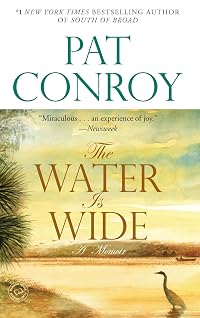
There are other great stories as well, of Paris, of Atlanta, of a used book store, of a writers conference, and of the island off the South Carolina coast where Conroy taught for a year, the subject of his non-fiction book, "The Water is Wide", which was made into a great movie, "Conrack", with Jon Voight playing the teacher.
Throughout these stories, as he does in his novels, Conroy just overwhelms you with his passion. Passion for great people like Gene Norris, and for great but flawed ones like James Dickey. And always a passion for books. Near the end of this one, Conroy says that when he picks up a book, "I want everything, and nothing less, the full measure of a writer's heart." That is what Conroy puts into his own work, and in the end, you just have to surrender to him. show less
It would be quite possible to be annoyed with Conroy at points during this series of essays. His focus on himself is show more laser-like. He is immensely proud of what he has achieved and wants to tell us what he finds important about writing and to defend his own everything-and-the-kitchen-sink approach to narrative and to language itself. And, by the end of this wonderful book, he has succeeded, because just like his novels, it takes us on an emotional journey that leaves us exhausted, but happy to have made the trip, though it is filled with almost unbearable emotion and at more than one point it will cause tears to flow. For me, the most emotional part of the book was Conroy's elegy to his English teacher at Beaufort (SC) High School, Gene Norris, who encouraged Conroy to become a writer. They spent an immense amount of time together, including the time Norris took Conroy on a pilgrimage of sorts to Asheville where Conroy visits Wolfe's old home. But the most moving part of the story is about the time Conroy spent with Norris many years later as his beloved teacher lay dying of leukemia.
There are other great stories as well, of Paris, of Atlanta, of a used book store, of a writers conference, and of the island off the South Carolina coast where Conroy taught for a year, the subject of his non-fiction book, "The Water is Wide", which was made into a great movie, "Conrack", with Jon Voight playing the teacher.
Throughout these stories, as he does in his novels, Conroy just overwhelms you with his passion. Passion for great people like Gene Norris, and for great but flawed ones like James Dickey. And always a passion for books. Near the end of this one, Conroy says that when he picks up a book, "I want everything, and nothing less, the full measure of a writer's heart." That is what Conroy puts into his own work, and in the end, you just have to surrender to him. show less
Members
- Recently Added By
Lists

My E-Book Collection - Opinions Welcome
92 works; 10 members
Author Information

47+ Works 23,769 Members
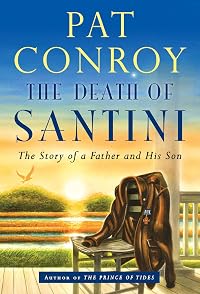
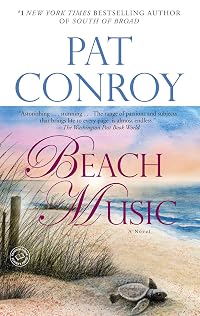
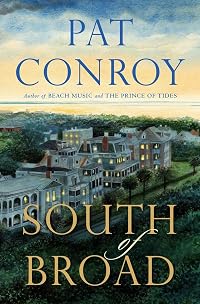
Pat Conroy is the pen name of Donald Patrick Conroy, who was born in Atlanta, Georgia on October 26, 1945. He received a B.A. in English from The Citadel in 1967. After teaching high school at his alma mater, he accepted a job teaching disadvantaged black children in a two-room schoolhouse on Daufuskie Island off the South Carolina coast. Many of show more the children were illiterate, unable even to write their own names. He taught them using oral history and geography lessons. His experience on Daufuskie Island formed the basis for his first successful memoir, The Water Is Wide, which won the Anisfield-Wolf Award from the Cleveland Foundation and was made into the movie Conrack starring Jon Voight in 1976. His novels include Beach Music and South of Broad. Several of his novels were adapted into movies including The Great Santini, The Lords of Discipline, and The Prince of Tides. He also wrote several works of non-fiction including The Pat Conroy Cookbook: Recipes and Stories of My Life, My Reading Life, and The Death of Santini: The Story of a Father and His Son. He died of pancreatic cancer on March 4, 2016 at the age of 70. (Bowker Author Biography) show less
Awards and Honors
Common Knowledge
- Canonical title
- My Reading Life
- Original publication date
- 2010
- Dedication
- This book is dedicated to my lost daughter, Susannah Ansley Conroy. Know this: I love you with my heart and always will. Your return to my life would be one of the happiest moments I could imagine.
- First words
- Between the ages of six and nine, I was a native son of the marine bases of Cherry Point and Camp Lejeune in the eastern coastal regions of North Carolina.
- Quotations
- If there is more important work than teaching, I hope to learn about it before I die.
My mother's voice and my father's fists are the two book-ends of my childhood, and they form the basis of my art.
A novelist must wrestle with all mysteries and strangeness of life itself, and anyone who does not wish to accept that grand, bone-chilling commission should write book reviews, editorials, or health-insurance policies instea... (show all)d.
on growing up as a child of the
military- "Each year I began my life all over again. I grew up knowing no one well, least of all myself, and I think it damaged me. I grew up not knowing if I was smart or stupid, handsome ... (show all)or ugly, interesting or insipid. I was too busy reacting to the changing landscapes and climates of my life to get any clear picture of myself. I was always leaving behind what I was just about to become. I could never catch up to the boy I might have been if I'd grown up in one place." - Last words
- (Click to show. Warning: May contain spoilers.)We've got to be patient enough to wait for them.
Classifications
- Genres
- Biography & Memoir, Nonfiction, Literature Studies and Criticism
- DDC/MDS
- 813.54 — Literature & rhetoric American literature in English American fiction in English 1900-1999 1945-1999
- LCC
- PS3553 .O5198 .Z467 — Language and Literature American literature American literature Individual authors 1961-
- BISAC
Statistics
- Members
- 934
- Popularity
- 28,504
- Reviews
- 75
- Rating
- (3.92)
- Languages
- English
- Media
- Paper, Audiobook, Ebook
- ISBNs
- 11
- ASINs
- 7