On This Page
Description
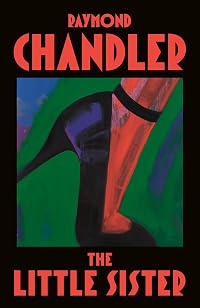
Crime fiction master Raymond Chandler's fifth novel featuring Philip Marlowe, the "quintessential urban private eye" (Los Angeles Times).In noir master Raymond Chandler's The Little Sister, a movie starlet with a gangster boyfriend and a pair of siblings with a shared secret lure private eye Philip Marlowe into the less than glamorous and more than a little dangerous world of Hollywood fame. Chandler's first foray into the industry that dominates the company town that is Los Angeles.
Tags
Recommendations


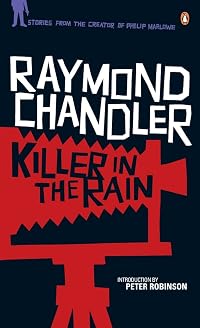

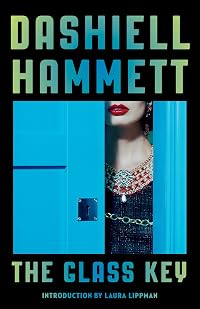


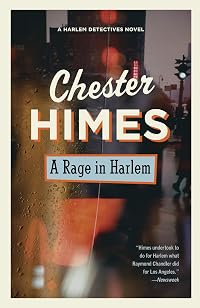


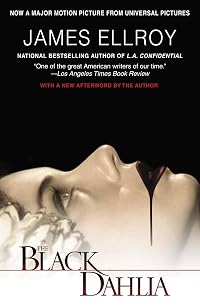
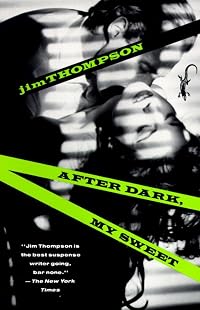
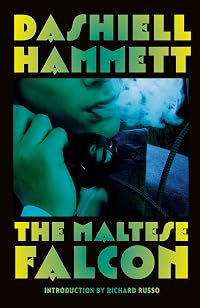

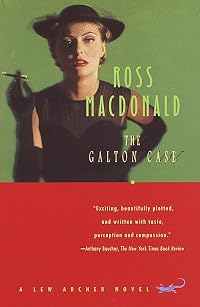
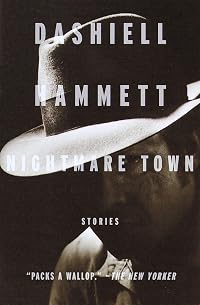

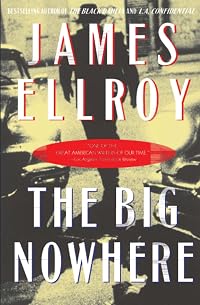
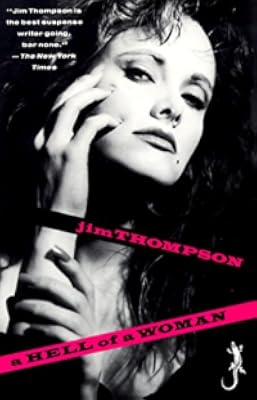
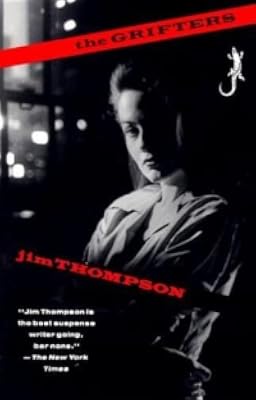








Member Recommendations
btuckertx If you enjoyed The Little Sister, you're going to love The Big Sleep!
32
Bookmarque If you liked the more noir-ish voice Crais comes back to here, give Chandler a go - TLS is his best IMO.
Member Reviews
Discovering that a favorite now-dead author wrote a novel you didn't know of is exciting. To find out, by reading it, that it's one of the author's best is thrilling. It happened to me. Scanning the bookshelves at a Goodwill store, I found a copy of Raymond Chandler's [The Little Sister]. New to me...and I was so sure I had copies of ALL his novels. A happy find.
The Little Sister has all the Chandler hallmarks: Philip Marlowe; snappy dialogue; hostile cops; a spectrum of hoods, chiselers, toughs, and gangsters; innocent and/or seductive women; a murder, then another. And another. Add a loon or two, several lunkheads, a whack to the head. Shake or stir (your preference) until noir.
The story begins with a telephone call to Marlowe's show more office, where he is killing time stalking a fly.
More back-and-forth, with the caller expressing her concerns without sharing any personal information or anything about the detecting she wants done. When she says, "You might at least talk like a gentleman," Marlowe hangs up. "It was a step in the right direction," he tells us, "but it didn't go far enough. I ought to have locked the door and hid under the desk."
Within minutes, the caller comes through the unlocked office door and faces Marlowe. She's Orfamay Quest of Manhattan, Kansas, a dowdy young woman who wants Marlowe to locate her older brother, Orrin. He left Kansas for a job one of the area's aircraft businesses. She has an address—a shabby rooming house in a seedy neighborhood—but he's not there. She knows nothing else. Or so she tells Marlowe. She won't say where she is staying, she won't provide a telephone number where he can contact her. She neglects to mention a sister who is in town. Or her sister's friends.
A trip to the rooming house doesn't yield Orrin or a forwarding address. A tough in the kitchen gives Marlowe trouble, as does the drunken manager, as does—initially anyway—a man who is in the process of vacating the room Orrin had stayed it. On his way out, Marlowe stops to question the manager, but finds him out cold. On his way back to the office, he stops at a telephone booth and calls the Police Department.
Yes. It is like that, all the way to the end. show less
The Little Sister has all the Chandler hallmarks: Philip Marlowe; snappy dialogue; hostile cops; a spectrum of hoods, chiselers, toughs, and gangsters; innocent and/or seductive women; a murder, then another. And another. Add a loon or two, several lunkheads, a whack to the head. Shake or stir (your preference) until noir.
The story begins with a telephone call to Marlowe's show more office, where he is killing time stalking a fly.
"Is this Mr. Marlowe, the detective?" It was a small, rather hurried, little-girlish voice. I said it was Mr. Marlowe, the detective. "How much do you charge for your services, Mr. Marlowe?"
"What was it you wanted done?"
The voice sharpened a little. "I can't very well tell you that over the phone. It's—it's very confidential. Before I'd waste time coming to your office I'd have to have some idea—"
"Forty bucks a day and expenses. Unless it's the kind of job that can be done for a flat fee."
"That's far too much," the little voice said. "Why, it might cost hundreds of dollars and I only get a small salary and—"
"Where are you now?"
"Why, I'm in a drugstore. It's right next to the building where your office is."
"You could have saved a nickel. The elevator's free."
More back-and-forth, with the caller expressing her concerns without sharing any personal information or anything about the detecting she wants done. When she says, "You might at least talk like a gentleman," Marlowe hangs up. "It was a step in the right direction," he tells us, "but it didn't go far enough. I ought to have locked the door and hid under the desk."
Within minutes, the caller comes through the unlocked office door and faces Marlowe. She's Orfamay Quest of Manhattan, Kansas, a dowdy young woman who wants Marlowe to locate her older brother, Orrin. He left Kansas for a job one of the area's aircraft businesses. She has an address—a shabby rooming house in a seedy neighborhood—but he's not there. She knows nothing else. Or so she tells Marlowe. She won't say where she is staying, she won't provide a telephone number where he can contact her. She neglects to mention a sister who is in town. Or her sister's friends.
A trip to the rooming house doesn't yield Orrin or a forwarding address. A tough in the kitchen gives Marlowe trouble, as does the drunken manager, as does—initially anyway—a man who is in the process of vacating the room Orrin had stayed it. On his way out, Marlowe stops to question the manager, but finds him out cold. On his way back to the office, he stops at a telephone booth and calls the Police Department.
"Bay City Police. Moot talking," a furry voice said.
I said: "Number 449 Idaho Street. In the apartment of the manager. His name's Clausen."
"Yeah?" The voice said. "What do we do?"
"I don't know," I said. "It's a bit of a puzzle to me. But the man's name is Lester B. Clausen. Got that?"
"What makes it important?" the furry voice said without suspicion.
"The coroner will want to know," I said, and hung up.
Yes. It is like that, all the way to the end. show less
'The Little Sister' is the fifth book in the Philip Marlowe series and sees him leave the streets of Los Angeles behind for the artificial glare of Hollywood.
When a quiet, prudish young woman from Manhattan, Kansas, named Orfamay Quest, walks into Marlowe's office asking him to find her older brother, Orrin, she offers him a measly twenty dollars. Feeling charitable, Marlowe takes the case, but soon regrets his generosity. The search leads him away from small-town innocence into the seedy Hollywood underworld with it's luscious movie starlets, ruthless gangsters, corrupt police officers and corpses with ice picks jammed in their necks. As the body count rises, Marlowe realizes that "the little sister" and everyone else around him are show more lying.
In this book we see Chandler's prose at its peak. The novel is a masterclass in hard-boiled dialogue, littered with cynical one-liners and outrageous similes. However, we also get to witness a turning point in Marlowe's life. Here he is no longer the traditional romantic hero but is instead lonely, exhausted and jaded, only his stubborn moral code remains intact. Apparently Chandler spent years working as a frustrated screenwriter, and his dislike for the film industry shines through in every chapter. This book therefore functions as a brilliant takedown of Tinseltown.
However, I also found that this book wasn't without a few flaws as well. The plot is conveluted, characters emerge and vanish rapidly, it is incredibly easy to lose track of who is blackmailing whom and no one appears to be particularly likeable. Compared to others in the series I found the plot less cohesive but the dialogue superior.
This book was first published in 1949 so it contains many of the norms of the time, misogyny, homo-phobia and police brutality to name but a few. But if you can see past these issues then I would still recommend it to fans of hard-boiled detective fiction but it would probably be best not to make this your introduction to the series. show less
When a quiet, prudish young woman from Manhattan, Kansas, named Orfamay Quest, walks into Marlowe's office asking him to find her older brother, Orrin, she offers him a measly twenty dollars. Feeling charitable, Marlowe takes the case, but soon regrets his generosity. The search leads him away from small-town innocence into the seedy Hollywood underworld with it's luscious movie starlets, ruthless gangsters, corrupt police officers and corpses with ice picks jammed in their necks. As the body count rises, Marlowe realizes that "the little sister" and everyone else around him are show more lying.
In this book we see Chandler's prose at its peak. The novel is a masterclass in hard-boiled dialogue, littered with cynical one-liners and outrageous similes. However, we also get to witness a turning point in Marlowe's life. Here he is no longer the traditional romantic hero but is instead lonely, exhausted and jaded, only his stubborn moral code remains intact. Apparently Chandler spent years working as a frustrated screenwriter, and his dislike for the film industry shines through in every chapter. This book therefore functions as a brilliant takedown of Tinseltown.
However, I also found that this book wasn't without a few flaws as well. The plot is conveluted, characters emerge and vanish rapidly, it is incredibly easy to lose track of who is blackmailing whom and no one appears to be particularly likeable. Compared to others in the series I found the plot less cohesive but the dialogue superior.
This book was first published in 1949 so it contains many of the norms of the time, misogyny, homo-phobia and police brutality to name but a few. But if you can see past these issues then I would still recommend it to fans of hard-boiled detective fiction but it would probably be best not to make this your introduction to the series. show less
The archetypal Raymond Chandler/Philip Marlowe detective story. This one has everything you associate with this particular sub-genre of crime fiction; if you were to give evidence of detective pulp, The Little Sister would be Exhibit A. The seedy towns, the vicious mobsters, the duplicitous dames and last but not least the hard-worn, down-and-out detective. Marlowe's world-weary voice in the prose is a great thing to experience, a real treat for the reader, and The Little Sister shows it at its best.
The plot itself is not as clear as the previous book, The Lady in the Lake, but it is still solid and engaging as Chandler's plots go. I love the crapsack nature of Chandler's seedy Bay City and L.A. ("You can live a long time in Hollywood show more and never see the part they use in pictures" (pg. 126)). I love the sad-sack demeanour of his protagonist ("My brain felt like a bucket of wet sand" (pg. 105)). And I love the sapped-by-a-blackjack approach of this detective to his cases. "You're not exactly proud of the way you have handled things, are you, Marlowe?" a cop asks him on pages 269-70 as the dust settles. "I got off on the wrong foot," Marlowe replies. "After that I just had to take my lumps." It's a riotously entertaining approach to crime fiction, part bull in a china-shop and part poking the hornet's nest to see what comes out.
As Val McDermid says in her introduction, it is a case "where everything that can go wrong does go wrong and where every choice our private eye hero makes turns out to be disastrous" (pg. v). It is almost Shakespearean in that sense, totally real and yet just enough apart from reality for us to admire the drama of it. Chandler himself is fully aware of this; Marlowe as narrator talks often of 'stage' and 'characters' and 'dialogue', and of the young, innocent, wide-eyed female client who first employs Marlowe and gets the story started, he says "nobody ever looked less like Lady Macbeth" (pg. 4). If not breaking the fourth wall, then he is at least running his hand along it and admiring the brickwork. And for all the dynamite similes and colourful supporting characters, this is Marlowe's stage and we love having him there. show less
The plot itself is not as clear as the previous book, The Lady in the Lake, but it is still solid and engaging as Chandler's plots go. I love the crapsack nature of Chandler's seedy Bay City and L.A. ("You can live a long time in Hollywood show more and never see the part they use in pictures" (pg. 126)). I love the sad-sack demeanour of his protagonist ("My brain felt like a bucket of wet sand" (pg. 105)). And I love the sapped-by-a-blackjack approach of this detective to his cases. "You're not exactly proud of the way you have handled things, are you, Marlowe?" a cop asks him on pages 269-70 as the dust settles. "I got off on the wrong foot," Marlowe replies. "After that I just had to take my lumps." It's a riotously entertaining approach to crime fiction, part bull in a china-shop and part poking the hornet's nest to see what comes out.
As Val McDermid says in her introduction, it is a case "where everything that can go wrong does go wrong and where every choice our private eye hero makes turns out to be disastrous" (pg. v). It is almost Shakespearean in that sense, totally real and yet just enough apart from reality for us to admire the drama of it. Chandler himself is fully aware of this; Marlowe as narrator talks often of 'stage' and 'characters' and 'dialogue', and of the young, innocent, wide-eyed female client who first employs Marlowe and gets the story started, he says "nobody ever looked less like Lady Macbeth" (pg. 4). If not breaking the fourth wall, then he is at least running his hand along it and admiring the brickwork. And for all the dynamite similes and colourful supporting characters, this is Marlowe's stage and we love having him there. show less
My favorite Chandler. Have read it at least 1/2 dozen times complete, but often pick it up, turn to a page and read a delicious Marlowe vignette. The plot is perfectly tight. The action is relentless. The characters fairly leap off the page as does the atmosphere. No one can be trusted. Marlowe is jaded and beat up by the world. His cynicism is bone deep and the sarcastic one liners just keep coming. Over the years his relationship with the cops and with women has not improved. But he keeps trying. This is as good as it gets. Love it.
Marlowe is an archetypal character, one of whom we got far too little. And it’s hard not to love the historical setting, especially the Hollywood scene and LA power structure commentary (this from someone who grew up in Los Angeles some 30 years later). It also offers plenty of snappy dialogue, and numerous examples of Chandler's surprisingly effective descriptive writing.
But I’d have to say that for me this was the weakest Chandler novel to date. The characters were thin and unconvincing (especially but not exclusively the dames), the plot felt overly convoluted and yet fairly random, and to the extent we understood Marlowe’s motivations they seemed far less convincing than they had been in the first two novels I read in this show more series.
Still, Chandler not at his best is a far more enjoyable read than a lot of other things you could try. show less
But I’d have to say that for me this was the weakest Chandler novel to date. The characters were thin and unconvincing (especially but not exclusively the dames), the plot felt overly convoluted and yet fairly random, and to the extent we understood Marlowe’s motivations they seemed far less convincing than they had been in the first two novels I read in this show more series.
Still, Chandler not at his best is a far more enjoyable read than a lot of other things you could try. show less
My, was Raymond in a foul mood when he wrote this. Fine by me as I was in one when I read it.
I see this book's copped a bit on goodreads. Unfair. Totally unfair. If you get the drift, the guy's got the shits and he is looking at life from the wrong end of the telescope, he does such a good job of that.
There are two types of people in the world. The ones for whom money is everything: they need to get as much of it as possible, take it willynilly from whereever they can, make sure nobody else gets to touch it; and the ones for whom it is as trivial as something necessary can get. In this story, Marlowe is the latter, everybody else is the former.
Very early on in the story his client walks in, a girl highly motivated by money and as mean show more spirited as such people are.
It didn't bother her in the least to talk like that. People who think money is everything, do. But Marlowe, who couldn't be less motivated by the stuff, is haunted through the book by the picture of this miserable git surrounded by his ghastly family. Throughout he is made gloomier and gloomier by the disparity between the people who use money to get what they want and the ones who don't have it. That means the bell boy and the cop and the DA. The ones who are honest are worn out by their honesty, by fighting with so little on their side against people who don't have rules, whose word mean nothing, who think that power is its own right.
There are few of those moments in this book where Chandler makes you smile. I loved:
I read that a dozen times, what a nice turn of phrase. But then, a few pages later, descibing a room:
I don't think you can get away with this. Sorry, Raymond, having the shits about something doesn't give you those sorts of liberties. Would Marlowe be that sloppy? show less
I see this book's copped a bit on goodreads. Unfair. Totally unfair. If you get the drift, the guy's got the shits and he is looking at life from the wrong end of the telescope, he does such a good job of that.
There are two types of people in the world. The ones for whom money is everything: they need to get as much of it as possible, take it willynilly from whereever they can, make sure nobody else gets to touch it; and the ones for whom it is as trivial as something necessary can get. In this story, Marlowe is the latter, everybody else is the former.
Very early on in the story his client walks in, a girl highly motivated by money and as mean show more spirited as such people are.
'You can't talk to me like that,' she flared up. 'Pipe smoking is a dirty habit. Mother never let father smoke in the house, even the last two years after he had his stroke. He used to sit with that empty pipe on his mouth sometimes. But she didn't like him to do that really. We owed a lot of money too and she said she couldn't afford to give him money for useless things like tobacco. The church needed it much more than he did.'
It didn't bother her in the least to talk like that. People who think money is everything, do. But Marlowe, who couldn't be less motivated by the stuff, is haunted through the book by the picture of this miserable git surrounded by his ghastly family. Throughout he is made gloomier and gloomier by the disparity between the people who use money to get what they want and the ones who don't have it. That means the bell boy and the cop and the DA. The ones who are honest are worn out by their honesty, by fighting with so little on their side against people who don't have rules, whose word mean nothing, who think that power is its own right.
There are few of those moments in this book where Chandler makes you smile. I loved:
One of the girls was a dark beauty who had been younger.
I read that a dozen times, what a nice turn of phrase. But then, a few pages later, descibing a room:
...a tray that had held coffee.
I don't think you can get away with this. Sorry, Raymond, having the shits about something doesn't give you those sorts of liberties. Would Marlowe be that sloppy? show less
My, was Raymond in a foul mood when he wrote this. Fine by me as I was in one when I read it.
I see this book's copped a bit on goodreads. Unfair. Totally unfair. If you get the drift, the guy's got the shits and he is looking at life from the wrong end of the telescope, he does such a good job of that.
There are two types of people in the world. The ones for whom money is everything: they need to get as much of it as possible, take it willynilly from whereever they can, make sure nobody else gets to touch it; and the ones for whom it is as trivial as something necessary can get. In this story, Marlowe is the latter, everybody else is the former.
Very early on in the story his client walks in, a girl highly motivated by money and as mean show more spirited as such people are.
It didn't bother her in the least to talk like that. People who think money is everything, do. But Marlowe, who couldn't be less motivated by the stuff, is haunted through the book by the picture of this miserable git surrounded by his ghastly family. Throughout he is made gloomier and gloomier by the disparity between the people who use money to get what they want and the ones who don't have it. That means the bell boy and the cop and the DA. The ones who are honest are worn out by their honesty, by fighting with so little on their side against people who don't have rules, whose word mean nothing, who think that power is its own right.
There are few of those moments in this book where Chandler makes you smile. I loved:
I read that a dozen times, what a nice turn of phrase. But then, a few pages later, descibing a room:
I don't think you can get away with this. Sorry, Raymond, having the shits about something doesn't give you those sorts of liberties. Would Marlowe be that sloppy? show less
I see this book's copped a bit on goodreads. Unfair. Totally unfair. If you get the drift, the guy's got the shits and he is looking at life from the wrong end of the telescope, he does such a good job of that.
There are two types of people in the world. The ones for whom money is everything: they need to get as much of it as possible, take it willynilly from whereever they can, make sure nobody else gets to touch it; and the ones for whom it is as trivial as something necessary can get. In this story, Marlowe is the latter, everybody else is the former.
Very early on in the story his client walks in, a girl highly motivated by money and as mean show more spirited as such people are.
'You can't talk to me like that,' she flared up. 'Pipe smoking is a dirty habit. Mother never let father smoke in the house, even the last two years after he had his stroke. He used to sit with that empty pipe on his mouth sometimes. But she didn't like him to do that really. We owed a lot of money too and she said she couldn't afford to give him money for useless things like tobacco. The church needed it much more than he did.'
It didn't bother her in the least to talk like that. People who think money is everything, do. But Marlowe, who couldn't be less motivated by the stuff, is haunted through the book by the picture of this miserable git surrounded by his ghastly family. Throughout he is made gloomier and gloomier by the disparity between the people who use money to get what they want and the ones who don't have it. That means the bell boy and the cop and the DA. The ones who are honest are worn out by their honesty, by fighting with so little on their side against people who don't have rules, whose word mean nothing, who think that power is its own right.
There are few of those moments in this book where Chandler makes you smile. I loved:
One of the girls was a dark beauty who had been younger.
I read that a dozen times, what a nice turn of phrase. But then, a few pages later, descibing a room:
...a tray that had held coffee.
I don't think you can get away with this. Sorry, Raymond, having the shits about something doesn't give you those sorts of liberties. Would Marlowe be that sloppy? show less
Members
- Recently Added By
Lists

Best Noir Fiction
160 works; 14 members

Books mentioned in Julian Symons’ Bloody Murder
438 works; 6 members

Favourite Books
1,819 works; 316 members

20th Century Literature
1,161 works; 55 members
Books Set in Los Angeles
40 works; 8 members

Hooray for Hollywood
30 works; 4 members
1940s
221 works; 25 members

greasy film of cinematic fiction
36 works; 3 members

Books Read in 2013
1,630 works; 51 members

American Lit for Eng 11 Research Project
368 works; 6 members

Art Bourgeau's Favorites [Mystery Lovers Companion, 1986]
124 works; 2 members
Author Information

278+ Works 47,969 Members
Raymond Chandler was born in Chicago, Illinois on July 23, 1888. Before becoming a professional writer in 1933, he worked as a reporter, an accountant, bookkeeper, and auditor. He wrote several novels featuring private detective Philip Marlowe including The Big Sleep, The High Window, The Lady in the Lake, The Little Sister, and The Long Goodbye. show more In addition to novels and short stories, he wrote screenplays. He won two academy awards, for Double Indemnity (1944) and The Blue Dahlia (1946). He died on March 26, 1959. (Bowker Author Biography) show less
Some Editions
Awards and Honors
Distinctions
Series

Belongs to Publisher Series
Work Relationships
Common Knowledge
- Canonical title*
- Lillesøster
- Original title
- The Little Sister
- Original publication date
- 1949
- People/Characters
- Philip Marlowe; Orrin P. Quest; Dr. Vincent Lagardie; Orfamay Quest
- Important places
- Los Angeles, California, USA; Manhattan, Kansas, USA; California, USA; Kansas, USA; Bay City, California, USA
- Related movies
- Marlowe (1969 | IMDb)
- First words
- The pebbled glass door panel is lettered in flaked black paint: 'Phililp Marlowe... Investigations'. It is a reasonably shabby door at the end of a reasonably shabby corridor in the sort of building that was new about the yea... (show all)r the all-tile bathroom became the basis of civilization. The door is locked, but next to it is another door with the same legend which is not locked. Come on in - there's nobody in here but me and a big bluebottle fly. But not if you're from Manhattan, Kansas.
- Last words
- (Click to show. Warning: May contain spoilers.)He bent over and closed her eyes.
- Original language
- English
- Disambiguation notice
- 'The Little Sister' was republished as 'Marlowe'.
*Some information comes from Common Knowledge in other languages. Click "Edit" for more information.
Classifications
Statistics
- Members
- 2,723
- Popularity
- 6,801
- Reviews
- 61
- Rating
- (3.88)
- Languages
- 21 — Bulgarian, Catalan, Czech, Danish, Dutch, English, Estonian, Finnish, French, German, Hungarian, Italian, Japanese, Norwegian (Bokmål), Norwegian, Polish, Romanian, Spanish, Swedish, Turkish, Portuguese (Portugal)
- Media
- Paper, Audiobook, Ebook
- ISBNs
- 92
- ASINs
- 59