
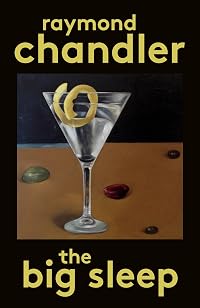
On This Page
Description
The iconic first novel from crime fiction master Raymond Chandler, featuring Philip Marlowe, the "quintessential urban private eye" (Los Angeles Times).A dying millionaire hires private eye Philip Marlowe to handle the blackmailer of one of his two troublesome daughters, and Marlowe finds himself involved with more than extortion. Kidnapping, pornography, seduction, and murder are just a few of the complications he gets caught up in.
Tags
Recommendations
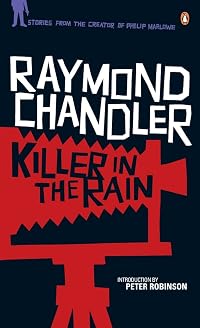
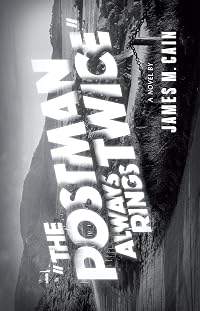
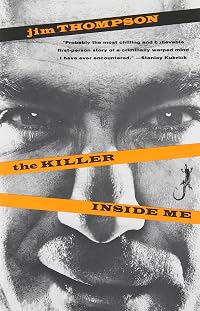


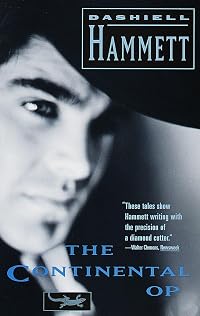






Member Recommendations
Member Reviews
I’d be lying if I said this was a perfect and cleverly plotted book, because it isn’t and the disjointed feel from being a “fixer up” from other stories is quite noticeable. But that isn’t why the book is such a great classic piece of American literature.
The descriptions of places, people and objects drip with colour and atmosphere. The dialogue - despite the raw colloquialisms - is snappy. And most of all, Marlowe himself is a character who remains consistently ahead of the game throughout. Far too often in writing, protagonists are written to act stupidly just to advance the plot, but Marlowe stays true with his laconic delivery and intelligent thinking. Take out the rampant sexism and homophobia and you have the template show more for a lead any budding writer can follow. The cast of other characters all have traits which are equally consistent, yet morally complex - making them all engaging from their first appearance.
Yes the story is a mess and not everything is neatly wrapped up; Chandler himself apparently didn’t care about that and since everything else is so wonderfully crafted, it’s hard not to just be pulled along and enjoy the rainswept ride. show less
The descriptions of places, people and objects drip with colour and atmosphere. The dialogue - despite the raw colloquialisms - is snappy. And most of all, Marlowe himself is a character who remains consistently ahead of the game throughout. Far too often in writing, protagonists are written to act stupidly just to advance the plot, but Marlowe stays true with his laconic delivery and intelligent thinking. Take out the rampant sexism and homophobia and you have the template show more for a lead any budding writer can follow. The cast of other characters all have traits which are equally consistent, yet morally complex - making them all engaging from their first appearance.
Yes the story is a mess and not everything is neatly wrapped up; Chandler himself apparently didn’t care about that and since everything else is so wonderfully crafted, it’s hard not to just be pulled along and enjoy the rainswept ride. show less
This book is tricky to review.
The plot is overly complicated, torturous and completely baffling. If you ever solve one of Chandler's mysteries I think you deserve a doctorate.
I don't like Philip Marlowe, who is, by all accounts, one of the most notorious private investigators - the kind everyone else copied after these books were published. I don't like Philip Marlowe because he's a racist, sexist, homophobic pig of a man who knows of all his faults and refuses to do anything to change them.
The one thing that made me feel ill and uncomfortable (and this is a trigger warning) about halfway through the book there's an incredibly homophobic scene where Marlowe beats a guy until he's unconscious, purely for being gay. So, be careful of show more that. You can skip that scene, if you like. Do whatever you need to do. Whether it's the character or the writer, or in-character or out of it, whether it has a context or not, whether there's a point to be made, I will never be okay with homophobia that brutal and raw in a book ever.
... and yet the writing, some of the lines in this book are some of the best I have ever read. Some of the lines in this book capture something so vivid and so real I feel it in my bones.
So is it worth suffering through Marlowe's complete and utter clusterfuck of a case to read those lines? I think so.
... But it will definitely be a while before I read another Chandler again. Maybe a long time. Maybe I'll go read some really feminist books first. show less
The plot is overly complicated, torturous and completely baffling. If you ever solve one of Chandler's mysteries I think you deserve a doctorate.
I don't like Philip Marlowe, who is, by all accounts, one of the most notorious private investigators - the kind everyone else copied after these books were published. I don't like Philip Marlowe because he's a racist, sexist, homophobic pig of a man who knows of all his faults and refuses to do anything to change them.
The one thing that made me feel ill and uncomfortable (and this is a trigger warning) about halfway through the book there's an incredibly homophobic scene where Marlowe beats a guy until he's unconscious, purely for being gay. So, be careful of show more that. You can skip that scene, if you like. Do whatever you need to do. Whether it's the character or the writer, or in-character or out of it, whether it has a context or not, whether there's a point to be made, I will never be okay with homophobia that brutal and raw in a book ever.
... and yet the writing, some of the lines in this book are some of the best I have ever read. Some of the lines in this book capture something so vivid and so real I feel it in my bones.
So is it worth suffering through Marlowe's complete and utter clusterfuck of a case to read those lines? I think so.
... But it will definitely be a while before I read another Chandler again. Maybe a long time. Maybe I'll go read some really feminist books first. show less
Trashy, but undeniably well-written. The character of Marlowe here is striking - he's miles ahead of the game, sharp as a razor, physically indomitable and honourable and honest to round it off. Whereas Bogart brings a weary kind of seediness to the character on screen, here it's the world which is sleazy and flawed more than our virtuoso, though he needs plenty of whisky to help him negotiate it. Chandler knows how to set and maintain the pace as well. Dull passages are rare, and the description has a poetry to it at times, though at others the language almost overflows. The ending is strong, and apt for a book that can count restraint among its qualities.
It’s a shame because there is some absolutely wonderful writing here. But the thoroughgoing distaste for women (as well as gay men) simply drips off the page, like the condensation on a cold glass of … whatever hard boiled detectives that hate women drink.
At the end, Marlowe’s put-upon self justification, his martyrdom, will sound very familiar in this age of white male martyrdom and self pity; in that respect, Marlowe is less of a relic of an era many of us had hoped was bygone, than a harbinger of what has come back and seems on course to flourish further. I hope, but do not expect, the day he and these attitudes are a relic again comes soon.
At the end, Marlowe’s put-upon self justification, his martyrdom, will sound very familiar in this age of white male martyrdom and self pity; in that respect, Marlowe is less of a relic of an era many of us had hoped was bygone, than a harbinger of what has come back and seems on course to flourish further. I hope, but do not expect, the day he and these attitudes are a relic again comes soon.
My interest in The Big Sleep spawned from my love of the Coen brothers’ loose adaptation of it, The Big Lebowski. I'm sure I'm not alone in using that as a frame of reference for picking up Chandler's work, and though I want to focus much of this review on The Big Sleep, I'd be remiss not to spend a little time collecting my thoughts on the comparison between the book and the film. I absolutely love their interpretation of Marlowe, turning the unflappable and dryly sarcastic ladies' man into an unwitting, unintentionally funny bum who is deluded into thinking he's still got it. Both Marlowe and the Dude are, underneath their exteriors, ethical people in some way, which helps our ability to empathize with them despite their show more eccentricities. I love the sense of humor consistent throughout the book; it's no wonder that the Coen brothers were drawn to it in the first place. Police are treated much the same as well: condescending, unhelpful, or both. Both Marlowe and the Dude find themselves caught amid a growing web of characters who all look to use them for their own undisclosed personal gain. That tension is really palpable, creating drama that drew me in from the opening scene to the conclusion.
The Big Sleep really shines in its evocation of 1930s back-alley Los Angeles. Dirty and damp sidewalks, smoke-filled parlors, the tense interior of a cramped car waiting for someone to appear, dingy apartment building hallways filled with mildew and refuse; the places that Marlowe prowls feel tangible. The spell that Chandler casts to make you feel as if you're really right there with Marlowe wears off easily, though. This is the type of book best read all at once, in no small part due to its confusing narrative and numerous plot holes. I lost track of these threads easily and found it a struggle to pick them back up again if I stopped reading for more than an hour.
Many people complain about the lack of resolution, that the narrative doesn't really amount to anything in the end. While I agree with that conclusion, it's that sense of hopelessness and ambiguity that I found myself enjoying, perfectly matched to the dreary setting and atmosphere. Chandler's Los Angeles is a city beset by murder, gambling, racketeering, and illicit sex. How could a 'satisfying' ending feel right in this context?
What I didn’t enjoy are the clearly dated sensibilities that litter the text: condescending, womanizing, and smarmy male figures; offhanded homophobia; casual misogyny. Certainly, it's a product of its time, and if that sort of stuff makes something unreadable for you, then this is a safe skip. For all of its sore points, though, The Big Sleep is really fast-paced, with something always happening to keep you off balance. Chandler writes assuming the reader is competent, smart enough to understand subtext. A nice amount of subtlety and unspoken actions, emotions, and tones made it fun and engaging to read.
Out of my limited experience with crime fiction, Chandler is definitely a step above the rest, though I'm still not convinced this stuff is exactly my cup of tea. show less
The Big Sleep really shines in its evocation of 1930s back-alley Los Angeles. Dirty and damp sidewalks, smoke-filled parlors, the tense interior of a cramped car waiting for someone to appear, dingy apartment building hallways filled with mildew and refuse; the places that Marlowe prowls feel tangible. The spell that Chandler casts to make you feel as if you're really right there with Marlowe wears off easily, though. This is the type of book best read all at once, in no small part due to its confusing narrative and numerous plot holes. I lost track of these threads easily and found it a struggle to pick them back up again if I stopped reading for more than an hour.
Many people complain about the lack of resolution, that the narrative doesn't really amount to anything in the end. While I agree with that conclusion, it's that sense of hopelessness and ambiguity that I found myself enjoying, perfectly matched to the dreary setting and atmosphere. Chandler's Los Angeles is a city beset by murder, gambling, racketeering, and illicit sex. How could a 'satisfying' ending feel right in this context?
What I didn’t enjoy are the clearly dated sensibilities that litter the text: condescending, womanizing, and smarmy male figures; offhanded homophobia; casual misogyny. Certainly, it's a product of its time, and if that sort of stuff makes something unreadable for you, then this is a safe skip. For all of its sore points, though, The Big Sleep is really fast-paced, with something always happening to keep you off balance. Chandler writes assuming the reader is competent, smart enough to understand subtext. A nice amount of subtlety and unspoken actions, emotions, and tones made it fun and engaging to read.
Out of my limited experience with crime fiction, Chandler is definitely a step above the rest, though I'm still not convinced this stuff is exactly my cup of tea. show less
Dames! Gangsters! Banter! Crime! We all know what to expect from a hard-boiled detective novel and this is one of the novels that set the rules for the genre. Author Raymond Chandler began his career writing short stories for pulp magazines and then moved on to writing books, all about his private eye, Phillip Marlowe. Marlowe is a loner with a love of banter, a misogynist with white knight syndrome, a guy who doesn't carry a gun but knows how to throw a punch (and take one). The story is a little muddy, with lots of different criminal groups with complicated relationships, but the point of this book isn't the plot, but how fun it is to watch Marlowe do his thing. There are a few striking pictures of life in Los Angeles during the show more Depression, with some people living in luxury, others scrambling to find a few bucks and others living in back staircases or alleyways.
It's fun to think of a book written as a pulp novel, not intended to be more than a fun, escapist read, has endured and become a classic. Of course, it's still a fun read. show less
It's fun to think of a book written as a pulp novel, not intended to be more than a fun, escapist read, has endured and become a classic. Of course, it's still a fun read. show less
I read a review that said this book is more informative than straight-up enjoyable and I have to agree. It's really strange reading THE book that inspired all things noir, remembering that these tropes weren't tropes at all because this was the first. The perspective is interesting, mostly because it's first person but it is so cold and objective. You never really know what Marlowe is thinking and can only judge him based on what he does. This is interesting and certainly makes the reader work a little harder to understand motives and leaps in the story/logic.
It was a little jarring reading a novel that was so openly homophobic and sexist too. Marlowe slaps a "dame" a few times to snap her out of whatever and made it seem like it was show more totally normal and necessary. There are a few references to "faggots" as well. Honestly, this is all a reflection of the time that it was written in. It's like reading a relic from the past, a time capsule if you will.
Marlowe isn't really that likable to be honest, but I think that's the point. I've read one of the Bosch novels and watch the show and it reminded me of Bosch in a lot of ways. It's cool to see the parallels and how this book inspired a genre that I love today, especially in movies and television shows.
Overall, a good read. Not my favorite and not super interesting, but the historical aspect alone is enough to add this to your reading list. show less
It was a little jarring reading a novel that was so openly homophobic and sexist too. Marlowe slaps a "dame" a few times to snap her out of whatever and made it seem like it was show more totally normal and necessary. There are a few references to "faggots" as well. Honestly, this is all a reflection of the time that it was written in. It's like reading a relic from the past, a time capsule if you will.
Marlowe isn't really that likable to be honest, but I think that's the point. I've read one of the Bosch novels and watch the show and it reminded me of Bosch in a lot of ways. It's cool to see the parallels and how this book inspired a genre that I love today, especially in movies and television shows.
Overall, a good read. Not my favorite and not super interesting, but the historical aspect alone is enough to add this to your reading list. show less
Members
- Recently Added By
Published Reviews
Lists

The Guardian's 1000 Novels Everyone Must Read
1,005 works; 550 members

1001 Books You Must Read Before You Die
1,448 works; 1,131 members

Noirvember: The Best Noir
113 works; 56 members

Best Crime Fiction
262 works; 39 members

Best Noir Fiction
160 works; 14 members

Read the book and saw the movie
1,170 works; 195 members
The Top 100 Crime Novels of All Time
100 works; 15 members

Golden Age of Detection
35 works; 10 members

Cerebral Mysteries
34 works; 23 members

The Telegraph's 110 Best Books: The Perfect Library
101 works; 18 members

Top Cops (Detectives in Fiction)
86 works; 24 members
Best Private Eye stories
28 works; 8 members

Le Monde - Les 100 livres du siècle
121 works; 25 members

Crime and Mysteries to Read
746 works; 31 members

Top 100 Mystery Novels of All Time
98 works; 9 members

In or About the 1930s
198 works; 27 members

Survey of Mysteries and Crime Fiction
96 works; 17 members
Books Set in California
112 works; 15 members
BBC's 100 Novels That Shaped Our World
100 works; 22 members

Survey of Classic Crime
39 works; 7 members
Murder Mysteries
57 works; 11 members

100 Best Thrillers of All Time
100 works; 6 members

The Guardian's 100 greatest novels of all time
100 works; 16 members

Dark Books for Winter Reading
71 works; 11 members
Page Turners
185 works; 11 members

Best Crime Fiction
48 works; 3 members

Haycraft Queen Cornerstones
181 works; 3 members
MysteryCAT 2014
19 works; 1 member
Novels from The Guardian's Great American Novelist Tournament
148 works; 24 members

Books About Murder
313 works; 7 members

Book-Themed Mysteries
21 works; 5 members

NPRs audience picks: 100 best beach reads
105 works; 12 members
Detective Stories
343 works; 5 members

Books mentioned in Julian Symons’ Bloody Murder
438 works; 6 members

New York Public Library's Books of the Century - All
170 works; 14 members

A Novel Cure
742 works; 23 members

Jim's Bookshelf
16 works; 1 member

Books With Our Favorite First Lines
168 works; 104 members

Mustich's 1000 Books to Read Before You Die: A Life Changing List
1,001 works; 19 members

Books Read in 2022
5,166 works; 114 members
Best Books With Sisters
130 works; 30 members

Florida
366 works; 3 members
DELETE
48 works; 2 members
Overdue Podcast
805 works; 9 members

Books Read in 2011
684 works; 20 members
The Worst Bestsellers Podcast
294 works; 5 members

1930s
262 works; 5 members
The Guardian's 100 Best Novels Written in English
105 works; 13 members
Books With the Most Memorable Titles
478 works; 158 members

One Book, Many Authors
441 works; 40 members
1,001 BYMRBYD Concensus
723 works; 27 members
Books I Read Before The Invention Of The Internet.
144 works; 1 member

The Five Books That Represent Us
390 works; 147 members

.
396 works; 1 member
Reading LIst
648 works; 1 member

.
194 works; 2 members

Book Worlds We'd Like To Visit
322 works; 158 members

DigitalDreamDoor top 300
300 works; 4 members
Books in Riverdale
123 works; 3 members

The Atlantic's The Great American Novel
136 works; 12 members

Tozai Mystery Best 100 | The Top 100 Mystery Novels
111 works; 3 members
Canon de la narrativa universal del s. XX (cicutadry)
499 works; 3 members

Books Read in 2020
4,379 works; 124 members

Books Read in 2024
4,623 works; 126 members
crime / thriller
7 works; 1 member

books that have been adapted for film or stage
27 works; 1 member
Best Mysteries With a Historical Setting
292 works; 160 members
SHOULD Read Books!
354 works; 9 members

Great American Novels
158 works; 42 members
Read These Too
458 works; 9 members

Read
293 works; 4 members
Best of American Literature
146 works; 9 members

Blue Pyramid 1,276 Best Books of All Time
1,248 works; 32 members
Five star books
1,755 works; 108 members
Newsweek's Top 100 Books: The Meta-List
100 works; 18 members
Fiction For Men
142 works; 11 members
American Lit for Eng 11 Research Project
368 works; 6 members
New York Public Library's Books of the Century
120 works; 20 members
LibraryThingers' 1001 Books You Must Read Before You Die
442 works; 29 members

Top Five Books of 2014
1,064 works; 398 members

Classics you know you should have read but probably haven't
421 works; 408 members
Canon de la narrativa universal del siglo XX
254 works; 6 members
Books Set in Los Angeles
40 works; 8 members

Urban Fiction
74 works; 7 members
Time's All-Time 100 Novels
100 works; 27 members

Top Five Books of 2015
811 works; 241 members

Books Read By artturnerjr - 2016
30 works; 1 member

posh people behave badly
23 works; 6 members
Jordan B. Peterson's Recommended Books
104 works; 5 members
Favourite Books
1,817 works; 316 members
My TBR
371 works; 3 members
The Top Ten: Writers Pick Their Favorite Books
240 works; 31 members
Protagonists - Men
32 works; 2 members
Folio Society
831 works; 48 members
Time Magazine's "All-Time 100"
113 works; 15 members

Top Five Books of 2017
757 works; 231 members
20th Century Literature
1,161 works; 54 members

Books Read in 2017
4,249 works; 129 members

Books Read in 2014
2,343 works; 89 members
Read
28 works; 1 member

Watched the Movie, Probably Won't Read the Book
185 works; 34 members
First Novels
373 works; 17 members

Unread books
1,063 works; 87 members
Top Five Books of 2016
795 works; 229 members
501 Must-Read Books
529 works; 72 members
Author Information

278+ Works 47,969 Members
Raymond Chandler was born in Chicago, Illinois on July 23, 1888. Before becoming a professional writer in 1933, he worked as a reporter, an accountant, bookkeeper, and auditor. He wrote several novels featuring private detective Philip Marlowe including The Big Sleep, The High Window, The Lady in the Lake, The Little Sister, and The Long Goodbye. show more In addition to novels and short stories, he wrote screenplays. He won two academy awards, for Double Indemnity (1944) and The Blue Dahlia (1946). He died on March 26, 1959. (Bowker Author Biography) show less
Some Editions
Awards and Honors
Awards
Notable Lists
The Great American Novels (1939)
Series

Belongs to Publisher Series
Arion Press (19)
detebe (70/I)
El País. Serie negra (46)
SaPo (74)
Vintage Books (v-136)
Zephyr Books (148)
Penguin Books (652)
Colecção Vampiro (213)
Den svarte serie (175)
Work Relationships
Is contained in
Raymond Chandler: Stories and Early Novels: Pulp Stories / The Big Sleep / Farewell, My Lovely / The High Window (Library of America) by Raymond Chandler
The big sleep/Farewell my lovely/The high window/The lady in the lake/The long goodbye/Playback by Raymond Chandler
The Big Sleep / Farewell, My Lovely / The High Window / The Lady in the Lake / The Little Sister / The Long Goodbye / Playback by Raymond Chandler
The Raymond Chandler Omnibus: The Big Sleep / Farewell, My Lovely / The High Window / The Lady in the Lake by Raymond Chandler
Five Novels: Finger Man; The big sleep; Farewell my loveley; High window; The lady in the lake by Raymond Chandler
Murder & Mayhem: The Postman Always Rings Twice, Double Indemnity, Mildred Pierce, and Selected Stories; The Big Sleep; Farewell, My Lovely; The High Window; The Human Factor; (Everyman's Library) by James M. Cain
"Vechnyi son". "Prokrutka". "Nepriiatnosti - moe remeslo". "Chelovek, kotoryi liubil sobak". "Krovavyi veter". "Ispanskaia krov' ". "Prostoe iskusstvo ubiistva" by Chandler Reimond
Great Mystery Books, 10 Volumes (Journey into Fear, The 39 Steps, And Then There Were None, Maltese Falcon, The Nine Tailors, The Doorbell Rang, The Confidential Agent, The Big Sleep, Assignment in Brittany, The Daughter of Time) by Various
Club del misterio. Volumen I: Prólogo de J. J. BORGES. "El cuento policial, IX" . Dashiell HAMMETT: "Cosecha roja". Arthur CONAN DOYLE: "Las aventuras de Shrlock Holmes". Hellery QUEEN: "Cara a cara". Raymond CHANDLER: "El sueño eterno". Patricia IHGSMITH: Erle STANLEY GARDNER: "El cuchillo". "El caso del juguete mortífero". James HADLEY CHASE: "Impulso creador". "El secuestro de Miss Blandish". Nicholas BLAKE: "La bestia debe morir". Volumen 2: Prólogo de R. CHANDLER: " El simpl by AA.VV. (indirect)
Has the (non-series) sequel
Has the adaptation
Is parodied in
Inspired
Has as a reference guide/companion
Has as a student's study guide
Common Knowledge
- Canonical title
- The Big Sleep
- Original title
- The Big Sleep
- Alternate titles*
- Der tiefe Schlaf; Tote schlafen fest
- Original publication date
- 1939
- People/Characters
- Philip Marlowe; Vivian Sternwood; Carmen Sternwood; Guy de Brisay Sternwood; Vincent Norris; Arthur Gwynn Geiger (show all 19); Eddie Mars; Owen Taylor; Joseph Brody; Carol Lundgren; Agnes Lozelle; Harry Jones; Terrance Regan; Taggart Wilde; Bernie Ohls; Captain Cronjager; Captain Gregory; Mona Mars; Lash Canino
- Important places
- Los Angeles, California, USA; Hall of Justice, Los Angeles, California, USA; Hollywood, Los Angeles, California, USA; City Hall, Los Angeles, California, USA
- Related movies
- The Big Sleep (1946 | IMDb); The Big Sleep (1950 | IMDb); The Big Sleep (1978 | IMDb)
- First words
- It was about eleven o'clock in the morning, mid October, with the sun not shining and a look of hard wet rain in the clearness of the foothills.
- Quotations
- Such a lot of guns around town, and so few brains.
Whoever had done it had meant business. Dead men are heavier than broken hearts.
It had the austere simplicity of fiction rather than the tangled woof of fact.
What did it matter where you lay once you were dead? In a dirty sump or in a marble tower on top of a high hill? You were dead, you were sleeping the big sleep, you were not bothered by things like that. Oil and water were th... (show all)e same as wind and air to you. You just slept the big sleep, not caring about the nastiness of how you died or where you fell. - Last words
- (Click to show. Warning: May contain spoilers.)All they did was make me think of Silver-Wig, and I never saw her again.
- Publisher's editor*
- Black Lizard Edition; First Vintage Crime; Vintage Books; Random House
- Blurbers
- Parker, Robert B.
- Original language
- English
*Some information comes from Common Knowledge in other languages. Click "Edit" for more information.
Classifications
Statistics
- Members
- 11,510
- Popularity
- 774
- Reviews
- 314
- Rating
- (3.96)
- Languages
- 25 — Bulgarian, Catalan, Chinese, Czech, Danish, Dutch, English, Finnish, French, German, Hungarian, Italian, Japanese, Korean, Latvian, Lithuanian, Norwegian (Bokmål), Norwegian, Polish, Portuguese, Romanian, Serbian, Spanish, Swedish, Turkish
- Media
- Paper, Audiobook, Ebook
- ISBNs
- 204
- UPCs
- 2
- ASINs
- 103