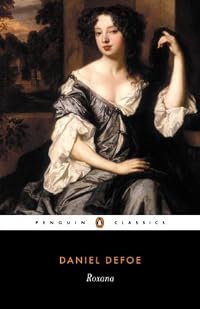
Roxana: The Fortunate Mistress
by Daniel Defoe
On This Page
Description
British writer Daniel Defoe is credited with being one of the first writers to dabble in longer-form fiction, eventually leading to the development of the novel format. His final work, published anonymously, follows the life of a remarkable woman who flouts the social strictures of the eighteenth century and takes up with a series of men in order to ensure the survival of her family—but always on her own terms and in a manner consistent with her own unique code of ethics..
Tags
Recommendations




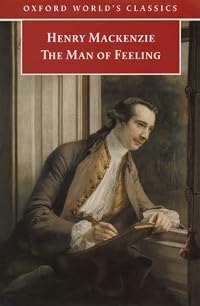
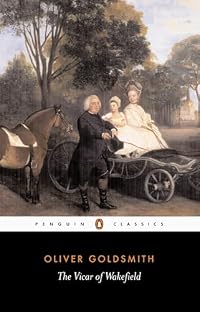


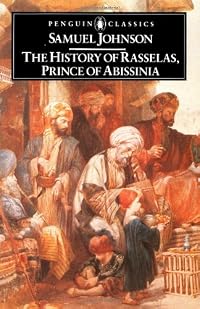

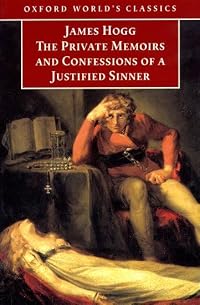




Member Recommendations
Sarahursula Basically an undapted Roxana - but with better costumes and interior decoration and a good dose of Gone With the Wind and much much longer. And not forgetting Bruce!
Member Reviews
Defoe ugye a Robinsonban megírta a protestáns munkamorál himnuszát, a csodát, ahogy a keresztény fehér ember a semmibe kivetve is képes a két kezével újrateremteni a civilizációt. Hajlamos vagyok azt gondolni, hogy ez a kötet ennek női párdarabja. Mert amikor hősnőnket öt gyerekkel a nyakán otthagyja férje, az társadalmi értelemben ugyanolyan lakatlan sziget volt a XVIII. századi Angliában, ugyanolyan reménytelen sors, amiből szinte lehetetlen kikászálódni. Elbeszélőnk azonban vérbeli üzleti talentumként reagál a helyzetre, és áruba bocsátja az egyetlen dolgot, ami maradt neki: a testét. És láss csodát, sikert sikerre halmoz ezen a piacon. Nehéz nem észrevenni, hogy Defoe tulajdonképpen show more csodálja saját elbeszélője ezirányú tehetségét, oldalakon keresztül képes kéjelegve sorolni mindazt az anyagi hasznot, amit hölgyünk kiharcol magának - ennyi meg ennyi font, ennyi meg ennyi aranypistol, kamatra kihelyezett összegek, hogy az ékszerről meg az ezüstneműről ne is beszéljünk. Az ember meg csak ámul és bámul, mert ha ez a piaci szegmens ilyen haszonnal kecsegtet, akkor szinte kedvünk támad ott szerencsét próbálni.
Na de itt jön az ambivalencia. Mert ugye Defoe hívő keresztényként azt is tudja, hogy a házasságon kívüli szex (pláne ha a nő műveli) egyben halálos bűn is, nota bene ha egy kurvát teszünk meg főszereplőnknek, akkor azt is éreztetnünk kell az olvasóval, hogy a bűn végső soron mindig elnyeri büntetését. Így hát a szerző szerét ejti, hogy szereplője időnként lamentáljon egyet-kettőt bűnei nagyságán, és gondoskodik arról, hogy Roxána ne élvezhesse ki azok gyümölcsét - magyarán miután elér sikerei csúcsára, letaszajtja őt a mélybe*. Ebből pedig a legbutább olvasó is megértheti, hogy hiába utal minden az ellenkezőjére, a prostitúció rossz, ééértem?
Ugye jó háromszáz éves szövegről beszélünk, szóval mai szemmel nézve nem igazán tűnik regénynek. Sokkal inkább erkölcsi példabeszéd a műfaja, annak viszont enyhén erőltetett. Nem lehet persze eleget méltatni Defoe-t, amiért felhívja a figyelmet a női kiszolgáltatottságra, de bevallom, ezt a sok indokolatlan moralizálást, a vontatott konfliktusleírásokat és kommentárokat én már nehezen tudtam tolerálni. Rendkívül érdekes szöveg a maga nemében, de képtelen voltam nem unatkozni rajta.
* Az 1724-es első kiadásban ezt az egész bukás-dolgot Defoe lerendezte egyetlen záróbekezdésben. Aztán érezte, hogy ez nem lesz jó így, úgyhogy a következő kiadásban kifejtette bővebben - de ezzel sem tudott meggyőzni. show less
Na de itt jön az ambivalencia. Mert ugye Defoe hívő keresztényként azt is tudja, hogy a házasságon kívüli szex (pláne ha a nő műveli) egyben halálos bűn is, nota bene ha egy kurvát teszünk meg főszereplőnknek, akkor azt is éreztetnünk kell az olvasóval, hogy a bűn végső soron mindig elnyeri büntetését. Így hát a szerző szerét ejti, hogy szereplője időnként lamentáljon egyet-kettőt bűnei nagyságán, és gondoskodik arról, hogy Roxána ne élvezhesse ki azok gyümölcsét - magyarán miután elér sikerei csúcsára, letaszajtja őt a mélybe*. Ebből pedig a legbutább olvasó is megértheti, hogy hiába utal minden az ellenkezőjére, a prostitúció rossz, ééértem?
Ugye jó háromszáz éves szövegről beszélünk, szóval mai szemmel nézve nem igazán tűnik regénynek. Sokkal inkább erkölcsi példabeszéd a műfaja, annak viszont enyhén erőltetett. Nem lehet persze eleget méltatni Defoe-t, amiért felhívja a figyelmet a női kiszolgáltatottságra, de bevallom, ezt a sok indokolatlan moralizálást, a vontatott konfliktusleírásokat és kommentárokat én már nehezen tudtam tolerálni. Rendkívül érdekes szöveg a maga nemében, de képtelen voltam nem unatkozni rajta.
* Az 1724-es első kiadásban ezt az egész bukás-dolgot Defoe lerendezte egyetlen záróbekezdésben. Aztán érezte, hogy ez nem lesz jó így, úgyhogy a következő kiadásban kifejtette bővebben - de ezzel sem tudott meggyőzni. show less
In many ways this is like Moll Flanders and is typical of the 18th Century in the decadence of the aristocracy and the rise of the middle class based on trade and individual effort. Roxanna is the name the heroine takes to perform in her Turkish outfit which only occurs once in the story, but the reputation lingers. We never discover her true name, although the suggestion is that it is Susan, as this is the name of one of her five children.
Like Moll Flanders she acquires her wealth though men, but unlike Moll she does not marry all of them, preferring to maintain her independence as a mistress. After suffering poverty, you can understand her need for security and control of her own wealth. This has its own problems trying to preserve show more her reputation and ensure the resulting children are taken care of, children that one day will return to make life difficult for her.
Her liaisons include a jeweller, a banker and there is a suggestion that she was mistress to the king of France. She therefore travels not only in England, but France and the Netherlands. It is also interesting to see the different religions represented, at one point she is accused of theft by a Jew, and she represents herself as a Quaker after being befriended by one of their members, before returning to her old ways.
Amy her maid is an interesting character as she not only aids her mistress in her endeavours, in the end she suffers for it. The reader can not help thinking Amy is used very badly by her mistress, being drawn into her seedy world, without any of the real benefits.
Most people will find 18th century novels too long and drawn out with insufficient pace for a modern audience, but they did reflect the changing times in what was a tumultuous century. show less
Like Moll Flanders she acquires her wealth though men, but unlike Moll she does not marry all of them, preferring to maintain her independence as a mistress. After suffering poverty, you can understand her need for security and control of her own wealth. This has its own problems trying to preserve show more her reputation and ensure the resulting children are taken care of, children that one day will return to make life difficult for her.
Her liaisons include a jeweller, a banker and there is a suggestion that she was mistress to the king of France. She therefore travels not only in England, but France and the Netherlands. It is also interesting to see the different religions represented, at one point she is accused of theft by a Jew, and she represents herself as a Quaker after being befriended by one of their members, before returning to her old ways.
Amy her maid is an interesting character as she not only aids her mistress in her endeavours, in the end she suffers for it. The reader can not help thinking Amy is used very badly by her mistress, being drawn into her seedy world, without any of the real benefits.
Most people will find 18th century novels too long and drawn out with insufficient pace for a modern audience, but they did reflect the changing times in what was a tumultuous century. show less
This was not a wholly enjoyable read. It had passages that were really well constructed, but the overall was not effective. Roxana narrates her history and it starts out as she marries a brewer who is handsome but not much else. They have 5 children and fall on hard times. Some of that is their own fault, some of it is misfortune, but it ends up as the same thing. They are so hard pressed that the husband does a bunk. Roxana knows not whether he has left or died and so struggles on with the children and her servant, Amy. Then their landlord comes on the scene and starts to take advantage of Roxana, offering her money and lodging is she sleeps with him. And so beings Roxana's search of wealth at the expense of her virtue and standing. show more She is thoroughly mercenary, when her landlord (who turns out to be a Jeweler) is murdered in Paris, she simply keeps all his possessions, and tells the executors that the jewels they seek must have been stolen in the murder.
From there she progresses to a prince close to the court of Paris, but who is not French. She bears him a son and then he ceases to have her as his mistress after the death of his virtuous wife. She seeks to take all her wealth to England, and so engages a merchant to help her. He turns out to be unusually honest, helping her take her wealth abroad and then offering to marry her. She, like a fool, turns him down.
Arriving in England, Roxana sets her cap at being the mistress of the King. She does find a high ranking man to be her mistress, but it doesn't seem to be the King. By some prudent investing and a sound financial advisor, she makes her fortune increase. A lucky chance sees her meet the merchant again, and this time they do marry and she comes into his (bought) titles.
Only now things being to go awry. She finds out her children from her first marriage, and one of the girls turns out to be a servant in her own household. So, by trying to keep the truth from her, Roxana gets into all sorts of lies and muddles. She is afraid of being found out and so will go to almost any lengths to prevent that form happening. Amy is of the same mind and so thing unravel somewhat in England.
At the book's end there is some tale of things not being at their most fortunate and I found it hard to have any sympathy. Roxana appears to be rather cold hearted. You hear nothing of some of the children she has, they simple vanish off to someone to care for them. She came into considerable wealth but didn't try and find them due to some scruples about their knowing she was a whore. Only the protest doesn't ring true. She seems too self centered to be really caring and doesn't take the opportunity to find them when she has amassed a moderate sum, but goes to some lengths that they do no know her when she has a large fortune.
I was left wondering how it would all turn out, and hoping that Roxana did, indeed, get her comeuppance. Not a rounded character, she's not very sympathetic or very human. Not, I hope, one of Defoe's best and not one I will return to. show less
From there she progresses to a prince close to the court of Paris, but who is not French. She bears him a son and then he ceases to have her as his mistress after the death of his virtuous wife. She seeks to take all her wealth to England, and so engages a merchant to help her. He turns out to be unusually honest, helping her take her wealth abroad and then offering to marry her. She, like a fool, turns him down.
Arriving in England, Roxana sets her cap at being the mistress of the King. She does find a high ranking man to be her mistress, but it doesn't seem to be the King. By some prudent investing and a sound financial advisor, she makes her fortune increase. A lucky chance sees her meet the merchant again, and this time they do marry and she comes into his (bought) titles.
Only now things being to go awry. She finds out her children from her first marriage, and one of the girls turns out to be a servant in her own household. So, by trying to keep the truth from her, Roxana gets into all sorts of lies and muddles. She is afraid of being found out and so will go to almost any lengths to prevent that form happening. Amy is of the same mind and so thing unravel somewhat in England.
At the book's end there is some tale of things not being at their most fortunate and I found it hard to have any sympathy. Roxana appears to be rather cold hearted. You hear nothing of some of the children she has, they simple vanish off to someone to care for them. She came into considerable wealth but didn't try and find them due to some scruples about their knowing she was a whore. Only the protest doesn't ring true. She seems too self centered to be really caring and doesn't take the opportunity to find them when she has amassed a moderate sum, but goes to some lengths that they do no know her when she has a large fortune.
I was left wondering how it would all turn out, and hoping that Roxana did, indeed, get her comeuppance. Not a rounded character, she's not very sympathetic or very human. Not, I hope, one of Defoe's best and not one I will return to. show less
The 18th century "1,001 books..." march through whoredom continues with another whore whoring her way around the Whorenited Kingdom. Who finds this claptrap, pun intended, entertaining? Certainly I don't. Defoe is still a deft storytelling hand, but I'm done with the whores who are also part-time accountants tallying every penny that their whoredom earns them. The only thing that sets this one apart is that as she descends further and further into her self-made happily-ever-during-but-collapse-at-the-end life is that throughout, she is constantly contemplative of her actions. Big deal. She's still a decrepit moral morass, and Mr. Boxall, I can't read any more like this. How is this a contribution to literature?
Now, if you’ve read Moll Flanders, you’ll be forgiven if you think you’ve read this somewhere before. You have. Kind of.
Just as Moll gets left with no other social option than to pass her body around as many men as possible to survive, so does Roxana. But there are two differences which make this a different novel, better in some ways, but not as important to the genre.
One is that Roxana falls far farther than Moll who always had one foot in the gutter. This fact endeared me to Moll. Roxana I didn’t really care for to be honest. Moll seems more a victim of circumstance. Roxana a victim of her own scheming as much as circumstance.
Secondly, there’s a pretty good twist near the end which, I have to admit, I didn’t see coming show more although I thought there was something strange going on. It’s nice to have that in a novel of this pedigree because what else I’ve read from that era isn’t known for suspense, or at least not in modern terms it isn’t.
I’ve rated this highest for its legacy. It would have scored higher but for the fact that Defoe had already made his mark with Moll. This is an important book though, of that there is no doubt. It portrays a woman as someone who can fight her way out of penury using her own guile which, while I don’t agree with the moral liberties she takes, I do get the social risk it was to portray a woman with so much autonomy. This was feminism long before the word was coined. It must have been very liberating for women of that era to read, scandalous even.
Now it seems normal but, as long as we understand the historical context it was written in, something we don’t often take the time to discover (thanks Wikipedia!), we can gain a lot from reading these kinds of works. They’re at least a lot more sanitary to read than more modern feminist writings like Fear of Flying! show less
Just as Moll gets left with no other social option than to pass her body around as many men as possible to survive, so does Roxana. But there are two differences which make this a different novel, better in some ways, but not as important to the genre.
One is that Roxana falls far farther than Moll who always had one foot in the gutter. This fact endeared me to Moll. Roxana I didn’t really care for to be honest. Moll seems more a victim of circumstance. Roxana a victim of her own scheming as much as circumstance.
Secondly, there’s a pretty good twist near the end which, I have to admit, I didn’t see coming show more although I thought there was something strange going on. It’s nice to have that in a novel of this pedigree because what else I’ve read from that era isn’t known for suspense, or at least not in modern terms it isn’t.
I’ve rated this highest for its legacy. It would have scored higher but for the fact that Defoe had already made his mark with Moll. This is an important book though, of that there is no doubt. It portrays a woman as someone who can fight her way out of penury using her own guile which, while I don’t agree with the moral liberties she takes, I do get the social risk it was to portray a woman with so much autonomy. This was feminism long before the word was coined. It must have been very liberating for women of that era to read, scandalous even.
Now it seems normal but, as long as we understand the historical context it was written in, something we don’t often take the time to discover (thanks Wikipedia!), we can gain a lot from reading these kinds of works. They’re at least a lot more sanitary to read than more modern feminist writings like Fear of Flying! show less
This is from the same author who wrote Moll Flanders. I did not like that book, and... I did not like this one either. As a history buff, i love reading old novels, as they give you a good peek into what life was like back in the old days, from people who actually lived during these times.
I think part of the problem is that a guy wrote this and Moll Flanders. Now, I do not believe that gender or any other thing beyond a person's control means they can't write about a group they're not in. I mean, as a young woman, I've written from the perspective of a old man (and a veteran, no less) after careful consideration and research. I feel that with enough imagination and research, an author can get into the mind of a character that is very show more different from themselves.
Of course, the author did not have Google, and the spheres of males and females in most if not all parts of the world were very separate at that time, so I can't fault the author for being ignorant of 'girl stuff', but god damn, I found this book tedious and skimmed through much of it. show less
I think part of the problem is that a guy wrote this and Moll Flanders. Now, I do not believe that gender or any other thing beyond a person's control means they can't write about a group they're not in. I mean, as a young woman, I've written from the perspective of a old man (and a veteran, no less) after careful consideration and research. I feel that with enough imagination and research, an author can get into the mind of a character that is very show more different from themselves.
Of course, the author did not have Google, and the spheres of males and females in most if not all parts of the world were very separate at that time, so I can't fault the author for being ignorant of 'girl stuff', but god damn, I found this book tedious and skimmed through much of it. show less
As with Moll Flanders, Dafoe’s point of view is the first-person singular. Once again, a man (Defoe) tells the story through the eyes and heart of a woman (Susan — if the single mention of that name on p. 233 is our cue). And the name ‘Roxana’? Shouted out in praise of Susan’s appearance — then dance, in full Turkish regalia — at a party of courtly notables (on p. 200).
The name stuck — and would haunt Defoe’s heroine for the rest of her natural life.
While not so much an object of poverty and pity as Moll Flanders, Susan — alias Roxana (“the Fortunate Mistress”) is still an object. As she herself puts it: “Thus far I am a standing mark of the weakness of great men in their vice, that value not squandering away show more immense wealth upon the most worthless creatures; or, to sum it up in a word, they raise the value of the object which they pretend to pitch upon by their fancy — I say, raise the value of it at their own expense, give vast presents for a ruinous favor which is so far from being equal to the price, that nothing will at least prove more absurd than the cost men are at to purchase their own destruction” (pp. 82 – 83).
Much further on in her story, we find this additional rumination: “…the question remained still unanswered, why am I a whore now? Nor indeed had I anything to say for myself, even to myself. I could not without blushing, as wicked as I was, answer that I loved it for the sake of the vice, and that I delighted in being a whore as such — I say I could not say this even to myself, and all alone, nor indeed would it have been true. I was never able in justice and with truth to say I was so wicked as that, but as necessity first debauched me and poverty made me a whore at the beginning, so excess of avarice for getting money and excess of vanity continued me in the crime, not being able to resist the flatteries of great persons… These were my baits, these the chains by which the devil held me bound, and by which I was indeed too fast held for any reasoning that I was then mistress of to deliver me from” (p. 230).
And finally, we have this self-critical observation (on p. 341): “Another reflection was, how just it is that sin and shame follow one another so constantly at the heels, that they are not like attendants only, but like cause and consequence, necessarily connected one with another; that the crime going before, the scandal is certain to follow and that ‘tis not in the power of human nature to conceal the first or avoid the last.”
“Sin and shame” are indeed the subject-matter of Roxana, The Fortunate Mistress. And while deciphering Defoe’s prose (which I have accurately transcribed above) is not nearly the challenge it was in Moll Flanders, that same prose is nevertheless of another era — and no picnic for the reader.
The principal difference, as I see it, between Susan/Roxana and Moll: that Moll is the victim of her undoing; Susan/Roxana, the agent. Both women act so as to improve their unhappy conditions. But Susan/Roxana would appear to be more conscious of the consequences of her actions, while Moll simply rebounds from one catastrophe to another.
And what do they have in common at the end? Doom.
RRB
10/30/13
Brooklyn, NY show less
The name stuck — and would haunt Defoe’s heroine for the rest of her natural life.
While not so much an object of poverty and pity as Moll Flanders, Susan — alias Roxana (“the Fortunate Mistress”) is still an object. As she herself puts it: “Thus far I am a standing mark of the weakness of great men in their vice, that value not squandering away show more immense wealth upon the most worthless creatures; or, to sum it up in a word, they raise the value of the object which they pretend to pitch upon by their fancy — I say, raise the value of it at their own expense, give vast presents for a ruinous favor which is so far from being equal to the price, that nothing will at least prove more absurd than the cost men are at to purchase their own destruction” (pp. 82 – 83).
Much further on in her story, we find this additional rumination: “…the question remained still unanswered, why am I a whore now? Nor indeed had I anything to say for myself, even to myself. I could not without blushing, as wicked as I was, answer that I loved it for the sake of the vice, and that I delighted in being a whore as such — I say I could not say this even to myself, and all alone, nor indeed would it have been true. I was never able in justice and with truth to say I was so wicked as that, but as necessity first debauched me and poverty made me a whore at the beginning, so excess of avarice for getting money and excess of vanity continued me in the crime, not being able to resist the flatteries of great persons… These were my baits, these the chains by which the devil held me bound, and by which I was indeed too fast held for any reasoning that I was then mistress of to deliver me from” (p. 230).
And finally, we have this self-critical observation (on p. 341): “Another reflection was, how just it is that sin and shame follow one another so constantly at the heels, that they are not like attendants only, but like cause and consequence, necessarily connected one with another; that the crime going before, the scandal is certain to follow and that ‘tis not in the power of human nature to conceal the first or avoid the last.”
“Sin and shame” are indeed the subject-matter of Roxana, The Fortunate Mistress. And while deciphering Defoe’s prose (which I have accurately transcribed above) is not nearly the challenge it was in Moll Flanders, that same prose is nevertheless of another era — and no picnic for the reader.
The principal difference, as I see it, between Susan/Roxana and Moll: that Moll is the victim of her undoing; Susan/Roxana, the agent. Both women act so as to improve their unhappy conditions. But Susan/Roxana would appear to be more conscious of the consequences of her actions, while Moll simply rebounds from one catastrophe to another.
And what do they have in common at the end? Doom.
RRB
10/30/13
Brooklyn, NY show less
Members
- Recently Added By
Lists

1001 Books You Must Read Before You Die
1,448 works; 1,131 members

The Guardian's 1000 Novels Everyone Must Read
1,005 works; 549 members

Folio Society
831 works; 48 members

Western World's Greatest Books - Project Gutenberg
295 works; 15 members

A Novel Cure
742 works; 23 members
Author Information

713+ Works 53,560 Members
Daniel Defoe was born Daniel Foe in London, England on September 13, 1660. He changed his surname in 1703, adding the more genteel "De" before his own name to suggest a higher social standing. He was a novelist, journalist, and political agent. His writings covered a wide range of topics. His novels include Robinson Crusoe, Moll Flanders, Roxana, show more Captain Singleton, and Colonel Jack. He wrote A Tour Thro' the Whole Island of Great Britain, which is an important source of English economic life, and ghost stories including A True Relation of the Apparition of One Mrs. Veal. He also wrote satirical poems and pamphlets and edited a newspaper. He was imprisoned and pilloried for his controversial work, The Shortest Way with the Dissenters, which suggested that all non-Conformist ministers be hanged. He died on April 24, 1731. (Bowker Author Biography) show less
Some Editions
Awards and Honors
Series
Belongs to Publisher Series
Work Relationships
Common Knowledge
- Canonical title
- Roxana: The Fortunate Mistress
- Original title
- The Fortunate Mistress: Or, A History of the Life and Vast Variety of Fortunes of Mademoiselle de Beleau, Afterwards Called the Countess de Wintselsheim, in Germany, Being the Person known by the Name of the Lady Roxana, in the Time of King Charles II
- Original publication date
- 1724
- People/Characters
- Roxana; Amy
- Important places
- London, England, UK
- First words
- I was born, as my Friends told me, at the city of Poictiers, in the Province, or County of Poictou, in France, from whence I was brought to England by my Parents, who fled for their Religion about the year 1683, when the Prot... (show all)estants were Banish'd from France by the Cruelty of their Persecutors.
- Last words
- (Click to show. Warning: May contain spoilers.)Here, after some few Years of flourishing, and outwardly happy Circumstances, I fell into a dreadfull Course of Calamities, and Amy also; the very Reverse of our former Good Days; the Blast of Heaven seemed to follow the Injury done the poor Girl, by us both; and I was brought so low again, that my Repentance seem'd to be only the Consequence of my Misery, as my Misery was of my Crime.
- Original language*
- Englisch
- Canonical DDC/MDS
- 823.5
- Canonical LCC
- PR3404
*Some information comes from Common Knowledge in other languages. Click "Edit" for more information.
Classifications
Statistics
- Members
- 1,388
- Popularity
- 16,986
- Reviews
- 24
- Rating
- (3.34)
- Languages
- 10 — Dutch, English, Finnish, French, German, Hungarian, Italian, Russian, Spanish, Portuguese (Portugal)
- Media
- Paper, Audiobook, Ebook
- ISBNs
- 76
- ASINs
- 56