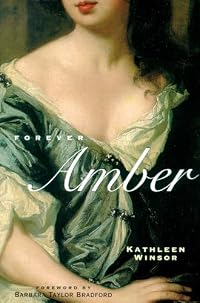
Forever Amber
by Kathleen Winsor
On This Page
Description
Abandoned pregnant and penniless on the teeming streets of London, 16-year-old Amber St. Clare manages, by using her wits, beauty, and courage, to climb to the highest position a woman could achieve in Restoration England-- that of favorite mistress of the Merry Monarch, Charles II. From whores and highwaymen to courtiers and noblemen, from events such as the Great Plague and the Fire of London to the intimate passions of ordinary-- and extraordinary-- men and women, Amber experiences it show more all. But throughout her trials and escapades, she remains, in her heart, true to the one man she really loves, the one man she can never have. Frequently compared to "Gone with the Wind, Forever Amber" is the other great historical romance, outselling every other American novel of the 1940s-- despite being banned in Boston for its sheer sexiness. A book to read and reread, this edition brings back to print an unforgettable romance and a timeless masterpiece. show lessTags
Recommendations
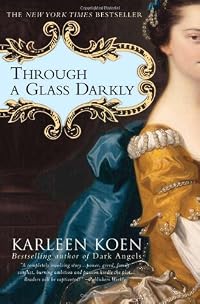
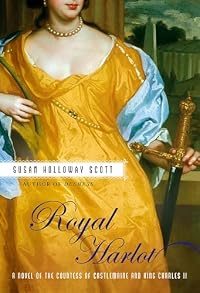
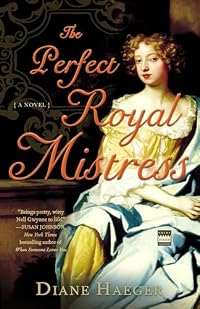






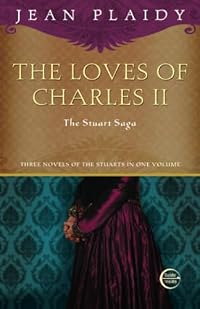
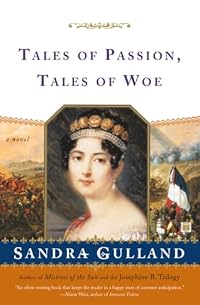
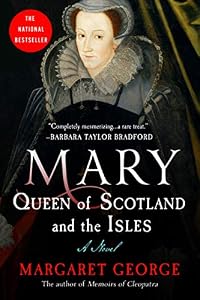
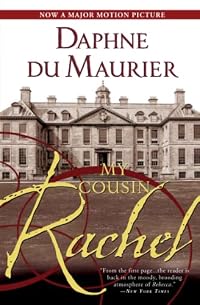
Member Recommendations
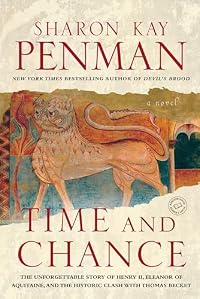
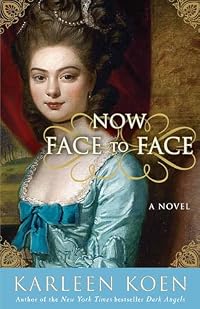
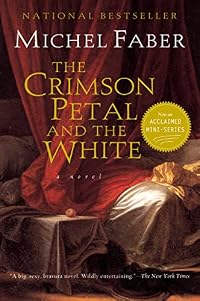
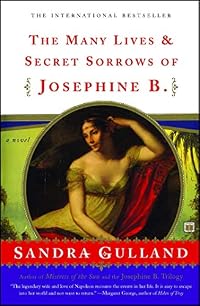
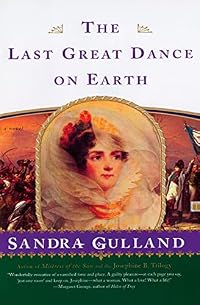
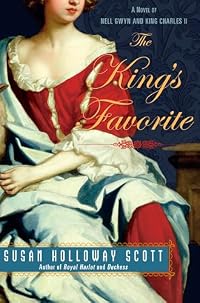
jordantaylor Both books are the tales of unscrupulous women doing whatever they can to succeed.
40
avalon_today They are both scandalous women. I feel a love hate relationship for both shelf-centered women.
20
Cecrow Ambition gets in the way of happiness.
Member Reviews
It was the evening following a wake for a family friend and the immediate family (including those of us deemed honorary family) was gathered about the kitchen table, talking and watching the number bottles of wine begin to outnumber us. Not normally a crowd to show deference to any one person when it comes to directing the conversation, it seemed like the widow was enjoying this unusual honor and for whatever reason, she led us to Forever Amber. She was explaining just how scandalous this book was when she and her girlfriends read it in their youth; they shared a dog-eared copy and circulated between them to read again and again. The wicked sparkle in her eye told us more than enough (though despite our protests, she went on), and show more within a week after returning home, I found a stack of Forever Ambers at the Strand -- so I sent one off to all the women who had been part of our conversation as a memento of quite an evening. But once the gifts were sent off, I didn't actually pick up my own copy for quite some time. (It is a little shy of 1000 pages, after all, and even with a book that isn't in hardcover, that's a bit unwieldy for subway reading.) I shelved it, amused by the script on the spine and wondered where it would attract little notice from friends. It was only recently, wishing I had a trashy novel handy with which to spend an afternoon, that I plucked Forever Amber from its tucked away corner on the shelf and found myself with a romance novel that might have been written in the 40s, but had all the feel of a contemporary historical romance epic. Clearly, here was the grandmother (grand madam?) of a literary tradition...
Forever Amber was published in 1944. The published version was Kathleen Windsor's fifth draft of the novel... and those 972 pages represent only ONE FIFTH of the original manuscript. Fourteen states banned the novel, classifying it as pornographic, but sex wasn't the only issue. From the Independent's obit on Kathleen Winsor: "The Attorney-General of Massachusetts, in explaining his reasons for banning the book, said that he had counted 70 references to sexual intercourse, 39 illegitimate pregnancies, seven abortions, 10 descriptions of women undressing in front of men and 49 'miscellaneous objectionable passages'." Of course, this only helped it become a best-seller. In its first week, 100,000 copies were sold, and went on to sell over three million copies.
The novel tells the story of Amber St. Clair, a sexual adventuress who makes her way up the ranks of 17th century English society by using her wits and her... ahem... other endowments. She sleeps with and marries men who can offer increasing amounts of wealth or better titles, ultimately reaching great heights in society, though with a rather sullied reputation. Early in the novel, she has her fortune told and is appalled when it suggests she will have many husbands and several children, for she only loves one man -- Lord Carlton. Lord Carlton is "responsible" for taking her away from her small country town to London (I have to use quotes because really, Amber's the one who's really responsible for it and she begs Lord Carlton to take her), and it is Lord Carlton that Amber loves and loses again and again throughout the novel. He swears from the beginning that he'll never marry her, but this doesn't stop Amber from clinging to her hope that one day, they will be together.
Now, you might suspect that with such a racy novel, perhaps we'll be dealing with a story where our heroine goes on a journey and learns something in life. Well, you'd be wrong. The title is rather indicative of what to expect... because Amber never changes from being a selfish creature who is willing to do anything to get what she wants, but she's unwilling to accept certain facts and realities. From country girl to actress to duchess, Amber is forever Amber.
Throughout this novel, I kept thinking about Gone with the Wind (that "other" historical romance of the late 30s/40s) and, unsurprisingly, it is frequently compared to that novel for many reasons, such as the presence of multiple husbands that are almost entirely being used (as opposed to being married for love or such nonsense) to get back at another man (who she never marries), and an ending that leaves you with a vague "wtf?" feeling. (Though I have a somewhat higher opinion of Scarlett than I do of Amber.) It's not that I feel cheated, necessarily, it's just that the ending made me question whether or not I was supposed to be judging Amber, for such a fate suggests that she's getting her comeuppance. I had never before felt like the book was passing judgment on her, so I felt rather thrown.
Even so, from the first chapter, you can definitely see the origin of every historical romance novel in the pages of Forever Amber. It's easy to see why it caused such a fuss at the time, and, once you set all the scandalous stuff aside, it's an interesting account of various historical events (the plague, the Great Fire of London, etc.). Of course, why would you want to set the scandalous stuff aside? show less
Forever Amber was published in 1944. The published version was Kathleen Windsor's fifth draft of the novel... and those 972 pages represent only ONE FIFTH of the original manuscript. Fourteen states banned the novel, classifying it as pornographic, but sex wasn't the only issue. From the Independent's obit on Kathleen Winsor: "The Attorney-General of Massachusetts, in explaining his reasons for banning the book, said that he had counted 70 references to sexual intercourse, 39 illegitimate pregnancies, seven abortions, 10 descriptions of women undressing in front of men and 49 'miscellaneous objectionable passages'." Of course, this only helped it become a best-seller. In its first week, 100,000 copies were sold, and went on to sell over three million copies.
The novel tells the story of Amber St. Clair, a sexual adventuress who makes her way up the ranks of 17th century English society by using her wits and her... ahem... other endowments. She sleeps with and marries men who can offer increasing amounts of wealth or better titles, ultimately reaching great heights in society, though with a rather sullied reputation. Early in the novel, she has her fortune told and is appalled when it suggests she will have many husbands and several children, for she only loves one man -- Lord Carlton. Lord Carlton is "responsible" for taking her away from her small country town to London (I have to use quotes because really, Amber's the one who's really responsible for it and she begs Lord Carlton to take her), and it is Lord Carlton that Amber loves and loses again and again throughout the novel. He swears from the beginning that he'll never marry her, but this doesn't stop Amber from clinging to her hope that one day, they will be together.
Now, you might suspect that with such a racy novel, perhaps we'll be dealing with a story where our heroine goes on a journey and learns something in life. Well, you'd be wrong. The title is rather indicative of what to expect... because Amber never changes from being a selfish creature who is willing to do anything to get what she wants, but she's unwilling to accept certain facts and realities. From country girl to actress to duchess, Amber is forever Amber.
Throughout this novel, I kept thinking about Gone with the Wind (that "other" historical romance of the late 30s/40s) and, unsurprisingly, it is frequently compared to that novel for many reasons, such as the presence of multiple husbands that are almost entirely being used (as opposed to being married for love or such nonsense) to get back at another man (who she never marries), and an ending that leaves you with a vague "wtf?" feeling. (Though I have a somewhat higher opinion of Scarlett than I do of Amber.) It's not that I feel cheated, necessarily, it's just that the ending made me question whether or not I was supposed to be judging Amber, for such a fate suggests that she's getting her comeuppance. I had never before felt like the book was passing judgment on her, so I felt rather thrown.
Even so, from the first chapter, you can definitely see the origin of every historical romance novel in the pages of Forever Amber. It's easy to see why it caused such a fuss at the time, and, once you set all the scandalous stuff aside, it's an interesting account of various historical events (the plague, the Great Fire of London, etc.). Of course, why would you want to set the scandalous stuff aside? show less
Forever Amber feels like a case of “don’t judge a book by its cover”… or by its Goodreads rating. Clocking in at 4 stars, this historical fiction about a woman making her way up in the a man’s world seemed like it might be up my alley… Unfortunately, I was mistaken. The protagonist, Amber St. Clare, is an unlikable character with few qualities to recommend her: narcissistic, capricious, and manipulative. She is a Restoration-era Scarlett O’Hara, minus the personal growth. Amber’s naked ambitions and careless actions lead to the deaths of at least five people and the misery of many others. The worst thing about Amber though is that she’s simply not interesting. Having an unlikable protagonist can work if they have some show more worthy quality to counterbalance their unlikability, whether it be intelligence, charisma, etc. Gillian Flynn, for example, writes fantastic female villains with agency:
“I’ve grown quite weary of the spunky heroines, brave rape victims, soul-searching fashionistas that stock so many books. I particularly mourn the lack of female villains — good, potent female villains. Not ill-tempered women who scheme about landing good men and better shoes (as if we had nothing more interesting to war over), not chilly WASP mothers (emotionally distant isn’t necessarily evil), not soapy vixens (merely bitchy doesn’t qualify either).”
Amber, on the other hand, comes across as the grossly incompetent colleague who somehow managed to fail her way up. Her only redeeming attributes are her looks. While beauty will get you far in the real world, it doesn’t work so well in literature. Even Amber’s resourcefulness is related to her reliance on the men around her. In the last quarter of the book, Amber does something remotely redeemable but too little, too late. Getting through the tomb of a novel (nearly 1000 pages in the Chicago Review Press edition) was a slog, and the one thing that kept me reading was the hope for Amber to either get some character growth or her comeuppance (à la “Frankly my dear, I don’t give a damn”). Suffice to say, Forever Amber was not my cup of tea. Your mileage may vary. show less
“I’ve grown quite weary of the spunky heroines, brave rape victims, soul-searching fashionistas that stock so many books. I particularly mourn the lack of female villains — good, potent female villains. Not ill-tempered women who scheme about landing good men and better shoes (as if we had nothing more interesting to war over), not chilly WASP mothers (emotionally distant isn’t necessarily evil), not soapy vixens (merely bitchy doesn’t qualify either).”
Amber, on the other hand, comes across as the grossly incompetent colleague who somehow managed to fail her way up. Her only redeeming attributes are her looks. While beauty will get you far in the real world, it doesn’t work so well in literature. Even Amber’s resourcefulness is related to her reliance on the men around her. In the last quarter of the book, Amber does something remotely redeemable but too little, too late. Getting through the tomb of a novel (nearly 1000 pages in the Chicago Review Press edition) was a slog, and the one thing that kept me reading was the hope for Amber to either get some character growth or her comeuppance (à la “Frankly my dear, I don’t give a damn”). Suffice to say, Forever Amber was not my cup of tea. Your mileage may vary. show less
A fun bit of fluff. I shouldn't have liked it because it's very long and the main character is unlikable. But it moves along very well. All kinds of things happen to her. It reads more like a series than a giant novel. I didn't feel like the author was trying to force me to like Amber. It was like the author was telling me the gossip about her slutty sister. There is a fantastic sense of time and place. Things foreshadowed don't always happen and because she's not nice you wonder what will happen rather than knowing that she will live happily ever after.
I am always interested in how my adult self reacts differently to books than my adolescent self did. I first read this book when I was about twelve years old and I am surprised none of the adults around me prohibited it. Probably because of my own innocence, I failed to see how very jaded this character actually was. For me then, there was this marvelous love she had for this man who was always just out of reach (I would mistakenly have said through no fault of her own).
What I took away from it this time was quite different. Amber is not a lovely or likable person, and Bruce Carlton is much more callous, but for much better reason, than I had thought. There is much to be said for he never lies to her. But, like her, he is willing to show more take whatever he wants and damn the consequences.
Toward the end of the novel, there is a passage which says, “But it was not enough, now she had it, to make her happy.” This, I think is the true theme of this novel. Amber is never happy with anything she gets, no prestige, no material wealth, no amount of admiration, nothing is enough for her. I suspect Bruce Carlton would not be enough for her either, but the fact that she cannot have him makes him seem like the ultimate prize. She does not understand him at all, while I think he has her nailed. He knows she is not evil, but he also knows she is amoral and insatiable.
I’ve done some things I hated, but that’s over now and I’m where I want to be. I’m somebody, Almsbury! If I’d stayed in Marygreen and married some lout of a farmer and bred his brats and cooked his food and spun his linen--what would I be?
Therein lies Amber’s problem. She sees nothing of what makes a person great or even good. She has no respect for any achievement that doesn’t show itself in the form of gold and property, and she does not know what happiness is. Her greatest misfortune is the one she knows nothing of: she was born to an aristocrat. Parents who would have married and raised her in exactly the world she desires never got that opportunity because of the civil war and the rise of Cromwell. She believes herself to be common and to have risen above her beginnings. Little does she know, she has in fact sunk far below her station, even when she is the whore of the King.
Finally, this is a very interesting peek into the court of Charles II, the great fire, the plague, the troubles of the restoration, the constant wars with France and the Dutch, and the rise of English imperialism. It is a period for which I have little frame of reference, so I enjoyed the historical aspects of the novel.
It is a long read, but it has a fast pace and Amber holds your interest navigating between her husbands and her lover. The most interesting character for me is still Bruce Carlton. He is cut from a different cloth than many of the men of his time, and he is the seed that produced America. I also love the character of Almsbury, who might appear to be minor, but reflects a balance that the other characters lack: he is kind, steady and capable of actually loving Amber, had he ever been given a chance. show less
What I took away from it this time was quite different. Amber is not a lovely or likable person, and Bruce Carlton is much more callous, but for much better reason, than I had thought. There is much to be said for he never lies to her. But, like her, he is willing to show more take whatever he wants and damn the consequences.
Toward the end of the novel, there is a passage which says, “But it was not enough, now she had it, to make her happy.” This, I think is the true theme of this novel. Amber is never happy with anything she gets, no prestige, no material wealth, no amount of admiration, nothing is enough for her. I suspect Bruce Carlton would not be enough for her either, but the fact that she cannot have him makes him seem like the ultimate prize. She does not understand him at all, while I think he has her nailed. He knows she is not evil, but he also knows she is amoral and insatiable.
I’ve done some things I hated, but that’s over now and I’m where I want to be. I’m somebody, Almsbury! If I’d stayed in Marygreen and married some lout of a farmer and bred his brats and cooked his food and spun his linen--what would I be?
Therein lies Amber’s problem. She sees nothing of what makes a person great or even good. She has no respect for any achievement that doesn’t show itself in the form of gold and property, and she does not know what happiness is. Her greatest misfortune is the one she knows nothing of: she was born to an aristocrat. Parents who would have married and raised her in exactly the world she desires never got that opportunity because of the civil war and the rise of Cromwell. She believes herself to be common and to have risen above her beginnings. Little does she know, she has in fact sunk far below her station, even when she is the whore of the King.
Finally, this is a very interesting peek into the court of Charles II, the great fire, the plague, the troubles of the restoration, the constant wars with France and the Dutch, and the rise of English imperialism. It is a period for which I have little frame of reference, so I enjoyed the historical aspects of the novel.
It is a long read, but it has a fast pace and Amber holds your interest navigating between her husbands and her lover. The most interesting character for me is still Bruce Carlton. He is cut from a different cloth than many of the men of his time, and he is the seed that produced America. I also love the character of Almsbury, who might appear to be minor, but reflects a balance that the other characters lack: he is kind, steady and capable of actually loving Amber, had he ever been given a chance. show less
I thought this would be a real page turner but boy was I wrong.
Amber....I did not like her at all. From the get go, all she cares about is Bruce and getting away from her small town. Basically, she takes what she wants and doesn't hear anything that doesn't matter to her (basically about herself, money, Bruce and power/influence). Sure, she goes through some tough times (thrown in jail, got swindled, abandoned, etc) but she always comes out on top, more fierce and stronger than ever.
Her character and personality is just so annoying an grating. She is so damn selfish, wants Bruce no matter who she is with, doesn't care about anyone other than herself, is so clingy, doesn't learn from past mistakes (seriously Bruce already said he's not show more marrying you!), somehow schemes her way into titles and various beds and so totally stuck up. Honestly, she should have either stayed at home in the country or died in the plague.
Bruce. Well he certainly isn't Prince Charming, the way he leads Amber and countless women on throughout the years. What a womaniser. He comes and goes from Amber's life over and over again. Never promising her anything, yet always returning to her bedside. At least he was a little redeemed in the end by treating his wife with some respect. Honestly, I wish he kept out of Amber's life after the incident with Rex Morgan, you would have thought he would have learned that Amber is nothing but a troublemaker who lives to stir up mischief and can never be satisfied with what she has.
I get the feeling that Bruce and Amber are at times portraying a parallel of the lives that Charles II and Catherine of Castlemaine lead. But at least Charles is likeable and charming! And Castlemaine...well....she has at least doesn't seem as despicable as Amber, but I don't doubt her tactics and methods are pretty effective at getting what she wants as Charles' mistress for so many years.
The ending...well I like how Amber is in for a treat, I felt that it was like "meh". Like after all the things she did in the last 10 years, this is how it's going to end?! I would have liked to have her humiliated more and maybe a dramatic fall from grace would serve to satisfy my immense dislike of her.
The parts that talk about the time period felt so isolated and disjointed from Amber's story. Like one moment we are reading about another of her schemes or "entertainment", the next we are reading about the great fire or about Charles' other mistresses. It felt like the plot was forcibly tied in with actual historical events and moments, like sticking a square into a circle.
Some of the redeeming points was the description of the outfits, the appearances of interesting/important historical figures, what life was like for all kinds of people (those in jail, actresses, nobles, etc) and the intrigues of court life.
I would have loved to know what happened to Amber's father and more about her mysterious husband #3. It would have been interesting if husband #1 suddenly showed up, while Amber was on the rise, and made trouble. Now that would have been entertaining.
Overall, I really wanted Amber to have her comeuppance, cause karma doesn't seem to apply to her and she has all the luck in the world to get away with...well basically a lot! From bribes, cuckolding her husbands, numerous affairs, endless spending, etc. And this is several hundred pages too long for me to develop any sense of connection with this spoiled brat. show less
Amber....I did not like her at all. From the get go, all she cares about is Bruce and getting away from her small town. Basically, she takes what she wants and doesn't hear anything that doesn't matter to her (basically about herself, money, Bruce and power/influence). Sure, she goes through some tough times (thrown in jail, got swindled, abandoned, etc) but she always comes out on top, more fierce and stronger than ever.
Her character and personality is just so annoying an grating. She is so damn selfish, wants Bruce no matter who she is with, doesn't care about anyone other than herself, is so clingy, doesn't learn from past mistakes (seriously Bruce already said he's not show more marrying you!), somehow schemes her way into titles and various beds and so totally stuck up. Honestly, she should have either stayed at home in the country or died in the plague.
Bruce. Well he certainly isn't Prince Charming, the way he leads Amber and countless women on throughout the years. What a womaniser. He comes and goes from Amber's life over and over again. Never promising her anything, yet always returning to her bedside. At least he was a little redeemed in the end by treating his wife with some respect. Honestly, I wish he kept out of Amber's life after the incident with Rex Morgan, you would have thought he would have learned that Amber is nothing but a troublemaker who lives to stir up mischief and can never be satisfied with what she has.
I get the feeling that Bruce and Amber are at times portraying a parallel of the lives that Charles II and Catherine of Castlemaine lead. But at least Charles is likeable and charming! And Castlemaine...well....she has at least doesn't seem as despicable as Amber, but I don't doubt her tactics and methods are pretty effective at getting what she wants as Charles' mistress for so many years.
The ending...well I like how Amber is in for a treat, I felt that it was like "meh". Like after all the things she did in the last 10 years, this is how it's going to end?! I would have liked to have her humiliated more and maybe a dramatic fall from grace would serve to satisfy my immense dislike of her.
The parts that talk about the time period felt so isolated and disjointed from Amber's story. Like one moment we are reading about another of her schemes or "entertainment", the next we are reading about the great fire or about Charles' other mistresses. It felt like the plot was forcibly tied in with actual historical events and moments, like sticking a square into a circle.
Some of the redeeming points was the description of the outfits, the appearances of interesting/important historical figures, what life was like for all kinds of people (those in jail, actresses, nobles, etc) and the intrigues of court life.
I would have loved to know what happened to Amber's father and more about her mysterious husband #3. It would have been interesting if husband #1 suddenly showed up, while Amber was on the rise, and made trouble. Now that would have been entertaining.
Overall, I really wanted Amber to have her comeuppance, cause karma doesn't seem to apply to her and she has all the luck in the world to get away with...well basically a lot! From bribes, cuckolding her husbands, numerous affairs, endless spending, etc. And this is several hundred pages too long for me to develop any sense of connection with this spoiled brat. show less
Historical fiction can be tricky. Modern readers tend to project their own values and actions onto historical figures, making it difficult to know where to draw the line between fact and fiction. Some of the most outlandish behavior, while historically accurate, is so far from being socially acceptable today that modern readers automatically believe authors have taken liberties with history and have spiced up the narrative for the modern palate when this is far from the truth. Forever Amber is an excellent example of such historical fiction.
Forever Amber is not for the prudish. While not explicit or tawdry, the Restoration was not an era in which it was okay to be squeamish about sex. Monogamy was passe, and the Court reveled in the show more freedom. No one uses this to her advantage so much as our not-so-hapless heroine, who uses the loose morals of the era to her distinct benefit and enjoys almost every moment. It can make for uncomfortable reading at times, especially when one truly does believe in monogamous marriages, let alone relationships. Still, it is as revealing to a reader's own mindset as it is enlightening to a bygone era.
The synopsis specifically calls out a comparison to Gone With the Wind. This needs to be addressed. There are more than a few similarities, to the point where I had to confirm that Gone With the Wind was indeed written several years before Forever Amber. If I were less forgiving, I might be so inclined to say that Ms. Winsor borrowed heavily from Ms. Mitchell's masterpiece. Amber is just as ruthless, just as driven as Scarlett, and just as misguided in her affections towards members of the opposite sex. She uses her beauty to get what she most desires, and it does not matter how many men she has to marry to get there. Sound familiar? The grandiose scenery, the Court drama and intrigue, the lush dresses - they have a very antebellum feel, and as Amber rises in power and prestige, it is eerily reminiscent to Scarlett's own improved monetary status.
That being said, there are some excellent qualities to the book. The historical details are exquisite in their accuracy. Ms. Winsor's eye for detail is used to full advantage in describing not only the clothes and furnishings but also the sights, sounds, and scents of Restoration London and the surrounding countryside. She does not gloss over the unpleasant minutiae either, adding an air of realism to the entire novel. The major historical events, such as the Black Plague and later, the Great Fire, are utterly fascinating. The reader cannot but help feeling a part of the backdrop during these scenes. Yet, it was so easy to see Scarlett as Amber that the entire novel just left a decidedly bitter aftertaste. A book can be similar and borrow from other successful novels without being so blatant about it. Forever Amber was just too similar and too blatant in the elements it borrowed.
The similarities to Gone With the Wind, which is one of my all-time favorite novels, were too great to ignore, and as such, I struggled to enjoy Forever Amber as much as I feel I should have. For those who have not read Gone With the Wind multiple times, or are not bothered by extremely similar plots and characters, then Forever Amber is definitely one that should be added to the must-read list. More importantly, Ms. Winsor's ability to craft a captivating novel must be acknowledged. In spite of the problems I had with it, Forever Amber remains interesting for its entirety; at over 950 pages, this is quite a feat. In addition, one's understanding of the Restoration and Charles II will improve tenfold thanks to the careful and painstakingly detailed research Ms. Winsor undertook before writing the novel. In all, there is much to enjoy. It hasn't survived this long if readers didn't fall in love with Amber. Unfortunately, I just could not get over the feeling that I was reading the Restoration version of Gone With the Wind.
Acknowledgements: Thank you to Julie from Girls Just Reading for sending me her copy to guarantee that I will complete the What's In a Name Challenge! show less
Forever Amber is not for the prudish. While not explicit or tawdry, the Restoration was not an era in which it was okay to be squeamish about sex. Monogamy was passe, and the Court reveled in the show more freedom. No one uses this to her advantage so much as our not-so-hapless heroine, who uses the loose morals of the era to her distinct benefit and enjoys almost every moment. It can make for uncomfortable reading at times, especially when one truly does believe in monogamous marriages, let alone relationships. Still, it is as revealing to a reader's own mindset as it is enlightening to a bygone era.
The synopsis specifically calls out a comparison to Gone With the Wind. This needs to be addressed. There are more than a few similarities, to the point where I had to confirm that Gone With the Wind was indeed written several years before Forever Amber. If I were less forgiving, I might be so inclined to say that Ms. Winsor borrowed heavily from Ms. Mitchell's masterpiece. Amber is just as ruthless, just as driven as Scarlett, and just as misguided in her affections towards members of the opposite sex. She uses her beauty to get what she most desires, and it does not matter how many men she has to marry to get there. Sound familiar? The grandiose scenery, the Court drama and intrigue, the lush dresses - they have a very antebellum feel, and as Amber rises in power and prestige, it is eerily reminiscent to Scarlett's own improved monetary status.
That being said, there are some excellent qualities to the book. The historical details are exquisite in their accuracy. Ms. Winsor's eye for detail is used to full advantage in describing not only the clothes and furnishings but also the sights, sounds, and scents of Restoration London and the surrounding countryside. She does not gloss over the unpleasant minutiae either, adding an air of realism to the entire novel. The major historical events, such as the Black Plague and later, the Great Fire, are utterly fascinating. The reader cannot but help feeling a part of the backdrop during these scenes. Yet, it was so easy to see Scarlett as Amber that the entire novel just left a decidedly bitter aftertaste. A book can be similar and borrow from other successful novels without being so blatant about it. Forever Amber was just too similar and too blatant in the elements it borrowed.
The similarities to Gone With the Wind, which is one of my all-time favorite novels, were too great to ignore, and as such, I struggled to enjoy Forever Amber as much as I feel I should have. For those who have not read Gone With the Wind multiple times, or are not bothered by extremely similar plots and characters, then Forever Amber is definitely one that should be added to the must-read list. More importantly, Ms. Winsor's ability to craft a captivating novel must be acknowledged. In spite of the problems I had with it, Forever Amber remains interesting for its entirety; at over 950 pages, this is quite a feat. In addition, one's understanding of the Restoration and Charles II will improve tenfold thanks to the careful and painstakingly detailed research Ms. Winsor undertook before writing the novel. In all, there is much to enjoy. It hasn't survived this long if readers didn't fall in love with Amber. Unfortunately, I just could not get over the feeling that I was reading the Restoration version of Gone With the Wind.
Acknowledgements: Thank you to Julie from Girls Just Reading for sending me her copy to guarantee that I will complete the What's In a Name Challenge! show less
Awesome. I had so much fun reading this. The language is excellent. I particularly liked the many colorful ways in which the characters insult each other. If only "catchfart" and "fopdoodle" were still in common usage! I love Amber's strong instinct of self-preservation, her casual attitude toward sex, her cleverness. I don't know a whole lot about this period in history, but I'd like to learn more after reading Forever Amber.
Members
- Recently Added By
Published Reviews
ThingScore 75
If, like me, you nursed a secret teenage passion for novels by Jean Plaidy, books in which men in britches seduced girls in corsets on horsehair mattresses, then here is some good news. This week, Penguin republishes Forever Amber, a big, fat tombstone of a bestseller that has been out of print for 30 years.
added by Nevov
Lists

Best Historical Fiction
620 works; 261 members

Historical Fiction
889 works; 89 members

Publisher's Weekly Bestsellers - Part II - 1940 - 1979
355 works; 5 members

A Novel Cure
742 works; 23 members

My E-Book Collection - Opinions Welcome
92 works; 10 members
Read These Too
458 works; 9 members

Allie's Wishlist
217 works; 2 members

Set in the 1600s
15 works; 4 members

A Rainbow of Books: Colors in the Title
570 works; 24 members
Author Information

14+ Works 2,215 Members
Some Editions
Awards and Honors
Distinctions
Series
Belongs to Publisher Series
Work Relationships
Common Knowledge
- Canonical title
- Forever Amber
- Original title
- Forever Amber
- Original publication date
- 1944
- People/Characters
- Charles II, King of England, Scotland, and Ireland; Amber St. Clare; Barbara Palmer, duchess of Cleveland; Bruce Carlton
- Important places
- London, England, UK; Marygreen Village, England, UK; Newgate Prison, London, England, UK; Whitehall Palace, London, England, UK
- Important events
- Great Fire of London; plagues (Great Plague of London, 1665)
- Related movies
- Forever Amber (1947 | IMDb)
- Epigraph
- But good God! What an age is this, and what a world is this! that a man cannot live without playing the knave and dissimulation.
--Samuel Pepys - Dedication
- To Lieutenant Robert John Herwig, U.S.M.C.R.
- First words
- The small room was warm and moist.
- Last words
- (Click to show. Warning: May contain spoilers.)Still laughing, she leaned out, and waved at the closed empty windows.
Classifications
- Genres
- Fiction and Literature, General Fiction, Romance, Historical Fiction
- DDC/MDS
- 813.52 — Literature & rhetoric American literature in English American fiction in English 1900-1999 1900-1945
- LCC
- PS3545 .I7575 .F6 — Language and Literature American literature American literature Individual authors 1900-1960
- BISAC
Statistics
- Members
- 1,923
- Popularity
- 11,033
- Reviews
- 62
- Rating
- (3.78)
- Languages
- 13 — Czech, Dutch, English, Finnish, French, German, Hungarian, Italian, Norwegian (Bokmål), Norwegian, Russian, Spanish, Swedish
- Media
- Paper, Audiobook, Ebook
- ISBNs
- 62
- UPCs
- 2
- ASINs
- 46