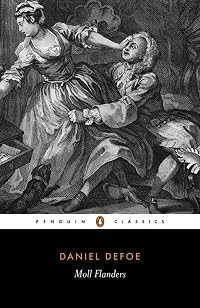
Moll Flanders
by Daniel Defoe
On This Page
Description
Daniel Defoe wrote Moll Flanders in 1722, after the highly successful Robinson Crusoe. Defoe's political work was ceasing at the time, though his experience with the Whigs shines through in the novel. The full title of the novel gives a brief overview of its contents:The Fortunes and Misfortunes of the Famous Moll Flanders, Etc. Who Was Born In Newgate, and During a Life of Continu'd Variety For Threescore Years, Besides Her Childhood, Was Twelve Year a Whore, Five Times a Wife [Whereof show more Once To Her Own Brother], Twelve Year a Thief, Eight Year a Transported Felon In Virginia, At Last Grew Rich, Liv'd Honest, and Died a Penitent. Written from her own Memorandums.
. show less
Tags
Recommendations


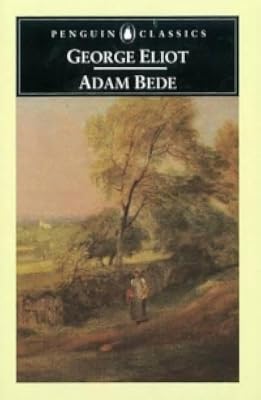
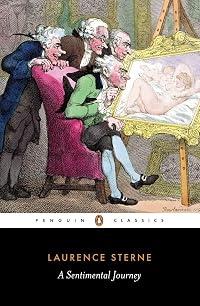


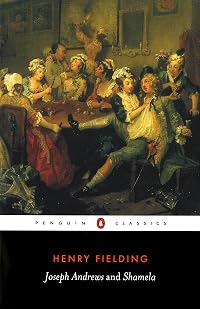
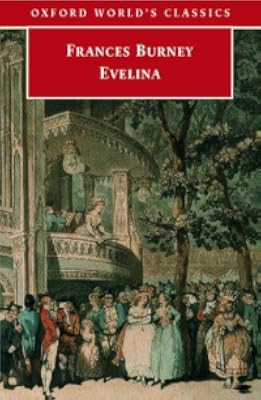
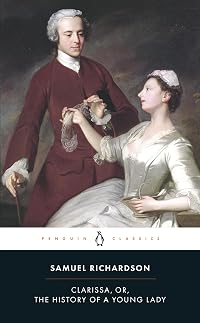
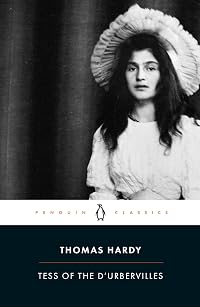
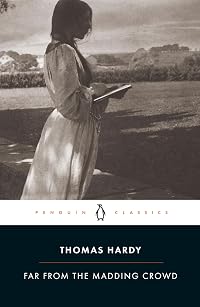
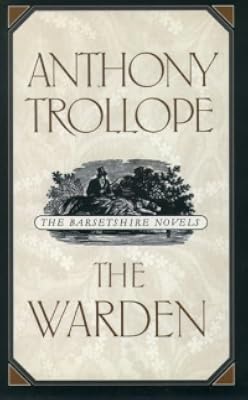

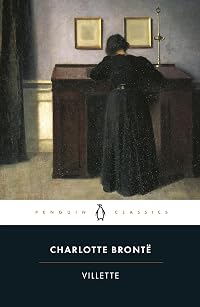
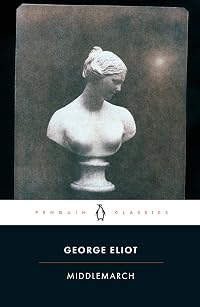
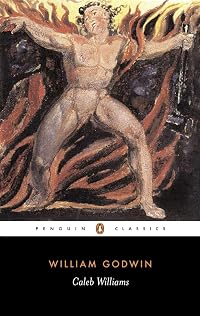
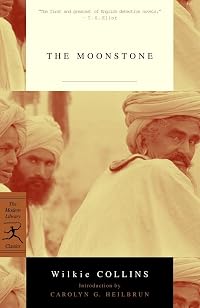
Member Recommendations
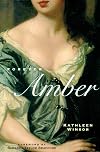
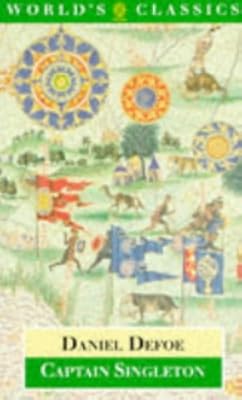
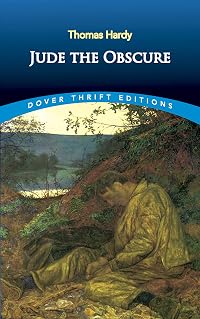
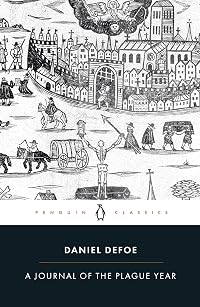
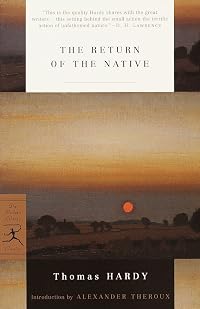
jordantaylor Both books are the tales of unscrupulous women doing whatever they can to succeed.
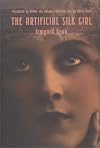
EerierIdyllMeme Frank explorations of sex and its connections with society and economics.
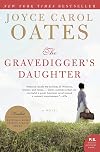
EerierIdyllMeme Similar themes in very different societies.
Member Reviews
I loved Moll Flanders, the character and the book. They are bawdy, but in that eighteenth century way, that lays everything between the sheets between the lines, and lets you use your own imagination, if you will. Defoe makes this sometimes tragic tale a kind of frolic. There is humor, and you cannot help rooting for the woman who is breaking the law, engaging in indiscriminate sex and sexual manipulations, and robbing people blind, while protesting how sorry she is she had to do it. I confess to not feeling the least sorry for anyone Moll might have harmed, except her children, who were so briefly dealt with that we forget them almost as cavalierly as Moll does.
I suppose Moll is a hardened criminal. She might have had an honest life show more several times during the course of the novel and she failed to secure it. She gets more opportunities than most women in her situation would have gotten, but she seems destined to find herself in a boiling pot time and again. Marriage being one of the few ways a woman might improve her status, Moll never fails to take advantage of a marriage vow. However, even if you only consider her marriage debacles, which I will not discuss here as that would be a major spoiler, you have to admit fate is very unkind. So, she is a criminal, but she is also a survivor, and it is the survivor in her that wins out for me.
She is a precursor for every strong woman who refuses to accept her fate and makes the most of her talents to survive the unsurvivable. She is Amber St. Clare, Scarlett O’Hara, and Dickens’ Nancy, with a different outcome. She’s a roll in the hay, but with purpose. I totally enjoyed her story. show less
I suppose Moll is a hardened criminal. She might have had an honest life show more several times during the course of the novel and she failed to secure it. She gets more opportunities than most women in her situation would have gotten, but she seems destined to find herself in a boiling pot time and again. Marriage being one of the few ways a woman might improve her status, Moll never fails to take advantage of a marriage vow. However, even if you only consider her marriage debacles, which I will not discuss here as that would be a major spoiler, you have to admit fate is very unkind. So, she is a criminal, but she is also a survivor, and it is the survivor in her that wins out for me.
She is a precursor for every strong woman who refuses to accept her fate and makes the most of her talents to survive the unsurvivable. She is Amber St. Clare, Scarlett O’Hara, and Dickens’ Nancy, with a different outcome. She’s a roll in the hay, but with purpose. I totally enjoyed her story. show less
I am sometimes afraid that we will have nothing to say to each other at our reader discussion groups. Hah! We talked for over an hour and a half about this picaresque classic. How much was to be considered 'true', considering that it was supposedly a memoir of a repentant woman? How could she say so little about her children? Did she exploit her sexuality or just make the best of the society? She confessed to liking the thrill of theft even after she no longer needed more money, trimmed her stories to her circumstances and her audience, barely mentioned the hardships of crossing the Atlantic (I wonder if Defoe ever did?), learned to make and manage money, and in general navigated a society that was not kind to women without status and show more means. Was Defoe as tuned in to the hardships of women as this book suggests? Or was he more interested in writing a sly, picaresque adventure with the allure of a female protagonist? Did we believe the 'woman's voice'?
Defoe shows us the society of the time, the narrow path between servant and master class in the late 17th century in an urbanizing country as well as a new world. The book is filled with incident - in fact, when Moll has achieved, however temporarily, a quiet life, we hear nothing about it except how it ends. Moll ('not my real name') tells us at the beginning that she ends up in London, secure, married, content, mature, repentant of her sinful life. So the traditional suspense is absent - it was all about how it happened. But it was fun to read, watching her journey and learning about the times. show less
Defoe shows us the society of the time, the narrow path between servant and master class in the late 17th century in an urbanizing country as well as a new world. The book is filled with incident - in fact, when Moll has achieved, however temporarily, a quiet life, we hear nothing about it except how it ends. Moll ('not my real name') tells us at the beginning that she ends up in London, secure, married, content, mature, repentant of her sinful life. So the traditional suspense is absent - it was all about how it happened. But it was fun to read, watching her journey and learning about the times. show less
“If a young women once thinks herself handsome, she never doubts the truth of any man that tells her he is in love with her; for if she believes herself charming charming enough to captive him, 'tis natural to expect the effects of it.”
The full title of this classic novel is 'The Fortunes and Misfortunes of the Famous Moll Flanders' and this in many respects an apt summary of this book. It tells the life story of the titular character.
Moll Flanders was born in Newgate Prison, London, the daughter of a convicted felon who is subsequently transported to America shortly after Moll's birth. Moll is initially brought up by the state and later taken by benefactors. She grows up to be a beautiful woman determined to be someone other than a show more servant. This she attempts to do by marrying a variety of wealthy man, one of whom she later learns to her horror after bearing him several children, is actually her half-brother. As various marriages fail for various reasons, her fear of poverty leads her to commit many forms of theft. This way of life she later finds impossible to give up so that even when she became relatively wealthy, she continued stealing.
Through a variety of guises and some quick thinking Moll manages to evade prison for many years, unlike a number of her accomplices who are caught then hung or transported to the colonies, until she became the richest thief in London. Perhaps inevitably, she was finally arrested and taken to Newgate Prison whereupon she is sentenced to transportation to the American colonies. In prison Moll chances upon her most recent living husband, himself a highwayman awaiting sentencing. Whereupon both are transported to Virginia before moving on to Maryland where they become successful plantation owners in their own right.
At the age of almost seventy, Moll returned to London with her husband, where they planned to live out their lives in repentance for their past crimes.
There are several themes that run through this book but perhaps the most prominent one is Greed. The author seems to take great efforts to paint Moll as covetous. Moll sees people in particular her husbands as commodities — they appear little more than business transactions. Then when here first husband dies she seems happy to abandon her children to the care of their paternal grandparents. Then later in life even when she becomes relatively wealthy as a thief she is unable to forsake her criminal ways despite the main initial driving force, notably poverty, no longer applies. She continually raises the financial target where she states she will go on the straight and narrow.
After her arrest repentance then becomes a major theme but even here Defoe seems to aim to paint Moll in a poor light. She repents about not giving up her criminal ways earlier rather than than the actual crimes themselves. She never seems to feel sorry for the people that she wronged.
Now initially I must admit that I found the early years of Moll's life rather tedious and I was tempted on more than one occasion to throw in the towel. However, I persevered and as she re-counted her criminal career I found it much more entertaining. On the whole I found this a little laborious but ultimately am pleased that I managed to finish it but may leave it a while before I challenge another classic. show less
The full title of this classic novel is 'The Fortunes and Misfortunes of the Famous Moll Flanders' and this in many respects an apt summary of this book. It tells the life story of the titular character.
Moll Flanders was born in Newgate Prison, London, the daughter of a convicted felon who is subsequently transported to America shortly after Moll's birth. Moll is initially brought up by the state and later taken by benefactors. She grows up to be a beautiful woman determined to be someone other than a show more servant. This she attempts to do by marrying a variety of wealthy man, one of whom she later learns to her horror after bearing him several children, is actually her half-brother. As various marriages fail for various reasons, her fear of poverty leads her to commit many forms of theft. This way of life she later finds impossible to give up so that even when she became relatively wealthy, she continued stealing.
Through a variety of guises and some quick thinking Moll manages to evade prison for many years, unlike a number of her accomplices who are caught then hung or transported to the colonies, until she became the richest thief in London. Perhaps inevitably, she was finally arrested and taken to Newgate Prison whereupon she is sentenced to transportation to the American colonies. In prison Moll chances upon her most recent living husband, himself a highwayman awaiting sentencing. Whereupon both are transported to Virginia before moving on to Maryland where they become successful plantation owners in their own right.
At the age of almost seventy, Moll returned to London with her husband, where they planned to live out their lives in repentance for their past crimes.
There are several themes that run through this book but perhaps the most prominent one is Greed. The author seems to take great efforts to paint Moll as covetous. Moll sees people in particular her husbands as commodities — they appear little more than business transactions. Then when here first husband dies she seems happy to abandon her children to the care of their paternal grandparents. Then later in life even when she becomes relatively wealthy as a thief she is unable to forsake her criminal ways despite the main initial driving force, notably poverty, no longer applies. She continually raises the financial target where she states she will go on the straight and narrow.
After her arrest repentance then becomes a major theme but even here Defoe seems to aim to paint Moll in a poor light. She repents about not giving up her criminal ways earlier rather than than the actual crimes themselves. She never seems to feel sorry for the people that she wronged.
Now initially I must admit that I found the early years of Moll's life rather tedious and I was tempted on more than one occasion to throw in the towel. However, I persevered and as she re-counted her criminal career I found it much more entertaining. On the whole I found this a little laborious but ultimately am pleased that I managed to finish it but may leave it a while before I challenge another classic. show less
I first read MOLL FLANDERS in 2001, in the midst of an “I’ll Read Classic Lit So's I Can Be Cultured And Stuff” phase. So far as I was concerned, classic novels were Good For You, but they weren’t necessarily enjoyable. I read them to give myself a sense of the wider literary tradition, not for entertainment.
Imagine my surprise when I devoured MOLL FLANDERS in three sittings, one of which took me through nearly a hundred and fifty pages.
The book is almost indecently fun. Moll schemes her way through the England of the 1600s, rising and falling at irregular intervals as her illegal undertakings bear fruit or go awry. She marries often, bears a multitude of children, turns to robbery whenever the need arises (or the opportunity show more presents itself), and deceives very nearly everyone she encounters. Her wild life must have seemed the height of debauchery to eighteenth century readers, many of whom I'm sure gloried in it anyway.
I suppose it’s possible to read MOLL FLANDERS as the chronicle of a woman forced into an indecent life of which she repents most ardently, but I find that a terribly boring take on the situation. I much prefer to view Moll as someone who’s ever in charge of her own destiny. She’s born into fairly low circumstances which she contrives to improve upon by any means necessary. Whether she's talking her way into a rich man’s bed or persuading an elderly fence to help her become London’s most successful pickpocket, she’s always in charge. She caters her lies to each individual, playing on their peculiar vanities in such a way that they can’t help but give in to her whims. Poor luck may set her back a step or two, but she never lets it keep her down for long. As soon as one scheme grows stale, she turns her hand to another. No matter what life throws at her, she finds a way to turn it to her advantage and come out on top.
The narrative conventions of the time dictate that she must deny receiving any satisfaction from her actions, but it’s obvious she enjoys herself immensely. The novel is full of moments where she vows to lead a somber and discreet life... right after she’s finished committing such-and-such a sin, and maybe one more for good measure. And hey, she’s never been involved in that line of illegal work, so she might as well give it a go before she throws in the towel. If it leads to another opportunity of a similar nature... well, so much the better.
Oh, Moll. I frickin’ love you.
Of course, I’m not an eighteenth century reader. It’s entirely possible that the original target audience would’ve been so scandalized by Moll’s doings that they took her cautions and lamentations at face value. Hell, maybe Defoe even intends them that way.
Me, I remain unconvinced of her penitence. She's an adept liar, after all; it's difficult to believe she'd restrain herself from practicing this skill upon the reader. I like to hope she keeps on scheming after the novel’s end, albeit in a wealthier sphere than was previously possible and with a willing partner in her final (or maybe just latest?) husband.
Godspeed to you, Moll, and good luck.
(This review originally appeared on my blog, Stella Matutina.) show less
Imagine my surprise when I devoured MOLL FLANDERS in three sittings, one of which took me through nearly a hundred and fifty pages.
The book is almost indecently fun. Moll schemes her way through the England of the 1600s, rising and falling at irregular intervals as her illegal undertakings bear fruit or go awry. She marries often, bears a multitude of children, turns to robbery whenever the need arises (or the opportunity show more presents itself), and deceives very nearly everyone she encounters. Her wild life must have seemed the height of debauchery to eighteenth century readers, many of whom I'm sure gloried in it anyway.
I suppose it’s possible to read MOLL FLANDERS as the chronicle of a woman forced into an indecent life of which she repents most ardently, but I find that a terribly boring take on the situation. I much prefer to view Moll as someone who’s ever in charge of her own destiny. She’s born into fairly low circumstances which she contrives to improve upon by any means necessary. Whether she's talking her way into a rich man’s bed or persuading an elderly fence to help her become London’s most successful pickpocket, she’s always in charge. She caters her lies to each individual, playing on their peculiar vanities in such a way that they can’t help but give in to her whims. Poor luck may set her back a step or two, but she never lets it keep her down for long. As soon as one scheme grows stale, she turns her hand to another. No matter what life throws at her, she finds a way to turn it to her advantage and come out on top.
The narrative conventions of the time dictate that she must deny receiving any satisfaction from her actions, but it’s obvious she enjoys herself immensely. The novel is full of moments where she vows to lead a somber and discreet life... right after she’s finished committing such-and-such a sin, and maybe one more for good measure. And hey, she’s never been involved in that line of illegal work, so she might as well give it a go before she throws in the towel. If it leads to another opportunity of a similar nature... well, so much the better.
Oh, Moll. I frickin’ love you.
Of course, I’m not an eighteenth century reader. It’s entirely possible that the original target audience would’ve been so scandalized by Moll’s doings that they took her cautions and lamentations at face value. Hell, maybe Defoe even intends them that way.
Me, I remain unconvinced of her penitence. She's an adept liar, after all; it's difficult to believe she'd restrain herself from practicing this skill upon the reader. I like to hope she keeps on scheming after the novel’s end, albeit in a wealthier sphere than was previously possible and with a willing partner in her final (or maybe just latest?) husband.
Godspeed to you, Moll, and good luck.
(This review originally appeared on my blog, Stella Matutina.) show less
The quality of Defoe’s work varies wildly and if you have been stung before, fear not, for this is one of the good ones. It’s a proper page turner, but there’s far more to it than that. All the way through there’s this counterbalance between reason on the one hand and crime on the other, caused by either inclination or necessity. You can read it just as a series of plot less set piece scenes but what really fascinated me in Moll’ character was her treatment of her own children. It’s almost psychopathic. Seriously, she abandons all her, what, nine or ten children. I think this behaviour all ties in to being (unintentionally) abandoned by her own mother in Newgate and I think this ties to the reason / crime argument. She’s a show more sinner, not by inclination but because of the appalling events of her life. An argument that’s still going on today, and this novel explores the idea better than anything else I’ve read. show less
Riotous! This book was written in the early 18th century, and I can understand why it would have been a bit of a sensation. Its tale is now pretty tame for our current time and place.
Spaced throughout the novel there are several pages regarding the condition of women at the time, and how they were at the mercy of a male dominated world in everything from their virtue, marriage, childbirth, and employment. While for me, it sometimes became tiring to read such moralizing, it did also make me grateful I live in THIS century.
Spaced throughout the novel there are several pages regarding the condition of women at the time, and how they were at the mercy of a male dominated world in everything from their virtue, marriage, childbirth, and employment. While for me, it sometimes became tiring to read such moralizing, it did also make me grateful I live in THIS century.
This is a quite remarkable novel for its time and its authorship. I think Defoe has done an amazing job to get inside the world of women of the late 17th century. Such a feat would be noteworthy in a novel today, let alone three hundred years ago. And I had always thought this was a novel about a woman who, falling on hard times, turns to prostitution. This is a common misconception. Fanny Hill this is most certainly not, thank God.
Despite her not following in Fanny’s footsteps, Moll Flanders is far from innocent. Most of her iniquities however centre on deception and theft. The protagonist is never named, as far as I remember. The name Moll Flanders is one that she acquires during a particularly infamous bout of thievery. At best it show more is an alias.
What amazed me about the novel was the sympathy that Defoe shows his character. Although he himself was no stranger to prison, going to Newgate for debts and political shenanigans, to be able to understand the plight of a woman who has no family nor fortune and lives centuries before the welfare state really struck me.
Through a series of perfectly normal occurrences, Moll finds herself a single mother early on in the novel and circumstances then take horrendous twists to leave her virtually penniless, having had to abandon her family.
She marries numerous times in the novel and gets further into a life of crime until it catches up with her. The ending of the novel is one of redemption, which I did not expect at all. In fact, I really didn’t expect any of it so it was a welcome read. Definitely ahead of its time. show less
Despite her not following in Fanny’s footsteps, Moll Flanders is far from innocent. Most of her iniquities however centre on deception and theft. The protagonist is never named, as far as I remember. The name Moll Flanders is one that she acquires during a particularly infamous bout of thievery. At best it show more is an alias.
What amazed me about the novel was the sympathy that Defoe shows his character. Although he himself was no stranger to prison, going to Newgate for debts and political shenanigans, to be able to understand the plight of a woman who has no family nor fortune and lives centuries before the welfare state really struck me.
Through a series of perfectly normal occurrences, Moll finds herself a single mother early on in the novel and circumstances then take horrendous twists to leave her virtually penniless, having had to abandon her family.
She marries numerous times in the novel and gets further into a life of crime until it catches up with her. The ending of the novel is one of redemption, which I did not expect at all. In fact, I really didn’t expect any of it so it was a welcome read. Definitely ahead of its time. show less
Members
- Recently Added By
Published Reviews
ThingScore 100
Moll Flanders is an authentic portrait of a prostitute but it is not a neutrally objective one. Indeed, it is a relentless evaluation, a judgment. This judgment is pronounced ironically entirely in the terms of the specific kind of realism Defoe chose to employ. The story is not only based on facts; it consists of almost nothing else... Moll Flanders gives the overwhelming and indelible show more impression that it is modeled on a whore in fact. Its authenticity is not due to the accumulation of elaborately researched detail. It has none of the sensory richness of background and local color we find in Zola’s Nana, although it says essentially the same thing about the profession of whoring. Defoe’s is a classical realism. show less
added by SnootyBaronet
Lists

1001 Books You Must Read Before You Die
1,448 works; 1,134 members

The Guardian's 1000 Novels Everyone Must Read
1,005 works; 550 members

100 Books to Read in a Lifetime (That Are Older Than 200 Years)
415 works; 175 members

18th Century
42 works; 10 members

Unread books
1,063 works; 87 members

Best Books Set in London
157 works; 42 members

Female Protagonist
1,056 works; 57 members

Picaresque Novels
22 works; 9 members

Women's Stories
88 works; 13 members

Unreliable Narrators
170 works; 43 members

Best Feminist Literature
188 works; 26 members

Folio Society
831 works; 53 members

Harold Bloom - The Western Canon: B. The Aristocratic Age
231 works; 13 members

Western World's Greatest Books - Project Gutenberg
295 works; 15 members
Anti-heroines in fiction
59 works; 9 members

Blue Pyramid 1,276 Best Books of All Time
1,248 works; 32 members
Literature About Women and Girls
394 works; 39 members
1,001 BYMRBYD Concensus
723 works; 27 members
Love Triangles in Literature
108 works; 15 members
Mensa for Kids Excellence in Reading Award Program (Grades 9-12)
116 works; 5 members

Fiction with Women's Names in the Title
378 works; 15 members
Books with a Character's Name as the Title
129 works; 9 members
Mensa for Kids Excellence in Reading Award Program (Grades 9-12)
116 works; 3 members

United Kingdom
82 works; 4 members
Trinity College Booklist (1951): Class Ten, English Literature
358 works; 5 members

Erotic Fiction
53 works; 5 members

1720s
5 works; 1 member

University literature
145 works; 5 members

W. S. Maugham's Reading Suggestions for Spiritual Enrichment: British
24 works; 3 members
Literature About Adultery
69 works; 10 members

Books You Couldn't Finish
202 works; 32 members

Literary Works Read in College
316 works; 15 members

My TBR
371 works; 3 members

Books Read in 2021
5,361 works; 114 members
KayStJ's to-read list
1,616 works; 11 members

Greatest Books, allegedly
484 works; 9 members

AP Lit
363 works; 6 members

Books Read in 2006
421 works; 8 members

Recommended Reading : 600 Classics Reviewed, Editors of Salem Press, 2015
634 works; 6 members

DigitalDreamDoor top 300
300 works; 4 members

Read in 2006
140 works; 1 member
School Made Us Read It
380 works; 196 members

.
396 works; 1 member

Five star books
1,767 works; 110 members
Talk Discussions
Past Discussions
Folio Archives 199: Moll Flanders by Daniel Defoe 1965/1997 in Folio Society Devotees (May 2025)
Author Information

718+ Works 53,710 Members
Daniel Defoe was born Daniel Foe in London, England on September 13, 1660. He changed his surname in 1703, adding the more genteel "De" before his own name to suggest a higher social standing. He was a novelist, journalist, and political agent. His writings covered a wide range of topics. His novels include Robinson Crusoe, Moll Flanders, Roxana, show more Captain Singleton, and Colonel Jack. He wrote A Tour Thro' the Whole Island of Great Britain, which is an important source of English economic life, and ghost stories including A True Relation of the Apparition of One Mrs. Veal. He also wrote satirical poems and pamphlets and edited a newspaper. He was imprisoned and pilloried for his controversial work, The Shortest Way with the Dissenters, which suggested that all non-Conformist ministers be hanged. He died on April 24, 1731. (Bowker Author Biography) show less
Some Editions
Awards and Honors
Notable Lists
Series
Belongs to Publisher Series
Oxford English Novels (1722)
Riverside Editions (B31)
The Abbey Classics (21)
Doubleday Dolphin (C56)
Modern Library (122)
Airmont Classics (200)
insel taschenbuch (0707)
Everyman's Library (837)
Work Relationships
Is contained in
Has the adaptation
Is abridged in
Has as a study
Has as a commentary on the text
Has as a student's study guide
Common Knowledge
- Canonical title
- Moll Flanders
- Original title
- The Fortunes and Misfortunes of the Famous Moll Flanders
- Original publication date
- 1722
- People/Characters
- Moll Flanders; Jemy; Moll's Mother; The Elder Brother; Robert; The Draper (show all 12); The Plantation Owner; The Gentleman; The Banker; The Nursey; "My Governess"; Humphrey
- Important places
- London, England, UK; Virginia, USA (as Virginia Colony); Bath, Somerset, England, UK; Chester, Cheshire, England, UK; Newgate Prison, London, England, UK
- Related movies
- The Amorous Adventures of Moll Flanders (1965 | Terence Young | IMDb); Moll Flanders (1996 | Pen Densham | IMDb); The Fortunes and Misfortunes of Moll Flanders (1996 | TV | IMDb)
- First words
- My true name is so well known in the records or registers at Newgate, and in the Old Bailey, and there are some things of such consquence still depending there, relating to my particular conduct, that it is not to be expected... (show all) I should set my name or the account of my family to this work; perhaps after my death it may be better known; at present it would not be proper, no, not though a general pardon should be issued, even without exception of persons or crimes.
- Quotations
- So certainly does interest banish all manner of affection, and so naturally do men give up honour and justice, humanity, and even Christianity, to secure themselves.
- Last words
- (Click to show. Warning: May contain spoilers.)My husband remained there some time after me to settle our affairs, and at first I had intended to go back to him, but at his desire I altered that resolution, and he is come over to England also, where we resolve to spend the remainder of our years in sincere penitence for the wicked lives we have lived.
- Original language
- English
- Canonical DDC/MDS
- 823.5
- Canonical LCC
- PR3404
Classifications
Statistics
- Members
- 8,593
- Popularity
- 1,276
- Reviews
- 111
- Rating
- (3.49)
- Languages
- 18 — Catalan, Chinese, Dutch, English, Estonian, Finnish, French, German, Hungarian, Italian, Norwegian, Polish, Portuguese, Russian, Serbian, Spanish, Swedish, Turkish
- Media
- Paper, Audiobook, Ebook
- ISBNs
- 410
- UPCs
- 6
- ASINs
- 255