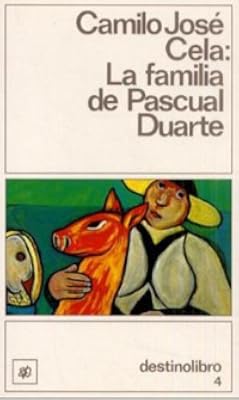
The Family of Pascual Duarte
by Camilo José Cela
On This Page
Description
Unabridged edition of Cela's modern novel, with study aids. Winner of the 1989 Nobel Prize for Literature.Tags
Recommendations


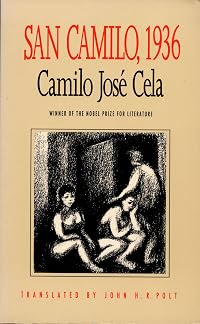

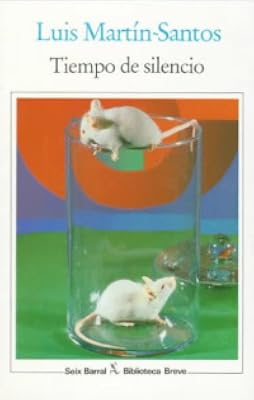

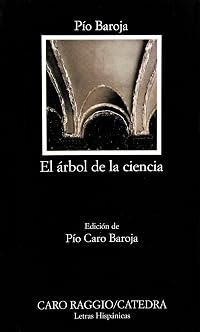






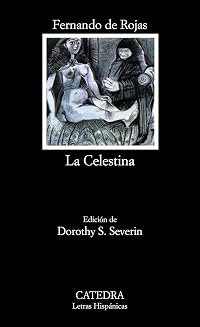
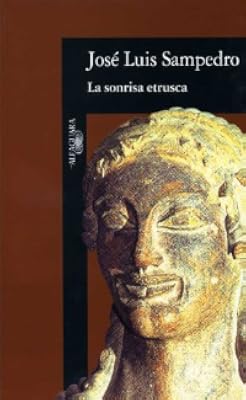
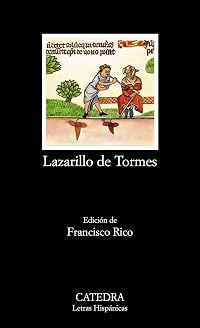

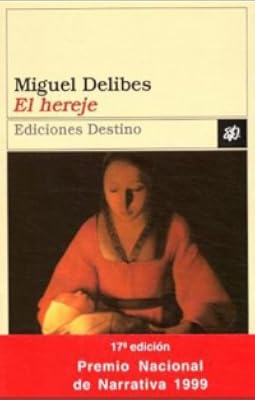


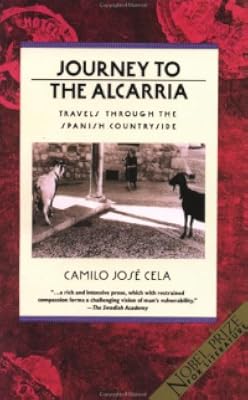






Member Recommendations

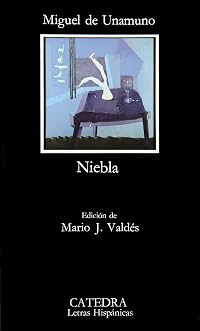
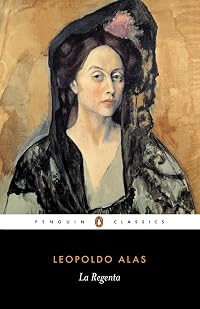
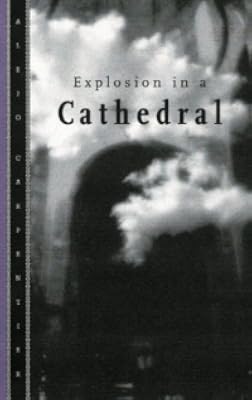
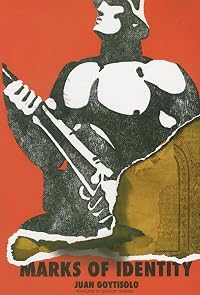
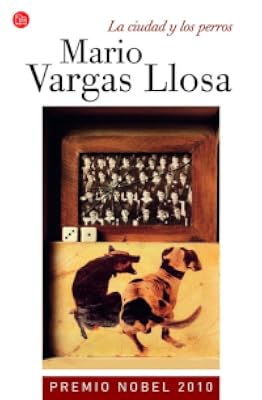
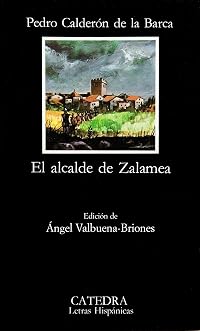
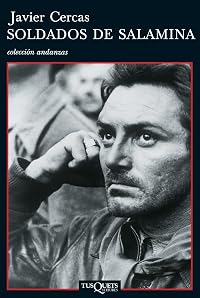
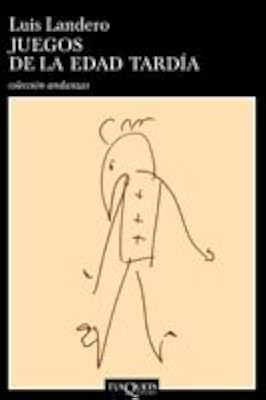
caflores Dos historias sobre violencia provocada por el ambiente, y dos narraciones crudas y frías.
Member Reviews
The fictional narrator that starts the story is there just to introduce it - a story that he had found and is just publishing. The real story is the first person narrative of Pascual Duarte - who had decided to write his story after he had been condemned to die for a murder.
Pascual is one of the poor, almost illiterate boys which had lived in the small villages in Spain at the beginning of the 20th century. Growing up without the love of his parents (even if they were present) and seeing violence as the way to succeed in life, he becomes short tempered enough to be pulling a knife on anyone that he does not like. And if for the first half of the story you almost feel sorry for him and for what is happening to him, his constant show more disavowing of his own actions and blaming them to the Fate or whatever you want to call it start nagging at you. And then he kills for the first time.
There is a lot of people that will never take responsibility for their own action - that believe that it is fate that they got in a trouble. For these people anything bad happening to them is not their fault and they apologize any bad decision with this. Pascual is one of these people - to the point where he blames his early release from prison for his further crimes.
The novel's narrative finishes before the Spanish war erupts. Pascual's story does not - we know that he kills again during the war - but we never get any details. The fact that this last murder is so different from the rest of them is an anomaly that leaves the reader thinking about what might have happened - was it Pascual deciding to throw himself on one side of the war or was him, remembering meeting the killed earlier in life and deciding that if he cannot have anything, he can at least do that.
It's a depressing story - all too familiar, all too contemporary, even if it was originally written in 1942. Violence begets violence and following one's impulses can lead to a ruin. Even if one blames the Fate for everything. And the fact that the author manages to tell such a common story in a way that keeps you reading is only showing his talent. show less
Pascual is one of the poor, almost illiterate boys which had lived in the small villages in Spain at the beginning of the 20th century. Growing up without the love of his parents (even if they were present) and seeing violence as the way to succeed in life, he becomes short tempered enough to be pulling a knife on anyone that he does not like. And if for the first half of the story you almost feel sorry for him and for what is happening to him, his constant show more disavowing of his own actions and blaming them to the Fate or whatever you want to call it start nagging at you. And then he kills for the first time.
There is a lot of people that will never take responsibility for their own action - that believe that it is fate that they got in a trouble. For these people anything bad happening to them is not their fault and they apologize any bad decision with this. Pascual is one of these people - to the point where he blames his early release from prison for his further crimes.
The novel's narrative finishes before the Spanish war erupts. Pascual's story does not - we know that he kills again during the war - but we never get any details. The fact that this last murder is so different from the rest of them is an anomaly that leaves the reader thinking about what might have happened - was it Pascual deciding to throw himself on one side of the war or was him, remembering meeting the killed earlier in life and deciding that if he cannot have anything, he can at least do that.
It's a depressing story - all too familiar, all too contemporary, even if it was originally written in 1942. Violence begets violence and following one's impulses can lead to a ruin. Even if one blames the Fate for everything. And the fact that the author manages to tell such a common story in a way that keeps you reading is only showing his talent. show less
Me sorprendió esta novela, en el sentido de que nunca pensé leer, de un autor galardonado con el Nobel en el siglo XX, una novela que me disgustara así. Poniendo de lado lo que dijo Bolaño sobre sus cuentos (que, dolorosamente, tengo que confirmar), la novela del nobel gallego me pareció inverosímil en su lenguaje y una burda imitación de naturalismo en su ejecución. Aunque es verdad que hay capítulos de una belleza incuestionable, estos no la definieron, a mi gusto, como una obra de tanta relevancia como muchos críticos españoles dicen.
Saber que su autor fue falangista y censor del régimen dictatorial español tampoco ayuda.
Saber que su autor fue falangista y censor del régimen dictatorial español tampoco ayuda.
Ha il grande merito di dare un'immagine della Spagna virata al verde livido, in cui il sangue è nero e viscoso...
De memoires van een ter dood veroordeelde primitieve boer die, als reactie op de boosaardigheid van zijn omgeving, verscheidene moorden pleegde terwijl hij eigenlijk naar liefde en geborgenheid hunkerde.
The protagonist is the type of a vigorous man, who considers violence being the only way to step forward. There is a lot of brutality in this book. Reading it, one does not wonder about the atrocities of the Spanish civil war.
Pascual is the kind of guy who has no power over his own destination, just like many of us he lost the trace of his life and give it up as easily as he can.
Members
- Recently Added By
Lists

Canon de la narrativa universal del siglo XX
254 works; 6 members

1940s
221 works; 25 members

Las 100 Mejores Novelas en Castellano del Siglo XX
105 works; 13 members

Nobel Price Winners
222 works; 19 members

Short and Sweet
246 works; 24 members

Dysfunctional Families
133 works; 7 members

Books Read in 2017
4,249 works; 130 members

Canon de la narrativa universal del s. XX (cicutadry)
499 works; 3 members
Author Information

205+ Works 7,620 Members
Camilo José Cela was born on May 11, 1916 in Iria Flavia, Spain. He attended the University of Madrid before and after the Spanish Civil War, during which he served with Franco's army. His first novel, La Familia de Pascual Duarte (The Family of Pascual Duarte), was published in 1942. He primarily wrote novels, short narratives, and travel show more diaries. His works include Journey to the Alcarria, The Hive, and Mrs. Caldwell Speaks to Her Son. He won the Nobel Prize for Literature in 1989. He died on January 17, 2002. (Bowker Author Biography) show less
Some Editions
Awards and Honors
Awards
Notable Lists
Torchlight List (#164)
Series
Belongs to Publisher Series
Common Knowledge
- Canonical title
- The Family of Pascual Duarte
- Original title
- La familia de Pascual Duarte; La Familia de Pascual Duarte
- Alternate titles*
- Pascual Duarte (rugtitel) (rugtitel)
- Original publication date
- 1942 (original Spanish) (original Spanish); 1942
- People/Characters*
- Pascual Duarte; Rosario Duarte; Mario Duarte; Lola; Esperanza
- Important places
- Galicia, Spain; Spain
- Important events
- Spanish Civil War (1936 | 1939)
- Dedication
- I dedicate this 13th and definitive edition of my Pascual Duarte to my enemies, who have been of such help to me in my career.
- First words
- I think the time has come to deliver the memoirs of Pascual Duarte to the printer.
- Last words
- (Click to show. Warning: May contain spoilers.)What more can I add to the words of these two gentlemen?
- Original language*
- Spaans
*Some information comes from Common Knowledge in other languages. Click "Edit" for more information.
Classifications
Statistics
- Members
- 1,768
- Popularity
- 12,490
- Reviews
- 33
- Rating
- (3.77)
- Languages
- 19 — Arabic, Czech, Danish, Dutch, English, Esperanto, Finnish, French, German, Greek, Italian, Latin, Norwegian (Bokmål), Polish, Portuguese, Romanian, Spanish, Swedish, Turkish
- Media
- Paper, Audiobook, Ebook
- ISBNs
- 101
- UPCs
- 1
- ASINs
- 37