
The Hare with Amber Eyes: A Hidden Inheritance
by Edmund De Waal
On This Page
Description
Traces the parallel stories of nineteenth-century art patron Charles Ephrussi and his unique collection of 360 miniature netsuke Japanese ivory carvings, documenting Ephrussi's relationship with Marcel Proust and the impact of the Holocaust on his cosmopolitan family.Tags
Recommendations
































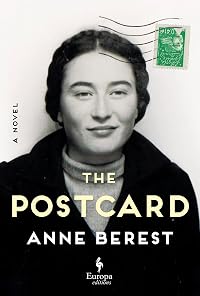

Member Recommendations
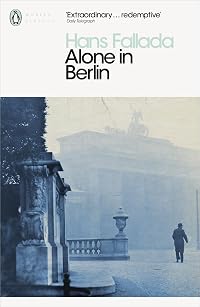
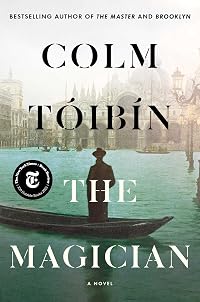
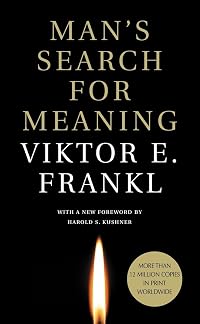
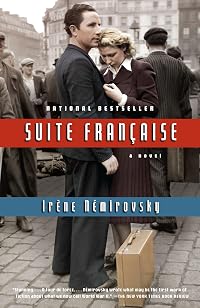
cbl_tn Charles Ephrussi, one of the subjects of this biography, was a model for Charles Swann.

cbl_tn Roth's novel is set in Vienna during the time the author's ancestors lived there.

Cimbrone Also a book about a privileged Jewish family before, during and after WW II. Sumptuous and tragic.
AmourFou A very different story than The Hare with Amber Eyes but I found myself thinking of this book for its apt reinforcement of fin de siècle Vienna.

The House by the Lake: One House, Five Families, and a Hundred Years of German History by Thomas Harding
cbl_tn Both authors are English grandchildren of European Jews who lost homes and possessions during the Holocaust.
Member Reviews
This being the 78th review of The Hare here on LT, I am sure I cannot do it justice, but the sentence that has been rolling around in my mind goes like this: You know a book is special when even when you don't want to read any more of it you keep on reading..... Edmund de Waal inherits 264 netsuke, those charming, witty, sensual and intricately carved ornaments, once worn as part of a formal Japanese costume, up to the Meiji times when old-fashioned dress was discouraged - and not just any netsuke, but very good ones collected originally in the late 19th century by his great great uncle Charles when the fever of Japonisme caught on among the aesthetes and intellectuals with a bit (or a lot!) of spare cash, in Paris. The netsuke are show more among the few surviving treasures of a vast fortune, truly unimaginably vast, and it is through the medium of the netsuke that de Waal gingerly approaches the rise and fall of his father's maternal family, the Ephrussi bankers of Odessa, Vienna, Paris.... To tell this story, de Waal adopts a slightly distant style of writing, and surely he can write it no other way, for to get any closer would be too dangerous, too painful, for it is a story both breathtaking and terrible. While I've read widely about world war 2, I am constantly brought face-to-face with new angles on the perfidy (and I don't use that word lightly) of the Nazis. The image of a priceless Louis XVI desk being heaved over the railing into the courtyard below is as appalling as anything I've read. Of course, things are just things, but .... in this case the irony is knifelike, these brownshirt louts claim to be cleansing Austria of 'dirt' but too stupid to have any idea what they are destroying. de Waal manages to convey too, with utmost tact and humility, his amazement that he could have come from a family that rose to such wealth and privilege only to have it taken from them in a matter of days. And yet, here he and his brothers and cousins are, de Waal, makes clear, prospering and letting the past be what it is. And here are the netsuke, these exquisite, intimate objects, overlooked when the Nazis ransacked the house - rescued by Anna, the austrian servant, Anna of no last name, kept under her mattress and returned to de Waal's doughty grandmother after the war. What a symbol. What a powerful book and a necessary one to the memoir literature of that war. ****1/2 show less
Using the conceit of his great-uncle's prized collection of Japanese netsuke (small art objects which also serve as a type of worry-stone/object of interest), the author examines the history of his family, the Ephrussi, who built a fortune exporting grain in Odessa and became one of the foremost Jewish financier families in Europe with banks in Paris and Vienna. He explores the Belle Epoque in Paris with its delight in Japonisme and Japanese art objects and Vienna, where the netsuke were beloved story-objects and playthings of the Ephrussi children. He takes us through the waves of anti-Semitism in Paris during the Dreyfus Affair and the hardships of the family in the aftermath of WWI and the rise of Nazism. Until finally he returns to show more the story of his great-uncle Iggie, who ended up a businessman in Tokyo after WWII.
It's a fascinating look at the rise and fall of a family, and I enjoyed the personal, the intimate and the feeling of getting to know the author's family. I was less enamored of the author's discussions about his porcelains or his own travels (even though that was the catalyst for all this) as he didn't seem, honestly, to be as interesting as his other family members. The sections where he talked about himself were actually a bit awkward as he didn't reveal enough about himself and his own relationships with his family (Iggie or his grandmother) to make those asides interesting or rewarding. He played his personal attachments and those of his family (to Jiro, for instance) very close to the chest (as is his right) but in doing so he feels a bit like an incongruous add-on to his otherwise fascinating family. show less
It's a fascinating look at the rise and fall of a family, and I enjoyed the personal, the intimate and the feeling of getting to know the author's family. I was less enamored of the author's discussions about his porcelains or his own travels (even though that was the catalyst for all this) as he didn't seem, honestly, to be as interesting as his other family members. The sections where he talked about himself were actually a bit awkward as he didn't reveal enough about himself and his own relationships with his family (Iggie or his grandmother) to make those asides interesting or rewarding. He played his personal attachments and those of his family (to Jiro, for instance) very close to the chest (as is his right) but in doing so he feels a bit like an incongruous add-on to his otherwise fascinating family. show less
What a poignant, beautiful, quietly powerful, bittersweet story the ceramicist Edmund de Waal has written about his inherited collection of 264 Japanese netsuke. How did the tiny carvings travel from Japan and then back, until Edmund inherited them from his great uncle Iggie Ephrussis, so that they now reside in England? Who had owned them and how had they passed through various family members’ hands and homes? When he realised that he had reached a point where he was reducing the netsuke to a series of anecdotes, “my odd inheritance from a beloved elderly relative”, he decided to really go after the story to “sort it out now or it will disappear”.
How glad I am that he did. This is a beautiful story of family but more, of a show more family moving through historically important times. He tells us the story of his family having moved from Odessa to Paris, of its growth from grain shippers to a powerhouse in the world of banking and trade. Grand homes were built, dynasties were founded, fortunes were made, allowing the netsukes’ first owner, Charles Ephrussis, to collect the tiny treasures. I found Charles fascinating but no less fascinating was the company he kept (and collected): Monet and the impressionists, Proust, et. al.
Moving on from his period of Japonisme, Charles gave his entire collection of netsuke and their black lacquer vitrine to his nephew Viktor Ephrussis and his new bride, Emmy, as his wedding present to them. They resided in Emmy’s dressing room in their enormous home in Vienna, the Palais Ephrussi, on the famous Ringstrasse.
This part of the book was a much harder read for me as Vienna and Europe slid into the First World War. Anti-Semitism, never far beneath the surface no matter what Viktor hoped, reared its ugly head during this war, went under the surface of things during the all too brief period before the second world war, and then burst out again in an even more virulent form with Hitler’s rise to power in 1933. Personal libraries were scattered around among collectors. Works of art were stolen, or appropriated with speciously official documentation for various museums and galleries. De Waal writes with a knife edge anger tinged with despair as he takes us through this period in the collection’s life. At times I had to put the book down and walk around to calm down, close to tears or fierce anger myself.
When the Gestapo occupied the Palais Ephrussi, documenting all of Viktor’s treasures before boxing them up and sending them to Berlin, Emmy’s personal maid Anna, a gentile who had worked with the family since the age of 14, slipped a few of the netsuke into her apron pocket as she went by their vitrine until she had hidden the entire collection of 264 in her mattress. After the war, she was able to give the only thing she had been able to save to Edmund’s grandmother Elisabeth, who took them in a small valise to England. De Waal never did learn Anna’s last name but he pays her a moving tribute for this act of courage.
After (or near) Elisabeth’s death, the netsuke went to her brother Iggie and were instrumental in his accepting a post-war posting in Japan. So for a period, they returned home. This period was easier to read than their life in Vienna but it was just as fascinating.
Now they reside in a vitrine de Waal was able to scoop from the Victoria and Albert Museum when they were selling off some unwanted showcases. What a story these little carvings have to tell, what a life they have led. And how beautifully and powerfully Edmund de Waal tells it to us. show less
How glad I am that he did. This is a beautiful story of family but more, of a show more family moving through historically important times. He tells us the story of his family having moved from Odessa to Paris, of its growth from grain shippers to a powerhouse in the world of banking and trade. Grand homes were built, dynasties were founded, fortunes were made, allowing the netsukes’ first owner, Charles Ephrussis, to collect the tiny treasures. I found Charles fascinating but no less fascinating was the company he kept (and collected): Monet and the impressionists, Proust, et. al.
Moving on from his period of Japonisme, Charles gave his entire collection of netsuke and their black lacquer vitrine to his nephew Viktor Ephrussis and his new bride, Emmy, as his wedding present to them. They resided in Emmy’s dressing room in their enormous home in Vienna, the Palais Ephrussi, on the famous Ringstrasse.
This part of the book was a much harder read for me as Vienna and Europe slid into the First World War. Anti-Semitism, never far beneath the surface no matter what Viktor hoped, reared its ugly head during this war, went under the surface of things during the all too brief period before the second world war, and then burst out again in an even more virulent form with Hitler’s rise to power in 1933. Personal libraries were scattered around among collectors. Works of art were stolen, or appropriated with speciously official documentation for various museums and galleries. De Waal writes with a knife edge anger tinged with despair as he takes us through this period in the collection’s life. At times I had to put the book down and walk around to calm down, close to tears or fierce anger myself.
When the Gestapo occupied the Palais Ephrussi, documenting all of Viktor’s treasures before boxing them up and sending them to Berlin, Emmy’s personal maid Anna, a gentile who had worked with the family since the age of 14, slipped a few of the netsuke into her apron pocket as she went by their vitrine until she had hidden the entire collection of 264 in her mattress. After the war, she was able to give the only thing she had been able to save to Edmund’s grandmother Elisabeth, who took them in a small valise to England. De Waal never did learn Anna’s last name but he pays her a moving tribute for this act of courage.
After (or near) Elisabeth’s death, the netsuke went to her brother Iggie and were instrumental in his accepting a post-war posting in Japan. So for a period, they returned home. This period was easier to read than their life in Vienna but it was just as fascinating.
Now they reside in a vitrine de Waal was able to scoop from the Victoria and Albert Museum when they were selling off some unwanted showcases. What a story these little carvings have to tell, what a life they have led. And how beautifully and powerfully Edmund de Waal tells it to us. show less
As lebres são o símbolo da fertilidade e também são ariscas e difíceis de se pegar. Uma das 264 esculturas da coleção herdada por Edmond Waal é de uma lebre que dá nome ao livro e se torna o símbolo dessa busca das origens da família do autor. A coleção de micro esculturas japonesas, netsuquês, leva Edmond a uma peregrinação pelo mundo para descobrir seus antepassados e reconstruir as histórias daqueles que antes dele foram os donos daqueles adoráveis objetos. Trata-se da família Ephrussi de banqueiros e comerciantes de grãos que se espalhou pela europa e chegou depois aos EUA e ao Japão. Após mais de uma centena de anos como milionários com bancos espalhados pela europa os Ephrussi tem todos seus bens confiscados show more na Áustria na segunda guerra com a perseguição aos judeus e na Rússia com a revolução bolchevique. O livro não é rancoroso nem esnobe, mas denso, franco e sutil. O autor é um ceramista famoso e seu texto é tátil e sentimos nos dedos suas descrições. Seu olhar de escultor e artista plástico percebe sutilezas em cada objeto e quando analisa fotografias consegue desvendar com um pouco de ironia e uma certa melancolia os pensamentos dos retratados. Poderíamos achar que a vida de pessoas que tiveram vidas tão diferentes e excepcionais seria muito diferente das nossas, mas nos sentimos próximos de cada personagem, e ao final nos damos conta que somos como os pequenos netsuquês estamos todos juntos na mesma vitrine e tão pouco sabemos de como aqui chegamos quanto para onde o tempo vai nos levar. show less
Wonderful book. I just re-read this for book group. I found the parts about Paris a little slow going, but then Vienna and Japan are fascinating and Paris is illuminated in conjunction with the later story. There is such a sense of place and time here and the author's ancestors become real people as we read about them. The author's investigation of his family's past is a personal journey for him. So many people are interested in their genealogy, but few have the wealth of historical resources that de Waal is able to locate. This book is a remarkable confluence of art, history and family, blessed with a man able and willing to spend the time to discover it and share it with us as readers.
When Edmund de Waal inherited a priceless collection of 264 netsukes—japanese miniatures made from ivory depicting animals and scenes of everyday life—from his great uncle, Iggie, who told him how he had played with them as a child in his mother's dressing room with his siblings, the author decided to set aside his own work as a world-renowned potter and curator to travel to the places which would help him uncover the rich family history from which he descends, and of which the netsukes were the only memento of the dynasty which were the vastly wealthy Jewish Ephrussi family, rich grain merchants originally from Odessa who had become powerful bankers in Europe and who were peers to the Rothschild family, only to lose everything to show more the Nazis.
His tale is a sweeping saga, which starts in the 19th century with the magnetic Charles Ephrussi, the original collector of the netsukes, an art collector and patron who admired and promoted the impressionists when they were still considered as radicals, and who purchased some 40 works by Monet, Manet, Degas, Renoir, and Pissarro, among others, and became part-owner and then editor and contributor to the Gazette des Beaux-Arts, the most important art historical periodical in France. As such, he was a welcome guest at some of the most famous salons in Paris and is known to be one of the inspirations for the figure of Swann in Marcel Proust's À la recherche du temps perdu (In Search of Lost Time). He also appears in Le déjeuner des canotiers (Luncheon of the Boating Party) by Pierre-Auguste Renoir as the figure seen from the back wearing a hat. But things abruptly changed with the Dreyfus affair in 1894, when the French took sides and anti-semitism became widespread. Suddenly, many old friends were lost and became sworn enemies.
De Waal continues the family history, following the path of the nestukes, who came into the hands of Charles's niece as a wedding present. Iggie's mother and the author's great grandmother was a great one for going to the opera and dinner parties wearing fashionable gorgeous dresses with perfectly matched hats and gloves, which her maid Anna always knew how to help her choose and bring off with the perfect piece of jewelry, and always, as she dressed, the children were allowed to play on the yellow rug with the priceless collection of tiny netsuke she kept in the cabinet placed in her dressing room which uncle Charles had given her. The First World War had been hard enough to get through, but then the Nazis came into power and for all of them, the enchanted world at the Palais Ephrussi was shattered forever, as they were turned out of their living quarters and their possessions taken over by the Reich, and the horrors of the holocaust forced them to flee in all directions. I rarely cry when reading a book, but I cried when Anna, after the war is over, reveals to Elizabeth, the author's grandmother, how it is she managed to smuggle the netsuke figures one by one from under the Natzi's very noses in safekeeping as a valuable memento she could salvage for the family for which she had worked all her life. show less
His tale is a sweeping saga, which starts in the 19th century with the magnetic Charles Ephrussi, the original collector of the netsukes, an art collector and patron who admired and promoted the impressionists when they were still considered as radicals, and who purchased some 40 works by Monet, Manet, Degas, Renoir, and Pissarro, among others, and became part-owner and then editor and contributor to the Gazette des Beaux-Arts, the most important art historical periodical in France. As such, he was a welcome guest at some of the most famous salons in Paris and is known to be one of the inspirations for the figure of Swann in Marcel Proust's À la recherche du temps perdu (In Search of Lost Time). He also appears in Le déjeuner des canotiers (Luncheon of the Boating Party) by Pierre-Auguste Renoir as the figure seen from the back wearing a hat. But things abruptly changed with the Dreyfus affair in 1894, when the French took sides and anti-semitism became widespread. Suddenly, many old friends were lost and became sworn enemies.
De Waal continues the family history, following the path of the nestukes, who came into the hands of Charles's niece as a wedding present. Iggie's mother and the author's great grandmother was a great one for going to the opera and dinner parties wearing fashionable gorgeous dresses with perfectly matched hats and gloves, which her maid Anna always knew how to help her choose and bring off with the perfect piece of jewelry, and always, as she dressed, the children were allowed to play on the yellow rug with the priceless collection of tiny netsuke she kept in the cabinet placed in her dressing room which uncle Charles had given her. The First World War had been hard enough to get through, but then the Nazis came into power and for all of them, the enchanted world at the Palais Ephrussi was shattered forever, as they were turned out of their living quarters and their possessions taken over by the Reich, and the horrors of the holocaust forced them to flee in all directions. I rarely cry when reading a book, but I cried when Anna, after the war is over, reveals to Elizabeth, the author's grandmother, how it is she managed to smuggle the netsuke figures one by one from under the Natzi's very noses in safekeeping as a valuable memento she could salvage for the family for which she had worked all her life. show less
This is an unusual family memoir, told through the medium of the history of a collection of netsuke which the author inherited from his great-uncle. Their story moves from Paris to Vienna and on, taking in the birth of Japonisme in Paris (de Waal's great-great-grandfather, who acquired the collection, was also an early champion of the Impressionists) and the fall of the Hapsburg empire. The sources of de Waal's research include not only family documents but also glimpses through literature - as important social figures, his ancestors were inspiration for fictional characters from Proust to Joseph Roth.
They were also Jewish financiers, and so this is also a story of the sad history of nineteenth- and twentieth-century anti-semitism, show more Dreyfus in his great-great-great grandfather's time, Nazism in his great grandfather's. It's a very personal, emotionally-charged viewpoint, as de Waal gradually discovers the history and imagines what it was like for his family.
He cannot go to his cafe, to his office, to his club, to his cousins. He has no cafe, no office, no club, no cousins. He cannot sit on a public bench any more: the benches in the park outside the Votivkirche have Juden verboten stencilled on them ... He cannot go on a train: Jews and those who look Jewish have been thrown off. He cannot go to the cinema. And he cannot go to the Opera. Even if he could, he would not hear music written by Jews, played by Jews or sung by Jews. No Mahler and no Mendelssohn. Opera has been Aryanised. There are SA men stationed at the end of the tram line in Neuwaldegg to prevent Jews strolling in the Vienna woods.
I had actually been expecting this book to be more about the netsuke themselves - I love netsuke, and de Waal, who is a potter (you can see some of his work here) writes fantastically well about the look and especially the tactility of the netsuke. But I couldn't be disappointed when the story turned out to be about something else - it was too good.
There are some lovely pictures of the netsuke here.
Sample: What was it like to have something so alien in your hands for the first time, to pick up a box or cup - or a netsuke - in a material that you had never encountered before and shift it around, finding its weight and balance, running a fingertip along the raised decoration of a stork in flight through clouds? show less
They were also Jewish financiers, and so this is also a story of the sad history of nineteenth- and twentieth-century anti-semitism, show more Dreyfus in his great-great-great grandfather's time, Nazism in his great grandfather's. It's a very personal, emotionally-charged viewpoint, as de Waal gradually discovers the history and imagines what it was like for his family.
He cannot go to his cafe, to his office, to his club, to his cousins. He has no cafe, no office, no club, no cousins. He cannot sit on a public bench any more: the benches in the park outside the Votivkirche have Juden verboten stencilled on them ... He cannot go on a train: Jews and those who look Jewish have been thrown off. He cannot go to the cinema. And he cannot go to the Opera. Even if he could, he would not hear music written by Jews, played by Jews or sung by Jews. No Mahler and no Mendelssohn. Opera has been Aryanised. There are SA men stationed at the end of the tram line in Neuwaldegg to prevent Jews strolling in the Vienna woods.
I had actually been expecting this book to be more about the netsuke themselves - I love netsuke, and de Waal, who is a potter (you can see some of his work here) writes fantastically well about the look and especially the tactility of the netsuke. But I couldn't be disappointed when the story turned out to be about something else - it was too good.
There are some lovely pictures of the netsuke here.
Sample: What was it like to have something so alien in your hands for the first time, to pick up a box or cup - or a netsuke - in a material that you had never encountered before and shift it around, finding its weight and balance, running a fingertip along the raised decoration of a stork in flight through clouds? show less
Members
- Recently Added By
Published Reviews
ThingScore 75
Edmund de Waal kreeg van een oudoom 264 gordelknopen. Ze leidden tot het schrijven van de geschiedenis van zijn joodse familie, met mooie verhalen,
added by sneuper
Lists

Best Biographies, Autobiographies and Memoirs
465 works; 160 members

Top Five Books of 2013
1,562 works; 721 members

Best family memoirs
28 works; 11 members

Recommend the 20 best books you've read in the last five years
2,168 works; 606 members

Non-Fiction Worth Reading
1,015 works; 261 members

The Guardian's 100 best books of the 21st century
100 works; 21 members

Top Five Books of 2014
1,064 works; 398 members

Top Five Books of 2021
604 works; 181 members

Jewish Books
367 works; 24 members

2008-2012 Notable Books for Adults
127 works; 10 members

Books about World War II
241 works; 22 members

Books Read in 2017
4,249 works; 130 members

Animals in the Title
498 works; 11 members

Five star books
1,767 works; 109 members

Books Read in 2013
1,630 works; 51 members

Paris, City of Lights
103 works; 17 members

Best family sagas
244 works; 34 members

Queen Camilla's Reading Room
65 works; 6 members

Books Read in 2016
4,666 works; 197 members
Author Information

35+ Works 5,212 Members
Edmund de Waal is a world-famous ceramicist. Having spent thirty years making beautiful pots-which are then sold, collected, and handed on-he has a particular sense of the secret lives of objects. When he inherited a collection of 264 tiny Japanese wood and ivory carvings, called netsuke, he wanted to know who had touched and held them, and how show more the collection had managed to survive. And so begins this extraordinarily moving memoir and detective story as de Waal discovers both the story of the netsuke and of his family, the Ephrussis, over five generations. A nineteenth-century banking dynasty in Paris and Vienna, the Ephrussis were as rich and respected as the Rothschilds. Yet by the end of World War II, when the netsuke were hidden from the Nazis in Vienna, this collection of very small carvings was all that remained of their vast empire. show less
Some Editions
Awards and Honors
Awards
Distinctions
Series
Belongs to Publisher Series
Common Knowledge
- Canonical title*
- Jänis jolla on meripihkanväriset silmät
- Original title
- The Hare with Amber Eyes: A Hidden Inheritance
- Alternate titles
- The Hare with Amber Eyes: A Family's Century of Art and Loss (US) (US)
- Original publication date
- 2010
- People/Characters
- Charles Ephrussi; Marcel Proust; Edgar Degas; Rainer Maria Rilke; Viktor von Ephrussi; Emmy Schey von Koromla (show all 10); Elisabeth von Ephrussi; Victor de Waal; Ignace von Ephrussi (1906 - 1994); Edmund de Waal
- Important places
- Vienna, Austria; Paris, France; Tokyo, Japan; Odesa, Ukraine
- Important events
- Anschluss; World War I; Dreyfus Affair; Holocaust
- Epigraph
- 'Even when one is no longer attached to things, it's still something to have been attached to them; because it was always for reasons which other people didn't grasp...Well, now that I'm a little too weary to live with other ... (show all)people, these old feelings, so personal and individual, that I had in the past, seem to me - it's a mania for all collectors - very precious. I open my heart to myself like a sort of vitrine, and examine one by one all those love affairs of which the world can know nothing. And of this collection to which I'm now much more attached than to my others, I say to myself, rather as Mazarin said of his books, but in fact without the least distress, that it will be very tiresome to have to leave it at all.'
Charles Swann.
Marcel Proust, Cities of the Plain.
"Aún cuando uno ya no tenga apego por las cosas, sigue importando haberlo tenido; porque siempre fue por razones que los demás no comprendían... Y bueno, ahora que estoy algo cansado para vivir con otros, estos viejos sent... (show all)imientos del pasado, tan personales e individuales, me parecen -es la manía de los coleccionistas- muy valiosos. Abro mi corazón para mi como si fuera una vitrina y examino una a una todas esas historias de amor de las que el mundo no puede saber nada. Y de esta colección, a la que más unido estoy entre las mías, me digo, un poco como decía Mazarino en sus libros, pero en realidad sin la menor aflicción, que tener que dejarlo todo sería muy fatigoso". Charles Swann.
Marcel Proust "Sodoma y Gomorra". - Dedication
- For Ben, Matthew and Anna
and for my father. - First words
- In 1991 I was given a two-year scholarship by a Japanese foundation.
- Last words
- (Click to show. Warning: May contain spoilers.)The netsuke begin again.
- Blurbers
- Wilson, Frances; Spurling, Hilary; Morton, Frederic
- Original language
- English
- Disambiguation notice*
- "De haas met de amberkleurige ogen" was de eerste vertaling in het Nederlands. Al in 2017 publiceerde De Bezig Bij een nieuwe, correctere vertaling onder de titel "De haas met ogen van barnsteen". Ook vertaling van de tekst w... (show all)erd op tal van punten aangepast. Zie: https://www.volkskrant.nl/nieuws-achte...
Dit is de nieuwe, betere vertaling van het boek dat eerst onder de titel "De haas met de amberkleurige ogen" werd uitgebracht, maar niet alleen een verkeerde titel bevatte maar ook tal van fouten in de tekst zelf. Zie bijvoor... (show all)beeld https://www.volkskrant.nl/nieuws-achte...
*Some information comes from Common Knowledge in other languages. Click "Edit" for more information.
Classifications
Statistics
- Members
- 4,148
- Popularity
- 3,703
- Reviews
- 168
- Rating
- (3.99)
- Languages
- 21 — Catalan, Chinese, Czech, Danish, Dutch, English, Estonian, Finnish, French, German, Hebrew, Italian, Japanese, Norwegian (Bokmål), Norwegian, Polish, Russian, Spanish, Swedish, Portuguese (Portugal), Portuguese (Brazil)
- Media
- Paper, Audiobook, Ebook
- ISBNs
- 73
- UPCs
- 1
- ASINs
- 45