
Jeanne Theoharis
Author of The Rebellious Life of Mrs. Rosa Parks
About the Author
Jeanne Theoharis is Distinguished Professor of Political Science at Brooklyn College of the City University of New York. She is the author or coauthor of seven books, including the New York Times best-selling and 2014 NAACP Image Award-winning The Rebellious Life of Mrs. Rosa Parks.
Works by Jeanne Theoharis
A More Beautiful and Terrible History: The Uses and Misuses of Civil Rights History (2018) 268 copies, 16 reviews
Associated Works
Hell Is a Very Small Place: Voices from Solitary Confinement (2014) — Contributor — 69 copies, 3 reviews
History Comics: Rosa Parks & Claudette Colvin: Civil Rights Heroes (2023) — Contributor — 51 copies, 2 reviews
Tagged
Common Knowledge
- Birthdate
- 1969-05-16
- Gender
- female
- Relationships
- Theoharis, Athan G. (father)
- Nationality
- USA
- Associated Place (for map)
- USA
Members
Reviews
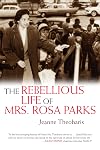
This insightful and revealing first full-length biography of Rosa Parks shatters all the myths about her that began with her arrest in Montgomery in 1955. Rosa Parks may have been shy, may not have worn her angry militancy on her sleeve, but she was never apolitical. She was never the accidental activist, the mild-mannered seamstress too tired to give up her seat on the bus as depicted in the "national fable" of her life. Rosa's intense resentment of and lifelong resistance to racial show more injustice was instilled in her from an early age by her grandparents and parents. She made a living as a skilled tailor but her lifelong vocation was fighting for equality with the NAACP, the Montgomery Improvement Association, the Black Power movement, and a hundred other organizations and campaigns to which she selflessly offered her time and talent. Theoharis chronicles Rosa's lifelong activism from working with the NAACP in Alabama and the Montgomery Bus Boycott, to her leadership in civil rights activities in Detroit, her involvement in the Black Power movement, campaigns for black political candidates, and more. Theoharis also reveals the terrible economic, emotional, and physical toll Rosa's tireless activism had upon her and her husband Raymond. This is the story of the real Rosa Parks, the one everyone should know. show less
A More Beautiful and Terrible History: The Uses and Misuses of Civil Rights History by Jeanne Theoharis

A deep and unflinching examination of some of the most widely held misconceptions about the Civil Rights Movement. Many of these false ideas were put about intentionally to control the narrative and use it for political gain. The author spends a lot of time discussing the legacy of Coretta Scott King and Rosa Parks, two women whose lives have been largely erased to make them palatable and "ideal female figureheads". The author dwells upon the intersection of the Civil Rights Movement and the show more movement for Women's Rights. The prevailing misogyny of the time required these women to "simple", "humble", "help-meets" rather than the determined, strategic activists that they were.
Many key events of this time are cloaked in similar myth-making which robs our history of its greater power. The author picks apart why these myths were created and for what purpose and then strives to replace these commonly held beliefs with truth. A fascinated and beautifully executed correction of popular history. show less
Many key events of this time are cloaked in similar myth-making which robs our history of its greater power. The author picks apart why these myths were created and for what purpose and then strives to replace these commonly held beliefs with truth. A fascinated and beautifully executed correction of popular history. show less
A More Beautiful and Terrible History: The Uses and Misuses of Civil Rights History by Jeanne Theoharis
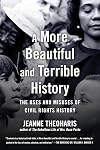
This history is humbling—showing how hard it is to do the right thing and exposing the many barriers to unseating the status quo. It reveals that the perpetration of injustice is not always about hatred but often about indifference, fear, and personal comfort.
My goodness. A More Beautiful and Terrible History: The Uses and Misuses of Civil Rights History by Jeanne Theoharis. I’ll admit it’s hard for me to review a book like this because I wish I could write down each strong, show more thought-provoking, or challenging point the author makes.
This narrative speaks on the tendency for many Americans to relegate the civil rights movement to something that’s (safely) behind us. It speaks on the tendency for people to applaud figures like Martin Luther King, Jr. and Rosa Parks while separating them from the totality of their messages, from their anger, from the fact that they were controversial and that the civil rights movement was disruptive and unpopular to most Americans at the time. If we now reduce Rosa Parks to a sweet, quiet lady who sat meekly on a bus one day, and we strip her of her years of politics and activism and most of what she actually said, we can comfortably celebrate her without being challenged by her anymore.
This book puts clear language to ideas I’ve been chewing on, including how racism isn’t merely about people’s feelings, that as long as enough individuals don’t feel or express personal malice toward people of color, then social injustice in America is no longer a real or serious problem.
My one issue with the reading was that it often seemed redundant, repeating the same information or quotes in places or using different words to make the same points over again. I also wasn’t able to comb through all of it (time constraints with a borrowed copy), but this is the kind of book I’d have no problem revisiting.
America has much more work to do for civil rights, and it’ll take having an accurate view of our history. show less
My goodness. A More Beautiful and Terrible History: The Uses and Misuses of Civil Rights History by Jeanne Theoharis. I’ll admit it’s hard for me to review a book like this because I wish I could write down each strong, show more thought-provoking, or challenging point the author makes.
This narrative speaks on the tendency for many Americans to relegate the civil rights movement to something that’s (safely) behind us. It speaks on the tendency for people to applaud figures like Martin Luther King, Jr. and Rosa Parks while separating them from the totality of their messages, from their anger, from the fact that they were controversial and that the civil rights movement was disruptive and unpopular to most Americans at the time. If we now reduce Rosa Parks to a sweet, quiet lady who sat meekly on a bus one day, and we strip her of her years of politics and activism and most of what she actually said, we can comfortably celebrate her without being challenged by her anymore.
This book puts clear language to ideas I’ve been chewing on, including how racism isn’t merely about people’s feelings, that as long as enough individuals don’t feel or express personal malice toward people of color, then social injustice in America is no longer a real or serious problem.
My one issue with the reading was that it often seemed redundant, repeating the same information or quotes in places or using different words to make the same points over again. I also wasn’t able to comb through all of it (time constraints with a borrowed copy), but this is the kind of book I’d have no problem revisiting.
America has much more work to do for civil rights, and it’ll take having an accurate view of our history. show less
A More Beautiful and Terrible History: The Uses and Misuses of Civil Rights History by Jeanne Theoharis
A More Beautiful and Terrible History takes aim the revisionist history of the civil rights movement that we are taught as children in school and that has become the standard narrative. As someone who didn’t live through that time period, I found it incredibly enlightening. I think even people who did live through it will learn a lot because much of what was happening back then wasn’t reported accurately by the media. For instance, northern schools were just as segregated as southern show more schools. However, the northern segregation wasn’t codified and the school districts had all kinds of ways of getting around de-segregation. Jim Crow was not just a southern phenomenon. Another thing that was happening back then all over the country was the shooting of unarmed black men. It was easier to sweep under the rug with no cell phone videos or social media.
This book also discusses the prominent civil rights figures of that era and public perception of them back then versus now. Rosa Parks was not just a tired black woman who stayed in her bus seat on a whim. There was strategy and planning behind her decision. The lengths that people in the movement had to go to in order to make the Montgomery bus boycott work were amazing. Also, Martin Luther King, Jr. was not always well-liked. His approval ratings were actually quite low at points. His wife Coretta was also a central figure in the movement, not just a standing by her man wife.
A More Beautiful and Terrible History is a must read. I wish that everyone who is part of the “Why don’t they just get over it and pull themselves up by their bootstraps?” club would read it so they could see how white people have been systematically taking away black people’s boots for years in ALL areas of the country. I’m very glad I read this book and recommend it to everyone. show less
This book also discusses the prominent civil rights figures of that era and public perception of them back then versus now. Rosa Parks was not just a tired black woman who stayed in her bus seat on a whim. There was strategy and planning behind her decision. The lengths that people in the movement had to go to in order to make the Montgomery bus boycott work were amazing. Also, Martin Luther King, Jr. was not always well-liked. His approval ratings were actually quite low at points. His wife Coretta was also a central figure in the movement, not just a standing by her man wife.
A More Beautiful and Terrible History is a must read. I wish that everyone who is part of the “Why don’t they just get over it and pull themselves up by their bootstraps?” club would read it so they could see how white people have been systematically taking away black people’s boots for years in ALL areas of the country. I’m very glad I read this book and recommend it to everyone. show less
Lists
Awards


You May Also Like


Associated Authors
Statistics
- Works
- 8
- Also by
- 2
- Members
- 793
- Popularity
- #32,131
- Rating
- 4.2
- Reviews
- 34
- ISBNs
- 38
