

Paula J. Giddings
Author of When and Where I Enter: The Impact of Black Women on Race and Sex in America
About the Author
Works by Paula J. Giddings
When and Where I Enter: The Impact of Black Women on Race and Sex in America (1984) 559 copies, 3 reviews
In Search of Sisterhood: Delta Sigma Theta and the Challenge of the Black Sorority Movement (1988) 94 copies, 2 reviews
Associated Works
Race-ing Justice, En-Gendering Power: Essays on Anita Hill, Clarence Thomas, and the Construction of Social Reality (1992) — Contributor — 355 copies, 1 review
Words of Fire: An Anthology of African-American Feminist Thought (1995) — Contributor — 265 copies, 1 review
Unequal Sisters: A Multicultural Reader in U.S. Women's History {Second Edition} (1994) — Contributor — 97 copies
Tagged
Common Knowledge
- Birthdate
- 1947
- Gender
- female
- Education
- Howard University
- Organizations
- Delta Sigma Theta
- Awards and honors
- John Hope Franklin Book Award (2011)
- Nationality
- USA
- Associated Place (for map)
- USA
Members
Reviews
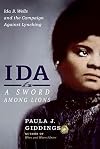
I was a big Ida B. Wells fan before she signed with a major label. But I am so happy to see that label is Paula Giddings whose history writing reads like a novel. In When and Where I Enter Giddings introduced me to U.S. history through the experience of African American women. In her tome on the life of Ida B. Wells, she excavates every aspect of life and society surrounding Wells to give not just a biographical portrait of one of the most important Americans of the 19th and early 20th show more centuries, but a complete picture of life in her times. It's a picture we should all acquaint ourselves with, as it begins to look, at times, like something of a mirror of our own, in spite of our claims to racial progress.
Thank you so much, Paula GIddings for giving us a biography that is truly worthy of its remarkable subject! show less
Thank you so much, Paula GIddings for giving us a biography that is truly worthy of its remarkable subject! show less
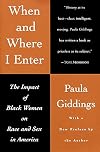
Giddings makes history read like a novel. This book is worth its weight in crude oil for the analysis of the U.S. women's suffrage movement and its deal with the white supremacy devil alone. An excellent introduction to African American history for those not yet well-versed in the topic. Great for undergrads and grad students and non-academic readers alike.
Ida B. Wells, at least until the publication of this book, was something of a footnote in history, her role in anti-lynching campaigns played down by those who came after her.
Gidding's book restores Wells reputation, in great detail. Actually the book was hard for me to get through. It is long and heavy, not good with my minor carpal tunnel. But I decided to finish the book and am glad that I did.
Wells was born a slave in 1862. Her parents were skilled though, and made an easier transition show more to freedom than many others. Unfortunately they died young, and Wells and her siblings were forced to survive on their own. Wells lived in Memphis and was a teacher. Black civil rights, gained afer the Civil War, began to be eroded pretty quickly. Wells first came to public attention with an anti-lynching article in 1892, against the lynching of three men, one of whom was a friend of hers. Her anti-lynching campaign helped propel her into journalism, but she was forced into exile from Memphis in fear of her life. She traveled a lot, eventually winding up in Chicago, where she married a lawyer named Ferdinand Barnett and had four children with him. She never stopped working for civil rights for African-Americans and women, and for improving conditions for blacks.
In her anti-lynching campaigns, she investigated incidents in detail, and published the results in pamphlets, while also writing articles refuting that the cause of most lynchings was black male rape of white women.
Wells could be a contentious personality, and it cost her over her life. But what also cost her was just the unwillingness of many to hear the cold hard facts she wanted revealed. She was farther to the left politically than most, insisting on civil rights when it was far more popular to follow Booker T. Washington in saying that black vocational education was more important than rights, that it would improve the economic conditions and raise the status of the race. Wells knew that, for one thing, it wasn't a lot of use to educate blacks for jobs that they wouldn't be hired for because of their skin color.
Giddings gets into some sickening detail in eiscussing lynchings, but these are the facts. The events were brutal... not just death, but torture before death. Reading these horrors don't make one proud of being white. Even progressive whites were often unable to understand the degree of their racial prejudice. Ida made them uncomfortable because she would tell that they were wrong and why.
So all in all, this is a story that shows the worst of humanity, prejudice so strong it destroyed lives in so many ways, but also of those who had the courage to speak up, and to never give up, despite every possible discouragement. It reinforces what I've thought for a long while, that society advances by evolutionary change rather than revolutionary. Revolutions tend to provoke reaction that sends things back to where they were or worse. Yet society needs the revolutionary voices to raise consciousness and introduce new progressive ideas. Ida B. Wells was one of those voices.
Ida: A Sword Among Lions is a book that in the end rewards the effort of reading it. show less
Gidding's book restores Wells reputation, in great detail. Actually the book was hard for me to get through. It is long and heavy, not good with my minor carpal tunnel. But I decided to finish the book and am glad that I did.
Wells was born a slave in 1862. Her parents were skilled though, and made an easier transition show more to freedom than many others. Unfortunately they died young, and Wells and her siblings were forced to survive on their own. Wells lived in Memphis and was a teacher. Black civil rights, gained afer the Civil War, began to be eroded pretty quickly. Wells first came to public attention with an anti-lynching article in 1892, against the lynching of three men, one of whom was a friend of hers. Her anti-lynching campaign helped propel her into journalism, but she was forced into exile from Memphis in fear of her life. She traveled a lot, eventually winding up in Chicago, where she married a lawyer named Ferdinand Barnett and had four children with him. She never stopped working for civil rights for African-Americans and women, and for improving conditions for blacks.
In her anti-lynching campaigns, she investigated incidents in detail, and published the results in pamphlets, while also writing articles refuting that the cause of most lynchings was black male rape of white women.
Wells could be a contentious personality, and it cost her over her life. But what also cost her was just the unwillingness of many to hear the cold hard facts she wanted revealed. She was farther to the left politically than most, insisting on civil rights when it was far more popular to follow Booker T. Washington in saying that black vocational education was more important than rights, that it would improve the economic conditions and raise the status of the race. Wells knew that, for one thing, it wasn't a lot of use to educate blacks for jobs that they wouldn't be hired for because of their skin color.
Giddings gets into some sickening detail in eiscussing lynchings, but these are the facts. The events were brutal... not just death, but torture before death. Reading these horrors don't make one proud of being white. Even progressive whites were often unable to understand the degree of their racial prejudice. Ida made them uncomfortable because she would tell that they were wrong and why.
So all in all, this is a story that shows the worst of humanity, prejudice so strong it destroyed lives in so many ways, but also of those who had the courage to speak up, and to never give up, despite every possible discouragement. It reinforces what I've thought for a long while, that society advances by evolutionary change rather than revolutionary. Revolutions tend to provoke reaction that sends things back to where they were or worse. Yet society needs the revolutionary voices to raise consciousness and introduce new progressive ideas. Ida B. Wells was one of those voices.
Ida: A Sword Among Lions is a book that in the end rewards the effort of reading it. show less
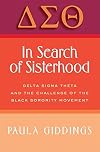
Mary McLeod Bethune, Shirley Chisholm, Barbara Jordan and Lena Horne: all prominent black women who made tremendous
contributions to society in the fields of politics, education and the arts, and all members of the
Delta Sigma Theta Sorority (DST). In Search of Sisterhood tells the story of DST, the largest black women’s
organization in the United States.
Founded at a time when liberal arts education was widely seen as futile, dangerous, or impractical for blacks,
especially women, DST was show more formed to bring women together as sisters and also to address the divisive, often
class-related issues confronting black women in our society. The tension between these goals makes Delta Sigma Theta
a fascinating microcosm of the struggles of black women and their organizations throughout American history.
Paula J. Giddings, November 16, 1947 is an African-American writer, historian, and civil rights activist. show less
contributions to society in the fields of politics, education and the arts, and all members of the
Delta Sigma Theta Sorority (DST). In Search of Sisterhood tells the story of DST, the largest black women’s
organization in the United States.
Founded at a time when liberal arts education was widely seen as futile, dangerous, or impractical for blacks,
especially women, DST was show more formed to bring women together as sisters and also to address the divisive, often
class-related issues confronting black women in our society. The tension between these goals makes Delta Sigma Theta
a fascinating microcosm of the struggles of black women and their organizations throughout American history.
Paula J. Giddings, November 16, 1947 is an African-American writer, historian, and civil rights activist. show less
Lists
Awards


You May Also Like


Associated Authors
Statistics
- Works
- 17
- Also by
- 4
- Members
- 1,013
- Popularity
- #25,447
- Rating
- 4.2
- Reviews
- 8
- ISBNs
- 17
- Favorited
- 2