
M. Gigi Durham
Author of The Lolita Effect: The Media Sexualization of Young Girls and What We Can Do About It
About the Author
M Gigi Durham is professor of journalism and mass communication at the University of Iowa. Her research on adolescent girls and media has appeared in such academic journals as Youth & Society and Critical Studies in Media Communication. She served on the editorial board of The Encyclopedia of show more Children, Adolescents and the Media. A passionate advocate for children's rights and social justice, she lives with her husband and two daughters in Iowa City. show less
Image credit: M. Gigi Durham
Works by M. Gigi Durham
The Lolita Effect: The Media Sexualization of Young Girls and What We Can Do About It (2008) 207 copies, 7 reviews
Associated Works
Tagged
Common Knowledge
- Birthdate
- 20th Century
- Gender
- female
- Nationality
- USA
- Associated Place (for map)
- USA
Members
Reviews
The Lolita Effect: The Media Sexualization of Young Girls and What We Can Do About It by M. Gigi Durham
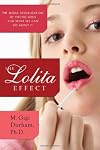
This is a must-read for parents and teachers of girls, and a should-read for everyone else. I've read my fair share of media criticism, especially about gender inequality and representation. What sets this one apart is that the end of each chapter has an action plan. The title of the book is true to form: each chapter dissects the media sexualization of girls, and ends with what we can do about it.
Also useful (especially to me, since I teach similar content in my Popular Culture Studies show more class) are the pages of resources and notes Durham includes. It is a goldmine of information.
I checked this out from the library, but I will be buying a copy of my own to mark up, develop lesson plans from, and lend out to interested readers. I haven't been this affected by a book about the pressures girls face since I read Reviving Ophelia nearly 20 years ago. show less
Also useful (especially to me, since I teach similar content in my Popular Culture Studies show more class) are the pages of resources and notes Durham includes. It is a goldmine of information.
I checked this out from the library, but I will be buying a copy of my own to mark up, develop lesson plans from, and lend out to interested readers. I haven't been this affected by a book about the pressures girls face since I read Reviving Ophelia nearly 20 years ago. show less
The Lolita Effect: The Media Sexualization of Young Girls and What You Can Do Aboutit by M. Gigi Durham

An interesting look at the sexualization of young women and girls in today's society. This book is sort of like a mix between Female Chauvinist Pigs and The Beauty Myth with a little bit of The Body Project thrown in.
The book tackles 5 myths brought about by Lolita culture - hotness is ideal, the perfect body and how it is unattainable, looking young is the only acceptable way to look, violence and sex are intertwined and the male gaze. Durham tackles how these myths disempower women, even show more though they are usually hidden in a rhetoric of empowerment. However, she keeps a progressive and realistic view of male and female sexuality in focus. She also writes about how the Lolita Effect disempowers (by virtually or completely ignoring) differently-abled people, homosexuals, people of color and people who generally don't conform to the young, white, blond and thin "ideal."
The one thing I dislike about books like this is the idea that "girls are having sex so young" or "girls are dressing in miniskirts so young" as if women and girls haven't suffered from problems of sexualization in middle school for a long time, or as if we haven't felt pressure to flaunt our bodies until recently. I know that it was a problem when I was a child, and I'm sure it was a problem in my parent's generation, and I'd be surprised if it weren't a problem in my grandparent's generation. I guess the only big thing that's changed since the start of the 20th century is how pervasive mass marketing has become, and the impact of media on children. But I would hardly call the Lolita Effect a new problem.
Definitely a good book and I'd recommend it to anybody with a daughter, as Durham does offer some good talking points to bringing up the issues of Lolita culture with girls and young women to allow them to bring a more critical eye to their media interactions. show less
The book tackles 5 myths brought about by Lolita culture - hotness is ideal, the perfect body and how it is unattainable, looking young is the only acceptable way to look, violence and sex are intertwined and the male gaze. Durham tackles how these myths disempower women, even show more though they are usually hidden in a rhetoric of empowerment. However, she keeps a progressive and realistic view of male and female sexuality in focus. She also writes about how the Lolita Effect disempowers (by virtually or completely ignoring) differently-abled people, homosexuals, people of color and people who generally don't conform to the young, white, blond and thin "ideal."
The one thing I dislike about books like this is the idea that "girls are having sex so young" or "girls are dressing in miniskirts so young" as if women and girls haven't suffered from problems of sexualization in middle school for a long time, or as if we haven't felt pressure to flaunt our bodies until recently. I know that it was a problem when I was a child, and I'm sure it was a problem in my parent's generation, and I'd be surprised if it weren't a problem in my grandparent's generation. I guess the only big thing that's changed since the start of the 20th century is how pervasive mass marketing has become, and the impact of media on children. But I would hardly call the Lolita Effect a new problem.
Definitely a good book and I'd recommend it to anybody with a daughter, as Durham does offer some good talking points to bringing up the issues of Lolita culture with girls and young women to allow them to bring a more critical eye to their media interactions. show less
The Lolita Effect: The Media Sexualization of Young Girls and What We Can Do About It by M. Gigi Durham
A useful and interesting book (though in need of better editing to remove a surprising amount of repetition and loss of focus in a given argument), but nothing new in it for any one aware of any of the literature coming out of the women's movement, the work on the left about ideology and culture, etc. The most interesting thing about this book is really how it reflects a gradual absorption of left analysis by the mainstream.
The Lolita Effect: The Media Sexualization of Young Girls and What We Can Do About It by M. Gigi Durham
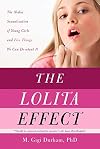
This book covers a wide trange of topics, including the gils gone wild culture, the sexualisation of very young girls and the social problems it all leads to. The author is supportive of girls having the space and freedom to develop their own sexuality, rather than having an idealised sexuality imposed on them by the media. The book demonstrates its case well, and provides a number of ways for trusted adults to open up these conversations with girls, but in the end the book just didn't set show more me on fire--it's good, but it's not great. show less
You May Also Like


Associated Authors
Statistics
- Works
- 5
- Also by
- 1
- Members
- 350
- Popularity
- #68,328
- Rating
- 3.6
- Reviews
- 7
- ISBNs
- 19
- Languages
- 1