
Jessica Valenti
Author of Full Frontal Feminism: A Young Woman's Guide to Why Feminism Matters
About the Author
Jessica Valenti is a columnist for The Guardian US and the author of numerous books including the national bestseller Full Frontal Feminism. In 2004 she founded the award-winning Feministing.com which Columbia Journalism review called "head and shoulders above almost any writing on women's issues show more in mainstream media." Her writing has appeared in the New York Times, Washington Post, The Nation, and Ms. She lives in Brooklyn with her family. show less
Works by Jessica Valenti
The Purity Myth: How America's Obsession with Virginity Is Hurting Young Women (2009) 824 copies, 28 reviews
Yes Means Yes!: Visions of Female Sexual Power and A World Without Rape (2008) — Editor — 638 copies, 12 reviews
He's a Stud, She's a Slut, and 49 Other Double Standards Every Woman Should Know (2008) 369 copies, 12 reviews
Why Have Kids? A New Mom Explores the Truth about Parenting and Happiness (2012) 169 copies, 12 reviews
Associated Works
Nasty Women: Feminism, Resistance, and Revolution in Trump's America (2017) — Contributor — 253 copies, 10 reviews
We Don't Need Another Wave: Dispatches from the Next Generation of Feminists (2006) — Contributor — 133 copies
The Good Mother Myth: Redefining Motherhood to Fit Reality (2013) — Contributor — 47 copies, 2 reviews
Whatever Gets You Through: Twelve Survivors on Life after Sexual Assault (2019) — Foreword — 25 copies, 2 reviews
The Purity Myth: The Virginity Movement's War Against Women [2011 film] (2011) — Narrator — 5 copies
Tagged
Common Knowledge
- Canonical name
- Valenti, Jessica
- Birthdate
- 1978-11-01
- Gender
- female
- Education
- Rutgers University (MA|Women's and Gender Studies)
- Occupations
- blogger
feminist writer
memoirist - Organizations
- Feministing (Founder)
- Nationality
- USA
- Places of residence
- Queens, New York, USA
Brooklyn, New York, USA - Associated Place (for map)
- New York, USA
Members
Reviews
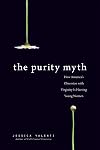
From my Cannonball Read V review, which was posted onto Pajiba!
This is a nearly impossible review to write, as this book is amazing, infuriating, and endlessly quotable. I like to write in my books (I know, the horror), underlining passages, commenting on paragraphs, dropping the occasional “the FUCK” in the margins, and fiendishly circling page numbers so I know which ones REALLY need to be remembered. In the case of this book, nearly every page has at least one passage underlined. And show more I was being conservative with my pen.
Jessica Valenti is a feminist who has spent much of her life spreading the (shockingly controversial) idea that women deserve social, political and economic equality. This doesn’t just mean that she supports the basics like, say, equal pay for equal work; it means she explores the real issues that affect women on a regular basis. She examines the systemic issues, the roots of discriminatory treatment, and makes connections that initially seem obtuse but, given her thorough research and excellent ability to connect the dots, become clear and obvious to anyone willing to think critically.
I read her book Full Frontal Feminism this fall, and plan to read Why Have Kids at some point this year. But this book has caused my blood pressure to rise so much that I think I need a palate cleanser to clear my mind of the absurdity of the anti-feminist movement.
As the subtitle of The Purity Myth suggests, Valenti’s book explores “how America’s obsession with virginity is hurting young women.” The overall thesis can be summed up pretty well with this quote:
“For the record: I think virginity is fine, just as I think having sex is fine. I don’t really care what women do sexually, and neither should you. In fact, that’s the point. I believe that a young woman’s decision to have sex, or not, shouldn’t impact how she’s seen as a moral actor.”
There is so much good in this book that I clearly won’t be able to do it justice. But I’m going to try to point out some of the things that make it so great. Valenti doesn’t (as some of her more ignorant critics claim) propose women go out and have a lot of sex. She doesn’t propose that women not have sex, either. Instead, she chooses to frame the discussion around why women are judged based on *not* having sex, while men are judged on other things. As she puts it in the first paragraph: “It’s time to teach our daughters that their ability to be good people depends on their being good people, not on whether or not they’re sexually active.”
Anyone who has attended high school in America can probably almost immediately bring to mind the image of a classmate who was a ‘slut,’ and, as such, not a ‘good’ person. I find it embarrassing to think back to how sexual activity was used as a proxy for determining the (negative) value of an entire human. It wasn’t always the case; not having had sex (at least at my high school) didn’t peg someone as good or bad, but there were definitely some people who were talked about.
Valenti focuses on all the different ways this idea of purity hurts women of all ages. Many of you are probably familiar with the Madonna / Whore dichotomy (possibly thanks to a scene from Sex and the City featuring Charlotte talking to Trey about her sexual needs); Valenti looks at the way it is reinforced on a regular basis through all sorts of different venues, and how that hurts all women. And if you think about it, it makes perfect sense: if my value is tied up in whether or not I still have an intact hymen, that implicitly means that nothing else I do matters. If all that I am good for is staying ‘pure’ for my future husband then there’s no need for me to access any other opportunities, like, say, a solid education or a career.
The first chapter in the book – and the one that disturbed the heck out of me – focuses on Purity Balls and virginity worship. These FEDERALLY FUNDED displays of paternal ownership reek of creepy incestuous relationships, but operate under the guise of helping young women to ‘save’ themselves, with their fathers promising to protect their virtue. Again, as though a girl’s virtue can be found between her legs and not in her brain.
From here, Valenti discusses many more related topics in fascinating and disgusting detail, including: the dangers of abstinence-only education; the racial and economic implications of the fact that some women are already seen as ‘spoiled’ by virtue of the way they look or the community in which they live; the misinformation spread by anti-feminist organizations; the way that purity is sexualized, contributing directly to the objectification of young women; and myriad other interconnected topics. From an exploration of how society has decided only certain women can be raped, to how this traditional understanding of purity leaves out many people from the get go (where do lesbians fit in, for example?), Valenti hits each topic directly, using straightforward language backed up by solid research and a whole lot of facts.
Some of the best writing is in the area of sexual assault. I dare you to read chapter five without either throwing the book at a wall or at least going to the liquor cabinet for a stiff drink because it is BLEAK.
But it is so important. I plan to gift this book (along with Full Frontal Feminism) to my nieces and nephews when they are old enough, because the information is important, and it isn’t just up to women to change these bizarre notions of a woman’s worth. While some readers may have tuned out at my first mention of feminism, consider picking it up – whether you are a woman or a man, this book will open your eyes and hopefully motivate you to action. show less
This is a nearly impossible review to write, as this book is amazing, infuriating, and endlessly quotable. I like to write in my books (I know, the horror), underlining passages, commenting on paragraphs, dropping the occasional “the FUCK” in the margins, and fiendishly circling page numbers so I know which ones REALLY need to be remembered. In the case of this book, nearly every page has at least one passage underlined. And show more I was being conservative with my pen.
Jessica Valenti is a feminist who has spent much of her life spreading the (shockingly controversial) idea that women deserve social, political and economic equality. This doesn’t just mean that she supports the basics like, say, equal pay for equal work; it means she explores the real issues that affect women on a regular basis. She examines the systemic issues, the roots of discriminatory treatment, and makes connections that initially seem obtuse but, given her thorough research and excellent ability to connect the dots, become clear and obvious to anyone willing to think critically.
I read her book Full Frontal Feminism this fall, and plan to read Why Have Kids at some point this year. But this book has caused my blood pressure to rise so much that I think I need a palate cleanser to clear my mind of the absurdity of the anti-feminist movement.
As the subtitle of The Purity Myth suggests, Valenti’s book explores “how America’s obsession with virginity is hurting young women.” The overall thesis can be summed up pretty well with this quote:
“For the record: I think virginity is fine, just as I think having sex is fine. I don’t really care what women do sexually, and neither should you. In fact, that’s the point. I believe that a young woman’s decision to have sex, or not, shouldn’t impact how she’s seen as a moral actor.”
There is so much good in this book that I clearly won’t be able to do it justice. But I’m going to try to point out some of the things that make it so great. Valenti doesn’t (as some of her more ignorant critics claim) propose women go out and have a lot of sex. She doesn’t propose that women not have sex, either. Instead, she chooses to frame the discussion around why women are judged based on *not* having sex, while men are judged on other things. As she puts it in the first paragraph: “It’s time to teach our daughters that their ability to be good people depends on their being good people, not on whether or not they’re sexually active.”
Anyone who has attended high school in America can probably almost immediately bring to mind the image of a classmate who was a ‘slut,’ and, as such, not a ‘good’ person. I find it embarrassing to think back to how sexual activity was used as a proxy for determining the (negative) value of an entire human. It wasn’t always the case; not having had sex (at least at my high school) didn’t peg someone as good or bad, but there were definitely some people who were talked about.
Valenti focuses on all the different ways this idea of purity hurts women of all ages. Many of you are probably familiar with the Madonna / Whore dichotomy (possibly thanks to a scene from Sex and the City featuring Charlotte talking to Trey about her sexual needs); Valenti looks at the way it is reinforced on a regular basis through all sorts of different venues, and how that hurts all women. And if you think about it, it makes perfect sense: if my value is tied up in whether or not I still have an intact hymen, that implicitly means that nothing else I do matters. If all that I am good for is staying ‘pure’ for my future husband then there’s no need for me to access any other opportunities, like, say, a solid education or a career.
The first chapter in the book – and the one that disturbed the heck out of me – focuses on Purity Balls and virginity worship. These FEDERALLY FUNDED displays of paternal ownership reek of creepy incestuous relationships, but operate under the guise of helping young women to ‘save’ themselves, with their fathers promising to protect their virtue. Again, as though a girl’s virtue can be found between her legs and not in her brain.
From here, Valenti discusses many more related topics in fascinating and disgusting detail, including: the dangers of abstinence-only education; the racial and economic implications of the fact that some women are already seen as ‘spoiled’ by virtue of the way they look or the community in which they live; the misinformation spread by anti-feminist organizations; the way that purity is sexualized, contributing directly to the objectification of young women; and myriad other interconnected topics. From an exploration of how society has decided only certain women can be raped, to how this traditional understanding of purity leaves out many people from the get go (where do lesbians fit in, for example?), Valenti hits each topic directly, using straightforward language backed up by solid research and a whole lot of facts.
Some of the best writing is in the area of sexual assault. I dare you to read chapter five without either throwing the book at a wall or at least going to the liquor cabinet for a stiff drink because it is BLEAK.
But it is so important. I plan to gift this book (along with Full Frontal Feminism) to my nieces and nephews when they are old enough, because the information is important, and it isn’t just up to women to change these bizarre notions of a woman’s worth. While some readers may have tuned out at my first mention of feminism, consider picking it up – whether you are a woman or a man, this book will open your eyes and hopefully motivate you to action. show less
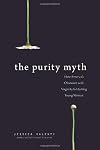
Wow, I don't really know how to talk about this book in a paragraph or so. I read it with a pencil in hand, and my copy is marked up throughout. I could quote huge passages, but I'll restrain myself. Basically, Valenti is trying to rupture our culture's dichotomy that a woman is either "pure" or a slut, or as she says, "it's time to teach our daughters that their ability to be good people depends on their being good people, not on whether or not they're sexually active."
The most interesting show more chapters were those on the fetishizing of youth and virginity, and how the porn industry and the purity advocates feed off each other. A little less interesting to me were the chapters on the draconian anti-women laws and practices in the US--though if I lived in the States I'd been incensed. So while this wasn't fully relevant to a non-US resident, there is enough cultural seepage that influences Canadians (and the rest of the western world), that I think this book was an important read. It certainly opened my eyes to some damaging attitudes, and helped me articulate some thoughts I hadn't quite found the words for. Highly recommended. show less
The most interesting show more chapters were those on the fetishizing of youth and virginity, and how the porn industry and the purity advocates feed off each other. A little less interesting to me were the chapters on the draconian anti-women laws and practices in the US--though if I lived in the States I'd been incensed. So while this wasn't fully relevant to a non-US resident, there is enough cultural seepage that influences Canadians (and the rest of the western world), that I think this book was an important read. It certainly opened my eyes to some damaging attitudes, and helped me articulate some thoughts I hadn't quite found the words for. Highly recommended. show less
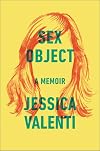
If you liked Roxanne Gay's Bad Feminist then you'll love this!
This book was great in that I found it to be quite humanising.
Valenti writes about growing up in an overtly sexualised world and the way that has shaped her and contributed to her attitudes and feminism.
This book does a great job in laying out why it is that feminists are often referred to as angry (and it's extremely easy to see why we are). Each chapter consists of various small acts of violence or trespass that Valenti has show more experienced and while they, and the way that she reacts to these situations are entirely unique to her - they aren't. They're horribly familiar.
I love that Valenti didn't shy away from all of her attitudes - whether or not they aligned with the perfect mystical "feminist" that we're often told we need to be to call ourselves feminist (yet another unattainable ideology that women must strive for - if that's not a resounding call for why feminism is still relevant then i honestly don't know what is). show less
This book was great in that I found it to be quite humanising.
Valenti writes about growing up in an overtly sexualised world and the way that has shaped her and contributed to her attitudes and feminism.
This book does a great job in laying out why it is that feminists are often referred to as angry (and it's extremely easy to see why we are). Each chapter consists of various small acts of violence or trespass that Valenti has show more experienced and while they, and the way that she reacts to these situations are entirely unique to her - they aren't. They're horribly familiar.
I love that Valenti didn't shy away from all of her attitudes - whether or not they aligned with the perfect mystical "feminist" that we're often told we need to be to call ourselves feminist (yet another unattainable ideology that women must strive for - if that's not a resounding call for why feminism is still relevant then i honestly don't know what is). show less
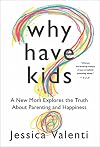
This short (167-page) book was written by a mom who was surprised at how difficult her parenting job was, in her case, made harder by having a fragile premature infant. She loves her child and being a mom. It was the right choice for her. But she decided to write about the other side, the realistic counterpoint to society's pressure—society’s whitewashing of the job.
Some quotes and paraphrases from the book:
Page 107: [We need to] prepare parents emotionally and put forward realistic show more images of parenthood and motherhood. [and] acknowledge that not everyone should parent – when parenting is a given, it’s not fully considered or thought out, and it gives way too easily to parental ambivalence and unhappiness. … “Nobody tells you the negatives before you get pregnant – they convince you it’s a wonderful idea and you’ll love it. I think it’s a secret shared among parents … they’re miserable so they want you to be too.”
Page 97: On a Secret Confessions website, many moms wrote of their depression, anxiety, and overwhelm. One exhausted mom wrote: “I love my son, but I hate being a mother. It has been a thankless, monotonous, exhausting, irritating and oppressive job. Motherhood feels like a prison sentence. I can’t wait until I am paroled when my son turns 18 and hopefully goes far away to college.”
Page 101: Child abuse rates in the United States are astounding, and we have the highest number of child abuse fatalities in the industrialized world. … a child dies from abuse or neglect in the U.S. every five hours. …in 2010, more than 3.6 million children were subjects of at least one report of child abuse. Over 1700 of those children were killed; the majority of them were murdered by one or both of their biological parents. The age that children are most likely to be abused? From birth to one year old.
My comment: Are these parents just “bad” people? Maybe a few are. But the statistic also reflects how difficult the job is and how little support new parents get in the U.S., especially those without money for paid help.
Page 95: In 2008, Nebraska decriminalized child abandonment with a “safe haven” law designed to address increased rates of infanticide in the state. Parents who felt unprepared to care for their babies could drop them off at a designated location. But the legislators failed to include an age limitation. When parents dropped off their kids, none of them were infants. Many were over thirteen, some between ten and twelve. One father dropped off his entire family – nine children from ages one to seventeen. One mother drove 1,200 miles to drop off her fourteen-year-old son.
Page 110: We’ve moved beyond simple social pressure to be the perfect mom. Today, if you fall short as a parent you can be arrested for it. (The author includes some horrific examples of moms going to jail for trivial matters.)
Page 112: A mom may soon be at risk even before she gives birth: In 2005, a Virginia lawmaker tried to pass a bill that would mandate women who had miscarriages to report it to the police within 12 hours or face up to a year in jail. In 2011, a bill proposed in Georgia required all miscarriages to be investigated by police to make sure they weren’t caused by any “human involvement.” In 2010, Utah legislators tried to pass a bill that would allow life sentences for women who have miscarriages after “reckless” behavior. When Texas enacted a prenatal protection law, a local district attorney sent a letter to every hospital in his jurisdiction demanding that they turn over their records on pregnant women.
My comment: Keep in mind that at least 10% of all pregnancies end in miscarriage, naturally, in the first trimester, likely due to genetic abnormalities in the fetus. How would the courts decide whether it was natural or “something she did wrong.” And don’t forget about maternal deaths -- the U.S. has the highest rate of maternal deaths among high-income nations.
Page 122: A study showed that parents [whether married, single, step, or empty nesters] “experience lower levels of emotional well-being, less frequent positive emotions and more frequent negative emotions than their childless peers.” This is a counterintuitive finding because of cultural beliefs that “children are the key to happiness and a healthy life, and they’re not.”
Page 127: American working women with children have the “second shift” at home – filled with child care, housework, and domestic responsibilities beyond their work outside the home. When women entered the workplace, their domestic responsibilities were not erased but simply moved to after-work hours. (Note: this only applies to middle-class women with the choice of staying home, as poor women have always had to work.)
Page 154: Nearly two decades of reliable research find working women consistently healthy – healthier, in fact, than homemakers.
Page 166: We need to raise our children as a community exercise. When we take the pressure off ourselves to be the one and only caregivers for our children, it will not only free us from the increasing loneliness of solitary caretaking, but also open a world of love and support to our children.
My comment: Daycare gets a bad rap. As a single adoptive mom, I had to work. My kids’ childcare center was a wonderful extended family with kids of all ages and skilled teachers who provided structure, limits, and lessons better than I could. It was a great community for them, much better than school. Plus, I can’t imagine staying home with them every day. My workplace was my refuge where I could recuperate before going back into the fray on evenings and weekends. (It’s no surprise that SuperNanny visits mostly stay-at-home moms! They’re totally frazzled!)
For some women, motherhood is the right choice. For me it was, though I waited till late in life when I had financial resources and a flexible job -- both essential for a single mom.
For those young women and men weighing their options, this book helps remove the rose-colored glasses before making this life-changing, irreversible decision.
Highly recommended! show less
Some quotes and paraphrases from the book:
Page 107: [We need to] prepare parents emotionally and put forward realistic show more images of parenthood and motherhood. [and] acknowledge that not everyone should parent – when parenting is a given, it’s not fully considered or thought out, and it gives way too easily to parental ambivalence and unhappiness. … “Nobody tells you the negatives before you get pregnant – they convince you it’s a wonderful idea and you’ll love it. I think it’s a secret shared among parents … they’re miserable so they want you to be too.”
Page 97: On a Secret Confessions website, many moms wrote of their depression, anxiety, and overwhelm. One exhausted mom wrote: “I love my son, but I hate being a mother. It has been a thankless, monotonous, exhausting, irritating and oppressive job. Motherhood feels like a prison sentence. I can’t wait until I am paroled when my son turns 18 and hopefully goes far away to college.”
Page 101: Child abuse rates in the United States are astounding, and we have the highest number of child abuse fatalities in the industrialized world. … a child dies from abuse or neglect in the U.S. every five hours. …in 2010, more than 3.6 million children were subjects of at least one report of child abuse. Over 1700 of those children were killed; the majority of them were murdered by one or both of their biological parents. The age that children are most likely to be abused? From birth to one year old.
My comment: Are these parents just “bad” people? Maybe a few are. But the statistic also reflects how difficult the job is and how little support new parents get in the U.S., especially those without money for paid help.
Page 95: In 2008, Nebraska decriminalized child abandonment with a “safe haven” law designed to address increased rates of infanticide in the state. Parents who felt unprepared to care for their babies could drop them off at a designated location. But the legislators failed to include an age limitation. When parents dropped off their kids, none of them were infants. Many were over thirteen, some between ten and twelve. One father dropped off his entire family – nine children from ages one to seventeen. One mother drove 1,200 miles to drop off her fourteen-year-old son.
Page 110: We’ve moved beyond simple social pressure to be the perfect mom. Today, if you fall short as a parent you can be arrested for it. (The author includes some horrific examples of moms going to jail for trivial matters.)
Page 112: A mom may soon be at risk even before she gives birth: In 2005, a Virginia lawmaker tried to pass a bill that would mandate women who had miscarriages to report it to the police within 12 hours or face up to a year in jail. In 2011, a bill proposed in Georgia required all miscarriages to be investigated by police to make sure they weren’t caused by any “human involvement.” In 2010, Utah legislators tried to pass a bill that would allow life sentences for women who have miscarriages after “reckless” behavior. When Texas enacted a prenatal protection law, a local district attorney sent a letter to every hospital in his jurisdiction demanding that they turn over their records on pregnant women.
My comment: Keep in mind that at least 10% of all pregnancies end in miscarriage, naturally, in the first trimester, likely due to genetic abnormalities in the fetus. How would the courts decide whether it was natural or “something she did wrong.” And don’t forget about maternal deaths -- the U.S. has the highest rate of maternal deaths among high-income nations.
Page 122: A study showed that parents [whether married, single, step, or empty nesters] “experience lower levels of emotional well-being, less frequent positive emotions and more frequent negative emotions than their childless peers.” This is a counterintuitive finding because of cultural beliefs that “children are the key to happiness and a healthy life, and they’re not.”
Page 127: American working women with children have the “second shift” at home – filled with child care, housework, and domestic responsibilities beyond their work outside the home. When women entered the workplace, their domestic responsibilities were not erased but simply moved to after-work hours. (Note: this only applies to middle-class women with the choice of staying home, as poor women have always had to work.)
Page 154: Nearly two decades of reliable research find working women consistently healthy – healthier, in fact, than homemakers.
Page 166: We need to raise our children as a community exercise. When we take the pressure off ourselves to be the one and only caregivers for our children, it will not only free us from the increasing loneliness of solitary caretaking, but also open a world of love and support to our children.
My comment: Daycare gets a bad rap. As a single adoptive mom, I had to work. My kids’ childcare center was a wonderful extended family with kids of all ages and skilled teachers who provided structure, limits, and lessons better than I could. It was a great community for them, much better than school. Plus, I can’t imagine staying home with them every day. My workplace was my refuge where I could recuperate before going back into the fray on evenings and weekends. (It’s no surprise that SuperNanny visits mostly stay-at-home moms! They’re totally frazzled!)
For some women, motherhood is the right choice. For me it was, though I waited till late in life when I had financial resources and a flexible job -- both essential for a single mom.
For those young women and men weighing their options, this book helps remove the rose-colored glasses before making this life-changing, irreversible decision.
Highly recommended! show less
Lists
Awards


You May Also Like


Associated Authors
Statistics
- Works
- 8
- Also by
- 6
- Members
- 3,606
- Popularity
- #7,020
- Rating
- 3.8
- Reviews
- 101
- ISBNs
- 46
- Languages
- 2
- Favorited
- 9