

Victor-Antoine d'Avila-Latourrette (1940–2023)
Author of Twelve Months of Monastery Soups
About the Author
Br. Victor-Antoine d'Avila-Latourrette is the author of Twelve Months of Monastery Soups and a line of monastery cookbooks that have sold millions of copies worldwide. A Rhythm of Life: The Monastic Way won a Catholic Press Award in 2013. His long experience under the Rule of St. Benedict makes him show more a trusted guide to the historic, monastic, and mystical manifestations of Christ. show less
Image credit: Jim McKnight (AP)
Works by Victor-Antoine d'Avila-Latourrette
Tagged
Common Knowledge
- Canonical name
- d'Avila-Latourrette, Victor-Antoine
- Birthdate
- 1940
- Date of death
- 2023-02
- Gender
- male
- Education
- Columbia University (MA|Psychology)
- Occupations
- Benedictine Monk (Roman Catholic)
cookbook author
vinegar maker - Organizations
- Our Lady of the Resurrection Monastery
- Awards and honors
- Catholic Press Award (2013)
- Short biography
- Brother VICTOR-ANTOINE D'AVILA-LATOURRETTE cooks and tends garden at Our Lady of the Resurrection Monastery near Millbrook, New York. He's the author of several bestselling cookbooks
- Nationality
- France (birth)
USA - Birthplace
- Lées-Athas, Pyrénées-Atlantiques, France
- Places of residence
- Our Lady of the Resurrection, Lagrangeville, New York, USA
- Place of death
- Rhinebeck, New York, USA
- Associated Place (for map)
- New York, USA
Members
Reviews
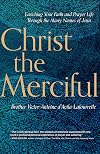
Brother Victor-Antoine d'Avila-Latourrette is well known for his cookbooks including Twelve Months of Monastery Cookbooks. But he isn't just a monastery chef, he is a Benedictine monk well versed in the Rule's rhythm of work and prayer and the Great Tradition. In Christ the Merciful he skillfully weaves biblical, liturgical, monastic, ecclesiastical and patristic sources together, providing forty-seven mediations on the many names of Jesus (not all are names, but titles, or modes of show more addressing and understanding Christ's significance). Brother Victor contends, "When we meditate on his names, Christ inspires us to revise our expectations of him. He invites us to move beyond our self-centered ideas of who we think he should be and focus instead on his ever-changing, ever-renewed presence in our lives" (introduction, ix).
These names for Christ are derived both from biblical source material and centuries of Christian reflection on who Christ is for us. While Br. Victor is firmly rooted in his own Benedictine tradition he draws generously on the insights of the ancient church and Eastern Orthodoxy.
Christ's names are organized into five sections. In Part I, Brother Victor reflects on 'Christ in Images, Names and Symbols' Here, Br. Victor explores Christ's divine and messianic titles—what it means to call Christ, God, the prophets' fulfillment, the Messiah, the Incarnate One, Our Emmanuel, the Prince of Peace, the Lamb of God, Lord, Son of the Living God, Good Shepherd, Door and Keeper of the Gate. Part II explores Christ in the gospel tradition, tracing the life of Jesus from Messianic hope and his Bethlehem birth, through His life, death, resurrection and ascension.
Part III describes some of the titles of Christ in the Byzantine (Eastern) tradition such as Christ the Pantakrator, And Christ the Philanthropos (Lover of Mankind). Part IV delves into the place of Christ in the Monastic tradition, (including the Jesus prayer and the role of Christ in a monk's daily life and devotion). Part V explores Christ in the Human Family (Jesus the child of Mary and Joseph and his relationship to us, the poor, the angels and saints, and the Wisdom of God). At the end of the book Br. Victor has three appendixes exploring the prayers and mystical traditions of Syria, Russia and Romania, respectively.
Each of the meditations in this volume begins with relevant scripture passages, several pages of reflections from Br. Victor, and they usually close with a poetic prayer from a saint, a liturgy, or other writings from the Church's rich theological tradition. Given the breadth of images and names and the thoughtful coherence of whole book, means that it is impossible to read through these meditations without enlarging your understanding of God's grandeur revealed in Christ. Christians of all stripes (Catholic, Orthodox or low-roving Protestants) will find these reflections Christ centered and worshipful.
This isn't to say that Br. Victor is exhaustive in his reflections on Christ's many names. He doesn't reflect on a couple of my favorite of Christ's biblical titles, "Friend of Tax Collectors and Sinners (Luke 7:34), Great Physician (Luke 5:31), or Christ our Brother (Hebrews 2:11). His discussion of Jesus as Lord is apolitical, emphasizing the spiritual meaning but not Christ's challenge to empire (as N.T. Wright reminds us, to say Jesus is Lord is to say Caesar is not). These omissions do not diminish Br. Victor's fine prose. Christ is bigger than any of our reflections and all of us see now in part.
Because of the length of this book (forty-seven chapters) and its Christological focus, this would be a wonderful book to read throughout the season of Lent. Though it could really be read at anytime, by those who are interested in contemplating the Christ and live their life in Him. I give this four stars
Note: I received a copy of this book from Paraclete Press in exchange for my honest review. show less
These names for Christ are derived both from biblical source material and centuries of Christian reflection on who Christ is for us. While Br. Victor is firmly rooted in his own Benedictine tradition he draws generously on the insights of the ancient church and Eastern Orthodoxy.
Christ's names are organized into five sections. In Part I, Brother Victor reflects on 'Christ in Images, Names and Symbols' Here, Br. Victor explores Christ's divine and messianic titles—what it means to call Christ, God, the prophets' fulfillment, the Messiah, the Incarnate One, Our Emmanuel, the Prince of Peace, the Lamb of God, Lord, Son of the Living God, Good Shepherd, Door and Keeper of the Gate. Part II explores Christ in the gospel tradition, tracing the life of Jesus from Messianic hope and his Bethlehem birth, through His life, death, resurrection and ascension.
Part III describes some of the titles of Christ in the Byzantine (Eastern) tradition such as Christ the Pantakrator, And Christ the Philanthropos (Lover of Mankind). Part IV delves into the place of Christ in the Monastic tradition, (including the Jesus prayer and the role of Christ in a monk's daily life and devotion). Part V explores Christ in the Human Family (Jesus the child of Mary and Joseph and his relationship to us, the poor, the angels and saints, and the Wisdom of God). At the end of the book Br. Victor has three appendixes exploring the prayers and mystical traditions of Syria, Russia and Romania, respectively.
Each of the meditations in this volume begins with relevant scripture passages, several pages of reflections from Br. Victor, and they usually close with a poetic prayer from a saint, a liturgy, or other writings from the Church's rich theological tradition. Given the breadth of images and names and the thoughtful coherence of whole book, means that it is impossible to read through these meditations without enlarging your understanding of God's grandeur revealed in Christ. Christians of all stripes (Catholic, Orthodox or low-roving Protestants) will find these reflections Christ centered and worshipful.
This isn't to say that Br. Victor is exhaustive in his reflections on Christ's many names. He doesn't reflect on a couple of my favorite of Christ's biblical titles, "Friend of Tax Collectors and Sinners (Luke 7:34), Great Physician (Luke 5:31), or Christ our Brother (Hebrews 2:11). His discussion of Jesus as Lord is apolitical, emphasizing the spiritual meaning but not Christ's challenge to empire (as N.T. Wright reminds us, to say Jesus is Lord is to say Caesar is not). These omissions do not diminish Br. Victor's fine prose. Christ is bigger than any of our reflections and all of us see now in part.
Because of the length of this book (forty-seven chapters) and its Christological focus, this would be a wonderful book to read throughout the season of Lent. Though it could really be read at anytime, by those who are interested in contemplating the Christ and live their life in Him. I give this four stars
Note: I received a copy of this book from Paraclete Press in exchange for my honest review. show less
The monastery garden cookbook : farm-fresh recipes for the home cook by Victor-Antoine d'Avila-Latourrette

While browsing the new book shelf at our public library, I stumbled across this cookbook. The introduction told about monastery gardens and specified that the book showed the use of vegetables (and fruits) and did not include meats. The way a statement was worded in the introduction, I thought the meat ban extended to meats, but since a couple of recipes included tuna, it must not have. The star vegetable ingredient is arranged alphabetically from artichokes to zucchini. Each vegetable (or show more vegetable grouping) has an introductory text which discusses the history and use of the vegetable. Some recipes have further explanations such as a description of the Saint for whom the dish was written. Some vegetables are grouped together. For example, cabbages, broccoli, brussel sprouts, and cauliflower are all grouped under cabbages because they are members of the same family, but I doubt that most persons would not think to look under cabbages for them. Fortunately, they all follow beets alphabetically so the placement would be the same. Most of the recipes are characterized by a simplicity that one would expect from a monastery, but they definitely would give taste to the dishes. The use of various cheeses such as parmesan or stilton enhances the flavor of many dishes. I found very few recipes that I would actually want to try that were not similar to dishes that are already in my cooking repertoire. I would have appreciated photographs of prepared dishes although I did enjoy the line drawings which often had almost nothing to do with the recipe at hand. This book will probably be most appreciated by those who primarily eat vegetables and fruits. show less
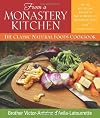
Monastic cookery, as it has been practiced through the centuries, is cherished for its emphasis on simplicity, wholesome frugality, basic good taste, and the seasonal rhythms of ingredients used. Healthy eaters, practical cooks, cookbook collectors, and recipe readers will treasure this edition of this classic cookbook containing more than 125 recipes, arranged seasonally.
From a Monastery Kitchen: A Practical Cookbook of Vegetarian Recipes for the Four Seasons Complete from Soups to Dessert by Victor-Antoine d'Avila-Latourrette

Awesome book with great, simple recipes. I especially like the way it follows the seasons. And I love the quotes, poems, and pictures that surround the recipes.
You May Also Like


Statistics
- Works
- 23
- Members
- 1,384
- Popularity
- #18,576
- Rating
- 4.1
- Reviews
- 13
- ISBNs
- 53
- Languages
- 4