
Robin Slick
Author of Three Days in New York City
Works by Robin Slick
Tagged
Common Knowledge
There is no Common Knowledge data for this author yet. You can help.
Members
Reviews
I thoroughly enjoyed this book. It’s about a couple of recently retired baby boomers and their adult child. I could relate to almost all of it.
Some other reviews objected to the liberal leanings of the family; to me that’s who they are. Also, since 2017, Trump’s first term, when this story is taking place, to ignore political leanings would not feel real. The politics is not “in your face” but feels necessary to explain the characters and give them depth.
Some other reviews objected to the liberal leanings of the family; to me that’s who they are. Also, since 2017, Trump’s first term, when this story is taking place, to ignore political leanings would not feel real. The politics is not “in your face” but feels necessary to explain the characters and give them depth.
 This review was written for LibraryThing Early Reviewers.
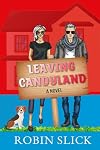
Joey and Linda, former hippies, are now retired. They have one daughter, Jasmine. She is very a successful chef, having cooked with her dad from quite an early age and continued on to culinary school. They now live on different coasts, much to Linda’s dismay. Joey says he will never give up Candyland, the house they bought more than forty years ago, so relocating to Seattle to be by Jazz seems like a pipe dream. Joey and Linda are still very much in love. They have few friends, having lost show more touch with all but one couple from past years. They still smoke an occasional joint, enjoy a good glass of wine, and indulge in Joey’s cooking. But they are looking at becoming senior citizens, and it scares Linda, especially when an issue with her health arises. But as they cope with life as the years move on, it’s too soon to relegate them to rocking chairs. This novel is quite entertaining. The characters are likable, if a bit unusual. The writing is good, and the plot is interesting. Joey and Linda must figure out what is important to them, and more importantly, what is important to Jazz. Will she really want forty years of her parent's mementos? Humor is sprinkled throughout the tale. Retired baby boomers will likely identify with some of the problems faced by our protagonist couple. My only objection to the story are political comments that were included but added nothing to the plot. Also, the printed book I read was a first edition, not an uncorrected ARC, but it contained many typos and other errors. show less
This review was written for LibraryThing Early Reviewers.Leaving Candyland, Robin Slick, author
The characters in this book seemed to be children of the 60’s era. It was a time of great change, Woodstock, folk music, rock and roll, free love, horrific assassinations, the cold war, the Vietnam War, drugs and riots. Those of us brought up during that time period know it was tumultuous. This book is about two couples that seemed to be of that era. One is now facing retirement with trepidation wondering if this is all there is and if they can afford show more to even live. The other is facing it as if it is a time to simply veg out knowing it is all there is, so relax and enjoy it. One is childless and the other has one child. Neither are independently wealthy, and so both are facing life in a similar fashion. The book is about how they choose to deal with their final days as they face retirement and their sudden loss of the idea of a future.
When I read the description of this book, I was really looking forward to reading it, assuming that since I am retired, I would identify with a lot of it and would lose myself in many a nostalgic moment of laughter and/or tears. Instead, I found that it was about retirees that were barely like me and my husband, except for the closeness of family that Linda and Joey enjoyed.
The book is geared to readers who are more into the woke or liberal lifestyle. The values of the characters were sharply different than mine. I am not into weed/marijuana or alcohol for that matter. I am not addicted to any television shows. I am not a vegetarian or a Trump hater. I don’t prefer blue states to red states; I like all people in all states. I don’t resent rich people or think my friends are boring. My friends have a broad spectrum of likes and backgrounds. So, I did not really identify with any of the characters, male or female, since they seemed either too set in their ways or too unrealistic about possible future lifestyles. They seemed a bit like caricatures of retirees rather than actual retirees. In some ways, Linda seemed like Pollyanna until life forced her to “get real” about it, but she was generally placid about life. Marcy was the opposite. She was more serious, but she had secrets. After so many years, why didn’t they know each other better?
Although there was an obvious left-wing emphasis, with right-wing animosity, I was determined not to let the author’s political angst deter me from enjoying the book if there was humor in it and a walk down memory lane that I might enjoy. I am sorry to say that I was disappointed. Perhaps my background was too different. All retirees are playing by the same rules, meaning the future is limited by time constraints, but not by desire or passion for life. We all have to find another direction that is fulfilling. We don’t want to become couch potatoes waiting for the final moment. The answer to the question “is this all there is?”, is no, it isn’t all there is, but we have to create the recipe that will guide us into our new vision of the future. It may not be long-term, but it can be fun! In that regard, the main characters and their profession were perfect! Chefs create new offerings every day and retirees have to do the same thing, though not every day. Retirees just need a plan that can take them forward every day!
I thought the book had great potential. It honed in on the main idea facing everyone as they age out. Yes, our time is limited. Yes, we may develop health changes and financial challenges. The prospects for the future are limited by our ability to see them through and adapt. Discovering what is important is paramount as is continuing to dream about doing and discovering new things. While we are no longer working, it doesn’t mean we are no longer valued.
This book is a quick read. It is perfect for a beach, a long plane flight or a lazy vacation. Anyone in the 60ish age group will probably identify with the mindset of the two main female characters, Linda and Marcy. For some, the things that are important will be family, for others it will be hobbies, and for still others it will be a need for total change. Those ideas really came through in the book and it was often humorous, but it was not “laugh out loud” humor. It was more humor of a thoughtful nature.
After reading it, I wondered why any author would want to alienate half the possible audience by inserting politics into the narrative, by slinging negative barbs at the President of the United States. Many of the readers may have voted for the person and prefer him and their own way of life which is different than the author’s. I also questioned what I found was an undercurrent of antisemitism, since anytime anything pertaining to Jews was mentioned, it seemed to be presented in negative ways with certain character traits. Marcy was unfaithful and she was loud, sometimes embarrassing Linda. Ric and Natalia were rich, entitled people. Their redeeming feature was their wish to value and hold onto the past. I hope the stereotypes were accidental.
The book emphasized that wherever one goes, you take yourself with you, so if you are unhappy, you will take that with you too. If you want change, you have to change too. I am not sure that leaving Candyland guarantees a new beginning, leaving irresponsibility and childhood behind or if going to Candyland guarantees childhood’s joy with the avoidance of some responsibility. Candyland, however, was a happy place to live. Also, I thought that the book painted a negative picture of the baby boomers. They seemed selfish, irresponsible and a little unwilling to grow up. It did, however, show that there is life after Candyland. show less
The characters in this book seemed to be children of the 60’s era. It was a time of great change, Woodstock, folk music, rock and roll, free love, horrific assassinations, the cold war, the Vietnam War, drugs and riots. Those of us brought up during that time period know it was tumultuous. This book is about two couples that seemed to be of that era. One is now facing retirement with trepidation wondering if this is all there is and if they can afford show more to even live. The other is facing it as if it is a time to simply veg out knowing it is all there is, so relax and enjoy it. One is childless and the other has one child. Neither are independently wealthy, and so both are facing life in a similar fashion. The book is about how they choose to deal with their final days as they face retirement and their sudden loss of the idea of a future.
When I read the description of this book, I was really looking forward to reading it, assuming that since I am retired, I would identify with a lot of it and would lose myself in many a nostalgic moment of laughter and/or tears. Instead, I found that it was about retirees that were barely like me and my husband, except for the closeness of family that Linda and Joey enjoyed.
The book is geared to readers who are more into the woke or liberal lifestyle. The values of the characters were sharply different than mine. I am not into weed/marijuana or alcohol for that matter. I am not addicted to any television shows. I am not a vegetarian or a Trump hater. I don’t prefer blue states to red states; I like all people in all states. I don’t resent rich people or think my friends are boring. My friends have a broad spectrum of likes and backgrounds. So, I did not really identify with any of the characters, male or female, since they seemed either too set in their ways or too unrealistic about possible future lifestyles. They seemed a bit like caricatures of retirees rather than actual retirees. In some ways, Linda seemed like Pollyanna until life forced her to “get real” about it, but she was generally placid about life. Marcy was the opposite. She was more serious, but she had secrets. After so many years, why didn’t they know each other better?
Although there was an obvious left-wing emphasis, with right-wing animosity, I was determined not to let the author’s political angst deter me from enjoying the book if there was humor in it and a walk down memory lane that I might enjoy. I am sorry to say that I was disappointed. Perhaps my background was too different. All retirees are playing by the same rules, meaning the future is limited by time constraints, but not by desire or passion for life. We all have to find another direction that is fulfilling. We don’t want to become couch potatoes waiting for the final moment. The answer to the question “is this all there is?”, is no, it isn’t all there is, but we have to create the recipe that will guide us into our new vision of the future. It may not be long-term, but it can be fun! In that regard, the main characters and their profession were perfect! Chefs create new offerings every day and retirees have to do the same thing, though not every day. Retirees just need a plan that can take them forward every day!
I thought the book had great potential. It honed in on the main idea facing everyone as they age out. Yes, our time is limited. Yes, we may develop health changes and financial challenges. The prospects for the future are limited by our ability to see them through and adapt. Discovering what is important is paramount as is continuing to dream about doing and discovering new things. While we are no longer working, it doesn’t mean we are no longer valued.
This book is a quick read. It is perfect for a beach, a long plane flight or a lazy vacation. Anyone in the 60ish age group will probably identify with the mindset of the two main female characters, Linda and Marcy. For some, the things that are important will be family, for others it will be hobbies, and for still others it will be a need for total change. Those ideas really came through in the book and it was often humorous, but it was not “laugh out loud” humor. It was more humor of a thoughtful nature.
After reading it, I wondered why any author would want to alienate half the possible audience by inserting politics into the narrative, by slinging negative barbs at the President of the United States. Many of the readers may have voted for the person and prefer him and their own way of life which is different than the author’s. I also questioned what I found was an undercurrent of antisemitism, since anytime anything pertaining to Jews was mentioned, it seemed to be presented in negative ways with certain character traits. Marcy was unfaithful and she was loud, sometimes embarrassing Linda. Ric and Natalia were rich, entitled people. Their redeeming feature was their wish to value and hold onto the past. I hope the stereotypes were accidental.
The book emphasized that wherever one goes, you take yourself with you, so if you are unhappy, you will take that with you too. If you want change, you have to change too. I am not sure that leaving Candyland guarantees a new beginning, leaving irresponsibility and childhood behind or if going to Candyland guarantees childhood’s joy with the avoidance of some responsibility. Candyland, however, was a happy place to live. Also, I thought that the book painted a negative picture of the baby boomers. They seemed selfish, irresponsible and a little unwilling to grow up. It did, however, show that there is life after Candyland. show less
This review was written for LibraryThing Early Reviewers.
Passing for “thirty-seven in candlelight” Annie is chaperoning her two children on a country-wide tour with the Phil Klein School of Rock. From Pennsylvania this isn’t really her world. But it was. Once.
Annie spent a lot of time when she was seventeen with her dad. Who dealt coke to any and everyone. He was a drugged-out jazz musician from the beginning who didn’t want to be a father, much less a husband. Separated from Annie’s mom, she was sent to NYC to live with him as a show more wake-up call – and to get her away from Johnny who has suddenly become her soul-mate. Unfortunately, it didn’t work. Daddy was dealing to GOD (aka Mick Saunders) and he was Annie’s hero/savior/lust bunny.
When Annie goes to help Dad deliver, she stays with God. And then stays for months until her mother becomes ill and she has to return home to care for her and to confront John. Mick was off on tour and it’s been twenty years since they have spoken.
The Phil Klein kids are his opening act and they rock! This story does as well with Annie torn between being a wife and mother vs Annie the Ultimate Groupie with Mick. The problems of babysitting teenagers a long way away from their parents arise and we doubt Mick and Annie will ever be able to pull off their reunion. And John, who Annie did marry, keeps calling. What to do?
What YOU should do is get this book immediately as the plot is great, the characters interact so well and even Phil the jerk gets page time. Plus, you’ve gotta reminisce about the music! Trust me, you’ll love it! show less
Annie spent a lot of time when she was seventeen with her dad. Who dealt coke to any and everyone. He was a drugged-out jazz musician from the beginning who didn’t want to be a father, much less a husband. Separated from Annie’s mom, she was sent to NYC to live with him as a show more wake-up call – and to get her away from Johnny who has suddenly become her soul-mate. Unfortunately, it didn’t work. Daddy was dealing to GOD (aka Mick Saunders) and he was Annie’s hero/savior/lust bunny.
When Annie goes to help Dad deliver, she stays with God. And then stays for months until her mother becomes ill and she has to return home to care for her and to confront John. Mick was off on tour and it’s been twenty years since they have spoken.
The Phil Klein kids are his opening act and they rock! This story does as well with Annie torn between being a wife and mother vs Annie the Ultimate Groupie with Mick. The problems of babysitting teenagers a long way away from their parents arise and we doubt Mick and Annie will ever be able to pull off their reunion. And John, who Annie did marry, keeps calling. What to do?
What YOU should do is get this book immediately as the plot is great, the characters interact so well and even Phil the jerk gets page time. Plus, you’ve gotta reminisce about the music! Trust me, you’ll love it! show less
You May Also Like
Associated Authors
Statistics
- Works
- 6
- Members
- 34
- Popularity
- #413,652
- Rating
- 4.0
- Reviews
- 7
- ISBNs
- 8
