
Andrew R. L. Cayton
Author of The Dominion of War: Empire and Liberty in North America, 1500-2000
About the Author
Andrew R. L. Cayton is a Distinguished Professor at Miami University in Oxford, Ohio.
Works by Andrew R. L. Cayton
Contact Points: American Frontiers from the Mohawk Valley to the Mississippi, 1750-1830 (1998) — Editor; Contributor — 48 copies
Tagged
Common Knowledge
- Canonical name
- Cayton, Andrew R. L.
- Legal name
- Cayton, Andrew Robert Lee
- Birthdate
- 1954-05-09
- Gender
- male
- Education
- University of Virginia (BA|1976)
Brown University (MA|1977)
Brown University (PhD|1981) - Organizations
- American Historical Association
Organization of American Historians
Society for Historians of the Early Republic
Indiana Historical Society
Ohio Historical Society - Nationality
- USA
- Birthplace
- Cincinnati, Ohio, USA
- Places of residence
- Oxford, Ohio, USA
- Associated Place (for map)
- Ohio, USA
Members
Reviews
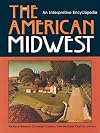
Although an encyclopedia usually isn't the type of book you would read cover-to-cover, I'm tempted with this one. (Since this book has almost 1900 pages, it will take a while!) This single-volume encyclopedia includes articles about many facets of Midwestern history and culture. The categorical arrangement of the articles lends itself to extended browsing.
As a life-long reader, I naturally gravitated to the section on literature first. The organization of this section is typical of the rest show more of the encyclopedia. It starts with an overview of Midwestern literature, followed by essays on various types and aspects of literature: African American, children's, crime fiction, drama, ethnic, rural, small-town, urban, Native American, nonfiction, poetry, and print cultures. The section concludes with brief articles on major writers from the Midwest, beginning with Mark Twain and ending with Sandra Cisneros.
I was born and raised in the south, but both of my parents are from the Midwest. Most of my extended family lives in the Midwest. I've spent a lot of time in Midwestern states over the years. I've learned a lot about the history of several Midwestern states through years of family history research. My memories and perceptions of the Midwest are captured in every page of this encyclopedia. Little Egypt, Indiana high school basketball, John Deere tractors, the Limberlost, Hoosiers, Buckeyes, James Whitcomb Riley, Carl Sandburg, Abraham Lincoln, quilting, Amish country, Frank Lloyd Wright, Hoagy Carmichael, McGuffey readers, corn, Cincinnati, Indianapolis, St. Louis, car manufacturing, the Ohio River, the National Road, the interurban, Cleveland Clinic, Wendell Willkie, George Rogers Clark -- it's all there. The only major omission I could find is an article on migrant labor. Migrant workers are mentioned in several articles, but this topic doesn't get its own article. I had to look in several places in the index before I finally found the topic listed under "agriculture: ethnicity".
Since each entry includes bibliographic references for further reading, this would be a good starting point for research on a variety of topics, including agriculture, literature, architecture, religion and denominational history, linguistics, immigration, and American history (particularly 19th century). This book belongs in every academic, public, and high school library in the Midwest. Family historians with Midwestern roots would profit from ready access to this work if your budget allows and you have the shelf space for such a hefty volume. (Putting it on your holiday or birthday wish list might work -- it did for me!) Highly recommended! show less
As a life-long reader, I naturally gravitated to the section on literature first. The organization of this section is typical of the rest show more of the encyclopedia. It starts with an overview of Midwestern literature, followed by essays on various types and aspects of literature: African American, children's, crime fiction, drama, ethnic, rural, small-town, urban, Native American, nonfiction, poetry, and print cultures. The section concludes with brief articles on major writers from the Midwest, beginning with Mark Twain and ending with Sandra Cisneros.
I was born and raised in the south, but both of my parents are from the Midwest. Most of my extended family lives in the Midwest. I've spent a lot of time in Midwestern states over the years. I've learned a lot about the history of several Midwestern states through years of family history research. My memories and perceptions of the Midwest are captured in every page of this encyclopedia. Little Egypt, Indiana high school basketball, John Deere tractors, the Limberlost, Hoosiers, Buckeyes, James Whitcomb Riley, Carl Sandburg, Abraham Lincoln, quilting, Amish country, Frank Lloyd Wright, Hoagy Carmichael, McGuffey readers, corn, Cincinnati, Indianapolis, St. Louis, car manufacturing, the Ohio River, the National Road, the interurban, Cleveland Clinic, Wendell Willkie, George Rogers Clark -- it's all there. The only major omission I could find is an article on migrant labor. Migrant workers are mentioned in several articles, but this topic doesn't get its own article. I had to look in several places in the index before I finally found the topic listed under "agriculture: ethnicity".
Since each entry includes bibliographic references for further reading, this would be a good starting point for research on a variety of topics, including agriculture, literature, architecture, religion and denominational history, linguistics, immigration, and American history (particularly 19th century). This book belongs in every academic, public, and high school library in the Midwest. Family historians with Midwestern roots would profit from ready access to this work if your budget allows and you have the shelf space for such a hefty volume. (Putting it on your holiday or birthday wish list might work -- it did for me!) Highly recommended! show less
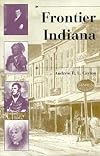
An accomplished blend of history and genealogy, by far the best of this IU Press series. In Frontier Indiana Cayton tells the surprisingly riveting story of the century before Indiana became a state in 1816. It's largely a story of the wars that sprang up repeatedly because nobody could establish firm control of the Wabash River valley. Cayton's individual stories feature trader George Croghan; the village of Vincennes; Kentucky adventurer George Rogers Clark; military men including Josiah show more Harmar, John Francis Hamtramck, Little Turtle, and Tenskatawa; Anna Tuthill Symmes Harrison, wife of territorial governor and future president William Henry Harrison; and territorial politician Jonathan Jennings. show less
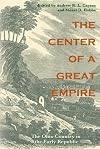
This collection of essays dealing with the social history of Ohio in the Early Republic is most useful for its afterward considering what problems future research might address. Apart from that there is a general thread in the essays emphasizing the social elements of politics, and how Ohio was a "green fields" opportunity for an unfettered expression of the values of 18th century America.
Superb. Fred Anderson is my favorite American historian.
Lists
Awards

You May Also Like


Associated Authors
Statistics
- Works
- 12
- Members
- 614
- Popularity
- #40,945
- Rating
- 3.9
- Reviews
- 5
- ISBNs
- 54
- Favorited
- 1