
Andrew Larsen
Author of A Squiggly Story
About the Author
Image credit: kidscanpress.com
Works by Andrew Larsen
Gifts from the Garbage Truck: A True Story About the Things We (Don't) Throw Away (2024) 51 copies, 3 reviews
Tagged
Common Knowledge
- Birthdate
- 1960
- Gender
- male
- Occupations
- children's book author
- Nationality
- Canada
- Birthplace
- Montréal, Québec, Canada
- Places of residence
- Ottawa, Ontario, Canada
London, England, UK
Toronto, Ontario, Canada - Associated Place (for map)
- Canada
Members
Reviews
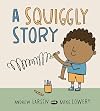
A little boy watches his sister read and write and then imitates her by making squiggles and doodles. She gently encourages him to turn these into a story - an I begins it, then a circle becomes a soccer ball, dots become sand on the beach, and v's are the waves. The story continues until he gets stuck and takes it to school, where he lots of ideas for continuing his story!
This was shortlisted for the CLEL awards and it absolutely drips with early literacy ideas! I loved the emphasis on show more early writing skills, how the little boy wasn't pushed to do "real letters" but gently encouraged to use his imagination with his (developmentally appropriate!) current skills. In fact, if you wanted a manual for including the writing aspect of early literacy in storytimes and art programs, this is it! Lowery's cheerful images show a biracial family and a supportive, diverse classroom as well as supporting the text that brings the little boy's doodles to life.
Verdict: A great choice to support writing and imagination in preschool storytimes and in classrooms. Highly recommended.
ISBN: 9781771380164 ; Published 2016 by Kids Can Press; Borrowed from another library in my consortium; Purchased for the library show less
This was shortlisted for the CLEL awards and it absolutely drips with early literacy ideas! I loved the emphasis on show more early writing skills, how the little boy wasn't pushed to do "real letters" but gently encouraged to use his imagination with his (developmentally appropriate!) current skills. In fact, if you wanted a manual for including the writing aspect of early literacy in storytimes and art programs, this is it! Lowery's cheerful images show a biracial family and a supportive, diverse classroom as well as supporting the text that brings the little boy's doodles to life.
Verdict: A great choice to support writing and imagination in preschool storytimes and in classrooms. Highly recommended.
ISBN: 9781771380164 ; Published 2016 by Kids Can Press; Borrowed from another library in my consortium; Purchased for the library show less
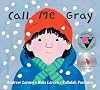
As they set up an ice rink in their backyard, a kid tells their father, "I look like a boy but sometimes I feel more like a girl." Dad responds well and does his best to call the child by their new chosen name, Gray (the old name "feels like an itchy sweater"). A sweet winter story of family traditions, identity, and brave communication.
Stonewall honor
Stonewall honor
Aqueer child comes out amid a family tradition.
Every winter, Gray and Dad build an ice rink together. But this year, something feels different. As the duo work side by side, the young protagonist shares feelings of hurt and confusion stemming from an incident at school, when best friend Zena didn’t invite Gray to her “girls only” sleepover. Gray delicately guides the conversation, asking if Dad ever feels “mixed up about who you are” or “different than the way you look.” When show more neither question gets the answer Gray hoped for, the child takes the direct approach: “I look like a boy but sometimes I feel more like a girl.” Gray continues to open up as Dad listens. Though the two adhere to beloved traditions—like enjoying soothing hot chocolate after their first skate of the year—the child feels empowered to make a big change: asking to go by a new name. Fontaine’s gouache artwork sweetly homes in on key moments in this gentle, slice-of-life tale; close-ups on Gray’s face capture the child’s thoughts and emotions. The slow, methodical activity of building the ice rink provides an ideal framework for this difficult conversation. A welcome counterpoint to less-accepting masculine figures, Dad may not always know the right thing to say, but he’s clearly a supportive presence who’s trying his best. Both characters are pale-skinned and dark-haired.
Warmly and quietly affirming; young queer readers will feel seen. (Picture book. 4-8)
-Kirkus Review show less
Every winter, Gray and Dad build an ice rink together. But this year, something feels different. As the duo work side by side, the young protagonist shares feelings of hurt and confusion stemming from an incident at school, when best friend Zena didn’t invite Gray to her “girls only” sleepover. Gray delicately guides the conversation, asking if Dad ever feels “mixed up about who you are” or “different than the way you look.” When show more neither question gets the answer Gray hoped for, the child takes the direct approach: “I look like a boy but sometimes I feel more like a girl.” Gray continues to open up as Dad listens. Though the two adhere to beloved traditions—like enjoying soothing hot chocolate after their first skate of the year—the child feels empowered to make a big change: asking to go by a new name. Fontaine’s gouache artwork sweetly homes in on key moments in this gentle, slice-of-life tale; close-ups on Gray’s face capture the child’s thoughts and emotions. The slow, methodical activity of building the ice rink provides an ideal framework for this difficult conversation. A welcome counterpoint to less-accepting masculine figures, Dad may not always know the right thing to say, but he’s clearly a supportive presence who’s trying his best. Both characters are pale-skinned and dark-haired.
Warmly and quietly affirming; young queer readers will feel seen. (Picture book. 4-8)
-Kirkus Review show less
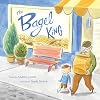
Every Sunday morning, Eli’s grandfather, Zaida (Yiddish for grandfather, as we learn in the short Yiddish glossary and pronunciation guide that precedes the story) brings over bagels for breakfast:
“Warm.
Chewy.
Salty.
Bagels were the best thing about Sunday.”
One Sunday though Zaida didn’t come. It turned out he had slipped and fallen at the bakery. The doctor said Zaida had to rest at home for two weeks. Eli rushed over to see him and was joined by a number of elderly neighbors, who, show more it turned out, had also been receiving bagels from Zaida every Sunday.
The next week, Eli made a list and went to the bakery himself. He bought Zaida’s usual order, including what Zaida would get for his neighbors. Everyone was delighted, and Zaida proudly declared, “The boy’s no prince - he’s a king. He’s the Bagel King!”
The story ends:
“Warm.
Chewy.
Salty.
Bagels were the best thing about Sunday.
The best thing, that is, except for Zaida.”
Watercolor illustrations by Sandy Nichols have just the right kid-book-look for intended readers age 3-6.
Evaluation: This story is not only a warm portrayal of a young boy’s relationship with and care for his grandfather, but also promotes values like consideration and neighborliness. The author adds humor and information about cultural traditions, and will have you salivating for bagels and cream cheese. show less
“Warm.
Chewy.
Salty.
Bagels were the best thing about Sunday.”
One Sunday though Zaida didn’t come. It turned out he had slipped and fallen at the bakery. The doctor said Zaida had to rest at home for two weeks. Eli rushed over to see him and was joined by a number of elderly neighbors, who, show more it turned out, had also been receiving bagels from Zaida every Sunday.
The next week, Eli made a list and went to the bakery himself. He bought Zaida’s usual order, including what Zaida would get for his neighbors. Everyone was delighted, and Zaida proudly declared, “The boy’s no prince - he’s a king. He’s the Bagel King!”
The story ends:
“Warm.
Chewy.
Salty.
Bagels were the best thing about Sunday.
The best thing, that is, except for Zaida.”
Watercolor illustrations by Sandy Nichols have just the right kid-book-look for intended readers age 3-6.
Evaluation: This story is not only a warm portrayal of a young boy’s relationship with and care for his grandfather, but also promotes values like consideration and neighborliness. The author adds humor and information about cultural traditions, and will have you salivating for bagels and cream cheese. show less
Awards


You May Also Like


Associated Authors
Statistics
- Works
- 24
- Members
- 1,128
- Popularity
- #22,765
- Rating
- 3.9
- Reviews
- 65
- ISBNs
- 85
- Languages
- 1