
Priya Parmar
Author of Vanessa and Her Sister
About the Author
A former dramaturg and freelance editor, Priya Parmar was educated at Mount Holyoke College, The University of Oxford, and The University of Edinburgh. She is the author of Exit the Actress and Vanessa and Her Sister. (Bowker Author Biography)
Image credit: Author Photo by Naomi Nicholson
Works by Priya Parmar
Tagged
Common Knowledge
- Birthdate
- 1974-02-23
- Gender
- female
- Education
- Mount Holyoke College
University of Oxford
University of Edinburgh - Occupations
- author
dramaturg
freelance editor - Nationality
- USA
- Places of residence
- London, England, UK
Hawaii, USA
Edinburgh, Scotland, UK - Map Location
- USA
Members
Reviews
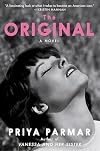
I was hooked by the first sentence: “We don’t take cowards here.” And I kept turning pages, propelled by the short clips from different viewpoints, the charged energy of the story, the delicious setting in Hollywood’s golden age, and some of my favorite actors as main characters. Kate Hepburn. Cary Grant. And the novel ends with one of my favorite movies, The Philadelphia Story, which marked Hepburn’s return to prominence.
Kate comes alive, beginning with her tomboy childhood and show more the horrendous loss of a beloved brother.
Priya Parmar’s story is framed on history but filled out with imagining the lives lived behind the studio controlled facade, the secret lovers who would have scandalized the ticket box public, and the more acceptable public affairs. Grant and Randolph Scott. Grant and his first wife, Virginia Cherrill. Kate and heiress and ex-star Laura Harding. Kate and Howard Hughes. And what operation did Kate undergo before she disappeared for ten months?
The audience do not want to be dared. They want to be comforted, excited to an extent, naturally–but not like this, not in a way that makes them feel ashamed. from The Original
She was mesmerizing, unlike anyone else. Feted or villainized, lionized or forgotten, she withstood it all and prevailed to become the icon we love today.
The greatest mystery is the human heart. The Original offers a satisfying imagining.
Thanks to the publisher for a free book through NetGalley. show less
Kate comes alive, beginning with her tomboy childhood and show more the horrendous loss of a beloved brother.
Priya Parmar’s story is framed on history but filled out with imagining the lives lived behind the studio controlled facade, the secret lovers who would have scandalized the ticket box public, and the more acceptable public affairs. Grant and Randolph Scott. Grant and his first wife, Virginia Cherrill. Kate and heiress and ex-star Laura Harding. Kate and Howard Hughes. And what operation did Kate undergo before she disappeared for ten months?
The audience do not want to be dared. They want to be comforted, excited to an extent, naturally–but not like this, not in a way that makes them feel ashamed. from The Original
She was mesmerizing, unlike anyone else. Feted or villainized, lionized or forgotten, she withstood it all and prevailed to become the icon we love today.
The greatest mystery is the human heart. The Original offers a satisfying imagining.
Thanks to the publisher for a free book through NetGalley. show less
In “The Original,” Priya Parmar takes on the daunting challenge of breathing fresh life into one of the most scrutinized figures in American film history, Katharine Hepburn. Remarkably, she succeeds not by attempting a conventional cradle-to-stardom biography, but by constructing a vivid fictional mosaic of the actress’s formative years in 1930s Hollywood. The result is an engrossing and emotionally perceptive novel that feels less concerned with documenting famous events than with show more uncovering the anxieties, wounds, and resilience beneath Hepburn’s famously armored persona.
What makes the novel so compelling is Parmar’s decision to approach Kate indirectly. Rather than remaining fixed within Hepburn’s consciousness, the narrative moves fluidly among a remarkable ensemble of figures orbiting her life. Many of them—Cary Grant, Howard Hughes, Randolph Scott, George Cukor, and Irene Mayer Selznick among them—are fascinating enough to command novels of their own. Through their observations, loyalties, rivalries, and desires, Parmar gradually reveals Hepburn herself. The effect is kaleidoscopic: Kate emerges not as a static icon but as a complicated woman still inventing herself while the Hollywood machinery attempts to invent her first.
Parmar brilliantly captures the suffocating atmosphere of the old studio system, a world in which stars were owned, managed, packaged, and often emotionally manipulated by the studios that profited from them. Public image mattered above all else. Personas were manufactured, scandals suppressed, and private lives distorted into marketable myths. Within that system, Hepburn’s early career becomes especially dramatic because her setbacks arise not merely from personal mistakes but from bad luck, studio mismanagement, and changing public tastes. Parmar charts how close Hepburn came to professional collapse before reinventing herself into the sharp-tongued, fiercely intelligent figure audiences ultimately embraced. The novel’s emotional power lies in that persistence—the sense that Kate survives not because the system protects her, but because she stubbornly refuses to surrender to it.
The book gains much of its momentum from Parmar’s skillful handling of multiple interconnecting storylines. Hepburn’s childhood trauma surrounding her beloved brother’s suicide shadows her throughout the novel. Parmar also explores her mysterious illness and risky surgery that leaves her unable to bear children, her romantic relationships with women, and her intimate friendships with figures such as Irene Selznick and George Cukor. Meanwhile, the surrounding cast receives equally compelling treatment. Cary Grant’s devastating discovery that his supposedly dead mother is alive in a mental institution becomes one of the novel’s most affecting episodes, while Howard Hughes’s dangerous aviation exploits inject excitement and unpredictability into the narrative. The deteriorating marriage of Irene and David Selznick adds another layer of emotional tension.
What is most impressive is Parmar’s restraint. With so many glamorous and volatile personalities in play, the novel could easily have dissolved into gossip or anecdotal excess. Instead, Parmar treats her characters with empathy and nuance, maintaining emotional coherence even as the narrative shifts among perspectives. The structure—brief, punchy sections often centered on different characters—keeps the novel energetic and cinematic. Even when Hepburn is not directly present, the surrounding stories deepen our understanding of the world shaping her.
If the novel has a weakness, it is its abrupt ending. Parmar concludes with Hepburn’s triumph in “The Philadelphia Story,” leaving unexplored the later decades in which she fully transformed into the legendary screen presence now immortalized in film history. Readers may feel deprived of witnessing that final evolution. Parmar compensates somewhat with a closing section summarizing the later lives of many characters, but this lacks the emotional richness of the preceding narrative.
Even so, “The Original” is an absorbing and sophisticated portrait of ambition, reinvention, and survival within Hollywood’s golden age. Rather than demystifying Katharine Hepburn, Parmar accomplishes something more difficult: she restores complexity and vulnerability to a figure long hardened into legend. show less
What makes the novel so compelling is Parmar’s decision to approach Kate indirectly. Rather than remaining fixed within Hepburn’s consciousness, the narrative moves fluidly among a remarkable ensemble of figures orbiting her life. Many of them—Cary Grant, Howard Hughes, Randolph Scott, George Cukor, and Irene Mayer Selznick among them—are fascinating enough to command novels of their own. Through their observations, loyalties, rivalries, and desires, Parmar gradually reveals Hepburn herself. The effect is kaleidoscopic: Kate emerges not as a static icon but as a complicated woman still inventing herself while the Hollywood machinery attempts to invent her first.
Parmar brilliantly captures the suffocating atmosphere of the old studio system, a world in which stars were owned, managed, packaged, and often emotionally manipulated by the studios that profited from them. Public image mattered above all else. Personas were manufactured, scandals suppressed, and private lives distorted into marketable myths. Within that system, Hepburn’s early career becomes especially dramatic because her setbacks arise not merely from personal mistakes but from bad luck, studio mismanagement, and changing public tastes. Parmar charts how close Hepburn came to professional collapse before reinventing herself into the sharp-tongued, fiercely intelligent figure audiences ultimately embraced. The novel’s emotional power lies in that persistence—the sense that Kate survives not because the system protects her, but because she stubbornly refuses to surrender to it.
The book gains much of its momentum from Parmar’s skillful handling of multiple interconnecting storylines. Hepburn’s childhood trauma surrounding her beloved brother’s suicide shadows her throughout the novel. Parmar also explores her mysterious illness and risky surgery that leaves her unable to bear children, her romantic relationships with women, and her intimate friendships with figures such as Irene Selznick and George Cukor. Meanwhile, the surrounding cast receives equally compelling treatment. Cary Grant’s devastating discovery that his supposedly dead mother is alive in a mental institution becomes one of the novel’s most affecting episodes, while Howard Hughes’s dangerous aviation exploits inject excitement and unpredictability into the narrative. The deteriorating marriage of Irene and David Selznick adds another layer of emotional tension.
What is most impressive is Parmar’s restraint. With so many glamorous and volatile personalities in play, the novel could easily have dissolved into gossip or anecdotal excess. Instead, Parmar treats her characters with empathy and nuance, maintaining emotional coherence even as the narrative shifts among perspectives. The structure—brief, punchy sections often centered on different characters—keeps the novel energetic and cinematic. Even when Hepburn is not directly present, the surrounding stories deepen our understanding of the world shaping her.
If the novel has a weakness, it is its abrupt ending. Parmar concludes with Hepburn’s triumph in “The Philadelphia Story,” leaving unexplored the later decades in which she fully transformed into the legendary screen presence now immortalized in film history. Readers may feel deprived of witnessing that final evolution. Parmar compensates somewhat with a closing section summarizing the later lives of many characters, but this lacks the emotional richness of the preceding narrative.
Even so, “The Original” is an absorbing and sophisticated portrait of ambition, reinvention, and survival within Hollywood’s golden age. Rather than demystifying Katharine Hepburn, Parmar accomplishes something more difficult: she restores complexity and vulnerability to a figure long hardened into legend. show less
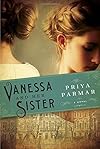
dangerous territory, for me, at least. writing historical fiction about such a woman as Virginia Woolf, especially to me, where she sits as my favorite author, untouchable, frightening demon letter queen.
i shouldn't have worried. fluid, filled with tiny snippets of real letters, telegrams, boarding passes, enticing. enviously easy, and giving me a great hunger to read about Vanessa Bell and her life more than anything. Away from the lens of Virginia's obsessive eyes. Addictive and show more luxuriously pretty, like to be a rich single educated white woman, doing whatever you want and frightening the servants with your re-enactments of greek tragedy in the drawing room. show less
i shouldn't have worried. fluid, filled with tiny snippets of real letters, telegrams, boarding passes, enticing. enviously easy, and giving me a great hunger to read about Vanessa Bell and her life more than anything. Away from the lens of Virginia's obsessive eyes. Addictive and show more luxuriously pretty, like to be a rich single educated white woman, doing whatever you want and frightening the servants with your re-enactments of greek tragedy in the drawing room. show less
This book! I fell down the rabbit hole into Vanessa's journal and did not want to come out. An extremely compelling histoy of the Bloomsbury Group, with the sisters Stephen at the center -- and a beautiful, compassionate, troublesome, center it is. The book expresses the profound love of Vanessa Bell and Virginia Woolf sisters incredibly well, and the poignant betrayals and tragedies that form their lives. It's also a marvelous portrait of a group of intellectuals as they choose to change show more the cultural mores of their time. show less
Lists
Awards


You May Also Like


Associated Authors
Statistics
- Works
- 10
- Members
- 953
- Popularity
- #27,013
- Rating
- 3.9
- Reviews
- 111
- ISBNs
- 40
- Languages
- 2

