
Iona Grey
Author of The Glittering Hour
About the Author
Image credit: Iona Grey
Works by Iona Grey
The Glittering Hour — Author — 1 copy
The House Keeper's Secret 1 copy
Tagged
Common Knowledge
- Gender
- female
- Education
- Manchester University
- Short biography
- Iona Grey lives in rural Cheshire, England with her husband and three daughters. She has a degree in English Literature and Language from Manchester University, an obsession with history and an enduring fascination with the lives of women in the twentieth century. She is the author of Letters to the Lost, that in 2016 has been honoured with the Romantic Novel of the Year Award by the Romantic Novelists' Association.
- Nationality
- UK
- Birthplace
- Cheshire, England, UK
- Associated Place (for map)
- England, UK
Members
Reviews

A rare gem.
Now and again a book comes along that is just so perfectly formed that I almost don't mind if nothing happens. Letters to the Lost was one of these, so beautifully written that I didn't want it to end, and when it did I was left with tears streaming down my face.
There are two time eras involved, a tricky combination, as one usually outshines the other. But Stella and Dan's love affair during WWII was perfectly balanced by Jess and Will's current-day romance and the reader moves show more seamlessly between the two. There are also a number of similarities between the two female characters as both endure hardship, abuse and lack of family support. Mental illness appears in both eras as well.
The opening scene gabs you immediately, as Jess runs in stockinged feet, to escape her abusive boyfriend, and finds herself in a house that has been left empty by an elderly lady. Here she stumbles upon the letters that link her to the long-ago love affair and she is drawn in by the undying love that she finds in their story.
Modern-day London and the war era are both evocatively described, as is the life of a vicarage wife in the forties, with scones and summer fetes and endless cooking. I felt for Will with his scathing boss, but there was a wry humour in those cutting comments.
I'm now waiting with baited breath for Iona Grey's next book and when it comes I shall be dropping everything to bury my head it it (no pressure!). show less
Now and again a book comes along that is just so perfectly formed that I almost don't mind if nothing happens. Letters to the Lost was one of these, so beautifully written that I didn't want it to end, and when it did I was left with tears streaming down my face.
There are two time eras involved, a tricky combination, as one usually outshines the other. But Stella and Dan's love affair during WWII was perfectly balanced by Jess and Will's current-day romance and the reader moves show more seamlessly between the two. There are also a number of similarities between the two female characters as both endure hardship, abuse and lack of family support. Mental illness appears in both eras as well.
The opening scene gabs you immediately, as Jess runs in stockinged feet, to escape her abusive boyfriend, and finds herself in a house that has been left empty by an elderly lady. Here she stumbles upon the letters that link her to the long-ago love affair and she is drawn in by the undying love that she finds in their story.
Modern-day London and the war era are both evocatively described, as is the life of a vicarage wife in the forties, with scones and summer fetes and endless cooking. I felt for Will with his scathing boss, but there was a wry humour in those cutting comments.
I'm now waiting with baited breath for Iona Grey's next book and when it comes I shall be dropping everything to bury my head it it (no pressure!). show less
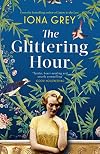
I want to start this review by saying I'm rather annoyed...with myself. I'm annoyed because I wish I had left myself just a tiny bit more time to read this absolute stunner of a book. This is a book where every word needs to be savoured. However, I had more than enough time to know that I absolutely loved it.
Selina Lennox is a woman about town. In the 1920s that means that she was doing things that maybe weren't the most ladylike, especially for someone of her class, but nevertheless, after show more the hell of the First World War and the loss of her beloved brother, she's determined to enjoy herself before she has to tie herself down to marriage. One night she meets a man, Lawrence, who makes her heart sing but their love is doomed. He's an artist and a photographer, and despite her desire to fight against the limits of her class, she knows that she will never be in a position to make a life with him.
This storyline forms only one part of the whole book. The other follows Alice, Selina's daughter, ten years later. Her parents are away and she is staying with her grandparents. Selina sends Alice letters and clues for a treasure hunt which reveal the whole of what happened back in 1925.
Unusually for me, I preferred the earlier storyline. That's not to say I didn't enjoy Alice's sections but the love story between Selina and Lawrence was completely beguiling, a forbidden love which I felt sure would end in heartbreak. There's an intensity to their feelings for each other which felt intoxicating to read.
Iona Grey is an amazing writer. She signposts where the story is heading but in the most subtle of ways so what was happening dawned on me slowly. The plotting is tight and skilful in this captivating and poignant tale. In 1925 the shadow of WWI hangs over everyone and Grey portrays the aftermath so well, not only with the hedonistic times that Selina and her friends are living but also the forgotten heroes on the streets, the ones who came home but are almost an inconvenience because they cannot slot back into the lives they had. And even a decade after that, although some of that feeling has passed, the ripples of the past are still echoing down the years.
The Glittering Hour is a glittering read. It's a shining star of a book and one that I will remember, not least because it made me cry and most of the books that stay with me are ones that have affected me emotionally. It's a beautiful read in every way with fabulous characters, evocative settings and a story that broke my heart. show less
Selina Lennox is a woman about town. In the 1920s that means that she was doing things that maybe weren't the most ladylike, especially for someone of her class, but nevertheless, after show more the hell of the First World War and the loss of her beloved brother, she's determined to enjoy herself before she has to tie herself down to marriage. One night she meets a man, Lawrence, who makes her heart sing but their love is doomed. He's an artist and a photographer, and despite her desire to fight against the limits of her class, she knows that she will never be in a position to make a life with him.
This storyline forms only one part of the whole book. The other follows Alice, Selina's daughter, ten years later. Her parents are away and she is staying with her grandparents. Selina sends Alice letters and clues for a treasure hunt which reveal the whole of what happened back in 1925.
Unusually for me, I preferred the earlier storyline. That's not to say I didn't enjoy Alice's sections but the love story between Selina and Lawrence was completely beguiling, a forbidden love which I felt sure would end in heartbreak. There's an intensity to their feelings for each other which felt intoxicating to read.
Iona Grey is an amazing writer. She signposts where the story is heading but in the most subtle of ways so what was happening dawned on me slowly. The plotting is tight and skilful in this captivating and poignant tale. In 1925 the shadow of WWI hangs over everyone and Grey portrays the aftermath so well, not only with the hedonistic times that Selina and her friends are living but also the forgotten heroes on the streets, the ones who came home but are almost an inconvenience because they cannot slot back into the lives they had. And even a decade after that, although some of that feeling has passed, the ripples of the past are still echoing down the years.
The Glittering Hour is a glittering read. It's a shining star of a book and one that I will remember, not least because it made me cry and most of the books that stay with me are ones that have affected me emotionally. It's a beautiful read in every way with fabulous characters, evocative settings and a story that broke my heart. show less
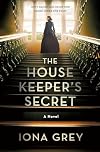
My thanks to NetGalley and St. Martin’s Press for an ARC of this novel.
“Upstairs-downstairs” stories are always intriguing, especially since most offer the “downstairs” perspective of the lowly servants who toil to meet the whims of the upstairs crowd. Set mostly in 1911, we get a detailed picture of what that toil was like in an large country mansion before modern conveniences. The housekeeper of the title is Kate Furniss, barely 30, highly efficient and emotionally restrained as show more befitting the woman in charge of Coldwell Hall. As the story begins, the reckless and frequently scandalous Sir Randolph Hyde, dispatched to run the family’s Indian concerns to keep him out of trouble, has returned to prepare for his elderly father’s death and his inheritance. He brings with him his longtime and very loyal valet, Frederick Henderson, a bitter, officious and rigid type much disliked by the other servants. It is hard to say which is most repugnant.
Into this tense scene steps the enigmatic Jem Alden, recently hired as “second footman,” a role that technology is increasingly making superfluous. He hates the work and the entire aristocratic scene. He is at Coldwell to pursue what has left a burning hole inside him: the disappearance of his younger brother Jack while in service nine years earlier. No one, not the local police or his employers, searched that hard, which hardens Jem’s hatred of his “betters” all the more. While he searches Coldwell undercover, the clues he finds confirm his sense of a conspiracy of silence among the nobility and their higher servants. Henderson’s particular animosity, which manifests in an “accident” of some brutality, makes him think that the valet recognizes Jack in his features and is not so subtly warning him to cease.
Against her own misgivings Kate is immediately attracted to Jem, a particular mistake because there are ranks even among servants, and he is far beneath her. He is also very attracted to her, seemingly knowing her unspoken thoughts. But Kate also has a secret and Jem’s presence at once makes her feel safer than she has in years, and also reminds her about the source of her trauma.
The story has a dual timeline, and alternating viewpoints, with occasional insertions of unsigned and often undated letters that from a soldier at the Somme in 1916. While he describes the slaughter and his own cynical views about why and how it is taking place, the writer often alludes to things that remind him of “that summer.”
The period and setting are familiar enough that this summary could easily prompt a shrug, but it’s not a run of the mill historical fiction. Grey is a remarkably gifted writer, and her use of imagery, her characterization, and the way in which she goes forward in time from the story’s setting before the war, really brought me “into” it. If there’s anything that bothered me, it’s the large cast of characters, both above and below stairs, each coming and going and adding their own viewpoint. At times, it’s difficult to keep them, and the timelines, straight—there are also occasional forays back to the Victorian years. But the suspense builds steadily through to the resolution. I recommend it highly even if you think you’ve had enough of Great War novels! show less
“Upstairs-downstairs” stories are always intriguing, especially since most offer the “downstairs” perspective of the lowly servants who toil to meet the whims of the upstairs crowd. Set mostly in 1911, we get a detailed picture of what that toil was like in an large country mansion before modern conveniences. The housekeeper of the title is Kate Furniss, barely 30, highly efficient and emotionally restrained as show more befitting the woman in charge of Coldwell Hall. As the story begins, the reckless and frequently scandalous Sir Randolph Hyde, dispatched to run the family’s Indian concerns to keep him out of trouble, has returned to prepare for his elderly father’s death and his inheritance. He brings with him his longtime and very loyal valet, Frederick Henderson, a bitter, officious and rigid type much disliked by the other servants. It is hard to say which is most repugnant.
Into this tense scene steps the enigmatic Jem Alden, recently hired as “second footman,” a role that technology is increasingly making superfluous. He hates the work and the entire aristocratic scene. He is at Coldwell to pursue what has left a burning hole inside him: the disappearance of his younger brother Jack while in service nine years earlier. No one, not the local police or his employers, searched that hard, which hardens Jem’s hatred of his “betters” all the more. While he searches Coldwell undercover, the clues he finds confirm his sense of a conspiracy of silence among the nobility and their higher servants. Henderson’s particular animosity, which manifests in an “accident” of some brutality, makes him think that the valet recognizes Jack in his features and is not so subtly warning him to cease.
Against her own misgivings Kate is immediately attracted to Jem, a particular mistake because there are ranks even among servants, and he is far beneath her. He is also very attracted to her, seemingly knowing her unspoken thoughts. But Kate also has a secret and Jem’s presence at once makes her feel safer than she has in years, and also reminds her about the source of her trauma.
The story has a dual timeline, and alternating viewpoints, with occasional insertions of unsigned and often undated letters that from a soldier at the Somme in 1916. While he describes the slaughter and his own cynical views about why and how it is taking place, the writer often alludes to things that remind him of “that summer.”
The period and setting are familiar enough that this summary could easily prompt a shrug, but it’s not a run of the mill historical fiction. Grey is a remarkably gifted writer, and her use of imagery, her characterization, and the way in which she goes forward in time from the story’s setting before the war, really brought me “into” it. If there’s anything that bothered me, it’s the large cast of characters, both above and below stairs, each coming and going and adding their own viewpoint. At times, it’s difficult to keep them, and the timelines, straight—there are also occasional forays back to the Victorian years. But the suspense builds steadily through to the resolution. I recommend it highly even if you think you’ve had enough of Great War novels! show less
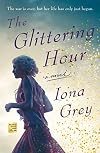
It’s January 1936, and nine-year-old Alice Carew misses her mother terribly. Mama’s away in Burma with Papa, who has mining interests there, and the family’s Wiltshire estate, Blackwood, feels like a prison to Alice. An artistically precocious child with no head for or interest in reading or mathematics, Alice has no allies in the house save her beloved nanny, Polly, who can’t protect her from Grandmama, as starchy and cold an aristocrat as ever graced England’s shores.
The old lady show more has never liked her grandchild, censors the girl’s letters to her parents, and even denies Alice the colored pencils Mama bought for her. Good grief. Yet despite her grandmother’s and father’s opinion that Alice has a second-rate mind, the girl sees plenty, including their lack of love for her — but not the reason for it. Therein hangs a tale.
However, all this is prologue to Mama’s back story. Selina Carew, née Lennox, was a Bright Young Thing in the Twenties who burned the candle at both ends. With a passion for expensive amusements and a horror of boredom, Selina and her blue-blood friends cut a swath through London at breakneck speed, awash in champagne and jewels, tossing out arch bon mots and trying to decide whether this or that costume party or dance will be too unbearable; really, isn’t there anything better to do? To her family’s horror, the scandal sheets eat this up, from which Selina derives some satisfaction.
Selina’s no airhead (though I reserve judgment on her friends), because if she were, The Glittering Hour would have a flat, spoiled-brat heroine and require a seismic change from her that would strain credulity. Rather, she has deep conflicts from which she’s trying to hide. She represents the upper-class cohort that survived the Great War and who dash from party to party so as to conceal the pain of loss.
But Selina feels it, can’t help it; like so many women of all social classes, she lost a beloved brother at Passchendaele. What’s more, much as it hurts, she refuses to believe that all joy must end, though admittedly, she overdoes it. Worse, none of that may be spoken of.
Selina meets Lawrence Weston, an artist who makes his living painting portraits based on photographs for war-bereaved families, but whose real passion is photography — which few people consider an art form. Little do they know. For extra money, Lawrence takes pictures of the rich and famous making public nuisances of themselves — he knows about Selina Lennox before they meet — but he prefers photographing miners, the men selling matches, whatever social commentary his lens seeks out.
I understand what Grey’s trying to achieve by starting with young Alice, but that approach has its flaws. Though her predicament squeezes my heart, as it’s meant to, that’s not where the richest material lies. I prefer Selina’s inner struggle as a Bright Young Thing and her relationship to Lawrence, which has so many social markers, the pair might even inhale and exhale differently, for all I know.
The class barrier to romance is hardly new, but Grey’s rendering takes on particularity, because she grounds it so thoroughly in active physical detail. It’s not just Lawrence’s shabby clothes or Selina’s accent that set them apart, though those matter and are what onlookers see and hear; it’s how the physical details reveal these two characters’ different worldviews.
On the minus side, the story hinges on two secrets, neither of which is particularly hard to discern, and the narrative has its melodramatic moments, especially toward the end. I wish Grey didn’t resort to telling, rather than showing, emotions in certain key moments— what a shame, for such an astute observer — and the resulting shorthand phrases sometimes go thump. Further, though Grandmama’s portrayal will curdle your blood, she’s that real, Alice’s father seems like a shirt stuffed with papier-mâché.
Even so, The Glittering Hour finds something new to say about the decade after the Great War, and Selina and Lawrence are appealing characters. show less
The old lady show more has never liked her grandchild, censors the girl’s letters to her parents, and even denies Alice the colored pencils Mama bought for her. Good grief. Yet despite her grandmother’s and father’s opinion that Alice has a second-rate mind, the girl sees plenty, including their lack of love for her — but not the reason for it. Therein hangs a tale.
However, all this is prologue to Mama’s back story. Selina Carew, née Lennox, was a Bright Young Thing in the Twenties who burned the candle at both ends. With a passion for expensive amusements and a horror of boredom, Selina and her blue-blood friends cut a swath through London at breakneck speed, awash in champagne and jewels, tossing out arch bon mots and trying to decide whether this or that costume party or dance will be too unbearable; really, isn’t there anything better to do? To her family’s horror, the scandal sheets eat this up, from which Selina derives some satisfaction.
Selina’s no airhead (though I reserve judgment on her friends), because if she were, The Glittering Hour would have a flat, spoiled-brat heroine and require a seismic change from her that would strain credulity. Rather, she has deep conflicts from which she’s trying to hide. She represents the upper-class cohort that survived the Great War and who dash from party to party so as to conceal the pain of loss.
But Selina feels it, can’t help it; like so many women of all social classes, she lost a beloved brother at Passchendaele. What’s more, much as it hurts, she refuses to believe that all joy must end, though admittedly, she overdoes it. Worse, none of that may be spoken of.
Selina meets Lawrence Weston, an artist who makes his living painting portraits based on photographs for war-bereaved families, but whose real passion is photography — which few people consider an art form. Little do they know. For extra money, Lawrence takes pictures of the rich and famous making public nuisances of themselves — he knows about Selina Lennox before they meet — but he prefers photographing miners, the men selling matches, whatever social commentary his lens seeks out.
I understand what Grey’s trying to achieve by starting with young Alice, but that approach has its flaws. Though her predicament squeezes my heart, as it’s meant to, that’s not where the richest material lies. I prefer Selina’s inner struggle as a Bright Young Thing and her relationship to Lawrence, which has so many social markers, the pair might even inhale and exhale differently, for all I know.
The class barrier to romance is hardly new, but Grey’s rendering takes on particularity, because she grounds it so thoroughly in active physical detail. It’s not just Lawrence’s shabby clothes or Selina’s accent that set them apart, though those matter and are what onlookers see and hear; it’s how the physical details reveal these two characters’ different worldviews.
On the minus side, the story hinges on two secrets, neither of which is particularly hard to discern, and the narrative has its melodramatic moments, especially toward the end. I wish Grey didn’t resort to telling, rather than showing, emotions in certain key moments— what a shame, for such an astute observer — and the resulting shorthand phrases sometimes go thump. Further, though Grandmama’s portrayal will curdle your blood, she’s that real, Alice’s father seems like a shirt stuffed with papier-mâché.
Even so, The Glittering Hour finds something new to say about the decade after the Great War, and Selina and Lawrence are appealing characters. show less
Lists
Awards


You May Also Like


Associated Authors
Statistics
- Works
- 6
- Members
- 866
- Popularity
- #29,560
- Rating
- 4.0
- Reviews
- 45
- ISBNs
- 44
- Languages
- 5