
Lawrence Anthony (1950–2012)
Author of The Elephant Whisperer: My Life with the Herd in the African Wild
About the Author
Disambiguation Notice:
Not to be confused with "Anthony Lawrence" - Please post corrections to the Combiners! group for clarifications.
Series
Works by Lawrence Anthony
The Last Rhinos: My Battle to Save One of the World's Greatest Creatures (2012) — Author — 187 copies, 9 reviews
The Elephant Whisperer Adapted for Young Readers: My Life with the Herd in the African Wild (2017) 60 copies, 3 reviews
China: The Long March 1 copy
Elefántsuttogó 1 copy
Associated Works
Reader's Digest Select Editions: Medusa | The Elephant Whisperer | Skelton Hill | Grace (2009) 7 copies
Encounters: Real Life Reading: The Elephant Whisperer / Burmese Lessons / The Cello Suites / Three Ways to Capsize a Boat (2011) 2 copies
Reader's Digest: Rechercheur Brons en het lijk op de wallen; De Keuze; De eindafrekening; De olifanten fluisteraar — Contributor — 1 copy, 1 review
Tagged
Common Knowledge
- Canonical name
- Anthony, Lawrence
- Birthdate
- 1950-09-17
- Date of death
- 2012-03-02
- Gender
- male
- Organizations
- The Earth Organization (founder)
- Relationships
- Malby-Anthony, Francoise (wife)
- Nationality
- South Africa
- Birthplace
- Johannesburg, South Africa
- Place of death
- Johannesburg, South Africa
- Disambiguation notice
- Not to be confused with "Anthony Lawrence" - Please post corrections to the Combiners! group for clarifications.
- Associated Place (for map)
- Johannesburg, South Africa
Members
Reviews

South African Lawrence Anthony manages a nature preserve when he is contacted by an elephant rescue organization. They have information about a small herd that has caused so much destruction and danger that they are going to be killed if someone doesn’t take them away. Anthony steps up to the challenge, and his next several years are spent chasing down the elephants when they escape, gaining their trust, watching them destroy most of his stuff, welcoming babies, and making hard, show more life-or-death decisions. Anthony has a close relationship with the nearby Zulu tribes, as the land he works on is technically theirs and he sometimes needs their buy-in, as well as his work often affecting their communities (e.g. an escaped elephant, or being a draw for poachers).
I was skeptical of this book in the beginning, since Anthony made his money in real estate during Apartheid. He also does a lot of incredibly stupid things that would not fly in an institution with more oversight, like touching the animals and bringing his dog with him everywhere. Nice that it worked out for him but it very easily could not have. But his stories are charming and sometimes goofy and the book is very readable so it won me over. At the end, Anthony reminds the reader what conservation is really about - while he formed a bond of trust with these particular elephants for their own well-being, and enjoyed their time together and the stories it led to, he had no direct contact with their offspring, so they can learn to be wild and free. show less
I was skeptical of this book in the beginning, since Anthony made his money in real estate during Apartheid. He also does a lot of incredibly stupid things that would not fly in an institution with more oversight, like touching the animals and bringing his dog with him everywhere. Nice that it worked out for him but it very easily could not have. But his stories are charming and sometimes goofy and the book is very readable so it won me over. At the end, Anthony reminds the reader what conservation is really about - while he formed a bond of trust with these particular elephants for their own well-being, and enjoyed their time together and the stories it led to, he had no direct contact with their offspring, so they can learn to be wild and free. show less
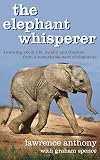
Edited May 2015: I first read this book in May 2014 and just finished a re-read. The following review stands. I loved it just as much if not more than the first time I read it. Wonderful book!
This just won an Audie Award for best audio book in the bio/memoir category and in my opinion it was well-deserved. It will definitely be among my all-time favorites. I have a soft spot in my heart for elephants and this book reinforced those feelings. I ran the gamut of emotions as I read this book: I show more laughed, I cried, I was amazed, sometimes shocked, and ultimately, I fell in love with the elephants and their human rescuer.
Lawrence Anthony was asked to accept a herd of ‘rogue’ elephants on his Thula Thula game reserve in South Africa because he was known as being amazingly good with animals. The elephants would be killed if he wouldn't take them in, so he agreed. When the elephants arrived they were angry, scared, and distrustful of humans. What follows is a fascinating tale of how he not only saved the herd, but also developed an unusual bond with them. The story is interspersed with tales of Anthony's French wife, Francoise, their dogs, the staff, and the Zulu culture.
Sadly, Mr. Anthony passed away suddenly of a heart attack in 2012. By then, the herd had been released back into the wild and had not visited Mr. Anthony’s home in a year and a half. But on his death, the herd inexplicably trudged for miles in a solemn funereal procession to pay their respects at his house. They stayed for 2 days before moving back into the bush. What a beautiful story that teaches us so much about the capability of animals to show deep love and concern, and the bonds they can form with humans.
show less
The Elephant Whisperer: Learning about Life, Loyalty and Freedom from a Remarkable Herd of Elephants by Lawrence Anthony
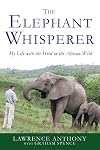
“In 1999, I was asked to accept a herd of troubled wild elephants on my game reserve. I had no inkling of the escapades and adventures I was about to embark upon. I had no idea how challenging it would be or how much my life would be enriched. The adventure has been both physical and spiritual. Physical in the sense that it was action from the word go, as you will see in the following pages; spiritual because these giants of the planet took me deep into their world.” – Lawrence show more Anthony, The Elephant Whisperer
Fascinating memoir of the adventurous life of wildlife conservationist Lawrence Anthony, head of Thula Thula game reserve in Zululand, Kwa-Zulu Natal province, South Africa. In the early years of his custodianship of Thula Thula, he took in a herd of troubled elephants who were about to be destroyed. This is the story of how he developed a special relationship with these animals to help them get over their belligerent dealings with humans. He lived in the bush next to them as they adapted to life in the wilds of the reserve. It shows how humans and animals can form close bonds and how animals communicate in ways we do not always understand.
This book is so much more than a “book about elephants,” though they play a starring role. It covers interactions with a wide range of other wildlife, including the leopard, hyena, kudu, lion, rhino, cape buffalo, crocodile, and more. His pet dogs are featured, and human interactions are not neglected. It was particularly interesting to read of his dealings with poachers, rangers, officials, and Zulu leaders. In fact, it includes a great deal of history, culture, traditions, spiritual beliefs of the neighboring Zulu tribes, as well as the impact of the former apartheid policies.
This book contains story after story of wild adventures that take place over an undefined number of years, which are well-chosen for their level of significance, adventure, danger, or comedic effect. For example, there are stories of trying to herd a mfezi (Mozambican spitting cobra) out of his and his wife’s bedroom and an escaping cape buffalo that chases one of the reserve staff around a vehicle. The book flows in a “never-a-dull-moment” style, though the writing is choppy at times and the book is really more a series of short episodes rather than single a cohesive story. The elephants are the “characters,” and each has a distinct personality. The author employs humor but does not shy away from the gut-wrenching and sad parts of the life in the African wilderness.
I was so enthralled that I kept telling my friends and family about these anecdotes and was inspired to do further research. This book will appeal to anyone with a passion for animals, concern about wildlife conservation, or desire to find out what it is like to operate a game preserve in Africa.
“But perhaps the most important lesson I learned is that there are no walls between humans and the elephants except those we put up ourselves, and that until we allow not only elephants, but all living creatures their place in the sun, we can never be whole ourselves.” – Lawrence Anthony show less
Fascinating memoir of the adventurous life of wildlife conservationist Lawrence Anthony, head of Thula Thula game reserve in Zululand, Kwa-Zulu Natal province, South Africa. In the early years of his custodianship of Thula Thula, he took in a herd of troubled elephants who were about to be destroyed. This is the story of how he developed a special relationship with these animals to help them get over their belligerent dealings with humans. He lived in the bush next to them as they adapted to life in the wilds of the reserve. It shows how humans and animals can form close bonds and how animals communicate in ways we do not always understand.
This book is so much more than a “book about elephants,” though they play a starring role. It covers interactions with a wide range of other wildlife, including the leopard, hyena, kudu, lion, rhino, cape buffalo, crocodile, and more. His pet dogs are featured, and human interactions are not neglected. It was particularly interesting to read of his dealings with poachers, rangers, officials, and Zulu leaders. In fact, it includes a great deal of history, culture, traditions, spiritual beliefs of the neighboring Zulu tribes, as well as the impact of the former apartheid policies.
This book contains story after story of wild adventures that take place over an undefined number of years, which are well-chosen for their level of significance, adventure, danger, or comedic effect. For example, there are stories of trying to herd a mfezi (Mozambican spitting cobra) out of his and his wife’s bedroom and an escaping cape buffalo that chases one of the reserve staff around a vehicle. The book flows in a “never-a-dull-moment” style, though the writing is choppy at times and the book is really more a series of short episodes rather than single a cohesive story. The elephants are the “characters,” and each has a distinct personality. The author employs humor but does not shy away from the gut-wrenching and sad parts of the life in the African wilderness.
I was so enthralled that I kept telling my friends and family about these anecdotes and was inspired to do further research. This book will appeal to anyone with a passion for animals, concern about wildlife conservation, or desire to find out what it is like to operate a game preserve in Africa.
“But perhaps the most important lesson I learned is that there are no walls between humans and the elephants except those we put up ourselves, and that until we allow not only elephants, but all living creatures their place in the sun, we can never be whole ourselves.” – Lawrence Anthony show less
It’s really unfortunate that Anthony didn’t stick to stories about the wildlife on Thula Thula, which are enchanting. His pronouncements on his Zulu neighbors are cringe inducing, made worse by his obvious belief in his own enlightenment. For Anthony, “African” religion is singular and “often incomprehensible.” Even after having an intense experience mediated by Zulu spirituality, he is dismissive. Later we learn that “Zulus are natural actors who enjoy a show.” He gives more show more credit to the individual personalities of the elephants in his care than to the indigenous people whose land he occupies. He understands that the reserve cannot succeed without local support, so he has motivation to demonstrate respect, and certainly doesn’t seem to feel malevolence, but there is more than a whiff of White Savior Complex.
The work Anthony did with the Thula Thula elephant herd is remarkable and inspirational, and catnip to anyone who enjoys learning about how animals and humans can communicate. But the racial attitudes are far out of date for this 2022 Western reader and tend to spoil the whole. show less
The work Anthony did with the Thula Thula elephant herd is remarkable and inspirational, and catnip to anyone who enjoys learning about how animals and humans can communicate. But the racial attitudes are far out of date for this 2022 Western reader and tend to spoil the whole. show less
Lists
Awards


You May Also Like


Associated Authors
Statistics
- Works
- 7
- Also by
- 3
- Members
- 1,514
- Popularity
- #16,986
- Rating
- 4.2
- Reviews
- 76
- ISBNs
- 63
- Languages
- 7
- Favorited
- 2