
Sinan Antoon
Author of The Corpse Washer
About the Author
Sinan Antoon is Associate Professor in the Gallatin School at New York University, USA. His translation of Mahmoud Darwish's last prose book In the Presence of Absence (2011) won the American Literary Translators' Award. He is a member of the Editorial Review Board of the Arab Studies Journal and show more co-founder and co-editor of Jadaliyya. show less
Image credit: Sinan Antoon in Mosul, February 2019
Works by Sinan Antoon
وحدها شجرة الرمان 3 copies
خزامى 1 copy
Notes from a Lost Country 1 copy
Jasim's File 1 copy
ليل واحد في كل المدن 1 copy
The Raven's Ink: A Chapbook 1 copy
Maríubæn í Bagdad 1 copy
إعجام 1 copy
Associated Works
Unfortunately, It Was Paradise: Selected Poems (2003) — Translator, some editions — 208 copies, 1 review
Inclined to Speak: An Anthology of Contemporary Arab American Poetry (2008) — Contributor — 25 copies
Tagged
Common Knowledge
- Birthdate
- 1967
- Gender
- male
- Education
- Harvard University (Ph.D. | Arabic Literature | 2006)
Georgetown University (MA | Arab Studies)
Baghdad University (BA | English | 1990) - Occupations
- professor
- Nationality
- Iraq
- Birthplace
- Baghdad, Iraq
- Associated Place (for map)
- Baghdad, Iraq
Members
Reviews
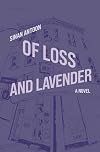
Real Rating: 4.25* of five
The Publisher Says: In this achingly beautiful novel of trauma, memory, and identity, two Iraqi men struggle to start a new life in the US after the Gulf War.
Sami, a retired doctor, lives with his son and grandchildren in Brooklyn. As he tries to navigate this new city, it becomes increasingly clear he is losing his memory due to dementia. Every day he sinks deeper into old memories of a life in Iraq before the war.
Omar arrived in the US with no family. He has run show more away from Iraq with a fake identity. As a deserter, he was punished by having an ear cut off. In Baghdad, this is an unmissable mark of shame. Omar works menial jobs, creates a new identity—comically passing as Puerto Rican—and dreams of reconstructive surgery to get his ear, and his dignity, back.
Their stories converge powerfully when it becomes clear they were connected in Iraq at a moment that was pivotal for them both. Deftly exploring the aftermath of war and relocation, Of Loss and Lavender creates a moving portrait of life in exile.
I RECEIVED A DRC FROM THE PUBLISHER VIA NETGALLEY. THANK YOU.
My Review: A novel of displacement. A story of male identity that, in centering differing...often competing...cultural notions of masculinity, shines a klieg light into the endless void at men's cores left by their "failures," inabilities, unwillingness to live measured by that toxic measure.
What Author Antoon did by bringing these oddly assorted immigrants to the US was subtle, clever, and tendentious. Omar is a chancer. He's blagged his way into and out of trouble since...well, who knows, we're not vouchsafed his whole life's story but I'd bet my very own United States dollars that he's been behaving this way his whole life. Omar is running even when he stands still, never at rest because rest is the point when "They" can get you in their sights to pin you in your place, the one "They" have decided you belong.
Sami's never run in his life. Towards or away from a goal or a problem, he's been steady. His aging mind has fractured from the weight of his memories. He's not agile, he's strong. Strength, unlike agility, breaks when overextended. He tries to comprehend Brooklyn, not an easy task for the native from the US, and fails. In his failure to become a Brooklynite, Sami becomes the dependent he was always responsible for, the helpless and confused neophyte he always guided...the not-powerful responsibilty in place of a lifetime as the powerful protector. Wandering in his memories he needs to build his identity Sami has no traction thanks to dementia. We meet him before the dementia robs him of enough capacity to know he's losing his battle. It is the hardest to endure of all dementia's thieveries. Sami is still Sami. Cruel is our word for this moment of struggle, outsiders who observe it; internally, no one who knows it intimately has ever told us, because they can't.
When you use these men as each others' counterpoise you get the fulcrum of the system located at masculinity. Lost, found, rejected, but "Achilles absent was Achilles still," in Homer's distillation of verity into aperçu. In bringing these wounded-by-past-lives souls to a country that shares none of their lived experiences, Author Antoon removes all the props we use to build identity from them. They have no obvious place in the cultural map they must now use to navigate Life. Omar loves this because it means he controls his narrative, he has no further need to resist the boxes he's forced to occupy because they don't exist to threaten him. It's liberation, yes, but it comes as always at a price. Belonging, the sense of purpose that it grants, is also in those boxes that confine, shape, define Omar (including his name, fictional though it is). Freedom isn't free. Never has that truth been more stark than to Omar in Brooklyn.
Living your life in translation is never easy. It is a hidden cost of Othering those not deemed "mainstream" or those who are immigrants in similar degrees. Author Antoon is an iraqi immigrant to New York, a novelist and (it says in his biography) poet who translates from (and/or to) Arabic; It shows in this very good novel. It feels like he is translating the experience of masculinity from one culture to another, like the characters are finding ways to make sense of the world that use words no longer part of their fluency. Sami's losses are structural, intrinsic; Omar's are voluntary, elective; both are costly and exact significant emotional tolls on each man's journey through the maze of Brooklyn.
As a professor at New York University, Author Antoon is no doubt drawing on his own immigrant experience in the vast, bewildering social system of New York. I hope the world here has treated him with greater kindness than either of these characters received. I offer the story an incomplete fifth star because I was immersed in the flume of the story's canal, the high-pressure constriction that roils and directs but does not deliver to an end point the narrative waters. What, in the end, did Omar and Sami do as a result of occupying the same canal? They changed; but in tandem not in response to each other.
I derived a lot of pleasure from the story. I hope y'all will give it your time and treasure. I think the way each character experienced their quest after identity was so poignantly masculine, so painfully rooted in their manhood, that many women would get significant value from this male interiority. show less
The Publisher Says: In this achingly beautiful novel of trauma, memory, and identity, two Iraqi men struggle to start a new life in the US after the Gulf War.
Sami, a retired doctor, lives with his son and grandchildren in Brooklyn. As he tries to navigate this new city, it becomes increasingly clear he is losing his memory due to dementia. Every day he sinks deeper into old memories of a life in Iraq before the war.
Omar arrived in the US with no family. He has run show more away from Iraq with a fake identity. As a deserter, he was punished by having an ear cut off. In Baghdad, this is an unmissable mark of shame. Omar works menial jobs, creates a new identity—comically passing as Puerto Rican—and dreams of reconstructive surgery to get his ear, and his dignity, back.
Their stories converge powerfully when it becomes clear they were connected in Iraq at a moment that was pivotal for them both. Deftly exploring the aftermath of war and relocation, Of Loss and Lavender creates a moving portrait of life in exile.
I RECEIVED A DRC FROM THE PUBLISHER VIA NETGALLEY. THANK YOU.
My Review: A novel of displacement. A story of male identity that, in centering differing...often competing...cultural notions of masculinity, shines a klieg light into the endless void at men's cores left by their "failures," inabilities, unwillingness to live measured by that toxic measure.
What Author Antoon did by bringing these oddly assorted immigrants to the US was subtle, clever, and tendentious. Omar is a chancer. He's blagged his way into and out of trouble since...well, who knows, we're not vouchsafed his whole life's story but I'd bet my very own United States dollars that he's been behaving this way his whole life. Omar is running even when he stands still, never at rest because rest is the point when "They" can get you in their sights to pin you in your place, the one "They" have decided you belong.
Sami's never run in his life. Towards or away from a goal or a problem, he's been steady. His aging mind has fractured from the weight of his memories. He's not agile, he's strong. Strength, unlike agility, breaks when overextended. He tries to comprehend Brooklyn, not an easy task for the native from the US, and fails. In his failure to become a Brooklynite, Sami becomes the dependent he was always responsible for, the helpless and confused neophyte he always guided...the not-powerful responsibilty in place of a lifetime as the powerful protector. Wandering in his memories he needs to build his identity Sami has no traction thanks to dementia. We meet him before the dementia robs him of enough capacity to know he's losing his battle. It is the hardest to endure of all dementia's thieveries. Sami is still Sami. Cruel is our word for this moment of struggle, outsiders who observe it; internally, no one who knows it intimately has ever told us, because they can't.
When you use these men as each others' counterpoise you get the fulcrum of the system located at masculinity. Lost, found, rejected, but "Achilles absent was Achilles still," in Homer's distillation of verity into aperçu. In bringing these wounded-by-past-lives souls to a country that shares none of their lived experiences, Author Antoon removes all the props we use to build identity from them. They have no obvious place in the cultural map they must now use to navigate Life. Omar loves this because it means he controls his narrative, he has no further need to resist the boxes he's forced to occupy because they don't exist to threaten him. It's liberation, yes, but it comes as always at a price. Belonging, the sense of purpose that it grants, is also in those boxes that confine, shape, define Omar (including his name, fictional though it is). Freedom isn't free. Never has that truth been more stark than to Omar in Brooklyn.
Living your life in translation is never easy. It is a hidden cost of Othering those not deemed "mainstream" or those who are immigrants in similar degrees. Author Antoon is an iraqi immigrant to New York, a novelist and (it says in his biography) poet who translates from (and/or to) Arabic; It shows in this very good novel. It feels like he is translating the experience of masculinity from one culture to another, like the characters are finding ways to make sense of the world that use words no longer part of their fluency. Sami's losses are structural, intrinsic; Omar's are voluntary, elective; both are costly and exact significant emotional tolls on each man's journey through the maze of Brooklyn.
As a professor at New York University, Author Antoon is no doubt drawing on his own immigrant experience in the vast, bewildering social system of New York. I hope the world here has treated him with greater kindness than either of these characters received. I offer the story an incomplete fifth star because I was immersed in the flume of the story's canal, the high-pressure constriction that roils and directs but does not deliver to an end point the narrative waters. What, in the end, did Omar and Sami do as a result of occupying the same canal? They changed; but in tandem not in response to each other.
I derived a lot of pleasure from the story. I hope y'all will give it your time and treasure. I think the way each character experienced their quest after identity was so poignantly masculine, so painfully rooted in their manhood, that many women would get significant value from this male interiority. show less

Jawad remembers clearly the first time his mother took him to his father's workplace. It was the first time he had seen a man cry, and he assumed that his father hurt the man. His mother had to explain that his father is a mghassilchi, or body washer and shrouder. It's a respected, although not well-paid, profession in his traditional Shi'ite neighborhood in Baghdad, and his father inherited the business from his father and his father before that.
Although Jawad learns the art of preparing a show more body for burial, and it is an art, full of ritual and significance, he wants instead to be an artist. But as the social and economic fabric of Iraqi society is torn apart by war, sanctions, and sectarian violence, Jawad finds himself once again facing death in the intimacy of the washhouse.
The Corpse Washer is a poetic novel that shifts between the past and present, dreams and reality with a fluid grace. Each chapter is short, between a paragraph and a few pages long at most; a series of vignettes that provide glimpses of Jawad's life and dreams. Although terribly sad and sometimes violent, it's a beautifully written book. I'm glad I purchased a copy as I can see myself reading it again. Highly recommended. show less
Although Jawad learns the art of preparing a show more body for burial, and it is an art, full of ritual and significance, he wants instead to be an artist. But as the social and economic fabric of Iraqi society is torn apart by war, sanctions, and sectarian violence, Jawad finds himself once again facing death in the intimacy of the washhouse.
The Corpse Washer is a poetic novel that shifts between the past and present, dreams and reality with a fluid grace. Each chapter is short, between a paragraph and a few pages long at most; a series of vignettes that provide glimpses of Jawad's life and dreams. Although terribly sad and sometimes violent, it's a beautifully written book. I'm glad I purchased a copy as I can see myself reading it again. Highly recommended. show less
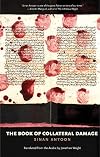
Another impressive work. I read The Corpse Washer last year and thought it strikingly well done. This is a longer work: more complex, more nuanced, but again quite thought-provoking. Nameer, an Iraqi earning a Ph.D. at Harvard, is hired by documentary filmmakers to help them chronicle the devastation caused by the 2003 invasion of Iraq. While there, he meets an eccentric bookseller who is cataloging everything destroyed by war: objects, memories, buildings, manuscripts, animals, flowers and, show more of course, humans. Nameer becomes obsessed with the catalogue and the project, even as Antoon interweaves Nameer’s life as a scholar in the U.S. The text contains several dozen “colloquys,” meditations of people and of animate and inanimate objects—virtually all of which are provocative and even inspiring. Ultimately, the book is an innovative set of reflections on the cost of war and the function of memory. Strongly recommend. show less
I randomly stumbled across a used copy of this book at the bookstore and picked it up mostly because I hadn't read many books from Iraq. Months later it became my first read for the April in Arabia and Read the World 21 challenges on bookstagram.
This book is an experimental prison novel. The protagonist is arrested for reasons that are never really made explicit. The novel is told in non-linear fragments with the repeated refrain "I awoke to find myself (t)here." The fragments depict life show more under an authoritarian regime during the Iraq-Iran War, between the two American wars in the region. The story has a Kafkaesque feel, in a society where you are "free" to do anything but have your own thoughts or feelings, and public displays of gratitude are regularly insisted upon.
There is also a meta-narrative representing this book as a found document — specifically papers found in the prison in preparation for a move — handwritten without dots. Because in Arabic, dots can radically change one word to many others, it requires a level of translation by someone going in and adding the dots — the intended meaning usually clear by context, but not always. There were sometimes "notes from the translator" on this uncertainties.
Overall I found the form very effective in evoking the struggle to hold on to one's identity in such a dehumanizing system, and the power of language, writing, and reading. show less
This book is an experimental prison novel. The protagonist is arrested for reasons that are never really made explicit. The novel is told in non-linear fragments with the repeated refrain "I awoke to find myself (t)here." The fragments depict life show more under an authoritarian regime during the Iraq-Iran War, between the two American wars in the region. The story has a Kafkaesque feel, in a society where you are "free" to do anything but have your own thoughts or feelings, and public displays of gratitude are regularly insisted upon.
There is also a meta-narrative representing this book as a found document — specifically papers found in the prison in preparation for a move — handwritten without dots. Because in Arabic, dots can radically change one word to many others, it requires a level of translation by someone going in and adding the dots — the intended meaning usually clear by context, but not always. There were sometimes "notes from the translator" on this uncertainties.
Overall I found the form very effective in evoking the struggle to hold on to one's identity in such a dehumanizing system, and the power of language, writing, and reading. show less
Lists
Awards


You May Also Like


Associated Authors
Statistics
- Works
- 25
- Also by
- 5
- Members
- 375
- Popularity
- #64,332
- Rating
- 4.0
- Reviews
- 20
- ISBNs
- 35
- Languages
- 6