
Fernando Aramburu
Author of Homeland
About the Author
Works by Fernando Aramburu
Noche de relatos 4 copies
Mariluz y los ninos voladores/ Mariluz and Flying Children (El Barco De Vapor) (Spanish Edition) (2003) 2 copies
Nach der Erzahlungen 1 copy
Le Petit 1 copy
Associated Works
Tagged
Common Knowledge
- Legal name
- Aramburu, Fernando
Aramburu Irigoyen, Fernando - Birthdate
- 1959
- Gender
- male
- Occupations
- writer
lecturer on Spanish - Awards and honors
- Premio Euskadi (2001)
Premio Ramón Gómez de la Serna (1997) - Nationality
- Basque
- Birthplace
- San Sebastián, Spain
- Places of residence
- Hannover, Germany
- Map Location
- Spain
Members
Reviews
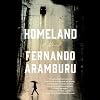
The Mothers’ Tales
Translated by Alfred MacAdam
Read by David Pittu
Length: 20 hrs and 2 mins
“I wrote against crimes committed with a political excuse, in the name of a homeland where a handful of armed people, with the shameful support of a section of society, determine who belongs to that homeland and who should leave or disappear. I wrote without hatred against the language of hatred and against the oblivion propagated by those who try to invent a history with which to justify their show more project and their totalitarian beliefs.” - Fernando Aramburu
So wrote the author of this excellent novel of how terrorism affects us all. These words could be written of so many conflicts we are experiencing on earth today. The conflict of Homeland is the Basque conflict of that ended in 2011.
I knew little of the Basque conflict before reading Homeland, but it didn’t really matter. It came hard on me reading Brotherless Night - which I’m pleased to see won the Women’s’ Prize for Fiction this year - which tells a similar story.
Like the Tamil conflict and so many others, the Basque conflict was about land, and the more violent factions that indulged in terrorism.
I tried reading Homeland in its original Spanish, but there was a lot of Basque evident in the characters’ names and in some of their conversations. I gave up and finished Homeland in the English translation.
What is wonderful about Homeland is the way the story of the two families is told by the two mothers talking. They talk not to other people, but to an imagined husband in one case, and in the other to a statue of a saint.
Both families are Basque. One is aligned to the terrorist organization - ETA and the other wants peace, while retaining cultural identity.
Bittori and Miren were once close friends. Both Basque and mothers of extended families, their lives are torn apart when Bittori’s husband is murdered by the terrorist ETA, and Miren’s oldest son Joxe Mari is suspect.
Miren is religious and stands firmly behind her son, whether innocent or not. She goes to church daily where she talks to a statue of San Sebastián as if her were a close friend. Through these one-way conversations we learn not only about Miren, but about the rest of her family, particularly her children, and the Basque villagers.
Bittori is not a believer. She visits her husband’s grave daily and tells him about how she is feeling, about what is going on in their Basque families, their children and their village. She knows he can’t hear her but she needs to talk to someone. Talking at her husband’s graveside is a form of therapy.
Though Homeland is largely told through the two women there’s a lot more to the book than the families and village life. There’s the exposure of the non-cultural - that is, political and economic causes of the conflict, and side stories that lend moral twists.
But it’s the two women talking intimately to non-beings that puts the humanity into the book. Miren takes Saint Sebastian to task. She talks to the statue as if it were a living breathing entity. When things don’t go her way she is annoyed at the saint. If you can’t get Joxe Mari out of prison she sneers at the statue, at least cure his hemorrhoids.
The story of two families torn apart by terrorism is thus gently told. I highly recommend this wonder of a novel. show less
Translated by Alfred MacAdam
Read by David Pittu
Length: 20 hrs and 2 mins
“I wrote against crimes committed with a political excuse, in the name of a homeland where a handful of armed people, with the shameful support of a section of society, determine who belongs to that homeland and who should leave or disappear. I wrote without hatred against the language of hatred and against the oblivion propagated by those who try to invent a history with which to justify their show more project and their totalitarian beliefs.” - Fernando Aramburu
So wrote the author of this excellent novel of how terrorism affects us all. These words could be written of so many conflicts we are experiencing on earth today. The conflict of Homeland is the Basque conflict of that ended in 2011.
I knew little of the Basque conflict before reading Homeland, but it didn’t really matter. It came hard on me reading Brotherless Night - which I’m pleased to see won the Women’s’ Prize for Fiction this year - which tells a similar story.
Like the Tamil conflict and so many others, the Basque conflict was about land, and the more violent factions that indulged in terrorism.
I tried reading Homeland in its original Spanish, but there was a lot of Basque evident in the characters’ names and in some of their conversations. I gave up and finished Homeland in the English translation.
What is wonderful about Homeland is the way the story of the two families is told by the two mothers talking. They talk not to other people, but to an imagined husband in one case, and in the other to a statue of a saint.
Both families are Basque. One is aligned to the terrorist organization - ETA and the other wants peace, while retaining cultural identity.
Bittori and Miren were once close friends. Both Basque and mothers of extended families, their lives are torn apart when Bittori’s husband is murdered by the terrorist ETA, and Miren’s oldest son Joxe Mari is suspect.
Miren is religious and stands firmly behind her son, whether innocent or not. She goes to church daily where she talks to a statue of San Sebastián as if her were a close friend. Through these one-way conversations we learn not only about Miren, but about the rest of her family, particularly her children, and the Basque villagers.
Bittori is not a believer. She visits her husband’s grave daily and tells him about how she is feeling, about what is going on in their Basque families, their children and their village. She knows he can’t hear her but she needs to talk to someone. Talking at her husband’s graveside is a form of therapy.
Though Homeland is largely told through the two women there’s a lot more to the book than the families and village life. There’s the exposure of the non-cultural - that is, political and economic causes of the conflict, and side stories that lend moral twists.
But it’s the two women talking intimately to non-beings that puts the humanity into the book. Miren takes Saint Sebastian to task. She talks to the statue as if it were a living breathing entity. When things don’t go her way she is annoyed at the saint. If you can’t get Joxe Mari out of prison she sneers at the statue, at least cure his hemorrhoids.
The story of two families torn apart by terrorism is thus gently told. I highly recommend this wonder of a novel. show less
Es curioso. Esta es una novela intimista, que narra la historia de dos familias del mismo pueblo. Una de ellas perdió al padre víctima de un atentado de ETA. Otra tiene a un hijo, etarra, preso en el Puerto de Santa María. Y ambas familias era íntimas cuando los niños eran pequeños. A partir de estos pocos personajes el autor reconstruye, monumentalmente además, la historia reciente de Euskadi. La vida en los pequeños pueblos abertzales, el tratamiento del "conflicto", las show more interacciones entre los de un lado y los del otro, y que hay gente que transiciona entre ambos lados como zonas de un continuo.
Me ha parecido una novela magnífica, tanto en el tratamiento del "conflicto" como en el desarrollo de todos los personajes. Es un libro de historia y es una novela costumbrista. Es muchísimas cosas. Fantástica. show less
Me ha parecido una novela magnífica, tanto en el tratamiento del "conflicto" como en el desarrollo de todos los personajes. Es un libro de historia y es una novela costumbrista. Es muchísimas cosas. Fantástica. show less
Soms staat er in mijn minibieb ineens een boek dat ik moet lezen. Dat had ik bij deze dikke pil niet meteen door. Totdat ik eens iets verder keek. Aramburu, dat moet een Baskische naam zijn. En de Baskische cultuur vind ik boeiend. De Basken waarmee ik samenwerkte in Spanje waren allemaal sympathiek. De Basken die we tegenkwamen op vakantie daar allemaal gastvrij. Natuurlijk, er bestaat zoiets als de ETA, maar zelfs die hadden – voor terroristen – sympathieke trekjes (vertel ik altijd in show more de topolessen, met als voorbeeld dat ze regelmatig een bomaanslag aankondigden, om onschuldige slachtoffers te vermijden).
Maar zelfs al heb je sympathieke trekjes, het blijven terroristen. En dat lezen we mooi in dit boek. Twee families uit een klein Baskisch dorp gaan veel met elkaar om. Maar de kinderen kiezen hun eigen pad. Wie staat er voor de nationalistische zaak? Wie kiest er voor de eigen carrière? En dan blijkt er een afpersingsbrief te liggen op het bureau van de ondernemer. Voorheen een man met aanzien in het dorp, nu een paria als hij besluit de brief te negeren.
Alles veranderd. Hoe ga je met elkaar om in het dorp, hoe vertel je het je kinderen, hoe kijk je naar de politiek, hoe leef je verder? Mijn hoofd was helemaal in Baskenland. Vele uitstapjes (zowel plaats als tijd) in het verhaal, maar allemaal ten dienste van het verhaal, nuttig om de hoofdfiguren nog beter te begrijpen.
Aramburu schreef een magnus opus, een zware kwalificatie zonder zijn andere werk te kennen, maar ik ben overtuigd dat een goede schrijver een enkel magnus opus heeft. Dit moet het zijne zijn. Ondanks dat het een dik boek is, geen overbodig bijvoeglijk naamwoord te vinden in het hele boek. Alle verhaallijnen komen prachtig samen, alle standpunten van de vele karakters worden mooi uitgediept. Wil je ook maar iets begrijpen van de Baskische cultuur, wil je de ETA begrijpen, wil je een prachtig verhaal lezen, het kan allemaal met dit boek. Dank voor de anonieme voorbijganger die dit boek (een recensie-exemplaar nog wel) in mijn minibieb achter liet. Volgende keer in Spanje maar eens kijken of er ook dunnere boeken van hem zijn, of zijn Spaans voor mij te volgen is.
Citaat: “’Daarnaast schreef ik tegen misdaden die met een politiek excuus worden gepleegd, in naam van een vaderland waar een handjevol gewapende mensen, met de schandelijke steun van een gedeelte van de samenleving, bepaalt wie tot dat vaderland behoort en wie moet vertrekken of verdwijnen. Ik schreef zonder haat tegen de taal van de haat en tegen de vergetelheid die wordt gepropageerd door degenen die een geschiedenis proberen te verzinnen waarmee ze hun project en hun totalitaire overtuigingen kunnen rechtvaardigen’” (p.490) show less
Maar zelfs al heb je sympathieke trekjes, het blijven terroristen. En dat lezen we mooi in dit boek. Twee families uit een klein Baskisch dorp gaan veel met elkaar om. Maar de kinderen kiezen hun eigen pad. Wie staat er voor de nationalistische zaak? Wie kiest er voor de eigen carrière? En dan blijkt er een afpersingsbrief te liggen op het bureau van de ondernemer. Voorheen een man met aanzien in het dorp, nu een paria als hij besluit de brief te negeren.
Alles veranderd. Hoe ga je met elkaar om in het dorp, hoe vertel je het je kinderen, hoe kijk je naar de politiek, hoe leef je verder? Mijn hoofd was helemaal in Baskenland. Vele uitstapjes (zowel plaats als tijd) in het verhaal, maar allemaal ten dienste van het verhaal, nuttig om de hoofdfiguren nog beter te begrijpen.
Aramburu schreef een magnus opus, een zware kwalificatie zonder zijn andere werk te kennen, maar ik ben overtuigd dat een goede schrijver een enkel magnus opus heeft. Dit moet het zijne zijn. Ondanks dat het een dik boek is, geen overbodig bijvoeglijk naamwoord te vinden in het hele boek. Alle verhaallijnen komen prachtig samen, alle standpunten van de vele karakters worden mooi uitgediept. Wil je ook maar iets begrijpen van de Baskische cultuur, wil je de ETA begrijpen, wil je een prachtig verhaal lezen, het kan allemaal met dit boek. Dank voor de anonieme voorbijganger die dit boek (een recensie-exemplaar nog wel) in mijn minibieb achter liet. Volgende keer in Spanje maar eens kijken of er ook dunnere boeken van hem zijn, of zijn Spaans voor mij te volgen is.
Citaat: “’Daarnaast schreef ik tegen misdaden die met een politiek excuus worden gepleegd, in naam van een vaderland waar een handjevol gewapende mensen, met de schandelijke steun van een gedeelte van de samenleving, bepaalt wie tot dat vaderland behoort en wie moet vertrekken of verdwijnen. Ik schreef zonder haat tegen de taal van de haat en tegen de vergetelheid die wordt gepropageerd door degenen die een geschiedenis proberen te verzinnen waarmee ze hun project en hun totalitaire overtuigingen kunnen rechtvaardigen’” (p.490) show less
Un libro profondo e ampio che affronta un tema locale ai Paesi Baschi, ma che ha una valenza universale. Un libro dove, dietro ideologie, partiti e ideali, si muovono sempre e solo esseri umani con i loro entusiasmi, le loro sofferenze e i loro errori, a volte immensi.
All'inizio non è facile orientarsi in questo paesaggio di nomi, intrecci di parentele e affiliazioni, ma poi, gradualmente, pagina dopo pagina, i vari personaggi emergono in tutta la loro tridimensionalità.
Nelle prime show more pagine, anche lo stile dell'autore a volte mi sfuggiva. In particolare, quando passa dalla terza alla prima persona nel mezzo di una frase per esprimere un pensiero del personaggio del momento e per enfatizzare un sentimento o un'emozione.
Aramburu riesce a muoversi su un terreno minato con delicatezza, rispettando tutti i protagonisti di un periodo sanguinoso e carico di sofferenze. Ne esce senza assumere una posizione esplicita, ma riaffermando il valore dell'essere umano sopra ogni altra cosa, anche quando commette errori terribili.
Non posso che ammirare questa fiducia illimitata nell'umanità e nel fatto che, con il tempo, questa possa prevalere e vincere su tutto il resto. Certo, nessuno resusciterà le vittime né cancellerà le sofferenze, ma se esiste una via di uscita, questa passa per il riconoscersi nell'altro, per l'empatia e l'accettazione del passato, e per il perdono. show less
All'inizio non è facile orientarsi in questo paesaggio di nomi, intrecci di parentele e affiliazioni, ma poi, gradualmente, pagina dopo pagina, i vari personaggi emergono in tutta la loro tridimensionalità.
Nelle prime show more pagine, anche lo stile dell'autore a volte mi sfuggiva. In particolare, quando passa dalla terza alla prima persona nel mezzo di una frase per esprimere un pensiero del personaggio del momento e per enfatizzare un sentimento o un'emozione.
Aramburu riesce a muoversi su un terreno minato con delicatezza, rispettando tutti i protagonisti di un periodo sanguinoso e carico di sofferenze. Ne esce senza assumere una posizione esplicita, ma riaffermando il valore dell'essere umano sopra ogni altra cosa, anche quando commette errori terribili.
Non posso che ammirare questa fiducia illimitata nell'umanità e nel fatto che, con il tempo, questa possa prevalere e vincere su tutto il resto. Certo, nessuno resusciterà le vittime né cancellerà le sofferenze, ma se esiste una via di uscita, questa passa per il riconoscersi nell'altro, per l'empatia e l'accettazione del passato, e per il perdono. show less
Lists
Awards


You May Also Like


Associated Authors
Statistics
- Works
- 41
- Also by
- 2
- Members
- 2,052
- Popularity
- #12,527
- Rating
- 4.0
- Reviews
- 120
- ISBNs
- 192
- Languages
- 18
- Favorited
- 2