
Gill Hornby
Author of Miss Austen
Series
Works by Gill Hornby
Tagged
Common Knowledge
- Birthdate
- 1959
- Gender
- female
- Occupations
- writer
- Relationships
- Harris, Robert (1) (husband)
Hornby, Nick (brother) - Nationality
- UK
- Places of residence
- Newbury, Berkshire, England, UK
- Associated Place (for map)
- England, UK
Members
Reviews
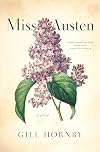
For whoever looked at an elderly lady and saw the young heroine she once was?~from Miss Austen by Gill Hornby
I am old. I am older than my mother and her brothers and two grandfathers were when they died. I am two aunts away from being the eldest on my mother's side of the family, and an aunt and a cousin away from being the eldest on my father's side. I have become a living keeper of memories of times that predate most of my family's birth.
I am also the family genealogist, a role inherited show more from my grandfather along with his papers after his death. I know things. I know things no one else knows, things that I have kept mostly to myself. I debate about making public this knowledge but am reluctant to cast a dark shadow on the memory of beloved relatives.
I understand why Cassandra Austen was adamant about obtaining Jane's private letters, culling out those too personal, that revealed too much about her beloved sister's life. For as small a footprint as our lives may leave, some things should remain unknown, private, sacred.
And Cassandra saw now, understood for the first time, the immensity of the task she had lately set herself: How impossible it was to control the narrative of one family's history.~ from Miss Austen by Gill Hornby
Miss Austen is the story of an aging Cassandra Austen on a mission to retrieve her sister's letters from the estate of a beloved friend. For in these letters Jane had poured out her despair and depression following her father's retirement and later death, her hasty acceptance of the marriage proposal she soon broke, and the startling story of Cassandra's rejection of a marriage proposal, which had she accepted would have entailed breaking her vow to marry Tom Fowle or no man.
Church tradition allowed the relicts of the family two months to vacate the house for the next incumbent.(...)Poor Isabella. The task before her was bleak, miserable, arduous: just two months to clear the place that had been their home for ninety-nine years!~from Miss Austen by Gill Hornby
Tom Fowle's family included three generations of clergymen who inhabited the vicarage, but the chain had ended. The widow of the last vicar, Isabella Fowle had to pack it all up, distribute family heirlooms to her brothers, and find herself a place to live--all in two months. The new vicar was pressing for an even earlier removal.
--to leave a vicarage was to be cast out of Eden. There were only trial and privation ahead.~from Miss Austen by Gill Hornby
Cassandra Austen arrives to 'help' out, but really to locate the letters she and Jane had sent to Isabella's mother Eliza, their dear friend.
The trip brings back memories. Tom was one of Rev. Austen's boarding scholars and had known Cassandra since she was a young child. When Cassandra agreed to marry him, he was impatient to gain a position to support them. When Lord Craven offered Tom a living if he accompanied him as his private minister to the Caribbean he readily agreed. Yellow Fever claimed his life.
Reading the letters she finds takes Cassandra back to when her family had to leave Stevenson. After their father's death, Jane and Cassandra and their mother had no permanent abode, little income, and no place for Jane to flourish and write her novels. Their society of beloved friends was replaced by a turnstile of acquaintances and vapid conversation.
Oh, how deeply I felt for these removals from a parsonage home! After the birth of our son, living in a parsonage became problematic for me. If anything happened to my husband, I had one month to move out! I had no job or income, a baby, a house full of belongings. It terrified me to know how vulnerable I was because of the parsonage system.
The scenes in Pride and Prejudice with Mrs. Bennett agonizing over the Collinses inheriting her home mirrors what Jane must have known, losing the only home she had ever known, the piano, the library, friends, everything that made life enjoyable.
Gill Hornby's portrait feels probable but upset me because I wanted Cassandra to have a happy ending, not the one she chooses.
Miss Austen is a dark novel, like Persuasion which Cassandra reads aloud in the book. Jane appears in flashback scenes with the wicked wit we love her for, but also in her darkest days, the Jane we would prefer to forget.
I also have to mention that during her visit to Manydown, Cassandra works on a patchwork quilt. With swollen fingers, she plied her needle intermittently.
I was given access to a free ebook by the publisher through NetGalley. My review is fair and unbiased. show less
I am old. I am older than my mother and her brothers and two grandfathers were when they died. I am two aunts away from being the eldest on my mother's side of the family, and an aunt and a cousin away from being the eldest on my father's side. I have become a living keeper of memories of times that predate most of my family's birth.
I am also the family genealogist, a role inherited show more from my grandfather along with his papers after his death. I know things. I know things no one else knows, things that I have kept mostly to myself. I debate about making public this knowledge but am reluctant to cast a dark shadow on the memory of beloved relatives.
I understand why Cassandra Austen was adamant about obtaining Jane's private letters, culling out those too personal, that revealed too much about her beloved sister's life. For as small a footprint as our lives may leave, some things should remain unknown, private, sacred.
And Cassandra saw now, understood for the first time, the immensity of the task she had lately set herself: How impossible it was to control the narrative of one family's history.~ from Miss Austen by Gill Hornby
Miss Austen is the story of an aging Cassandra Austen on a mission to retrieve her sister's letters from the estate of a beloved friend. For in these letters Jane had poured out her despair and depression following her father's retirement and later death, her hasty acceptance of the marriage proposal she soon broke, and the startling story of Cassandra's rejection of a marriage proposal, which had she accepted would have entailed breaking her vow to marry Tom Fowle or no man.
Church tradition allowed the relicts of the family two months to vacate the house for the next incumbent.(...)Poor Isabella. The task before her was bleak, miserable, arduous: just two months to clear the place that had been their home for ninety-nine years!~from Miss Austen by Gill Hornby
Tom Fowle's family included three generations of clergymen who inhabited the vicarage, but the chain had ended. The widow of the last vicar, Isabella Fowle had to pack it all up, distribute family heirlooms to her brothers, and find herself a place to live--all in two months. The new vicar was pressing for an even earlier removal.
--to leave a vicarage was to be cast out of Eden. There were only trial and privation ahead.~from Miss Austen by Gill Hornby
Cassandra Austen arrives to 'help' out, but really to locate the letters she and Jane had sent to Isabella's mother Eliza, their dear friend.
The trip brings back memories. Tom was one of Rev. Austen's boarding scholars and had known Cassandra since she was a young child. When Cassandra agreed to marry him, he was impatient to gain a position to support them. When Lord Craven offered Tom a living if he accompanied him as his private minister to the Caribbean he readily agreed. Yellow Fever claimed his life.
Reading the letters she finds takes Cassandra back to when her family had to leave Stevenson. After their father's death, Jane and Cassandra and their mother had no permanent abode, little income, and no place for Jane to flourish and write her novels. Their society of beloved friends was replaced by a turnstile of acquaintances and vapid conversation.
Oh, how deeply I felt for these removals from a parsonage home! After the birth of our son, living in a parsonage became problematic for me. If anything happened to my husband, I had one month to move out! I had no job or income, a baby, a house full of belongings. It terrified me to know how vulnerable I was because of the parsonage system.
The scenes in Pride and Prejudice with Mrs. Bennett agonizing over the Collinses inheriting her home mirrors what Jane must have known, losing the only home she had ever known, the piano, the library, friends, everything that made life enjoyable.
Gill Hornby's portrait feels probable but upset me because I wanted Cassandra to have a happy ending, not the one she chooses.
Miss Austen is a dark novel, like Persuasion which Cassandra reads aloud in the book. Jane appears in flashback scenes with the wicked wit we love her for, but also in her darkest days, the Jane we would prefer to forget.
I also have to mention that during her visit to Manydown, Cassandra works on a patchwork quilt. With swollen fingers, she plied her needle intermittently.
I was given access to a free ebook by the publisher through NetGalley. My review is fair and unbiased. show less
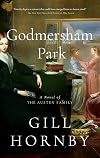
Anne Sharp was a real person. She was young Fanny Austen's governess. And she did develop a lifetime friendship with Fanny's aunt, Jane Austen. Those are the facts we know. We do not know what brought her to working as a governess and what her early life was like but luckily we have Gill Hornby, who has imagined a rich and interesting backstory for Anne and fleshed out her life at Godmersham Park, the inherited home of Edward Austen (eventually known as Edward Austen Knight). Godmersham Park show more is not a story of Jane Austen. It is a story of Anne Sharp, who became her friend but who lived the kind of life that so many women without male protectors or kind relatives might face in that time.
Anne Sharp is 31 years old. Her mother has died and her adoring father has inexplicably abandoned her. Gently raised and alone in the world save her old nurse, she has few options for her future life. She can accept the marriage proposal from the leering and odious lawyer who tells her of her straightened circumstances or she can take one of the only other avenues available to an educated woman in the early 1800s in England: she can become a governess. Although being a governess is a rather tenuous position, neither upstairs nor downstairs and employed completely at the discretion of the master or mistress of the house, it is still a respectable position. Anne takes up her first post at Godmersham Park, the Kent estate of Edward Austen, as the governess to 12 year old Fanny Austen, the oldest child and daughter of the house.
As Anne settles into her role as governess she must learn her place adjacent to the family. She suffers the animus of many of the other servants but she genuinely likes her charge and finds life at Godmersham Park mostly comfortable and untaxing. She is lonely though. She doesn't entirely approve of Henry Austen, Mr. Edward's good humored and playful brother who visits often. He is much beloved by the family and while Anne sometimes enjoys sparring with him, she is also always cognizant of her place and incredibly frustrated when he teasingly crosses lines that could cost her. When the newly widowed Mrs. Austen, Cassandra Austen, and Jane Austen come to Kent, Anne's intellect can shine and she revels in their comfortable and welcoming company. But that shining may be one more piece in her eventual downfall.
Hornby has created an intriguing and certainly possible backstory for Anne Sharp. The narrative goes back and forth between the present of Anne's life in the Austen household and her past as she tries to understand why she has been forsaken by her father. The reason is quite obvious to the reader though, even if not to Anne. There are glimpses of Anne's skill as a teacher and her great understanding of the pitfalls of being a woman in her time, especially one who has no wish to marry. She is both an advocate for women's right to self-determination and freedom and very cognizant of reality. The book is historically accurate and Hornby has woven fact and fiction together seamlessly, using Fanny's childhood diaries as a major source for her characterizations. This is not a Jane story but it is smart and compelling (and sometimes horrific) and gives an intriguing glimpse into the well to do life of Edward Austen, his family, and into the life of an intelligent and perceptive governess during her two years with such a family. show less
Anne Sharp is 31 years old. Her mother has died and her adoring father has inexplicably abandoned her. Gently raised and alone in the world save her old nurse, she has few options for her future life. She can accept the marriage proposal from the leering and odious lawyer who tells her of her straightened circumstances or she can take one of the only other avenues available to an educated woman in the early 1800s in England: she can become a governess. Although being a governess is a rather tenuous position, neither upstairs nor downstairs and employed completely at the discretion of the master or mistress of the house, it is still a respectable position. Anne takes up her first post at Godmersham Park, the Kent estate of Edward Austen, as the governess to 12 year old Fanny Austen, the oldest child and daughter of the house.
As Anne settles into her role as governess she must learn her place adjacent to the family. She suffers the animus of many of the other servants but she genuinely likes her charge and finds life at Godmersham Park mostly comfortable and untaxing. She is lonely though. She doesn't entirely approve of Henry Austen, Mr. Edward's good humored and playful brother who visits often. He is much beloved by the family and while Anne sometimes enjoys sparring with him, she is also always cognizant of her place and incredibly frustrated when he teasingly crosses lines that could cost her. When the newly widowed Mrs. Austen, Cassandra Austen, and Jane Austen come to Kent, Anne's intellect can shine and she revels in their comfortable and welcoming company. But that shining may be one more piece in her eventual downfall.
Hornby has created an intriguing and certainly possible backstory for Anne Sharp. The narrative goes back and forth between the present of Anne's life in the Austen household and her past as she tries to understand why she has been forsaken by her father. The reason is quite obvious to the reader though, even if not to Anne. There are glimpses of Anne's skill as a teacher and her great understanding of the pitfalls of being a woman in her time, especially one who has no wish to marry. She is both an advocate for women's right to self-determination and freedom and very cognizant of reality. The book is historically accurate and Hornby has woven fact and fiction together seamlessly, using Fanny's childhood diaries as a major source for her characterizations. This is not a Jane story but it is smart and compelling (and sometimes horrific) and gives an intriguing glimpse into the well to do life of Edward Austen, his family, and into the life of an intelligent and perceptive governess during her two years with such a family. show less
Call it lucky, or call it cruel, but when the Knight family offered to take Edward Austen as their son and heir to their fortunes and lands, his parents knew it would benefit their son and their entire family. A wealthy son could be a lifeline.
Edward inherited Godmersham Park, and wealth and lands, married a fashionable woman, and had numerous children to provide for. After his father’s death, and his family’s loss of his pension, he did what he could–what he would–to help his mother show more and siblings. Part of that obligation was met by welcoming them into his home for extended visits.
Brother Henry was always welcome. He was charming and lively. Sister Cassandra was quiet and helpful, good with the younger children. His mother and sister Jane were problematic, too witty and opinionated, too willing to talk about books and other unwomanly subjects.
In 1804 the Knights hired a governess for their eldest daughter, Fanny, who was eleven. Henry’s friend recommended Anne Sharp. Raised in luxury, well educated, and pretty, with the death of Ann’s mother came poverty. Her father had disappeared from their lives and left her a mere 35 pounds per annum to live on. Anne donned plain garb, adjusted her attitude to fit into the role of lowly governess, and with dread reported to Godmersham Hall.
Contending with crippling headaches, mistreatment by the cook and staff, constrained in a limited role, lonely and uncertain, Anne also has another problem. The handsome Henry Austen. He is a danger to her, his attention unwelcome, her attraction hopeless. When his sister Jane arrives, she is nearly his image, sharing his openness, wit, and high spirits. Jane treats Anne as an equal and their friendship slowly blooms for both are literary and secretly write.
Gill Hornby culls from Fanny Austen’s diaries, Austen family letters, and other breadcrumbs left behind to piece together a story of Anne’s life and her relationship with Jane Austen. A Secret Sisterhood by Emily Midorikawa and Emma Claire Sweeney first introduced me to Anne Sharp. Hornby brings to life the story they tell.
I enjoyed how the novel channeled Jane Austen and her family, just as I had imagined them. Hornby vividly portrays the limited and proscribed roles available to women, who were forced to marry men they did not love, or to live precariously or in poverty. “This was the fundamental flaw in the institution of marriage,” Anne considers, “She who endures a union of chilly dislike…could reasonable expect to live on into a cheerless old age. Meanwhile, the likes of Elizabeth Austen, blessed with true love and a real, mutual attraction, might well not survive to her fortieth year.”
Once married, a woman had child after child, often until it killed her. As it did Elizabeth Austen after her eleventh baby. “We can generally expect one every eighteen months or so,” Fanny explained to Anne when she arrived. And a woman had little recourse, although one servant explained that after nine children, her mother “sleeps with a rolling pin.” Such was birth control in the 1800s.
I enjoyed Hornby’s previous novel Miss Austen, which imagines Cassandra Austen’s life after Jane’s passing. I was quite transported by Godmersham Park, which often feels as if from Austen’s own pen, perhaps melded with a less Gothic version of Charlotte Brontes’ Jane Eyre.
I received a free egalley from the publisher through NetGalley. My review is fair and unbiased. show less
Edward inherited Godmersham Park, and wealth and lands, married a fashionable woman, and had numerous children to provide for. After his father’s death, and his family’s loss of his pension, he did what he could–what he would–to help his mother show more and siblings. Part of that obligation was met by welcoming them into his home for extended visits.
Brother Henry was always welcome. He was charming and lively. Sister Cassandra was quiet and helpful, good with the younger children. His mother and sister Jane were problematic, too witty and opinionated, too willing to talk about books and other unwomanly subjects.
In 1804 the Knights hired a governess for their eldest daughter, Fanny, who was eleven. Henry’s friend recommended Anne Sharp. Raised in luxury, well educated, and pretty, with the death of Ann’s mother came poverty. Her father had disappeared from their lives and left her a mere 35 pounds per annum to live on. Anne donned plain garb, adjusted her attitude to fit into the role of lowly governess, and with dread reported to Godmersham Hall.
Contending with crippling headaches, mistreatment by the cook and staff, constrained in a limited role, lonely and uncertain, Anne also has another problem. The handsome Henry Austen. He is a danger to her, his attention unwelcome, her attraction hopeless. When his sister Jane arrives, she is nearly his image, sharing his openness, wit, and high spirits. Jane treats Anne as an equal and their friendship slowly blooms for both are literary and secretly write.
Gill Hornby culls from Fanny Austen’s diaries, Austen family letters, and other breadcrumbs left behind to piece together a story of Anne’s life and her relationship with Jane Austen. A Secret Sisterhood by Emily Midorikawa and Emma Claire Sweeney first introduced me to Anne Sharp. Hornby brings to life the story they tell.
I enjoyed how the novel channeled Jane Austen and her family, just as I had imagined them. Hornby vividly portrays the limited and proscribed roles available to women, who were forced to marry men they did not love, or to live precariously or in poverty. “This was the fundamental flaw in the institution of marriage,” Anne considers, “She who endures a union of chilly dislike…could reasonable expect to live on into a cheerless old age. Meanwhile, the likes of Elizabeth Austen, blessed with true love and a real, mutual attraction, might well not survive to her fortieth year.”
Once married, a woman had child after child, often until it killed her. As it did Elizabeth Austen after her eleventh baby. “We can generally expect one every eighteen months or so,” Fanny explained to Anne when she arrived. And a woman had little recourse, although one servant explained that after nine children, her mother “sleeps with a rolling pin.” Such was birth control in the 1800s.
I enjoyed Hornby’s previous novel Miss Austen, which imagines Cassandra Austen’s life after Jane’s passing. I was quite transported by Godmersham Park, which often feels as if from Austen’s own pen, perhaps melded with a less Gothic version of Charlotte Brontes’ Jane Eyre.
I received a free egalley from the publisher through NetGalley. My review is fair and unbiased. show less
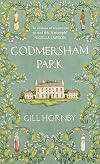
The premise of Godmersham Park by Gill Hornby appealed to me in part because of the main character’s connection with Jane Austen. Though little detail is known about their relationship, Anne Sharp and Jane first met during the period that Anne was engaged as a governess at Godmersham Park for Fanny Austen Knight, Jane's niece, and remained close friends until Jane’s death.
Anne Sharp is 31 years old when she arrives at Godmersham Park, the Kent country estate of Edward and Elizabeth show more Austen, employed to educate their 12 year old daughter Fanny, the eldest of eight children. Though she has no experience in the position of governess, having until recently been raised in comfort, she is determined to do her best, and serve the Austen family well.
Hornby seamlessly blends history with imagination to tell the story of Anne’s time at Godmersham Park. The people Anne meets, close family and friends of the Austen’s, are real figures, whom the author lists at the beginning of the novel. Many of the events that take place in the story were drawn from Fanny’s preserved childhood diaries or correspondence between family members. The estate itself, said to be the inspiration for Jane Austen’s novel Mansfield Park, still stands today and is depicted on the 2017 Bank of England £10 note.
A refined and intelligent woman, educating Fanny poses no real difficulties for Anne but finding her place within the household proves to be more of a challenge. Anne is often lonely, and though she becomes friendly with regular houseguests Hariott Bridges, the younger sister of Elizabeth, Henry Austen, Edward’s younger brother with whom Anne forms an unwise attachment, and later Jane Austen herself, there is a distance dictated by her position. A sympathetic character given her circumstances and ill-health, I liked Anne well enough, but I didn’t really grow fond of her.
The story moves at a sedate pace as life unfolds at Godmersham Park. It’s a reasonably busy household with so many children, visiting houseguests, and family events, but not a particularly active one, and I felt the story lacked energy. While there are occasional instances of open conflict, most of the drama centres on Anne’s inner emotional turmoil, which I sometimes found overwrought.
Godmersham Park is a pleasant enough novel but I felt the story sacrificed dynamism for historical accuracy. It’s probably best suited for fans interested in its connections to Jane. show less
Anne Sharp is 31 years old when she arrives at Godmersham Park, the Kent country estate of Edward and Elizabeth show more Austen, employed to educate their 12 year old daughter Fanny, the eldest of eight children. Though she has no experience in the position of governess, having until recently been raised in comfort, she is determined to do her best, and serve the Austen family well.
Hornby seamlessly blends history with imagination to tell the story of Anne’s time at Godmersham Park. The people Anne meets, close family and friends of the Austen’s, are real figures, whom the author lists at the beginning of the novel. Many of the events that take place in the story were drawn from Fanny’s preserved childhood diaries or correspondence between family members. The estate itself, said to be the inspiration for Jane Austen’s novel Mansfield Park, still stands today and is depicted on the 2017 Bank of England £10 note.
A refined and intelligent woman, educating Fanny poses no real difficulties for Anne but finding her place within the household proves to be more of a challenge. Anne is often lonely, and though she becomes friendly with regular houseguests Hariott Bridges, the younger sister of Elizabeth, Henry Austen, Edward’s younger brother with whom Anne forms an unwise attachment, and later Jane Austen herself, there is a distance dictated by her position. A sympathetic character given her circumstances and ill-health, I liked Anne well enough, but I didn’t really grow fond of her.
The story moves at a sedate pace as life unfolds at Godmersham Park. It’s a reasonably busy household with so many children, visiting houseguests, and family events, but not a particularly active one, and I felt the story lacked energy. While there are occasional instances of open conflict, most of the drama centres on Anne’s inner emotional turmoil, which I sometimes found overwrought.
Godmersham Park is a pleasant enough novel but I felt the story sacrificed dynamism for historical accuracy. It’s probably best suited for fans interested in its connections to Jane. show less
Lists
Awards


You May Also Like


Associated Authors
Statistics
- Works
- 9
- Members
- 1,078
- Popularity
- #23,855
- Rating
- 3.7
- Reviews
- 52
- ISBNs
- 98
- Languages
- 8