
J. A. Johnstone
Author of Luke Jensen, Bounty Hunter
About the Author
Series
Works by J. A. Johnstone
A Dangerous Man:: A Novel of William "Wild Bill" Longley (Bad Men of the West) (2014) 32 copies, 1 review
Associated Works
The Ghosts Of Duster 1 copy
Tagged
Common Knowledge
- Gender
- female
- Occupations
- writer
- Relationships
- Johnstone, William W. (uncle)
- Nationality
- USA
- Associated Place (for map)
- USA
Members
Discussions
William and J.A. Johnstone in Book talk (December 2017)
Reviews

fiction- old west (New Mexico Territory area -Las Cruces and El Malpais) adventure with gunfights, pt 3 in a series, but works as a standalone
the fast-paced writing style was fine; while the liberal sprinkling of Spanish words amidst otherwise modern dialogue (to be fair, most of the characters in this particular story were educated and relatively wealthy) didn't seem super realistic, it also didn't detract too much.
I reallycould've done without the descriptions of torture (is that really show more necessary to keep people's attention? what sort of audience are we writing for here?) and **especially** without the dehumanizing descriptions and depictions of all the native American characters (if you believed this book, they're all soulless, violent, expendable savages, with the main distinction between the Yaqui and Apache tribes being that the Yaqui might follow orders and serve as hired goons) -- Sure, I could see how some bad guys might happen to be native, just as some of the bad guys were white, and I kept waiting to see if one individual could be somehow redeemed, allowed an inkling of a backstory, or maybe another character might show up later in a helpful role (which might indicate that the writer was at least trying in an imperfect way to not promote negative stereotypes), but nope, that never happened -- all these characters were sadistic villains to the core. I might have expected this kind of treatment in a book written in the 1950s, even through the 70s and 80s, but this was published in 2009.
picked up from a Little Free Library, part of my trying various popular authors I've never read before--
tldr: read Louis L'Amour instead -- he's a much more skilled writer and storyteller anyway. show less
the fast-paced writing style was fine; while the liberal sprinkling of Spanish words amidst otherwise modern dialogue (to be fair, most of the characters in this particular story were educated and relatively wealthy) didn't seem super realistic, it also didn't detract too much.
I reallycould've done without the descriptions of torture (is that really show more necessary to keep people's attention? what sort of audience are we writing for here?) and **especially** without the dehumanizing descriptions and depictions of all the native American characters (if you believed this book, they're all soulless, violent, expendable savages, with the main distinction between the Yaqui and Apache tribes being that the Yaqui might follow orders and serve as hired goons) -- Sure, I could see how some bad guys might happen to be native, just as some of the bad guys were white, and I kept waiting to see if one individual could be somehow redeemed, allowed an inkling of a backstory, or maybe another character might show up later in a helpful role (which might indicate that the writer was at least trying in an imperfect way to not promote negative stereotypes), but nope, that never happened -- all these characters were sadistic villains to the core. I might have expected this kind of treatment in a book written in the 1950s, even through the 70s and 80s, but this was published in 2009.
picked up from a Little Free Library, part of my trying various popular authors I've never read before--
tldr: read Louis L'Amour instead -- he's a much more skilled writer and storyteller anyway. show less
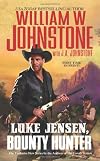
I hadn’t had a western in my book queue for a while so when the opportunity to snap a few up came my way, I grabbed them. I think like many people, I had some preconceived notions about westerns that were misguided. Simplistic cowboy stories that set the stage for the lone American hero. The HBO series, Deadwood changed that idea to some extent. I started to examine the subtext of what these stories were really about.
Luke Jensen tells the first part of the story in a flashback after he is show more injured during getting a bounty. It details his time as a confederate soldier and how he and seven other men were tasked with transporting the last of the Confederate gold to a new location in Georgia as Richmond was under attack and before its fall.
During the course of transporting the gold, the commanding officer is killed during an ambush from Union soldiers. Four of the men, including Luke, decide to remain true to the confederate cause and ensure the gold reaches its destination. The other four, sensing the fall of the confederacy, decide to steal the gold. In the course of the theft, Luke’s companions are killed and Luke is severely injured.
He is then rescued by a farmer and his granddaughter. During the course of recovering on their farm, they all find out that the south has fallen and the war is over. In short order however, northerners move to the south and begin the process of reconstruction which for certain of them, means buying up property or forcing out southern owners through political and violent means.
Luke takes matters into his own hands in order to protect his hosts. This forces him to move on ultimately and he then proceeds to become a professional bounty hunter. This brings us to the second part of the story.
His exploits as a bounty hunter are examined. His travels from city to city, the people he meets along the way and bits of information he collects along the way. Some of this information will become important in part three of the book. It also shows us where Luke’s vulnerabilities are and his thoughts and reasons for not returning to his own home in the Ozarks after he left the military.
Finally, Luke ends up rescued from another injury. This time, the rescuer happens to be his younger brother who he hasn’t seen in years and who does not recognize him. There is an eventual reunion and although Luke continues as a bounty hunter, he finally establishes a home.
What got me thinking in this book was about soldiers who returned after war and s pent time searching to find their way. From the civil war when this book is set to today's vets returning from Afghanistan and Iraq, young men (and now women) return to the civilian world displaced.
For many, entry to the war as a soldier was a career opportunity and once that ends, we expect them to return to “regular” life but they are not built for much except killing. After the civil war, the cowboy myth developed and after World War II, Korea and Vietnam, cowboys were replaced with bikers. So the cowboy myth is really the disaffected soldier reality.
The second thing that sprang to mind was “to the victor, belong the spoils.” Many manufacturers from the north found opportunity in the south and were willing to exploit it. To do that, they were willing to displace and mistreat those southerners who had already suffered extensive damage to their homes and livelihood.
Likewise, after every war we have seen the vanquished displaced from their homes while the victors have exploited the economic downturns suffered by the losers to create cheap manufacturing opportunities. Of course, now we are seeing that as energy issue – oil.
In the cowboy myth, the bounty hunt is an economic opportunity. But after every conflict, we also see an upturn in the hiring of police. More police means we need to have more villains to go around. After the civil war, we saw the westward movement which required states and territories to be formed and legislation to be enacted and enforced.
The cowboy myth is really a dark tale of identity crisis and economic displacement and opportunity. I encourage readers to re-examine the western genre and look at the subtexts. It will be like watching Breaking Bad or Mad Men while reading a both a myth and a history of the post-civil war era. show less
Luke Jensen tells the first part of the story in a flashback after he is show more injured during getting a bounty. It details his time as a confederate soldier and how he and seven other men were tasked with transporting the last of the Confederate gold to a new location in Georgia as Richmond was under attack and before its fall.
During the course of transporting the gold, the commanding officer is killed during an ambush from Union soldiers. Four of the men, including Luke, decide to remain true to the confederate cause and ensure the gold reaches its destination. The other four, sensing the fall of the confederacy, decide to steal the gold. In the course of the theft, Luke’s companions are killed and Luke is severely injured.
He is then rescued by a farmer and his granddaughter. During the course of recovering on their farm, they all find out that the south has fallen and the war is over. In short order however, northerners move to the south and begin the process of reconstruction which for certain of them, means buying up property or forcing out southern owners through political and violent means.
Luke takes matters into his own hands in order to protect his hosts. This forces him to move on ultimately and he then proceeds to become a professional bounty hunter. This brings us to the second part of the story.
His exploits as a bounty hunter are examined. His travels from city to city, the people he meets along the way and bits of information he collects along the way. Some of this information will become important in part three of the book. It also shows us where Luke’s vulnerabilities are and his thoughts and reasons for not returning to his own home in the Ozarks after he left the military.
Finally, Luke ends up rescued from another injury. This time, the rescuer happens to be his younger brother who he hasn’t seen in years and who does not recognize him. There is an eventual reunion and although Luke continues as a bounty hunter, he finally establishes a home.
What got me thinking in this book was about soldiers who returned after war and s pent time searching to find their way. From the civil war when this book is set to today's vets returning from Afghanistan and Iraq, young men (and now women) return to the civilian world displaced.
For many, entry to the war as a soldier was a career opportunity and once that ends, we expect them to return to “regular” life but they are not built for much except killing. After the civil war, the cowboy myth developed and after World War II, Korea and Vietnam, cowboys were replaced with bikers. So the cowboy myth is really the disaffected soldier reality.
The second thing that sprang to mind was “to the victor, belong the spoils.” Many manufacturers from the north found opportunity in the south and were willing to exploit it. To do that, they were willing to displace and mistreat those southerners who had already suffered extensive damage to their homes and livelihood.
Likewise, after every war we have seen the vanquished displaced from their homes while the victors have exploited the economic downturns suffered by the losers to create cheap manufacturing opportunities. Of course, now we are seeing that as energy issue – oil.
In the cowboy myth, the bounty hunt is an economic opportunity. But after every conflict, we also see an upturn in the hiring of police. More police means we need to have more villains to go around. After the civil war, we saw the westward movement which required states and territories to be formed and legislation to be enacted and enforced.
The cowboy myth is really a dark tale of identity crisis and economic displacement and opportunity. I encourage readers to re-examine the western genre and look at the subtexts. It will be like watching Breaking Bad or Mad Men while reading a both a myth and a history of the post-civil war era. show less
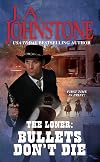
I was expecting a little more from the final book in this series. When I read the first book I was hooked and I wanted to know more about the Loner as well as the Last Gunfighter, his Dad. I think they could have interwoven their stories a little more and had some kind of reunion at the end.
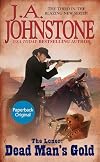
This was a terrific book in this series. Loaded with action, great plot and characters.
Lists
mom (1)
You May Also Like


Associated Authors
Statistics
- Works
- 38
- Also by
- 94
- Members
- 1,330
- Popularity
- #19,351
- Rating
- 3.7
- Reviews
- 12
- ISBNs
- 190