
Hubert Selby Jr. (1928–2004)
Author of Last Exit to Brooklyn
About the Author
Image credit: Photo: Sylvia Plachy
Works by Hubert Selby Jr.
Réquiem para um Sonho 1 copy
Recviem pentru un vis 1 copy
Associated Works
The Graphic Canon, Vol. 3: From Heart of Darkness to Hemingway to Infinite Jest (2013) — Contributor — 161 copies, 1 review
Conversations with the Capeman: The Untold Story of Salvador Agron (2004) — Introduction, some editions — 5 copies, 1 review
X-Ray No. 7 — Contributor — 3 copies
Tagged
Common Knowledge
- Canonical name
- Selby Jr., Hubert
- Other names
- Selby, Cubby
- Birthdate
- 1928-07-23
- Date of death
- 2004-04-26
- Gender
- male
- Education
- Stuyvesant High School
- Occupations
- novelist
teacher of creative writing
poet
screenwriter - Organizations
- United States Merchant Marine
University of Southern California - Relationships
- Selby, Suzanne Victoria (spouse)
- Cause of death
- COPD
- Nationality
- USA
- Birthplace
- Brooklyn, New York, USA
- Places of residence
- New York, New York, USA
Los Angeles, California, USA - Place of death
- Los Angeles, California, USA
- Associated Place (for map)
- USA
Members
Discussions
Last Exit to Brooklyn by Hubert Selby, Jr. (Bowie's Top 100 for July) in 75 Books Challenge for 2016 (September 2016)
Reviews
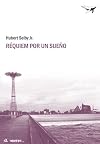
Dice Zara Snapp en su Diccionario de drogas (2015) sobre la heroína: “A través de la historia, muchos artistas han hablado de la sensación de felicidad total y el estado de euforia incomparable que la heroína les generó”. Un contraste total con la realidad tenebrosa que representa una adicción. Réquiem por un sueño debe ser seguramente uno de los libros más devastadores que se han escrito. La tristeza de la soledad, el yugo implacable de las adicciones y el resquebrajamiento de show more los sueños rotos, van devorando a los cuatro personajes principales: Sara, Harry, Marion y Tyrone. Ellos viven soñando con aparecer en programas de televisión y la riqueza que pueda permitirles escapar del sórdido entorno donde se desenvuelven; sin embargo, para la autodestrucción, nadie como el ser humano. Los protagonistas se atiborran de pastillas, pican sus venas con heroína y se prostituyen en el húmedo Nueva York de Coney Island, teniendo a Manhattan al fondo como testigo del cruel autosabotaje. La novela de Hubert Selby Jr. condensa en 337 páginas la crónica detallada de un descenso a los infiernos de las drogas y la melancolía, con personajes marginados que viven perdiendo la esperanza de alcanzar el sueño americano. Publicada por primera vez en 1978, Réquiem por un sueño tuvo una reedición en el año 2000 a propósito del estreno de la adaptación cinematográfica del director Darren Aronofsky, un filme que comparte con el libro el espíritu lúgubre de la naturaleza humana. Clásico de la literatura Junkie, en Réquiem por un sueño las letras de Hubert Selby Jr. van delineando las andanzas repulsivas de sus protagonistas, con un ritmo que hacia las últimas páginas, se hace insoportablemente desolador. El autor vivió en carne propia las tinieblas de las adicciones, primero con las drogas y después con el alcohol; murió en 2004 por problemas pulmonares. Aronofsky escribe en el prólogo: “El héroe era el enemigo de los personajes: la adicción. El libro es un manifiesto del triunfo de la adicción sobre el espíritu humano. Nos muestra lo que nos hace vacilar, lo que nos hace odiar y lo que nos hace amar. Revela lo que es ser humano. No olvidarás nunca esta lectura.” show less

This book is shocking. It describes the lives of a collection of Brooklyn residents in the 1960s and will leave you wondering how on earth anyone survived there at all with any semblance of sanity left. These are rough characters. On the one had I could talk about their actions as survival techniques in the 'eat or be eaten' atmosphere, or I could talk about their callous gleeful anger and infliction of violence upon each other. I think I'll talk about something different instead.
This book show more was hard to read, but I kept going because of the post script by the author. I was about to abandon ship, the constant sadness and hardship and faithless violence was too much for me, so I read the post script as a farewell. And in it Selby talked about leaving his mark, contributing something to this world when he thought he had not much time left on this earth to do so. He wanted to leave his legacy, yes, but he also wanted the voices of the people in his neighbourhood to be heard. This is where the power of the book lies. Goodness only knows how many people live like the people in this book- scraping together money from anywhere for alcohol or drugs, fervently seeking validation from peers by being the toughest or the cruelest, desperately craving that buzz from impressing someone with your latest conquest/hairstyle/round of drinks, living in fear of having violated some rule of the neighbourhood and having the local thugs raining their fists and boots on you, the children locked in apartments while their parents yell and scream and worse at each other. It is not pretty, these lives are out there being lived, and my take is that Selby wanted to have their experiences documented. In their own way, all the people in the book are seeking happiness (companionship/acceptance/love). Their ability to find it is seriously hampered by the ways they go about it, and their complete lack of empathy for others.
The bigger chapter in the middle section of the book on the union leader unfolded spectacularly, and although I read it with foreboding, and the ending was not such a huge surprise, it took me to a place I couldn't have reached on my own. This guy was seriously damaged and had no concept of how he was seen by others, or how he was being used, or how he was using or abusing others. That lack of insight can (I suppose) explain the actions of a lot of the characters. As a sociological account it is incredible, as a reading experience it is difficult and upsetting. show less
This book show more was hard to read, but I kept going because of the post script by the author. I was about to abandon ship, the constant sadness and hardship and faithless violence was too much for me, so I read the post script as a farewell. And in it Selby talked about leaving his mark, contributing something to this world when he thought he had not much time left on this earth to do so. He wanted to leave his legacy, yes, but he also wanted the voices of the people in his neighbourhood to be heard. This is where the power of the book lies. Goodness only knows how many people live like the people in this book- scraping together money from anywhere for alcohol or drugs, fervently seeking validation from peers by being the toughest or the cruelest, desperately craving that buzz from impressing someone with your latest conquest/hairstyle/round of drinks, living in fear of having violated some rule of the neighbourhood and having the local thugs raining their fists and boots on you, the children locked in apartments while their parents yell and scream and worse at each other. It is not pretty, these lives are out there being lived, and my take is that Selby wanted to have their experiences documented. In their own way, all the people in the book are seeking happiness (companionship/acceptance/love). Their ability to find it is seriously hampered by the ways they go about it, and their complete lack of empathy for others.
The bigger chapter in the middle section of the book on the union leader unfolded spectacularly, and although I read it with foreboding, and the ending was not such a huge surprise, it took me to a place I couldn't have reached on my own. This guy was seriously damaged and had no concept of how he was seen by others, or how he was being used, or how he was using or abusing others. That lack of insight can (I suppose) explain the actions of a lot of the characters. As a sociological account it is incredible, as a reading experience it is difficult and upsetting. show less
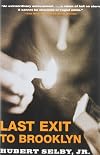
I can picture this book being read in college literature classes. I am sure that it deserves its place in modern American Literature and I am also sure that this book and Selby have their fans. I won't dispute his genius. My rating is not based on the "merit" of the book, but on whether I liked it and the truth is that I found this book to be repulsive and nauseating. I think that I was expecting it to be sort of like Kennedy's Iron Weed (which I liked) but much darker but Last Exit isn't show more dark---it is more like wallowing in a sewer and I kept reading only by hoping to see what Selby was trying to say to the reader. I kept looking for insight into the human condition. I must confess that in the end I just didn't see the point. I found the loosely related stories that make up this "novel" to be repetitive. Follow a repellent and completely repulsive character around, watch them victimize people, and then watch them subjected to extreme violence at the hands of other equally repellent and repulsive characters. As much as I hated reading this book one thought never left my mind. I felt sorry for Selby. He must have lived with a terrible darkness inside him to have written this book. The scary thing is that as bad as this book is, his novel The Room is supposed to be much darker. Looking at the reviews I see one person stating that they felt like burning their copy---and they LIKED the book! That's a common thread. Even the people that give his books 5 stars didn't enjoy reading them. show less
Amikor Fenyő Miklós felhúzta a csőnacit, és belőtte magának a kacsafarok-frizurát, aligha voltak információi arról, Brooklynban hogy megy ez. Mert bizony az ottani jampik nem önfeledt limbó-hintózással vezették ám le a feszültséget. Az önszórakoztatás eszköze náluk a mások fél- vagy egészen holtra verése volt, miközben úgy ették a benzedrin-tablettát, mint más a szőlőcukrot. Ha szerelemre vágytak, nem Marina után sikoltoztak az utcabálon, mint szegény show more becsületben megbolondult Szikora Robi, hanem megerőszakoltak valakit. Ha pedig elfogyott a pénz, akkor simán kerestek egy matrózt az utcán, akit kirabolhattak – és összekötve a kellemest a hasznossal, mellesleg félholtra is verték. Jó, aláírom, bizonyára voltak tisztességes lilazakós jampik is, akik számára a szabálysértés maximum azt jelentette, hogy túl hangosan éneklik az „iminimi-szeminimi- juváp-csuvaminimi”-t, de ezek a brooklyniak, nos, ezek brutális arcok voltak. És Selby olyan közel hozza őket, hogy érezzük áporodott szájszagukat, és el tudjuk képzelni a félelmet, amit azok éltek át, akik összefutottak velük valami sötét sikátorban.
Iszonyatosan kegyetlen, mocskosul naturális regény. Nem is értem, vajon miért akarták betiltani anno. Hisz alig elképzelhető olyan szöveg, ami jobban elrettentené az embert ettől az egésztől. Hogy a létezés eme pokoli segglyukában kössön ki. Nyilván Selby olyan dolgokat is tollhegyre tűz (1964-ben!), amelyekről addig senki nem beszélt – és ugye amiről nem beszélünk, az nincs is. Aprólékosan ábrázolja a homoszexualitást - magával az aktussal együtt -, az erőszak pedig ebben a világban a mindennapok elidegeníthetetlen része, tulajdonképpen a problémamegoldás egyetlen lehetséges eszköze. A létezés, amit leír, zsigerileg taszító – tulajdonképpen meg is köszönhetnék neki a konzervatívok, hogy ilyen csodás ellenreklámot csinál a nagyvárosi szabadosságnak.
Hogy itthon miért nem jelenhetett meg a rendszerváltás előtt, az persze világos. És nem csak arra gondolok, hogy akkoriban milyen kevésbé tolerálták a cenzorok a trágár beszédet és az agresszió ilyen nyílt ábrázolását. Hanem mert bizony ez a regény baromi távol áll attól, amiben a szocializmus hinni akar. Itt szó sincs osztálytudatról. A munkások, a szegények nem viselik méltósággal sorsukat, hanem vadállattá teszi őket a nincstelenség. Nem fognak össze, hanem csak kínozzák egymást: férj a feleséget, szülő a gyereket, fehér a feketét, egyik részeg a másikat. A munkáltató persze tetű, de a szakszervezet se sokkal jobb, kész maffia. Nincs menekvés, nincs lehetőség kimászni a szarból. Csak el lehet feledni egy picit, hogy ez az egész szar, ha benyomsz hat sört meg három benzedrint. Vagy ha ez se elég, akkor elintézed, hogy másnak még nálad is szarabb legyen, és az úgy jó.
Egy ideig.
Aztán másnap kezdődik minden elölről. show less
Iszonyatosan kegyetlen, mocskosul naturális regény. Nem is értem, vajon miért akarták betiltani anno. Hisz alig elképzelhető olyan szöveg, ami jobban elrettentené az embert ettől az egésztől. Hogy a létezés eme pokoli segglyukában kössön ki. Nyilván Selby olyan dolgokat is tollhegyre tűz (1964-ben!), amelyekről addig senki nem beszélt – és ugye amiről nem beszélünk, az nincs is. Aprólékosan ábrázolja a homoszexualitást - magával az aktussal együtt -, az erőszak pedig ebben a világban a mindennapok elidegeníthetetlen része, tulajdonképpen a problémamegoldás egyetlen lehetséges eszköze. A létezés, amit leír, zsigerileg taszító – tulajdonképpen meg is köszönhetnék neki a konzervatívok, hogy ilyen csodás ellenreklámot csinál a nagyvárosi szabadosságnak.
Hogy itthon miért nem jelenhetett meg a rendszerváltás előtt, az persze világos. És nem csak arra gondolok, hogy akkoriban milyen kevésbé tolerálták a cenzorok a trágár beszédet és az agresszió ilyen nyílt ábrázolását. Hanem mert bizony ez a regény baromi távol áll attól, amiben a szocializmus hinni akar. Itt szó sincs osztálytudatról. A munkások, a szegények nem viselik méltósággal sorsukat, hanem vadállattá teszi őket a nincstelenség. Nem fognak össze, hanem csak kínozzák egymást: férj a feleséget, szülő a gyereket, fehér a feketét, egyik részeg a másikat. A munkáltató persze tetű, de a szakszervezet se sokkal jobb, kész maffia. Nincs menekvés, nincs lehetőség kimászni a szarból. Csak el lehet feledni egy picit, hogy ez az egész szar, ha benyomsz hat sört meg három benzedrint. Vagy ha ez se elég, akkor elintézed, hogy másnak még nálad is szarabb legyen, és az úgy jó.
Egy ideig.
Aztán másnap kezdődik minden elölről. show less
Lists
Awards


You May Also Like


Associated Authors
Statistics
- Works
- 30
- Also by
- 7
- Members
- 7,691
- Popularity
- #3,166
- Rating
- 3.9
- Reviews
- 95
- ISBNs
- 164
- Languages
- 18
- Favorited
- 27