
Natasha Yim
Author of Goldy Luck and the Three Pandas
About the Author
Image credit: photo by Adler Boncher Creative
Works by Natasha Yim
Tagged
Common Knowledge
- Gender
- female
- Education
- Dominican University (BA, English Literature)
Dominican University (MS, Counseling Psychology) - Birthplace
- Kuala Lumpur, Malaysia
- Places of residence
- Singapore
Hong Kong - Associated Place (for map)
- Kuala Lumpur, Malaysia
Members
Reviews
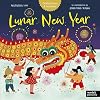
Very cute and thorough intro to Lunar Year Year customs and traditions for kids - I even learned some things too. I especially like the illustrations and explanations for all the food that is eaten around this time - the food spread is amazing.
At the end of the book, there are more in-depth history lessons and activities for kids to complete with their parents, including explanation for the zodiac, steps on making dumplings and creating their own red envelopes.
The best part is how inclusive show more this book is - it also covers both Cantonese and Mandarin ways of wishing someone new year as well as Korean, Vietnamese, and Filipino food and traditions.
Thank you to Quarto Publishing Group and NetGalley for providing an eARC in exchange for an honest review. All opinions are independently my own. show less
At the end of the book, there are more in-depth history lessons and activities for kids to complete with their parents, including explanation for the zodiac, steps on making dumplings and creating their own red envelopes.
The best part is how inclusive show more this book is - it also covers both Cantonese and Mandarin ways of wishing someone new year as well as Korean, Vietnamese, and Filipino food and traditions.
Thank you to Quarto Publishing Group and NetGalley for providing an eARC in exchange for an honest review. All opinions are independently my own. show less
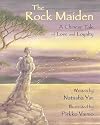
Based on a Chinese folk tale, and beautifully illustrated with ethereal images and quiet colors by Pirkko Vainio, Natasha Yim’s the Rock Maiden blends human tragedy and fairytale into a smooth and pleasing children’s story. Some lovely verbal images add depth and subtlety as Hong Kong’s fishing history comes to life. Well-chosen colors evoke just the right emotions. And the re-imagined ending to the story, while perhaps a little “Hollywood” and predictable, will leave young readers show more believing in love, loyalty and hope—wise gifts for the present day.
The Rock Maiden is a beautiful picture book, and the story is smoothly told with nicely chosen words—never too simple; never too complex; and the illustrations are fluidly beautiful. It’s highly recommended.
Disclosure: I received a free copy of this book and voluntarily chose to review it. show less
The Rock Maiden is a beautiful picture book, and the story is smoothly told with nicely chosen words—never too simple; never too complex; and the illustrations are fluidly beautiful. It’s highly recommended.
Disclosure: I received a free copy of this book and voluntarily chose to review it. show less

I liked that the main character felt remorse all on her own and no one told her how to make it up to her neighbors. She felt guilty and grabbed a bowl of congee in order to make it up to them. She then declared that she would fix her mistakes. This book is geared to young readers but it has an "author's note" page that goes into detail about the Chinese New Year. I think it is great way to introduce young readers to different cultures/customs. Especially if they are familiar with Goldilocks show more and the Three bear. The book also have a page explaining the Chinese Zodiac and the character for Lucky. Not only that! But it even goes a step further by giving step by step directions on how to make Turnip Cake. I think it would be a great experience to read about Goldy Luck and then make the Turnip Cake that she dropped. show less
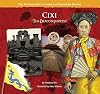
Did you know that the Chinese also had empresses as well as emperors? The last Chinese empress was Cixi, who was born on November 29, 1835, in Shanxi province, northern China, the daughter of a minor government official, and most likely spent her childhood in Anhui province. Not much is known about her early life. She was very secretive about her upbringing, saying only that she did not have a happy childhood. At age sixteen she was chosen by the Emperor Xianfeng as an imperial concubine and show more waited on the Empress Dowager Ci’An. In 1856, she gave birth to the Emperor’s only son, Zaichun and upon Xianfeng's death had her five-year-old son installed as Emperor Tongzhi. Cixi then ousted a group of regents appointed by the late emperor and assumed regency over her young son with Ci'An, consolidating control and establishing near-absolute rule over the Qing dynasty.
When Cixi’s son died of smallpox in 1875, she adopted her three-year-old nephew Zaitien and installed him as the Emperor Guangxu, maintaining her regency. She was a conservative ruler who refused to adopt Western models of government, rejecting reformist views and even placing Guangxu under house arrest in later years for supporting reformers. After the Boxer Rebellion, the Eight-Nation Alliance invaded China in 1900, and Cixi fled with her court to Xian. When she returned, much of Beijing was in ruins. The Emperor Guangxu died on November 14, 1908, and Cixi died a day later on November 15, 1908. The Qing Dynasty collapsed a few years after her death, and it is often said that her isolationist ways brought the imperial system of China to its end. Historians from both Nationalist and Communist backgrounds have generally portrayed her as a despot and villain, but in recent years other historians have suggested that she was a scapegoat for problems beyond her control. So, was she really “The Dragon Empress” as she was nicknamed, or just an out-of-touch ruler who was misunderstood?
This book is one of “The Thinking Girl’s Treasury of Dastardly Dames” series that includes volumes about Cleopatra, Agrippina, Mary Tudor, Catherine de Medici, and Marie Antoinette. Most world history books today include non-Western civilization, but when I was in school we didn’t learn much about Chinese history, so I was not familiar with Cixi. It is sometimes suggested that she introduced the smallpox to her son when he started to rule on his own, poisoned his wife Alute and her own rival Ci’An, and finally imprisoned Guangxu and later poisoned him. Others claim that there is no actual evidence for any of this and that Guangxu was not imprisoned in the palace but was recuperating from a serious illness. Both sides are presented, and the reader gets to choose which he thinks. Even if she didn’t do all the things that she’s been charged with, just based on what she did do, I would conclude that she was one “bad dudette.” Cixi: “The Dragon Empress” is a fascinating story. The only reservation that I have is that it is designed for children 9-13, and while the reading level may fit those ages, I don’t know that nine and ten year olds need to be reading a lot about concubines, so I would suggest ages 12-16. show less
When Cixi’s son died of smallpox in 1875, she adopted her three-year-old nephew Zaitien and installed him as the Emperor Guangxu, maintaining her regency. She was a conservative ruler who refused to adopt Western models of government, rejecting reformist views and even placing Guangxu under house arrest in later years for supporting reformers. After the Boxer Rebellion, the Eight-Nation Alliance invaded China in 1900, and Cixi fled with her court to Xian. When she returned, much of Beijing was in ruins. The Emperor Guangxu died on November 14, 1908, and Cixi died a day later on November 15, 1908. The Qing Dynasty collapsed a few years after her death, and it is often said that her isolationist ways brought the imperial system of China to its end. Historians from both Nationalist and Communist backgrounds have generally portrayed her as a despot and villain, but in recent years other historians have suggested that she was a scapegoat for problems beyond her control. So, was she really “The Dragon Empress” as she was nicknamed, or just an out-of-touch ruler who was misunderstood?
This book is one of “The Thinking Girl’s Treasury of Dastardly Dames” series that includes volumes about Cleopatra, Agrippina, Mary Tudor, Catherine de Medici, and Marie Antoinette. Most world history books today include non-Western civilization, but when I was in school we didn’t learn much about Chinese history, so I was not familiar with Cixi. It is sometimes suggested that she introduced the smallpox to her son when he started to rule on his own, poisoned his wife Alute and her own rival Ci’An, and finally imprisoned Guangxu and later poisoned him. Others claim that there is no actual evidence for any of this and that Guangxu was not imprisoned in the palace but was recuperating from a serious illness. Both sides are presented, and the reader gets to choose which he thinks. Even if she didn’t do all the things that she’s been charged with, just based on what she did do, I would conclude that she was one “bad dudette.” Cixi: “The Dragon Empress” is a fascinating story. The only reservation that I have is that it is designed for children 9-13, and while the reading level may fit those ages, I don’t know that nine and ten year olds need to be reading a lot about concubines, so I would suggest ages 12-16. show less
Awards


You May Also Like


Associated Authors
Statistics
- Works
- 11
- Members
- 1,109
- Popularity
- #23,169
- Rating
- 4.0
- Reviews
- 21
- ISBNs
- 39
- Languages
- 1