
Clarence Jordan (1912–1969)
Author of The Cotton Patch Version of Paul's Epistles
About the Author
Series
Works by Clarence Jordan
The Cotton Patch Version of Matthew and John: Including the Gospel of Matthew...and the First Eight Chapters of the Gospel of John (1970) 340 copies, 2 reviews
The Substance of Faith, and Other Cotton Patch Sermons (A Koinonia Publication) (1972) 81 copies, 3 reviews
The Inconvenient Gospel: A Southern Prophet Tackles War, Wealth, Race, and Religion (2022) 28 copies, 5 reviews
The letter to the Hebrews: Or a first-century manual for church renewal in the Koinonia Cotton Patch Version (1968) 9 copies
Practical religion: Or, the Sermon on the Mount and the Epistle of James in the Koinonia "Cotton patch" version (1964) 7 copies
Letters to The Georgia Convention (Galatians) and to The Alabaster African Church Smithville, AL (Philippians) Koinonia (1968) 5 copies
Benjamin Franklin's unfinished business; [story of the international celebration of the 250th anniversary of the birth (2013) 5 copies
A Second Letter to the Christians in Atlanta or Second Corinthians in the Koinonia "Cotton Patch" Version (1968) 4 copies
A Letter to the Christians in Atlanta or First Corinthians in the Koinonia "Cotton Patch" Version (1964) 4 copies
Letters to God's People in Columbus (Colossians) and Selma (I & II Thessalonians) in the Koinonia "Cotton Patch" Version (1967) 4 copies
Letters to Young Christians (I & II Timothy and Titus) in the Koinonia "Cotton Patch" Version (1967) 1 copy
Why Study the Bible 1 copy
Tagged
Common Knowledge
- Birthdate
- 1912-07-29
- Date of death
- 1969-08-29
- Gender
- male
- Education
- University of Georgia
Southern Baptist Theological Seminary (PhD) - Occupations
- farmer
New Testament Greek scholar - Organizations
- Koinonia Farm, Americus, Georgia
Habitat for Humanity - Relationships
- Hamilton Jordan (nephew)
- Cause of death
- heart attack
- Nationality
- USA
- Places of residence
- Americus, Georgia, USA
Talbotton, Georgia, USA - Place of death
- Koinonia Farm
- Burial location
- Picnic Hill, Koinonia Farm
- Associated Place (for map)
- Georgia, USA
Members
Reviews
The Inconvenient Gospel: A Southern Prophet Tackles War, Wealth, Race, and Religion (Plough Spiritual Guides: Backpack Classics) by Clarence Jordan
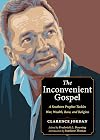
The Baptist faith I grew up with, at its best, tries to transform the world by living out values alien to contemporary society. Clarence Jordan, a son of Georgia in the American South, paid attention to his Christian upbringing, but as an adult, realized that American society often did not follow Jesus Christ’s lead. Religion was often kept in the walls of the church instead of being practiced on the street. This collection of writings, with two forewords to provide historical context, show more exemplify the beliefs that animated this radical Southern pastor who had the gall to value his religion above his nation.
Jordan went on to found an agricultural community in southern Georgia that sought to embody the racial and economic equality that he read about in the New Testament. This fellowship, called Koinonia after the Greek word for community, was founded a couple of decades before the Civil Rights’ movement. Living in the early-to-mid twentieth century, he and his community faced hateful opposition from the Jim Crow south. Yet Jordan persisted in sharing a radical vision inspired by Jesus Christ’s words and life.
Modern Southern Baptists would likely take theological issue with the liberties Jordan takes on the Bible. But it’s hard not to admire how his life and practices reflected the very message of that Bible. As these writings and addresses make clear, he consistently focused on how his religion’s actions were coming out of its beliefs. Thus, his focus honed in on social, even political, issues like war, riches, and race.
I did not know the name of Clarence Jordan before I picked up this book. I was impressed that both Martin Luther King, Jr., and Jimmy Carter knew him personally. I liked how Jordan did not trip up on how to interpret the Biblical text in words but rather looked at interpreting the text in action. Religious people, particularly Christians and particularly Baptists, can benefit from this focus. This short collection of writings can aid them in fanning faith’s flame on the inside and putting it in compassionate practice on the outside. show less
Jordan went on to found an agricultural community in southern Georgia that sought to embody the racial and economic equality that he read about in the New Testament. This fellowship, called Koinonia after the Greek word for community, was founded a couple of decades before the Civil Rights’ movement. Living in the early-to-mid twentieth century, he and his community faced hateful opposition from the Jim Crow south. Yet Jordan persisted in sharing a radical vision inspired by Jesus Christ’s words and life.
Modern Southern Baptists would likely take theological issue with the liberties Jordan takes on the Bible. But it’s hard not to admire how his life and practices reflected the very message of that Bible. As these writings and addresses make clear, he consistently focused on how his religion’s actions were coming out of its beliefs. Thus, his focus honed in on social, even political, issues like war, riches, and race.
I did not know the name of Clarence Jordan before I picked up this book. I was impressed that both Martin Luther King, Jr., and Jimmy Carter knew him personally. I liked how Jordan did not trip up on how to interpret the Biblical text in words but rather looked at interpreting the text in action. Religious people, particularly Christians and particularly Baptists, can benefit from this focus. This short collection of writings can aid them in fanning faith’s flame on the inside and putting it in compassionate practice on the outside. show less
 This review was written for LibraryThing Early Reviewers.
The Inconvenient Gospel: A Southern Prophet Tackles War, Wealth, Race, and Religion (Plough Spiritual Guides: Backpack Classics) by Clarence Jordan
Summary: A collection of the talks and writings of Clarence Jordan, rooted in the teaching of Jesus, drawing out the radical implications this has for war, wealth disparity, civil rights, and true community.
I’ve known of Clarence Jordan for many years but it wasn’t until this collection of his writings crossed my path that I read him. I knew he was a Baptist preacher in the south, that he wrote his own paraphrase of the gospels, The Cotton Patch Gospels, and that he helped form an show more integrated farming community, Koinonia Farms, in the face of great opposition. One can learn all this and more in Frederick Downing’s fine introduction to this collection.
What I learned in reading this collection was that here was a man who really was formed more by his reading of the gospels than the culture and I think this comes through in every piece in this collection. He makes this radical claim in the first piece, “Impractical Christianity”: “For Christianity is not a system you work–it is a Person who works you. You don’t get it; he gets you.” In “The Meaning of Christian Fellowship,” he elaborates the meaning of koinonia: common ownership, distribution according to need, and the complete equality and freedom of every believer. In “What is the Word of God,” he emphasizes the priority of the living Word and that scripture must never be a prison for the living Word but rather a witness to him. He forcefully challenges White Supremacy in “White Southern Christians and Race” by contending 1) there is no scientific basis for inferiority or superiority of any race over the other, 2) there is no biblical evidence that God has favorite children, and 3) differences are differences, not signs of superiority or inferiority.
“No Promised Land without the Wilderness” sets out the challenge every true leader of God’s people will face–criticism when things are harder or don’t go the way people expected. In his talk at Goshen College on the Ten Commandments, he stresses the idea that the laws were given out of love–that we not so much break laws but break ourselves upon them. He emphasizes, in “Jesus, Leader of the Poor,” the kind of king Jesus was in sitting on a “mule whereon no man had ever sat,” humorously remarking on his own attempts to sit on such a mule, concluding that he was still “a mule whereon no man had ever sat”! Yet Jesus sits on this lowly yet recalcitrant animal. In “Love Your Enemies,” he recounts a confrontation with the insults of a segregationist with whom he could have easily mopped the floor. Asked why he didn’t, he said that he was trying to obey the command to love his enemies–or at least do him no harm, leading to a conversation on what it means to be a Christian.
“Jesus and Possessions” talks about the distorting power of possessions over us. “Metamorphosis” speaks of the transforming power of the gospel, one that takes two people who would have been at each other’s throats, Matthew the tax collector and Simon the Zealot and turns them into brothers. In “The Man from Gadara,” he explores how this demoniac could have come to lose his own self to a legion of demons. He raises questions about societal hypocrisy–why pigs in a land where no one is supposed to eat pigs?–and raises questions about teaching children not to kill and then sending them to war, and what that does to one, anticipating the traumas of PTSD we see with so many war veterans from Iraq and Afghanistan. “Things Needed for our Peace” was a talk given four weeks after the assassination of Martin Luther King, Jr. and draws on Jesus’ words approaching Jerusalem, speaking to the needs for racial humility, for an understanding of violence, and that Christian faithfulness may lead, not to success, but the cross, and, if we survive, to a new attitude of servanthood and identification with the hurts of others.
The last in this collection, “The Humanity of God,” returns to the person of Jesus, the concern of Jordan throughout his ministry. He speaks of the attempts of Mary and his earthly family to control him and Mary’s relinquishment of Jesus at the cross, allowing him fully, and finally, to be about his Father’s business. From start to finish, the pieces in this collection face us with the uniqueness of Christ as fully God and human, his authority, and flowing from that his radical call for those who would follow.
This book is part of the Plough Spiritual Guides series. This, as well as the others acquaint us with the best of spiritual reading, which is always to take us into the heart of God to see both great love and unequaled authority. They remind us that there are really only two ways to live and that we can’t have it both ways and that the only good way is the way of the good news, as strange from a worldly view, as it seems. Jordan reminds us that it is both strange and good.
____________________
Disclosure of Material Connection: I received a complimentary review copy of this book from the publisher. show less
I’ve known of Clarence Jordan for many years but it wasn’t until this collection of his writings crossed my path that I read him. I knew he was a Baptist preacher in the south, that he wrote his own paraphrase of the gospels, The Cotton Patch Gospels, and that he helped form an show more integrated farming community, Koinonia Farms, in the face of great opposition. One can learn all this and more in Frederick Downing’s fine introduction to this collection.
What I learned in reading this collection was that here was a man who really was formed more by his reading of the gospels than the culture and I think this comes through in every piece in this collection. He makes this radical claim in the first piece, “Impractical Christianity”: “For Christianity is not a system you work–it is a Person who works you. You don’t get it; he gets you.” In “The Meaning of Christian Fellowship,” he elaborates the meaning of koinonia: common ownership, distribution according to need, and the complete equality and freedom of every believer. In “What is the Word of God,” he emphasizes the priority of the living Word and that scripture must never be a prison for the living Word but rather a witness to him. He forcefully challenges White Supremacy in “White Southern Christians and Race” by contending 1) there is no scientific basis for inferiority or superiority of any race over the other, 2) there is no biblical evidence that God has favorite children, and 3) differences are differences, not signs of superiority or inferiority.
“No Promised Land without the Wilderness” sets out the challenge every true leader of God’s people will face–criticism when things are harder or don’t go the way people expected. In his talk at Goshen College on the Ten Commandments, he stresses the idea that the laws were given out of love–that we not so much break laws but break ourselves upon them. He emphasizes, in “Jesus, Leader of the Poor,” the kind of king Jesus was in sitting on a “mule whereon no man had ever sat,” humorously remarking on his own attempts to sit on such a mule, concluding that he was still “a mule whereon no man had ever sat”! Yet Jesus sits on this lowly yet recalcitrant animal. In “Love Your Enemies,” he recounts a confrontation with the insults of a segregationist with whom he could have easily mopped the floor. Asked why he didn’t, he said that he was trying to obey the command to love his enemies–or at least do him no harm, leading to a conversation on what it means to be a Christian.
“Jesus and Possessions” talks about the distorting power of possessions over us. “Metamorphosis” speaks of the transforming power of the gospel, one that takes two people who would have been at each other’s throats, Matthew the tax collector and Simon the Zealot and turns them into brothers. In “The Man from Gadara,” he explores how this demoniac could have come to lose his own self to a legion of demons. He raises questions about societal hypocrisy–why pigs in a land where no one is supposed to eat pigs?–and raises questions about teaching children not to kill and then sending them to war, and what that does to one, anticipating the traumas of PTSD we see with so many war veterans from Iraq and Afghanistan. “Things Needed for our Peace” was a talk given four weeks after the assassination of Martin Luther King, Jr. and draws on Jesus’ words approaching Jerusalem, speaking to the needs for racial humility, for an understanding of violence, and that Christian faithfulness may lead, not to success, but the cross, and, if we survive, to a new attitude of servanthood and identification with the hurts of others.
The last in this collection, “The Humanity of God,” returns to the person of Jesus, the concern of Jordan throughout his ministry. He speaks of the attempts of Mary and his earthly family to control him and Mary’s relinquishment of Jesus at the cross, allowing him fully, and finally, to be about his Father’s business. From start to finish, the pieces in this collection face us with the uniqueness of Christ as fully God and human, his authority, and flowing from that his radical call for those who would follow.
This book is part of the Plough Spiritual Guides series. This, as well as the others acquaint us with the best of spiritual reading, which is always to take us into the heart of God to see both great love and unequaled authority. They remind us that there are really only two ways to live and that we can’t have it both ways and that the only good way is the way of the good news, as strange from a worldly view, as it seems. Jordan reminds us that it is both strange and good.
____________________
Disclosure of Material Connection: I received a complimentary review copy of this book from the publisher. show less
This review was written for LibraryThing Early Reviewers.I'd known of Clarence Jordan before, via his Cotton Patch Gospels, in which he rewrites Gospels from the New Testament into the vernacular of the US South, simplifying language to intensify message, to make the message more clear and direct. This book is more of his writing in a similar vein, culled from lectures to colleges and fellow pastors of the Baptist persuasion. Where he differs from usual church preachin' is in wanting - expecting, really - Christians to live as Jesus taught. One show more simple example says it all: he rails against a church that spent thousands of dollars to build a glorious fountain, in the midst of human poverty & hunger. Clarence Jordan also offers unique interpretations of The Commandments, using Greek word origins in the explanations.
This brief is a cursory commentary on these writings - remarkable writings from a remarkable man. Clarence Jordan lived the life he preached, violating the segregationist South's social dictates and incurring the wrath of the KKK, among other difficulties. A remarkable & courageous man, taking Jesus at his word by living it. As for this book, the style is smooth reading - the content is idealistically hard living. show less
This brief is a cursory commentary on these writings - remarkable writings from a remarkable man. Clarence Jordan lived the life he preached, violating the segregationist South's social dictates and incurring the wrath of the KKK, among other difficulties. A remarkable & courageous man, taking Jesus at his word by living it. As for this book, the style is smooth reading - the content is idealistically hard living. show less
This review was written for LibraryThing Early Reviewers.The Inconvenient Gospel: A Southern Prophet Tackles War, Wealth, Race, and Religion (Plough Spiritual Guides: Backpack Classics) by Clarence Jordan
I received this book through the LibraryThing book give-away program. While I applaud his Christian commitment his 13 chapters of text over 113 pages dilute that important message. After enjoying a strong biographical sketch, “Who Was Clarence Jordan”, by Frederick Downing, editor; and an equally strong commentary, “Reading Clarence Jourdan Today”, I was disappointed by Jordan’s own writing.
Yet, Jordan created the book in the 1960s, living and working in dangerous territory, so show more his softer message may have been a diplomatic necessity. If you want to learn about the 1960s and the fight for a more equitable life for all, seek this valuable, little book.
Oporinus
November 29, 2022 show less
Yet, Jordan created the book in the 1960s, living and working in dangerous territory, so show more his softer message may have been a diplomatic necessity. If you want to learn about the 1960s and the fight for a more equitable life for all, seek this valuable, little book.
Oporinus
November 29, 2022 show less
This review was written for LibraryThing Early Reviewers.Lists
You May Also Like


Associated Authors
Statistics
- Works
- 29
- Members
- 1,920
- Popularity
- #13,409
- Rating
- 4.1
- Reviews
- 11
- ISBNs
- 34
- Favorited
- 2
