
Anthony Loyd
Author of My War Gone By, I Miss It So
About the Author
, Anthony Loyd, 0-14-029854-1 Anthony Loyd served as a platoon commander in the British army for operations in Northern Ireland and the Persian Gulf before going to live in Bosnia. He is now a special correspondent for The Times of London, for which he has covered seven other wars, including the show more conflicts in Chechnya, Afghanistan, Sierra Leone, and Kosovo. His most famous work is "My War is Gone by, I Miss it So." show less
Image credit: standpointmag.co.uk
Works by Anthony Loyd
Associated Works
Tagged
Common Knowledge
- Legal name
- Loyd, Anthony William Vivian
- Birthdate
- 1966-09-12
- Gender
- male
- Education
- St. Edmunds School
Eton College - Occupations
- journalist
war correspondent
soldier (British Army)
writer - Relationships
- Wiart, Adrian Carton de (great-grandfather)
- Nationality
- England
UK - Places of residence
- Bosnia
Members
Reviews
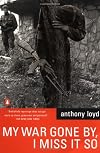
Born of a prestigious English military family, Loyd was enamored of war until he enlisted in the Bosnia conflict. Fresh with a degree in photojournalism and no prospect of a job, Loyd decided to go to Bosnia, where the war had been going on for about a year in 1993. Freshly arrived in Sarajevo, he was almost immediately introduced to t he irrationality of the situation. Looking for a guide to help him find the house a contact in London had provided, he soon found one who was more than happy show more to help, insisting that no remuneration was necessary — indeed, Loyd discovered that despite outside world assumptions of universal hatred, his experience was that as long as religion, politics, and war were not mentioned, the residents would s soon adopt any stranger as almost a member of the family.
From the hotel, they needed to cross “sniper’s alley,” a dangerous section of street open to constant sniping. Loyd’s guide made it clear
that he would not run in front of “those people.” Loyd could see that any rational person would want to break the four-minute mile getting
across and hated the thought of dying on his first day because of a need for politesse. They settled on a crab-like compromise. Soon after arriving, he discarded his flak jacket not just because it was heavy, but because it placed a barrier between him and the residents who had to survive the horrors on a daily basis. He could get on a plane at any time and return to London in just two hours.. There were numerous groups of men surrounded by cadres of armed bodyguards who created their own little fiefdoms, and allegiances shifted more frequently than a river’s bottom.
Mass graves were all over, hidden in the forests, and relatives would search for bodies of missing kin. The bodies had been looted and ID
cards were scattered all over; sometimes the faces were almost unrecognizable as war changed them. “It’s not what people lost; it’s
what they gained.” Evil , Loyd notes, makes an indelible impression on the eyes.
Mercenaries flocked to Bosnia from everywhere seeking action and excitement. One he met was a French Foreign Legion deserter (killed not a few weeks later). Loyd was shot at within days of his arrival. He met a beautiful young woman in a bar, a Croatian who, it turned
out, was a sniper. Loyd asked her if she knew any Serbs or had any Serbian friends. She said the only ones she hoped to see again were
those she would kill.
This is merely one example of the horrific cruelty and irrational hatreds created by the conflict between a desire to have an ethnically pure nationalistic country and those who desired a secular multi-ethnic society. Of course, nothing can be that simple, and one wonders if the thugs hadn’t taken control. Horrors abound as humans
are turned into weapons. Loyd witnessed one particularly wanton and cruel act as groups of Serbian soldiers bound the arms of some Croatian
prisoners and then taped Claymore mines to their bodies connected by wires to their own lines. They forced the prisoners to walk toward
the enemy lines, assuming the prisoners would not be fired upon. The inevitable end left only minor pieces scattered around and parts of legs.
The body of one who had weighed some 200 lbs. before he was captured weighed only thirty lbs. when buried, and that included the weight of
the coffin. In another example of life’s randomness, the only prisoner to survive was one who had been beaten so badly that he could not
walk. Loyd wonders what to say to the parents of these mere children, barely 21 years old. Ordinary items became instruments of death. The
U.N. insisted that all Coke cans be squashed because both sides would use them to create grenades. Television sets were gutted and filled
with explosives.
Loyd is both repelled and fascinated by what he sees firsthand. He admires the marksmanship of a Serb who climbed to the top of a tower
and, using a .50 caliber rifle, shot an international aid worker. The bullet traveled through the back of the Range Rover, through the seat,
through the man’s flak jacket, and then out the front of the vehicle. An awesome weapon. Bosnia was "a playground where the worst and most fantastic excesses of the human mind were acted out."
Loyd despised the regular media correspondents who would wander periodically via armored personnel carrier into U.N. headquarters for a few sound bites and then return to the safety of a Holiday Inn, “to file their heartfelt vitriol with scarcely a hair out of place.” His big break came when he was asked to substitute for a wounded British writer and then he began to sell his stories as well as photographs.
The horror of this beautifully written book (hard to describe such a book thusly given the content) is that Loyd found the war somehow
appealing, a high close to that of his former heroin addiction. "I had come to Bosnia partially as an adventure. But after a while I got into the infinite death trip. I was not unhappy. Quite the opposite. I was delighted with most of what the war had offered me: chicks, kicks, cash and chaos; teenage punk dreams turned real and wreathed
in gun smoke." All social constraints are abandoned in war. Scoffing at the idea of objectivity, he lobbied against the Serbs and was embarrassed not to be shooting at them himself. "I felt I was a pornographer, a voyeur come to watch."
Whether 9/11 and its aftermath will generate future war addicts remains to be seen. show less
From the hotel, they needed to cross “sniper’s alley,” a dangerous section of street open to constant sniping. Loyd’s guide made it clear
that he would not run in front of “those people.” Loyd could see that any rational person would want to break the four-minute mile getting
across and hated the thought of dying on his first day because of a need for politesse. They settled on a crab-like compromise. Soon after arriving, he discarded his flak jacket not just because it was heavy, but because it placed a barrier between him and the residents who had to survive the horrors on a daily basis. He could get on a plane at any time and return to London in just two hours.. There were numerous groups of men surrounded by cadres of armed bodyguards who created their own little fiefdoms, and allegiances shifted more frequently than a river’s bottom.
Mass graves were all over, hidden in the forests, and relatives would search for bodies of missing kin. The bodies had been looted and ID
cards were scattered all over; sometimes the faces were almost unrecognizable as war changed them. “It’s not what people lost; it’s
what they gained.” Evil , Loyd notes, makes an indelible impression on the eyes.
Mercenaries flocked to Bosnia from everywhere seeking action and excitement. One he met was a French Foreign Legion deserter (killed not a few weeks later). Loyd was shot at within days of his arrival. He met a beautiful young woman in a bar, a Croatian who, it turned
out, was a sniper. Loyd asked her if she knew any Serbs or had any Serbian friends. She said the only ones she hoped to see again were
those she would kill.
This is merely one example of the horrific cruelty and irrational hatreds created by the conflict between a desire to have an ethnically pure nationalistic country and those who desired a secular multi-ethnic society. Of course, nothing can be that simple, and one wonders if the thugs hadn’t taken control. Horrors abound as humans
are turned into weapons. Loyd witnessed one particularly wanton and cruel act as groups of Serbian soldiers bound the arms of some Croatian
prisoners and then taped Claymore mines to their bodies connected by wires to their own lines. They forced the prisoners to walk toward
the enemy lines, assuming the prisoners would not be fired upon. The inevitable end left only minor pieces scattered around and parts of legs.
The body of one who had weighed some 200 lbs. before he was captured weighed only thirty lbs. when buried, and that included the weight of
the coffin. In another example of life’s randomness, the only prisoner to survive was one who had been beaten so badly that he could not
walk. Loyd wonders what to say to the parents of these mere children, barely 21 years old. Ordinary items became instruments of death. The
U.N. insisted that all Coke cans be squashed because both sides would use them to create grenades. Television sets were gutted and filled
with explosives.
Loyd is both repelled and fascinated by what he sees firsthand. He admires the marksmanship of a Serb who climbed to the top of a tower
and, using a .50 caliber rifle, shot an international aid worker. The bullet traveled through the back of the Range Rover, through the seat,
through the man’s flak jacket, and then out the front of the vehicle. An awesome weapon. Bosnia was "a playground where the worst and most fantastic excesses of the human mind were acted out."
Loyd despised the regular media correspondents who would wander periodically via armored personnel carrier into U.N. headquarters for a few sound bites and then return to the safety of a Holiday Inn, “to file their heartfelt vitriol with scarcely a hair out of place.” His big break came when he was asked to substitute for a wounded British writer and then he began to sell his stories as well as photographs.
The horror of this beautifully written book (hard to describe such a book thusly given the content) is that Loyd found the war somehow
appealing, a high close to that of his former heroin addiction. "I had come to Bosnia partially as an adventure. But after a while I got into the infinite death trip. I was not unhappy. Quite the opposite. I was delighted with most of what the war had offered me: chicks, kicks, cash and chaos; teenage punk dreams turned real and wreathed
in gun smoke." All social constraints are abandoned in war. Scoffing at the idea of objectivity, he lobbied against the Serbs and was embarrassed not to be shooting at them himself. "I felt I was a pornographer, a voyeur come to watch."
Whether 9/11 and its aftermath will generate future war addicts remains to be seen. show less
A searing first hand account of the war in Bosnia and Chechnya with a good measure of addict testimony thrown in. Anthony pulls few punches and lets it all hang out; leaving the reader to their own judgement. His highs, lows, his mistakes, his triumphs are all laid bare. Excellently done.
A harrowing, shocking, poetic memoir of the Bosnian war by a fine, if slightly unhinged, writer. Lloyd, who grew up in a military family, also grew up fascinated, apparently, by war and by the time he sets out for the killing fields of Bosnia is beset by the demons of addiction and despair. The horrors and chaos of war become a sort of counter-point for his addictions and emotional problems. One feels he becomes as addicted to the adrenaline rush of war as to the drugs, booze and sex. I show more admit I found the work intensely moving, and deeply human, although I do wish he'd provided more clarity at the end. I would have given it five stars, but for the fact I was left unsure as to how much the experiences about which he wrote with so much insight had changed him, and whether, in the end, he was able to put down his soul-destroying addictions.
I found this book an invaluable reference when I was writing THE RADIANT CITY, about a war correspondent who had suffered a breakdown in Rwanda. show less
I found this book an invaluable reference when I was writing THE RADIANT CITY, about a war correspondent who had suffered a breakdown in Rwanda. show less
I tried very hard to like this book. I wanted to like it. But I have a rule. If I'm not enjoying a book by a hundred pages in, then I give up on it. That's what happened with Anthony Loyd's strange, disjointed memoir, MY WAR GONE BY, I MISS IT SO. And I actually gave it 150 pages, nearly half the book. Nope. Couldn't make myself like it. Loyd seemed to be equating the high of hard drugs with the high of war. Because he admits to being a druggie, and he admits to not being quite sure why he show more kept going back to the war in Bosnia. He'd already served five years with the British Army during the First Gulf War, so he didn't have to go to this war. But he felt he needed to. He had a bunch of ancestors who were soldiers, so I guess he felt he didn't want to miss 'his war.' He also failed to ever quite make clear who was fighting whom, or why, although he made pretty clear that the battle lines and reasons for most of the participants were never clearly defined. Lots of ethnic and religious hatred figured in. Here's a line that may explain how it was for him and his other journalist and photographer comrades -
"We were indulging in Sarajevo's greatest wartime activity: smoking and hanging around hoping nothing would happen to us but something would happen somewhere, anywhere, to break the monotony and give us a sense of time progressing, of anything progressing."
And there's a lot of this in here, or at least in the first half. Loyd does see some very gruesome stuff, maybe becomes sort of used to it. He does a lot of drinking and drugs whenever he can. I don't know what happened later in the book, and, finally, I just couldn't make myself care.
Maybe someone will like this book. I didn't. I understand it may become a movie. I don't think I want to see the film either. The book was bad enough. Again, didn't finish it. Didn't want to. Not recommended. (two and a half stars)
- Tim Bazzett, author of the memoir, BOOKLOVER show less
"We were indulging in Sarajevo's greatest wartime activity: smoking and hanging around hoping nothing would happen to us but something would happen somewhere, anywhere, to break the monotony and give us a sense of time progressing, of anything progressing."
And there's a lot of this in here, or at least in the first half. Loyd does see some very gruesome stuff, maybe becomes sort of used to it. He does a lot of drinking and drugs whenever he can. I don't know what happened later in the book, and, finally, I just couldn't make myself care.
Maybe someone will like this book. I didn't. I understand it may become a movie. I don't think I want to see the film either. The book was bad enough. Again, didn't finish it. Didn't want to. Not recommended. (two and a half stars)
- Tim Bazzett, author of the memoir, BOOKLOVER show less
You May Also Like


Associated Authors
Statistics
- Works
- 2
- Also by
- 1
- Members
- 545
- Popularity
- #45,747
- Rating
- 4.2
- Reviews
- 16
- ISBNs
- 24
- Languages
- 3