
Sarah Ridley
Author of Beans to Chocolate (Where Food Comes From)
Series
Works by Sarah Ridley
Puja : expressions of Hindu devotion 2 copies
Babies in the Rainforest 1 copy
Babies in the Snow 1 copy
Babies in the Forest 1 copy
Babies in the Ocean 1 copy
Babies on the Farm 1 copy
Tagged
Common Knowledge
There is no Common Knowledge data for this author yet. You can help.
Members
Reviews
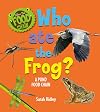
This is the one book in this series that many children can read and then find many of the creatures identified as being part of the food chain. In fact, many kids have probably already observed one or more of them already. This places them in order as well as highlighting interesting facts. For example, I was unaware of how to tell the difference between dragonflies and damselflies. This is not only a good book for libraries, it's one that could be taken along on nature explorations to show more reinforce what kids see. show less
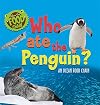
Like the others in this series, this book introduces young readers to the food chain and ecology in a specific environment. In this case. it's the Antarctic ocean. While the idea of penguins being eaten might frighten some children, this book isn't scary at all. The factual narrative begins with plankton and ends with killer whales, introducing many others in between and offering interesting facts such as that some fins in this climate have natural antifreeze in their blood. A very good book show more for early science lovers and kids interested in the natural world. show less
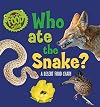
Another good entry in this educational series. This one begins with desert cacti, where thorns give the plant some protection. Birds, bees and smaller animals have found ways to eat the fruit of the prickly pear, get nectar from its flowers and even navigate around the spines to nibble leaves so they can access water inside. Larger creatures prey on those who rely on the cacti and I was surprised at what creature was listed as the one preying on rattlesnakes. Altogether a nicely illustrated show more reference work for young readers. show less
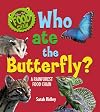
Nicely illustrated introduction to the food chain in rainforests. Factual, easy to understand and would be good for a read-aloud in schools or libraries.
Awards


You May Also Like


Associated Authors
Statistics
- Works
- 83
- Members
- 445
- Popularity
- #55,081
- Rating
- 3.9
- Reviews
- 6
- ISBNs
- 233
- Languages
- 4