
Kenneth Tynan (1927–1980)
Author of The Diaries of Kenneth Tynan
About the Author
Works by Kenneth Tynan
Associated Works
Sick, Sick, Sick: A Guide to Non-Confident Living (1958) — Introduction, some editions — 122 copies, 4 reviews
Drama in the modern world: plays and essays (1964) — Contributor, some editions — 82 copies, 1 review
Dirty Movies: An Illustrated History of the Stag Film, 1915-1970 (1976) — Introduction, some editions — 41 copies, 1 review
Tagged
Common Knowledge
- Birthdate
- 1927-04-02
- Date of death
- 1980-08-26
- Gender
- male
- Education
- King Edward's School, Birmingham
University of Oxford (Magdalen College) - Occupations
- theatre critic
author
playwright - Relationships
- Dundy, Elaine (wife|divorced)
Brooks, Louise (friend)
Tynan, Kathleen (wife)
Lewis, C. S. (tutor)
Tynan, Tracy (daughter) - Short biography
- His first marriage was to author Elaine Dundy.
- Nationality
- UK
- Birthplace
- Birmingham, England, UK
- Places of residence
- Westminster, London, England, UK
California, USA
Oxford, Oxfordshire, England, UK - Place of death
- Santa Monica, California, USA
- Burial location
- Holywell Cemetery, Oxford, Oxfordshire, England, UK
- Associated Place (for map)
- England, UK
Members
Reviews
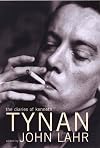
What makes the diaries of Kenneth Tynan so fascinating is that he was a feared critic in his day but behind the scenes he was an insecure man. Outwardly, he didn't suffer fools. Privately, even his diary entries could be scathing. The irony is that he would drop friendships when criticized...as if he couldn't handle negativity aimed towards him. Underneath Tynan's tough and snobby persona, truth be told, was a man who worried about appearances and cared what social circles accepted him. show more Example: he once did not want to attend a wedding because he did not have the proper attire, nor was he willing to rent the garb required. His diaries revealed an introspection and a strong desire to be loved by all. He loved to name-drop as if the glitterati of the day were his closest friends. In addition to being a running commentary on the who's who of the day, Tynan tackled politics and even the philosophical concept of id, questioning what makes a soul. His theory about Akhnaten is fascinating.
Overall, I found Tynan to be a sad individual. When Tynan's wife reminds him of the declaration that his doctor warned against smoking - if he didn't quit, he would be dead in five years (and he was), it broke my heart. Three years before his passing, as early as March 6th 1977, Tynan started writing about his funeral; what songs to play, etc. Diagnosed with emphysema, he was not in denial. He knew his time was limited. Like reading The Diary of Anne Frank I dreaded the coming end. Is it sacrilege to compare the two? Each journal entry nudged Anne and Kenneth closer to their demises. show less
Overall, I found Tynan to be a sad individual. When Tynan's wife reminds him of the declaration that his doctor warned against smoking - if he didn't quit, he would be dead in five years (and he was), it broke my heart. Three years before his passing, as early as March 6th 1977, Tynan started writing about his funeral; what songs to play, etc. Diagnosed with emphysema, he was not in denial. He knew his time was limited. Like reading The Diary of Anne Frank I dreaded the coming end. Is it sacrilege to compare the two? Each journal entry nudged Anne and Kenneth closer to their demises. show less

Kenneth Tynan’s profiles largely live up to his flamboyant reputation, his prose happily glorifying the people whose work he admired. Many of these pieces are standard newspaper profiles enlivened by florid yet sharp turns of phrase and sharp insights. Probably the best pieces come towards the end when the New Yorker allowed him plenty of space to profile his targets; it’s often fascinating to see a fine critical mind at work (or enjoying itself a little too much as is evident in the show more Nicol Williamson profile). Probably the highlight is the very last piece in the book, a piece which details the career of Louise Brooks, an old Hollywood starlet who departed for European arthouse cinema and ended up forgotten and alone in New York but for a few articles on cinema. It feels like a mature, melancholy tribute to a youthful heroine who retains her fascination. Like all the richest food though it’s best sampled in small portions so the prose doesn’t cloy and being to feel too heavy. This book should probably come with a health warning; that it may destroy the love of even the hardiest Marvel fan. It’s an unofficial history of one of the dominant cultural forces of the late twentieth century, taking the story from its origins as Timely Comics to the point of what looks like their greatest triumph; the conquering of the silver screen. show less

Tynan, a respected theatre critic, paints fascinating portraits of Ralph Richardson, Tom Stoppard, Johnny Carson, Mel Brooks and Louise Brooks: 2 comedians, a playwright, an actor and a dancer/film star. The writing sparkles; it's an eclectic group. However, 4 of the 5 profiles are of people who lived (or are living) long after the book was published, thus have a larger body of work.
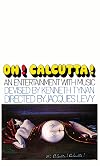
This is the script and photographs from a Broadway hit which drew heavily on Victorian Pornography. It is quite amusing, but does require a bit of research for full enjoyment.
Awards

You May Also Like


Associated Authors
Statistics
- Works
- 21
- Also by
- 11
- Members
- 587
- Popularity
- #42,722
- Rating
- 4.0
- Reviews
- 11
- ISBNs
- 36
- Languages
- 2
- Favorited
- 1