
Vanda Symon
Author of Overkill
Series
Works by Vanda Symon
Tagged
Common Knowledge
- Legal name
- Symon, Vanda
- Birthdate
- 1969
- Gender
- female
- Education
- University of Otago (BS|Pharmacy)
- Nationality
- New Zealand
- Birthplace
- Tauranga
- Map Location
- New Zealand
Members
Reviews
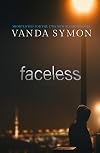
Bradley Fordyce, a middle-aged man unhappy with his life, impulsively picks up Billy, a homeless teenager who occasionally works as a prostitute. Misinterpreting her “reassuring smile” as a derisive smirk, he lashes out and keeps her captive in an abandoned warehouse he owns. While Bradley wrestles with what to do, Max, a homeless man who befriended Billy, becomes concerned when she doesn’t return to her usual sleeping spot. He sets out to find her even though doing so forces him to show more confront his past and the events which lead to his living on the streets of Auckland.
Faceless is identified as a thriller, and it certainly is one. At times, I found the suspense almost overwhelming. The last 20 percent of the book had me so anxious I read late into the night because I just had to find out what happens. The ticking clock in the book made me ignore the clock ticking on my bedside table.
The book has multiple points of view. Bradley, Billy and Max have the majority of brief chapters, but there are also ten giving the perspective of Meredith, one of Max’s former colleagues, in the latter part of the novel. The chapters presenting Billy’s viewpoint are in present tense, creating an even greater sense of urgency and immediacy. Alternating among characters creates suspense, especially when a chapter has a cliffhanger ending, but also increases the impression of a fast pace.
A great advantage of the multiple points of view is that readers come to know each of the characters intimately. As a consequence, we understand their motivations so that they emerge as believable characters. Max, for instance, at the beginning describes his relationship with Billy in almost dismissive terms: “she was nothing to him – well, other than company, and someone to talk to, share a fag with.” His obsession with finding her, however, makes total sense when Max’s past is revealed. Another character realizes there is more to his search: “’This isn’t just about Billy is it?’”
Creating a believable villain can be tricky, but Symon succeeds here too. Bradley feels unappreciated and “less and less in command of his life” so his satisfaction when he feels he has control over something is understandable, as is his conclusion that “He couldn’t give that up now.” He discovers dark depths within him. His justifications such as “It was all the girl’s fault” and “his conscience had finally allowed him to explore a different morality” clearly show him spiraling out of control. The author makes this downward spiral convincing.
Though a suspense novel, the book also touches on other topics. The situation of the homeless is emphasized. Max describes how he is largely ignored: “Most of the time he felt invisible, just one of the faceless, nameless lost minions of this city that the everyday people automatically filtered out of their consciousness.” Max has difficulty being taken seriously when he asks for help in finding Billy. Other themes are obvious: friendship, betrayal, loss, grief, and redemption.
Anyone wanting a real page-turner need look no further. Just be forewarned: you’ll be biting your nails and losing sleep!
Note: Please check out my reader's blog (https://schatjesshelves.blogspot.com/) and follow me on Twitter (@DCYakabuski). show less
Faceless is identified as a thriller, and it certainly is one. At times, I found the suspense almost overwhelming. The last 20 percent of the book had me so anxious I read late into the night because I just had to find out what happens. The ticking clock in the book made me ignore the clock ticking on my bedside table.
The book has multiple points of view. Bradley, Billy and Max have the majority of brief chapters, but there are also ten giving the perspective of Meredith, one of Max’s former colleagues, in the latter part of the novel. The chapters presenting Billy’s viewpoint are in present tense, creating an even greater sense of urgency and immediacy. Alternating among characters creates suspense, especially when a chapter has a cliffhanger ending, but also increases the impression of a fast pace.
A great advantage of the multiple points of view is that readers come to know each of the characters intimately. As a consequence, we understand their motivations so that they emerge as believable characters. Max, for instance, at the beginning describes his relationship with Billy in almost dismissive terms: “she was nothing to him – well, other than company, and someone to talk to, share a fag with.” His obsession with finding her, however, makes total sense when Max’s past is revealed. Another character realizes there is more to his search: “’This isn’t just about Billy is it?’”
Creating a believable villain can be tricky, but Symon succeeds here too. Bradley feels unappreciated and “less and less in command of his life” so his satisfaction when he feels he has control over something is understandable, as is his conclusion that “He couldn’t give that up now.” He discovers dark depths within him. His justifications such as “It was all the girl’s fault” and “his conscience had finally allowed him to explore a different morality” clearly show him spiraling out of control. The author makes this downward spiral convincing.
Though a suspense novel, the book also touches on other topics. The situation of the homeless is emphasized. Max describes how he is largely ignored: “Most of the time he felt invisible, just one of the faceless, nameless lost minions of this city that the everyday people automatically filtered out of their consciousness.” Max has difficulty being taken seriously when he asks for help in finding Billy. Other themes are obvious: friendship, betrayal, loss, grief, and redemption.
Anyone wanting a real page-turner need look no further. Just be forewarned: you’ll be biting your nails and losing sleep!
Note: Please check out my reader's blog (https://schatjesshelves.blogspot.com/) and follow me on Twitter (@DCYakabuski). show less
Bound by Vanda Symon

Detective Sam Shephard is back, promoted (no longer a Detective Constable), working in the same squad as boyfriend Paul and still in head on confrontation with the boss, and slightly off centre confrontation with her mother. Which is particularly difficult as in BOUND Sam's much loved father is dying, just as the case of a brutal home invasion takes most of Sam's attention and energy.
There are some absolute givens in the Sam Shephard series. There's going to be an opening to the book which show more should have the reader paying attention. Sam is going to be part energiser bunny, part her own worst critic. Whilst the focus of the books remains on Sam, as the narrator of the action, there's always a good supporting cast, and there's invariably an unusual and somehow quintessentially small town plot. In this case, after a violent home invasion in which a man is shot dead in front of his wife, Sam is initially given the job of liaison with and supporting the wife, who was injured in the attack. It's a difficult enough job for somebody who has the sort of mind that doesn't rest and isn't particularly comfortable dealing with raw and very exposed grief and personal retribution - particularly as the couple's teenage son arrived home to find the carnage inflicted on his family.
The complication in this book is that all the while that Sam is working this case, which is, after all a family being forced apart, she has her own family problems with her father succumbing rapidly to cancer. Sam's own relationship with her mother has always been complicated, but the rawness of the grief and suffering of her father makes that relationship even more a minefield, and it's clear that Sam's increasing desire to get more and more into the details of the home invasion case are partially as a way of avoiding the constant confrontation. There's also more turmoil in Sam's personal life that she has to deal with.
Sam is undoubtedly one of my favourite fictional characters. I really like the way that her internal dialogue runs, I like the way she is her most strident critic, and I love the way she's always prepared to leap in where wiser heads might prefer not to tread. I really really liked the way that in BOUND she finally stands up to her bullying boss, I thought the way that she tiptoed around her relationship difficulties with her mother was beautifully done.
BOUND is, however, probably not my favourite book of this series, and it took me quite a while to work out why. I suspect it's a combination of a few things. Firstly, this time there was a considerably more predictable plot and an extremely predictable personal complication. To be fair though, the who and the why of the plot weren't that hard to pick, so having the how of the various threads less obvious did compensate. Secondly, a decidedly lesser showing of Sam's wonderful housemate and voice of reason Maggie didn't help, undoubtedly because she's such a great character but mostly because she works very well as a foil for Sam's more angst-ridden internal monologues. Finally it's also that the mostly personal twists at the end of the book again weren't that hard to pick, and in one case, there was a sort of coyness that seemed a step too far for Sam's personality type.
All of this simply means that out of the entire Sam Shephard series, BOUND wasn't my absolute favourite book. They are, however, one of my all time favourite series, so despite promises to myself that I'd be hoarding this book until the next was on the way (I believe Symons is working on a stand-alone next up), I've now read it and I'm back in that desperately sad situation of waiting impatiently for the next book. Things could get really desperate .... may have to re-read the series from scratch! show less
There are some absolute givens in the Sam Shephard series. There's going to be an opening to the book which show more should have the reader paying attention. Sam is going to be part energiser bunny, part her own worst critic. Whilst the focus of the books remains on Sam, as the narrator of the action, there's always a good supporting cast, and there's invariably an unusual and somehow quintessentially small town plot. In this case, after a violent home invasion in which a man is shot dead in front of his wife, Sam is initially given the job of liaison with and supporting the wife, who was injured in the attack. It's a difficult enough job for somebody who has the sort of mind that doesn't rest and isn't particularly comfortable dealing with raw and very exposed grief and personal retribution - particularly as the couple's teenage son arrived home to find the carnage inflicted on his family.
The complication in this book is that all the while that Sam is working this case, which is, after all a family being forced apart, she has her own family problems with her father succumbing rapidly to cancer. Sam's own relationship with her mother has always been complicated, but the rawness of the grief and suffering of her father makes that relationship even more a minefield, and it's clear that Sam's increasing desire to get more and more into the details of the home invasion case are partially as a way of avoiding the constant confrontation. There's also more turmoil in Sam's personal life that she has to deal with.
Sam is undoubtedly one of my favourite fictional characters. I really like the way that her internal dialogue runs, I like the way she is her most strident critic, and I love the way she's always prepared to leap in where wiser heads might prefer not to tread. I really really liked the way that in BOUND she finally stands up to her bullying boss, I thought the way that she tiptoed around her relationship difficulties with her mother was beautifully done.
BOUND is, however, probably not my favourite book of this series, and it took me quite a while to work out why. I suspect it's a combination of a few things. Firstly, this time there was a considerably more predictable plot and an extremely predictable personal complication. To be fair though, the who and the why of the plot weren't that hard to pick, so having the how of the various threads less obvious did compensate. Secondly, a decidedly lesser showing of Sam's wonderful housemate and voice of reason Maggie didn't help, undoubtedly because she's such a great character but mostly because she works very well as a foil for Sam's more angst-ridden internal monologues. Finally it's also that the mostly personal twists at the end of the book again weren't that hard to pick, and in one case, there was a sort of coyness that seemed a step too far for Sam's personality type.
All of this simply means that out of the entire Sam Shephard series, BOUND wasn't my absolute favourite book. They are, however, one of my all time favourite series, so despite promises to myself that I'd be hoarding this book until the next was on the way (I believe Symons is working on a stand-alone next up), I've now read it and I'm back in that desperately sad situation of waiting impatiently for the next book. Things could get really desperate .... may have to re-read the series from scratch! show less
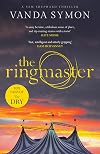
Sam is newly transferred to Dunedin to train as a detective constable (i.e. she is at the bottom of the detective training ladder). Despite this, she is very fed up to be given the least responsible jobs, and whines and moans about it constantly. The whole world is against her. (Annoyingly it does turn out that the DI is bullying her, but I still think she is a whiner with an inflated sense of entitlement). The plot here was interesting, even if the killer's devious plan did turn out to be a show more bit extreme. I enjoyed Sam's banter with Paul, her love interest, although she does spend most of the book moaning about him, when she isn't whining about her (admittedly awful) mother. The ending made me sad and I was surprised Sam took it so much in her stride.
I think I might continue with this series, but in short doses. show less
I think I might continue with this series, but in short doses. show less

Billy is a young homeless woman living on the streets of Auckland. Her favourite thing to do is create street art. Beautiful street art; Billy is no tagger. Occasionally – to fund art supplies or food – she will sell her body. It’s a means to an end and she does it on her terms.
Max is homeless too. Much older than Billy he looks out for her as well as a man who’s checked out of regular life can. In fact the unlikely pair look out for each other. Which is why Max makes a fuss – does show more things he really doesn’t want to do – when Billy fails to come ‘home’ – the alley where the pair sleep on flattened boxes.
Bradley is a disgruntled office worker. His boss piles on the pressure at work and his wife nags incessantly at home. One evening he’s had enough and decides to pick up a prostitute. Billy. But instead of the release he seeks he becomes embarrassed and takes all his frustrations out on Billy.
I suppose authors hate people like me. People who buy their books then forget to read them for four years. Better than not buying the book at all I suppose. But still. Shame on me for neglecting this excellent novel for so long. Although sadder and more poignant than I anticipated based on my reading of Symon’s police procedural series, this standalone novel is a cracker of a read.
What impressed me most was the way each character is so well realised. It would – I imagine – have been much easier for Symon to use stereotypes and manipulation to lead the reader into feeling a certain way about each of her three main characters. But she takes the tougher route of giving each person a range of personal qualities and allowing us to really understand how they came to be at the point in their lives where we meet them. Even though he is clearly the least sympathetic of the main characters Bradley is not the caricature of evil that psychopaths often are in less nuanced thrillers. I can’t begin to endorse the choices he makes but Symon does make me see how plausible it is for good people to turn bad and thus provides a much scarier and more sobering villain than the italics-written freaks beloved by modern publishing. I can’t help looking at my office colleagues a lot more warily just now, wondering which of them might be a Bradley in the making.
The story too is cleverly constructed. It unfolds from multiple perspectives, sometimes overlapping and providing different views of the same events, sometimes leaving tiny gaps which result in tension and doubt for the reader. This is a great technique when it works and Symon has mastered it. And this is not one of those books in which the ending is inevitable; until the very end there is uncertainty about whether there will be a satisfactory – let alone positive – resolution for anyone we meet.
In short THE FACELESS is a cracking read. It balances a decently paced story with thoughtful character development and deftly addresses some topical issues such as the experience of homelessness in our modern communities. Strongly recommended. show less
Max is homeless too. Much older than Billy he looks out for her as well as a man who’s checked out of regular life can. In fact the unlikely pair look out for each other. Which is why Max makes a fuss – does show more things he really doesn’t want to do – when Billy fails to come ‘home’ – the alley where the pair sleep on flattened boxes.
Bradley is a disgruntled office worker. His boss piles on the pressure at work and his wife nags incessantly at home. One evening he’s had enough and decides to pick up a prostitute. Billy. But instead of the release he seeks he becomes embarrassed and takes all his frustrations out on Billy.
I suppose authors hate people like me. People who buy their books then forget to read them for four years. Better than not buying the book at all I suppose. But still. Shame on me for neglecting this excellent novel for so long. Although sadder and more poignant than I anticipated based on my reading of Symon’s police procedural series, this standalone novel is a cracker of a read.
What impressed me most was the way each character is so well realised. It would – I imagine – have been much easier for Symon to use stereotypes and manipulation to lead the reader into feeling a certain way about each of her three main characters. But she takes the tougher route of giving each person a range of personal qualities and allowing us to really understand how they came to be at the point in their lives where we meet them. Even though he is clearly the least sympathetic of the main characters Bradley is not the caricature of evil that psychopaths often are in less nuanced thrillers. I can’t begin to endorse the choices he makes but Symon does make me see how plausible it is for good people to turn bad and thus provides a much scarier and more sobering villain than the italics-written freaks beloved by modern publishing. I can’t help looking at my office colleagues a lot more warily just now, wondering which of them might be a Bradley in the making.
The story too is cleverly constructed. It unfolds from multiple perspectives, sometimes overlapping and providing different views of the same events, sometimes leaving tiny gaps which result in tension and doubt for the reader. This is a great technique when it works and Symon has mastered it. And this is not one of those books in which the ending is inevitable; until the very end there is uncertainty about whether there will be a satisfactory – let alone positive – resolution for anyone we meet.
In short THE FACELESS is a cracking read. It balances a decently paced story with thoughtful character development and deftly addresses some topical issues such as the experience of homelessness in our modern communities. Strongly recommended. show less
Awards


You May Also Like


Statistics
- Works
- 7
- Members
- 263
- Popularity
- #87,566
- Rating
- 3.6
- Reviews
- 30
- ISBNs
- 54
- Languages
- 1