
Daniel Bernstrom
Author of One Day in the Eucalyptus, Eucalyptus Tree
Works by Daniel Bernstrom
Good Night Little Man 1 copy
The Dumped Truck 1 copy
Tagged
Common Knowledge
- Gender
- male
Members
Reviews
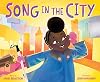
Ablind girl endeavors to share her musical perception of city sounds.
When Emmalene and Grandma Jean set out one Sunday, Emmalene rejoices at the “busy city symphony” that surrounds them as Bernstrom imbues his rhythmically rhyming text with exuberant onomatopoeia. There’s the “RUMBLE” of the bus, the “BIPPITY-BOP!” of a nearby marching band, and the “tippity-tapping” of the wind. But to impatient Grandma Jean, the sounds are mere “commotion”; for her, music is the show more church choir’s “loud and joyous” song. When Emmalene becomes frustrated that Grandma Jean doesn’t understand, Grandma Jean valiantly tries to hear from her perspective. But only after Emmalene covers Grandma Jean’s eyes does Grandma Jean finally hear her song; in kaleidoscopically colored text against black background, “acorns ticked. A backhoe WRECKED. A truck HARRUMPHED. And birds peck-pecked.” Emmalene and a tearful Grandma Jean embrace, and together they listen to the city’s “CLAPPING / FLAPPING / tippity-tapping” tune. Mohammed’s bright, bold illustrations vividly animate the bustling city, and Emmalene’s and Grandma Jean’s expressions are endearing; their love is palpable. Though Grandma Jean’s poignant epiphany echoes the trope of a disabled character imparting a lesson to a nondisabled character, the potentially off-key note is offset by the heartwarming portrayal of Emmalene and her grandma’s intergenerational bonding. Grandma Jean and Emmalene present Black with light- and dark-brown skin respectively. (This book was reviewed digitally.)
An eye-catching, toe-tapping celebration of the melodies in everyday sounds. (Picture book. 4-7)
-Kirkus Review show less
When Emmalene and Grandma Jean set out one Sunday, Emmalene rejoices at the “busy city symphony” that surrounds them as Bernstrom imbues his rhythmically rhyming text with exuberant onomatopoeia. There’s the “RUMBLE” of the bus, the “BIPPITY-BOP!” of a nearby marching band, and the “tippity-tapping” of the wind. But to impatient Grandma Jean, the sounds are mere “commotion”; for her, music is the show more church choir’s “loud and joyous” song. When Emmalene becomes frustrated that Grandma Jean doesn’t understand, Grandma Jean valiantly tries to hear from her perspective. But only after Emmalene covers Grandma Jean’s eyes does Grandma Jean finally hear her song; in kaleidoscopically colored text against black background, “acorns ticked. A backhoe WRECKED. A truck HARRUMPHED. And birds peck-pecked.” Emmalene and a tearful Grandma Jean embrace, and together they listen to the city’s “CLAPPING / FLAPPING / tippity-tapping” tune. Mohammed’s bright, bold illustrations vividly animate the bustling city, and Emmalene’s and Grandma Jean’s expressions are endearing; their love is palpable. Though Grandma Jean’s poignant epiphany echoes the trope of a disabled character imparting a lesson to a nondisabled character, the potentially off-key note is offset by the heartwarming portrayal of Emmalene and her grandma’s intergenerational bonding. Grandma Jean and Emmalene present Black with light- and dark-brown skin respectively. (This book was reviewed digitally.)
An eye-catching, toe-tapping celebration of the melodies in everyday sounds. (Picture book. 4-7)
-Kirkus Review show less

In an Author’s Note, Bernstrom tells us that the stories in this book are his grandpa’s stories (he called him Papa). Bernstrom’s grandfather passed away shortly after he began writing it, and he writes:
“Whenever I miss him, it’s as if, when I open this book, I’m sitting beside my papa as we are driving through Chicago, talking to each other once again.”
He begins with a story from 1952 in Little Rock, Arkansas, when Papa left home to move to Chicago and find work. He was show more “scared to death.” But, as Papa insisted, “sometimes you gotta lose the life you have if you ever gonna find the one you want. That’s called being brave.”
Bernstrom explains that Papa would drive him around and “slip in small stories of ordinary courage,” which one often has to call upon both as a Black man and as a human being generally.
In 1955, Papa had to overcome his fears to work atop skyscrapers. In 1957, he saw Nana at a blues club and had to summon the courage to ask her to dance. He explained to his grandson:
“I tell you, I was scared. But sometimes you gotta jump in an ocean of scared if you ever gonna dance with an angel. That’s called being brave.”
In 1986, Bernstrom’s mother left him with Papa and never came back. He was scared he was too old to bring up a child, but “sometimes you gotta love the unexpected if you ever gonna find love at all.”
Bernstrom asked his Papa, “‘Does being scared ever go away? No,’ Big Papa said.’” He explained he was scared right now, because his grandson was growing up too fast, and he already missed him:
“I hugged Big Papa tighter than tight. ‘But that’s called being brave?’ ‘Yes,’ Big Papa said. ‘That’s called being brave.’”
That’s not me crying! I have something in my eye!
Award-winning illustrator Shane W. Evans works his usual magic with the text, with brightly colored whimsical illustrations.
Evaluation: This book for readers 4 and up is a treat for all ages. show less
“Whenever I miss him, it’s as if, when I open this book, I’m sitting beside my papa as we are driving through Chicago, talking to each other once again.”
He begins with a story from 1952 in Little Rock, Arkansas, when Papa left home to move to Chicago and find work. He was show more “scared to death.” But, as Papa insisted, “sometimes you gotta lose the life you have if you ever gonna find the one you want. That’s called being brave.”
Bernstrom explains that Papa would drive him around and “slip in small stories of ordinary courage,” which one often has to call upon both as a Black man and as a human being generally.
In 1955, Papa had to overcome his fears to work atop skyscrapers. In 1957, he saw Nana at a blues club and had to summon the courage to ask her to dance. He explained to his grandson:
“I tell you, I was scared. But sometimes you gotta jump in an ocean of scared if you ever gonna dance with an angel. That’s called being brave.”
In 1986, Bernstrom’s mother left him with Papa and never came back. He was scared he was too old to bring up a child, but “sometimes you gotta love the unexpected if you ever gonna find love at all.”
Bernstrom asked his Papa, “‘Does being scared ever go away? No,’ Big Papa said.’” He explained he was scared right now, because his grandson was growing up too fast, and he already missed him:
“I hugged Big Papa tighter than tight. ‘But that’s called being brave?’ ‘Yes,’ Big Papa said. ‘That’s called being brave.’”
That’s not me crying! I have something in my eye!
Award-winning illustrator Shane W. Evans works his usual magic with the text, with brightly colored whimsical illustrations.
Evaluation: This book for readers 4 and up is a treat for all ages. show less

One day in the eucalyptus, eucalyptus tree a clever little boy is swallowed by a sneaky snake, but manages to outwit his serpentine enemy by convincing him to eat too much, thereby leading to an explosive liberation for all.
An entertaining cumulative tale told in rhyme, One Day in the Eucalyptus, Eucalyptus Tree apparently came to first-time author Daniel Bernstrom while he was working as a janitor at a preschool. Whatever the inspiration, it is certainly a marvelous debut, full of (as many show more other reviewers have noted) wonderfully syncopated sounds, plenty of onomatopoeia, and a repetitive structure that all lend themselves to a pleasurable read-aloud experience. The colorful and quirky artwork by Brendan Wenzel captures the zany humor of the tale, with his trademark google-eyed characters cavorting along the page. Recommended to anyone looking for entertaining story-time tales, as well as to fans (as I am) of Wenzel's artwork. show less
An entertaining cumulative tale told in rhyme, One Day in the Eucalyptus, Eucalyptus Tree apparently came to first-time author Daniel Bernstrom while he was working as a janitor at a preschool. Whatever the inspiration, it is certainly a marvelous debut, full of (as many show more other reviewers have noted) wonderfully syncopated sounds, plenty of onomatopoeia, and a repetitive structure that all lend themselves to a pleasurable read-aloud experience. The colorful and quirky artwork by Brendan Wenzel captures the zany humor of the tale, with his trademark google-eyed characters cavorting along the page. Recommended to anyone looking for entertaining story-time tales, as well as to fans (as I am) of Wenzel's artwork. show less
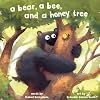
There are some picture books that are just masterworks of illustration. There is not a single page within this book that I wouldn’t hang up on my wall as art. It has that soft cloud like a happy feeling that makes the reader want to keep turning the page. The story itself is very simple and uses the same words repetitively making it easier to read, but at the same time, more fun in story time. A bee, a bear, a Honey tree, a bear, a tree, a bee, you get the idea. I want to add this to my show more permanent story time collection as something that would get used over and over again. show less
Lists
Awards


You May Also Like


Associated Authors
Statistics
- Works
- 14
- Members
- 819
- Popularity
- #31,141
- Rating
- 3.9
- Reviews
- 37
- ISBNs
- 29