
Michael V. Hayden
Author of Playing to the Edge: American Intelligence in the Age of Terror
About the Author
Michael Vincent Hayden was born in 1945, in Pittsbugh, Pennsylvania. He received his bachelor's and master's degrees from Duquesne University (McAnulty College and Graduate School of Liberal Arts). He went to have a career in the U.S. Air Force and intelligence. Today he is a retired United States show more Air Force four-star general and former Director of the National Security Agency, Principal Deputy Director of National Intelligence, and Director of the Central Intelligence Agency. Currently he is a Principal at The Chertoff Group and a distinguished visiting professor at the George Mason University Schar School of Policy and Government. He is the author of Playing to the Edge: American Intelligence in the Age of Terror and The Assault on Intelligence: American National Security in an Age of Lies. (Bowker Author Biography) show less
Image credit: Official USAF photo
Works by Michael V. Hayden
The Assault on Intelligence: American National Security in an Age of Lies (2018) 220 copies, 8 reviews
Associated Works
Tagged
Common Knowledge
- Legal name
- Hayden, Michael Vincent
- Birthdate
- 1945-03-17
- Gender
- male
- Education
- Duquesne University
- Nationality
- USA
- Birthplace
- Pittsburgh, Pennsylvania, USA
- Associated Place (for map)
- Pennsylvania, USA
Members
Reviews

Michael V. Hayden is a former Director of the National Security Agency and of the CIA, and he knows whereof he speaks. In The Assault on Intelligence, he expresses his deeply held concerns that the security of the United States is in jeopardy because of the (at best) cavalier or (at worst) treasonous attitude of the current President toward the interference of Russians and other foreigners in American affairs.
Hayden’s book recounts many of the Trump administration misdeeds and wrongdoings show more committed through the middle of 2018 as seen from the perspective of an intelligence professional. The two overriding themes of his presentation are that Trump seems unconcerned with what his intelligence agencies tell him, and that he is an outrageous liar. In fact, Hayden avers, the concept of objective truth seems foreign to Trump.
Thomas Jefferson wrote that an informed citizenry was the heart of a democracy; only when people are knowledgable can they be trusted with their own governance. But being correctly informed is not supported by either Trump or his administration, nor does Trump's solid base of unwavering supporters put much store in facts, research, science, or truth generally.
As those who follow the news are aware, Rudy Giuliani, Trump's attorney, famously averred that "truth isn't truth" when explaining that he wouldn't let special counsel Robert Mueller rush Trump into testifying, because he didn't want investigators to "trap" the President into a lie. [How can you be "trapped" into telling a lie unless you are lying?] Giuliani was right, though, in the sense that the danger of Trump lying to Mueller [or indeed, to anyone] was a credible risk. According to the Washington Post Fact Checker, as of March 31, 2019, Trump made 9,451 false or misleading claims over 801 days in office: "That’s a pace of 22 fishy claims a day over the past 200 days, a steep climb from the average of nearly 5.9 false or misleading claims a day in Trump’s first year in office." This figure is updated regularly.
In Hayden’s words:
“I think it fair to say that the Trump campaign normalized lying to an unprecedented degree, and when pressed on specifics it routinely tried to delegitimize those who would disagree with countercharges about the ‘lyin’ media,’ ‘intelligence’ [in accusatory quotation marks], ‘so-called judges,’ fake news, Washington insiders, and the deep state.”
After Trump labeled the mainstream media “the enemy of the people,” Hayden tweeted:
“If this is who we are or who we are becoming, I have wasted 40 years of my life. Until now it was not possible for me to conceive of an American President capable of such an outrageous assault on truth, a free press, or the First Amendment.”
In Hayden’s view, Trump is not merely untruthful, but his actions in contravention to the opinions of the intelligence agencies right from the outset have been very unwise. Variations of headlines like this one are constant: "Trump Calls Intelligence Officials 'Naive' After They Contradict Him." Just four days into his administration, Trump - apparently without consulting anyone in the intelligence community - had the US withdraw from the Trans-Pacific Partnership — a strategic arrangement masquerading as a trade deal. In Hayden’s opinion, this was “one of the most destructive steps taken by the administration so far.” Yet as far as anyone can tell, Trump’s main objection to the deal was that it was advocated by Obama, which made it anathema to him.
Other intelligence ignored by Trump has had even more devastating repercussions. Russia traditionally has been considered an American adversary, but not by our current president. In July, 2018, twelve Russian military intelligence officials were indicted as part of the Mueller investigation for hacking in connection with the 2016 election. This followed an indictment the previous February of thirteen Russians and three companies for a social media campaign dedicated to tampering with the 2016 electoral process. [This was far more extensive, it should be noted, than Russia buying "a few Facebook ads" as Trump's son-in-law Jared Kushner recently maintained.] The Mueller Report made clear, in concurrence with conclusions of multiple U.S. intelligence agencies, that these efforts were explicitly made to further the likelihood of Trump winning the presidency.
Russian interference with the 2016 election was not only serious, but it exposed a previously unimagined American vulnerability and required a unified American response. Trump, however, simply ignored the intelligence he received and has refused to confront the threat in any meaningful manner. (If the interference was intended to help him, what could be bad?) In fact, in May, 2017, Trump revealed highly classified information to the Russian foreign minister and ambassador in a White House meeting, dismaying intelligence officials by jeopardizing a critical source of intelligence on the Islamic State. And of course, his continued pandering to Russian President Putin raises concerns throughout the world. Trump has not only tried to ease sanctions on Russia, but parroted Putin's talking points on a number of issues. Does Trump consider himself indebted to Putin for helping him win the presidency? Or is there an even more sinister problem? We still don't know.
This is a disturbing book about a critical period of American history. Hayden contends that controversies over how intelligence acquires information have been superseded. Now the most important concern is whether intelligence will even be used anymore “in a world in which even a sophisticated society like our own is trending toward decision making . . . based on that which can be made popular or widely held rather than on that which is objectively true.” (Clearly, the title of the book is a double entendre.)
Hayden notes that both former CIA Director John Brennan and former Director of National Intelligence Jim Clapper warn that “in some respects we are a government in crisis.” He also cites legal scholar Ben Wittes, who runs the Lawfare blog, and who summed up the principal problem succinctly: “The President of the United States is a profoundly bad person.”
Evaluation: One tires of having to wade through the muck of all the unlawful, harmful, or ill-advised deeds perpetrated by the current administration. Yet awareness of the observations in this important book about the basis upon which foreign policy decisions are made is critical for all thinking and concerned Americans.
(JAB) show less
Hayden’s book recounts many of the Trump administration misdeeds and wrongdoings show more committed through the middle of 2018 as seen from the perspective of an intelligence professional. The two overriding themes of his presentation are that Trump seems unconcerned with what his intelligence agencies tell him, and that he is an outrageous liar. In fact, Hayden avers, the concept of objective truth seems foreign to Trump.
Thomas Jefferson wrote that an informed citizenry was the heart of a democracy; only when people are knowledgable can they be trusted with their own governance. But being correctly informed is not supported by either Trump or his administration, nor does Trump's solid base of unwavering supporters put much store in facts, research, science, or truth generally.
As those who follow the news are aware, Rudy Giuliani, Trump's attorney, famously averred that "truth isn't truth" when explaining that he wouldn't let special counsel Robert Mueller rush Trump into testifying, because he didn't want investigators to "trap" the President into a lie. [How can you be "trapped" into telling a lie unless you are lying?] Giuliani was right, though, in the sense that the danger of Trump lying to Mueller [or indeed, to anyone] was a credible risk. According to the Washington Post Fact Checker, as of March 31, 2019, Trump made 9,451 false or misleading claims over 801 days in office: "That’s a pace of 22 fishy claims a day over the past 200 days, a steep climb from the average of nearly 5.9 false or misleading claims a day in Trump’s first year in office." This figure is updated regularly.
In Hayden’s words:
“I think it fair to say that the Trump campaign normalized lying to an unprecedented degree, and when pressed on specifics it routinely tried to delegitimize those who would disagree with countercharges about the ‘lyin’ media,’ ‘intelligence’ [in accusatory quotation marks], ‘so-called judges,’ fake news, Washington insiders, and the deep state.”
After Trump labeled the mainstream media “the enemy of the people,” Hayden tweeted:
“If this is who we are or who we are becoming, I have wasted 40 years of my life. Until now it was not possible for me to conceive of an American President capable of such an outrageous assault on truth, a free press, or the First Amendment.”
In Hayden’s view, Trump is not merely untruthful, but his actions in contravention to the opinions of the intelligence agencies right from the outset have been very unwise. Variations of headlines like this one are constant: "Trump Calls Intelligence Officials 'Naive' After They Contradict Him." Just four days into his administration, Trump - apparently without consulting anyone in the intelligence community - had the US withdraw from the Trans-Pacific Partnership — a strategic arrangement masquerading as a trade deal. In Hayden’s opinion, this was “one of the most destructive steps taken by the administration so far.” Yet as far as anyone can tell, Trump’s main objection to the deal was that it was advocated by Obama, which made it anathema to him.
Other intelligence ignored by Trump has had even more devastating repercussions. Russia traditionally has been considered an American adversary, but not by our current president. In July, 2018, twelve Russian military intelligence officials were indicted as part of the Mueller investigation for hacking in connection with the 2016 election. This followed an indictment the previous February of thirteen Russians and three companies for a social media campaign dedicated to tampering with the 2016 electoral process. [This was far more extensive, it should be noted, than Russia buying "a few Facebook ads" as Trump's son-in-law Jared Kushner recently maintained.] The Mueller Report made clear, in concurrence with conclusions of multiple U.S. intelligence agencies, that these efforts were explicitly made to further the likelihood of Trump winning the presidency.
Russian interference with the 2016 election was not only serious, but it exposed a previously unimagined American vulnerability and required a unified American response. Trump, however, simply ignored the intelligence he received and has refused to confront the threat in any meaningful manner. (If the interference was intended to help him, what could be bad?) In fact, in May, 2017, Trump revealed highly classified information to the Russian foreign minister and ambassador in a White House meeting, dismaying intelligence officials by jeopardizing a critical source of intelligence on the Islamic State. And of course, his continued pandering to Russian President Putin raises concerns throughout the world. Trump has not only tried to ease sanctions on Russia, but parroted Putin's talking points on a number of issues. Does Trump consider himself indebted to Putin for helping him win the presidency? Or is there an even more sinister problem? We still don't know.
This is a disturbing book about a critical period of American history. Hayden contends that controversies over how intelligence acquires information have been superseded. Now the most important concern is whether intelligence will even be used anymore “in a world in which even a sophisticated society like our own is trending toward decision making . . . based on that which can be made popular or widely held rather than on that which is objectively true.” (Clearly, the title of the book is a double entendre.)
Hayden notes that both former CIA Director John Brennan and former Director of National Intelligence Jim Clapper warn that “in some respects we are a government in crisis.” He also cites legal scholar Ben Wittes, who runs the Lawfare blog, and who summed up the principal problem succinctly: “The President of the United States is a profoundly bad person.”
Evaluation: One tires of having to wade through the muck of all the unlawful, harmful, or ill-advised deeds perpetrated by the current administration. Yet awareness of the observations in this important book about the basis upon which foreign policy decisions are made is critical for all thinking and concerned Americans.
(JAB) show less
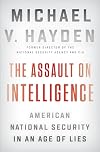
The role of the intelligence community is to inform the President of potential and actual threats to the United States. There needs to be trust, respect, and honesty between any given president and the intelligence community. The intelligence community and the President's team must function seamlessly during the transition between administrations. The intelligence community in many ways represents the cadre career professionals that remain in place while Presidents and their administrators show more change every 4 to 8 years. As a group the intelligence community take an international -ist view of the world. After explaining this in detail, Hayden examines how the Bush, Obama, and Trump administrations have worked with the intelligence community. Hayden is an equal opportunity critic. Each president is subjected a withering attack on the decisions they made. His arguments changed my opinion of effective the Obama administration foreign policy was.
The majority of the book is dedicated to the deconstruction of the Trump administration. Hayden starts with Trump's candidacy and walks the reader through his current actions as President in detail.
I think the book does a good job of examining the contrasting needs of the intelligence community with the peculiar personalities of the various office holders. In a lot of ways Hayden portrays the intelligence community as the secret heroes of the nation. He demonstrates how they are the whipping boys subject to each President's view , and uses of the truth the community presents to them. Overall this is a scary book. show less
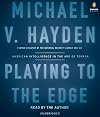
This book is definitely a 5 star book (deep insights into how NSA, CIA, the US IC, and intelligence overall worked in the late 90s/00s, including the immediate response to 9/11).
(I wouldn’t rate the author’s career as 5 stars. Hayden is complex, and I’m honestly not sure if he was a horrible NSA Director or merely a middling one at a challenging time, but he did seem to be a good CIA Director. Partially at NSA he seemed to have been dealt a basically broken organization that had show more failed to keep up with the world in the 1990s (as the threat evolved from the military and central government of the USSR on dedicated systems to a much more diverse threat using commercial systems), but he managed to both under-react before 9/11 and overreact afterward, turning NSA into an effective battlefield support organization but also realizing the formerly abstract threat of an NSA which could basically ignore the constitution when it felt like it. Fortunately there were enough people within NSA and government (including Hayden) that they didn’t choose to use their power for evil, but they absolutely created tools which could be flipped secretly and unilaterally to suppress all civil dissent. However, he certainly wasn’t the only one responsible for this shift within the government, and probably wasn’t even one of the primary forces pushing in that direction — he was just one of the primary implementors who possibly could have stopped it.) show less
(I wouldn’t rate the author’s career as 5 stars. Hayden is complex, and I’m honestly not sure if he was a horrible NSA Director or merely a middling one at a challenging time, but he did seem to be a good CIA Director. Partially at NSA he seemed to have been dealt a basically broken organization that had show more failed to keep up with the world in the 1990s (as the threat evolved from the military and central government of the USSR on dedicated systems to a much more diverse threat using commercial systems), but he managed to both under-react before 9/11 and overreact afterward, turning NSA into an effective battlefield support organization but also realizing the formerly abstract threat of an NSA which could basically ignore the constitution when it felt like it. Fortunately there were enough people within NSA and government (including Hayden) that they didn’t choose to use their power for evil, but they absolutely created tools which could be flipped secretly and unilaterally to suppress all civil dissent. However, he certainly wasn’t the only one responsible for this shift within the government, and probably wasn’t even one of the primary forces pushing in that direction — he was just one of the primary implementors who possibly could have stopped it.) show less
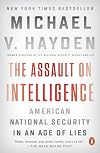
Really good book with a perspective and side of the Trump administration that I didn't even consider. After reading this, I can add our intelligence agencies as one more thing Trump is royally fucking up.
Awards


You May Also Like


Associated Authors
Statistics
- Works
- 3
- Also by
- 1
- Members
- 553
- Popularity
- #45,137
- Rating
- 3.9
- Reviews
- 12
- ISBNs
- 15